


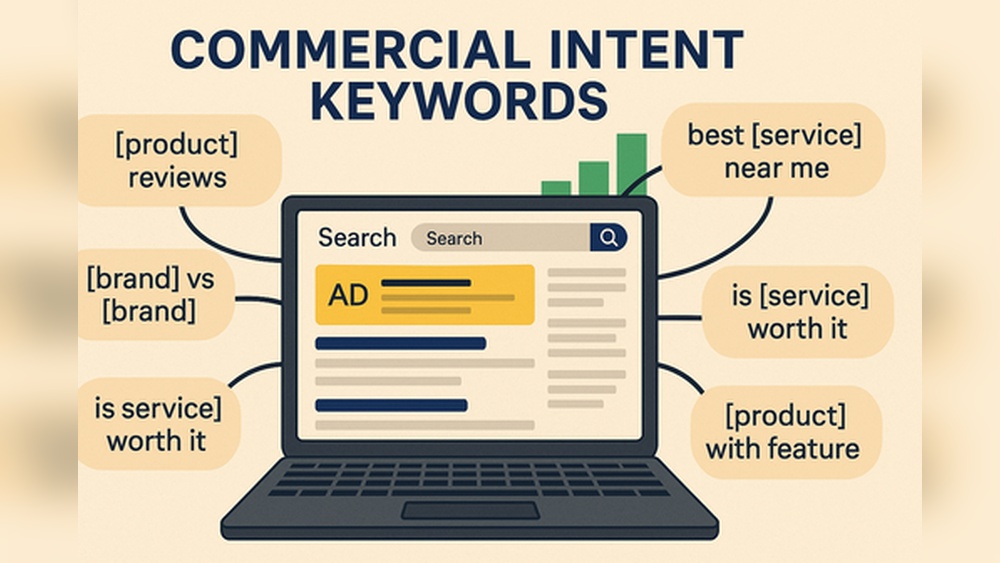
Are you looking to boost your online business and attract the right customers? Understanding commercial intent can be the game-changer you need.
When you grasp what your audience really wants to buy, you can create content that speaks directly to their needs. This means more clicks, more leads, and more sales for you. Keep reading, and you’ll discover simple ways to spot commercial intent and use it to grow your business faster than you thought possible.
Commercial Intent Basics
Understanding commercial intent is key to effective marketing. It helps you know what users want when they search online. This knowledge guides your content and ads to match user needs. Let’s explore the basics of commercial intent and its role in marketing success.
What Is Commercial Intent
Commercial intent means a user wants to buy or learn about a product or service. They are ready to make a purchase or compare options. This intent shows interest in spending money soon. Marketers use this to target ads and content that lead to sales.
Types Of Search Intent
Search intent splits into four main types. Informational intent is when users want to learn something. Navigational intent means they want to find a specific site. Commercial intent shows interest in buying or researching products. Transactional intent means they want to complete a purchase now.
Why It Matters For Marketing
Knowing commercial intent helps create the right content. It improves ad targeting and boosts sales chances. It saves budget by focusing on users ready to buy. Content that matches intent ranks better on search engines. This leads to higher website traffic and more customers.
Credit: legaltemplates.net
Identifying High-intent Keywords
Finding high-intent keywords is key to attracting buyers. These keywords show clear interest in buying or using a product or service. Targeting them helps businesses reach customers ready to act. Identifying such keywords requires careful analysis and the right tools. This section explains how to spot high-intent keywords that boost sales and leads.
Keyword Research Tools
Keyword research tools help find words customers use to search online. Tools like Google Keyword Planner and Ubersuggest show search volume and competition. They reveal which keywords have commercial intent behind them. These tools also suggest related keywords that buyers often use. Using them saves time and guides content creation toward high-intent terms.
Analyzing Search Queries
Search queries reveal what users want. Look for words that show buying signals like ”buy,” ”price,” or ”discount.” Queries with location or product details indicate strong intent. Study how users phrase questions or requests. This helps understand their needs and match content to their intent. Focus on queries that suggest a readiness to purchase.
Long-tail Vs Short-tail Keywords
Long-tail keywords are longer, specific phrases. They often show clear buying intent and less competition. Short-tail keywords are broad and general. They attract lots of traffic but less focused buyers. Using long-tail keywords targets users closer to buying. Combining both types can balance traffic and conversion chances.
Crafting Content For Commercial Intent
Crafting content for commercial intent means focusing on content that drives sales and conversions. This type of content speaks directly to buyers. It highlights benefits and answers questions buyers have before making a purchase.
Creating clear, focused content helps guide users toward taking action. Every part of the content should support the goal of selling or encouraging a purchase. Writing with commercial intent requires understanding the buyer’s needs and obstacles.
Optimizing Landing Pages
Landing pages must be simple and direct. Use clear headlines that show what you offer. Include concise descriptions that explain the benefits. Make sure the page loads fast and works well on all devices. Remove distractions that can take attention away from the main message. Use images that support your message and show the product or service clearly.
Effective Call-to-actions
Calls-to-action (CTAs) tell users what to do next. Use short and strong phrases like ”Buy Now” or ”Get Your Discount.” Place CTAs where users can easily see them, such as near the top or end of the page. Make buttons stand out with bright colors. Avoid confusing language; keep it simple and direct. CTAs should create a sense of urgency or value.
Leveraging Product Reviews And Testimonials
Reviews and testimonials build trust with buyers. Show real feedback from customers who used your product. Highlight positive experiences and specific benefits. Use quotes and ratings to make opinions clear. Update reviews regularly to keep content fresh. Display testimonials near CTAs to encourage action. This helps reduce doubts and improves confidence in your offer.

Credit: www.youtube.com
Seo Strategies To Boost Conversions
Boosting conversions through SEO requires smart strategies. Focus on techniques that attract the right visitors. Then, turn visits into actions. This section covers key steps to improve your website’s performance and user experience. These methods help increase sales, leads, or sign-ups.
On-page Seo Techniques
Start with clear, relevant keywords on your pages. Use keywords naturally in titles, headers, and text. Write simple, direct content that matches user intent. Add strong calls to action on every page. Make sure your meta descriptions invite clicks. Use images with descriptive alt text. Keep URLs short and easy to read. These steps help search engines understand your site better.
Improving Site Speed And Ux
Fast loading sites keep visitors happy. Compress images and use caching to speed up pages. Choose a reliable hosting service. Make your site mobile-friendly for all devices. Use clear navigation menus so visitors find what they want. Avoid cluttered designs and long forms. A smooth user experience helps visitors stay longer and take action.
Schema Markup For Rich Results
Schema markup helps search engines show extra info. Use schema to highlight products, reviews, and events. Rich results stand out in search listings. They increase trust and clicks. Implement schema with simple tools or plugins. Test your markup using Google’s Rich Results Test. Proper schema can improve visibility and attract quality traffic.
Paid Search And Commercial Intent
Paid search plays a key role in targeting commercial intent. It helps businesses reach users ready to buy or take action. Ads appear at the top of search results, catching the attention of high-intent audiences. This method drives traffic that is more likely to convert into customers.
Crafting the right strategy in paid search boosts the chance of success. Every element, from audience targeting to ad copy, influences results. Understanding commercial intent helps create campaigns that meet user needs and business goals.
Targeting High-intent Audiences
Identify keywords that show clear buying signals. Terms like ”buy,” ”discount,” or ”near me” suggest strong intent. Use these keywords in campaigns to reach people ready to act. Segment audiences by behavior and location to improve relevance. This focus reduces wasted spend and increases conversions.
Ad Copy That Converts
Write simple ads that highlight benefits and clear offers. Use calls to action like ”Buy now” or ”Get a quote.” Match ad copy with the searcher’s intent for better engagement. Include trust signals such as reviews or guarantees. Clear and direct ads drive clicks and sales.
Budgeting For Maximum Roi
Allocate budget based on campaign performance and intent level. Invest more in high-intent keywords that deliver better returns. Track cost per conversion to adjust spending wisely. Use daily limits to control expenses and avoid overspending. Smart budgeting ensures the best return on investment.

Credit: pratsdigital.in
Measuring Success
Measuring success in commercial intent means checking if your marketing goals are met. It shows if your efforts bring real results like sales or leads. This process helps you understand what works and what needs change. Tracking and analyzing data is key to improving your strategy over time.
Tracking Conversion Metrics
Conversion metrics show how many visitors take desired actions. Examples include purchases, sign-ups, or calls. These numbers tell if users find your offer useful. Watch for patterns in clicks and actions. Low conversions mean you may need better targeting or content.
Using Analytics Tools
Analytics tools help collect and view data easily. Tools like Google Analytics show user behavior and traffic sources. They provide reports on how visitors interact with your site. Use these insights to understand customer journeys. Accurate data leads to better decisions.
Adjusting Strategies Based On Data
Data shows what parts of your plan work or fail. Use this information to tweak your marketing approach. Change keywords, ads, or landing pages as needed. Small changes can boost conversion rates significantly. Regular updates keep your strategy effective and relevant.
Frequently Asked Questions
What Is Commercial Intent In Seo?
Commercial intent means users want to buy or engage with products or services. It indicates high conversion potential in SEO strategies.
How To Identify Commercial Intent Keywords?
Look for keywords with purchase-related words like ”buy,” ”discount,” or ”best price. ” These suggest strong commercial intent.
Why Is Commercial Intent Important For Businesses?
It helps target users ready to make decisions, increasing sales and marketing efficiency. It improves ROI significantly.
How To Optimize Content For Commercial Intent?
Use clear calls-to-action, product details, and reviews. Make content persuasive and easy to navigate for buyers.
Conclusion
Understanding commercial intent helps create better content for your audience. It guides you to meet their needs clearly and quickly. Focus on what users want to buy or learn before they buy. This approach improves website visits and user trust.
Keep content simple, clear, and useful to attract the right visitors. Knowing commercial intent saves time and effort in content creation. It makes your site more helpful and relevant. Always think about the user’s goal to reach success. Commercial intent is key to smart online marketing.