


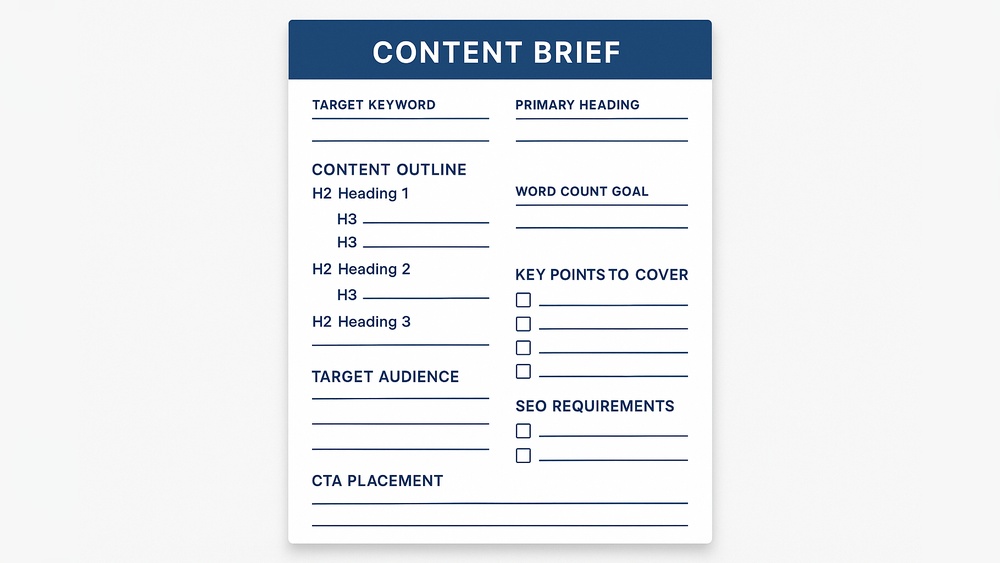
If you want your content to hit the mark every time, you need a clear plan before you start writing. That’s where content briefs come in.
They act like a roadmap, guiding your ideas and making sure your message reaches the right audience. Without a solid brief, your content can miss its target, wasting time and effort. Keep reading, and you’ll discover how content briefs can transform your writing process, boost your results, and save you from common mistakes.
Ready to make your content sharper and more effective? Let’s dive in.
What Are Content Briefs
Content briefs are essential tools for creating clear and focused content. They guide writers by outlining key details. These briefs help teams stay on the same page. They prevent confusion and save time during content creation.
Content briefs list the main points to cover. They include target audience information and the content’s purpose. This makes writing easier and more effective. Writers know exactly what to include and avoid.
What Is Included In A Content Brief?
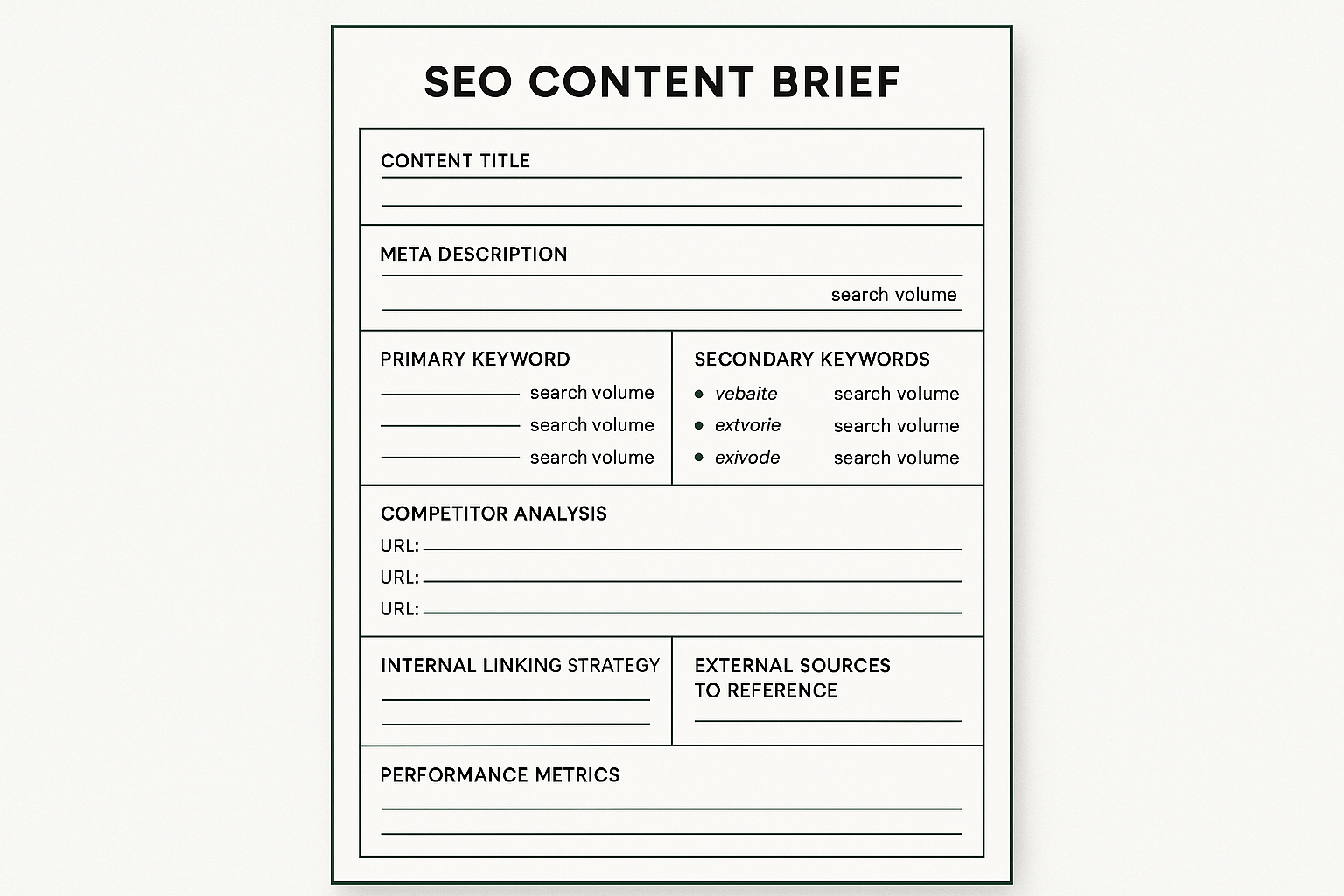
A content brief usually has a title and topic. It explains the main goal of the content. It shows who will read the piece. Writers get instructions on tone and style. Keywords to use are also listed. Sometimes, examples or references are added. All these parts help create focused content.
Who Uses Content Briefs?
Content briefs are helpful for writers and editors. Marketers and SEO specialists rely on them too. They guide freelancers and content teams. Everyone involved in content creation benefits. It keeps the work organized and clear.
Why Are Content Briefs Important?
Content briefs reduce mistakes and rewrites. They save time by giving clear directions. They improve content quality and consistency. These briefs help meet deadlines easily. Good briefs boost teamwork and communication.
Credit: www.singlegrain.com
Benefits For Seo
Content briefs play a key role in improving SEO. They provide clear instructions for writers. This clarity helps create content that search engines prefer. A well-structured brief guides the use of keywords and topics. This focus can make a website more visible in search results.
Using content briefs also improves the overall quality of the content. Better content keeps visitors on the page longer. Search engines notice this and reward the site with better rankings. Content briefs help teams work faster and with fewer mistakes.
Improving Keyword Targeting
Content briefs list important keywords to use. Writers know exactly which words to include. This stops missing crucial terms that users search for. Good keyword targeting increases the chance of ranking higher. It also helps attract the right audience to the page.
Enhancing Content Quality
Briefs explain what topics to cover in detail. Writers can create useful, relevant, and clear content. High-quality content answers questions better and keeps readers interested. Search engines rank well-written content higher than thin or unclear pages. Consistent quality builds trust with visitors and search engines alike.
Boosting Search Rankings
Content briefs help produce organized and focused articles. Search engines prefer content that matches user intent closely. Clear structure and keyword use signal relevance to search engines. This leads to higher rankings in search results. Better rankings increase organic traffic and visibility for the site.
Time-saving Advantages
Content briefs save time by giving clear instructions before writing starts. They help teams focus on what matters most. This reduces confusion and speeds up the whole process. Writers spend less time guessing or redoing work. Everyone knows their role and goals from the start.
Streamlining Content Creation
Content briefs provide a clear plan for writers. They outline the topic, style, and key points. This helps writers start faster and stay on track. Less time is wasted on unnecessary research or rewrites. The writing flows smoothly with a strong direction.
Reducing Revisions
Clear briefs cut down mistakes and misunderstandings. Writers deliver content that matches expectations. Editors find fewer errors or missing details. This lowers the number of revision rounds needed. The final content gets approved quicker, saving time for everyone.
Facilitating Team Collaboration
Content briefs create a shared understanding among team members. Writers, editors, and marketers work with the same information. This reduces back-and-forth questions and delays. Teams coordinate better and finish projects faster. Tasks move smoothly from one step to the next.
Credit: growfusely.com
Key Elements To Include
Creating a content brief requires careful planning. The key elements guide writers and keep content focused. Including clear details helps meet goals and audience needs.
Each part of the brief plays a role. It shapes the message, style, and structure. The following sections explain what to include.
Target Audience Details
Identify who will read the content. Include age, location, and interests. Mention what problems the audience faces. This helps tailor the message clearly.
Knowing the audience ensures content speaks their language. It makes the text easy to understand and useful.
Primary And Secondary Keywords
List main keywords that represent the topic. Add secondary keywords to support and expand ideas. This improves search engine visibility.
Use keywords naturally in the content. Avoid stuffing or overuse. Keywords guide writers to stay on topic.
Content Structure And Format
Outline the content’s format, such as list, article, or how-to guide. Include headings, subheadings, and bullet points if needed. This creates a clear flow.
Specify word count and any special elements like images or videos. A structured format helps readers find information fast.
Tone And Style Guidelines
Define the tone: friendly, formal, casual, or professional. Add style notes like short sentences or simple words. This keeps the voice consistent.
Clear tone guides writers to connect better with readers. It shapes how the message feels and sounds.
Competitor Insights
Include examples of competitor content to learn from. Point out what works well and what to avoid. This helps create better, unique content.
Understanding competitors improves quality and finds gaps to fill. It keeps content fresh and relevant.
How To Create Effective Content Briefs
Creating effective content briefs is key for smooth writing and clear results. A good brief guides writers, saves time, and keeps the content focused. It sets clear goals and provides all necessary details to produce quality work.
Good briefs help teams understand the topic and target audience. They reduce confusion and improve content consistency. Follow these steps to create briefs that work well for any project.
Research And Data Gathering
Start by collecting information about the topic. Use trusted sources and recent data. Understand the audience’s needs and questions. Check competitors’ content to find gaps or ideas. Gather facts, statistics, and examples to support the content.
Setting Clear Objectives
Define the main purpose of the content. Decide what the reader should learn or do after reading. Set specific goals like increasing traffic or boosting engagement. Be clear about the tone and style. Mention any key points or messages to include.
Using Templates And Tools
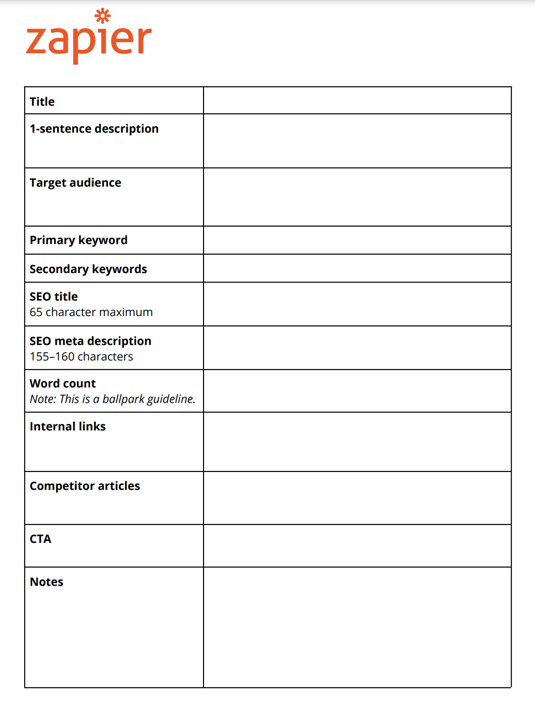
Use content brief templates to stay organized. Templates save time and ensure no detail is missed. Tools like Google Docs or Trello help share briefs easily. Use checklists for SEO, tone, and structure. Adjust templates to fit each project’s needs.
Incorporating Seo Best Practices
Include target keywords naturally in the brief. Suggest keyword placement in titles and headings. Mention meta descriptions and image alt texts. Guide writers to use internal and external links. Emphasize readability and user-friendly content.
Common Mistakes To Avoid
Creating a content brief is key to good writing. Many make simple mistakes that hurt the final content. Avoid these common errors to save time and improve quality.
Vague Instructions
Unclear instructions confuse writers. They waste time guessing what to write. Always give specific details. Mention the topic, tone, and target audience clearly. This helps writers stay on track and produce better work.
Ignoring Seo Factors
SEO is crucial for content visibility. Skipping keywords or meta details lowers search rankings. Include keywords, headings, and SEO goals in the brief. This guides writers to write content that ranks well on search engines.
Overloading With Information
Too much information can overwhelm writers. It creates confusion and slows progress. Focus on key points only. Keep the brief simple and concise. Clear and brief instructions lead to better content and faster delivery.
Tools To Simplify Brief Creation
Creating content briefs can take much time and effort. Using the right tools can make the process faster and clearer. These tools help organize ideas, set clear goals, and track progress. They reduce mistakes and keep everyone on the same page. Here are some useful tools to simplify brief creation.
Content Brief Generators
Content brief generators create outlines automatically. They use data to suggest topics, keywords, and structure. These tools save time by giving a ready plan. Writers get clear guidance on what to write next. This helps keep content focused and relevant.
Seo Analysis Platforms
SEO analysis platforms check how well your brief matches search needs. They suggest keywords and help improve readability. These platforms show what competitors are doing. They guide writers to create content that ranks better. Using them ensures the brief supports good SEO.
Project Management Software
Project management software keeps track of tasks and deadlines. It helps teams communicate and share files easily. These tools allow assigning roles and monitoring progress. They make sure briefs are completed on time. Everyone stays organized and knows their responsibilities.
Case Studies And Success Stories
Case studies and success stories show how content briefs help teams work better. They give real examples of results from using clear and detailed briefs. These stories explain the steps taken and the benefits gained.
Reading about actual experiences helps understand why content briefs matter. They highlight the impact on quality, deadlines, and teamwork. Let’s look at some examples that bring these points to life.
Improving Content Quality With Detailed Briefs
A marketing agency shared how detailed content briefs improved their writing quality. Writers received clear instructions on tone, style, and key points. This led to fewer revisions and better client satisfaction.
The agency saw a 30% drop in rewrite requests. Writers felt more confident and focused. The content matched the brand voice every time.
Meeting Deadlines Consistently
A small business used content briefs to meet tight deadlines regularly. Briefs included exact deadlines and content goals. The team planned work better and avoided delays.
The business increased its publishing frequency by 25%. Reliable delivery built trust with their audience. Stress dropped, and the team worked more smoothly.
Boosting Team Collaboration
A startup credited content briefs for better teamwork across departments. The briefs shared clear goals and roles for writers, editors, and designers. Communication improved, reducing mistakes and confusion.
The startup reported faster project completion. Everyone knew their tasks and expectations. The process became more organized and less stressful.

Credit: zenbrief.com
Frequently Asked Questions
What Is A Content Brief And Why Is It Important?
A content brief outlines key details for creating content. It guides writers, ensures consistency, and improves content quality. Briefs save time and align teams on goals, target audience, and style, enhancing overall effectiveness and SEO performance.
How Do You Create An Effective Content Brief?
Start by defining the topic, target audience, and purpose. Include keywords, content structure, tone, and length. Add relevant references or examples. Clear instructions help writers produce focused, engaging, and SEO-optimized content that meets business objectives.
What Key Elements Should A Content Brief Include?
A content brief should cover the topic, target audience, goals, keywords, tone, structure, and word count. Including examples and competitor analysis helps create relevant and competitive content. These elements ensure clarity and alignment between stakeholders and content creators.
How Do Content Briefs Improve Seo Performance?
Content briefs guide keyword usage and content structure, boosting search rankings. They ensure relevant, well-organized, and high-quality content. Briefs help maintain consistency, improve user engagement, and reduce content revisions, positively impacting SEO and organic traffic.
Conclusion
Content briefs help keep writing clear and focused. They guide writers step by step. This saves time and avoids confusion. Teams work better with clear instructions. Good briefs improve the quality of content. They make sure all important points appear.
Using content briefs leads to consistent results. Start using them to create better content today.