


Are you struggling to make your content stand out and actually bring results? A strong content marketing strategy is exactly what you need to turn your ideas into powerful tools that attract and engage your audience.
Imagine having a clear plan that guides every blog post, video, or social update you create—making sure your message reaches the right people at the right time. You’ll discover simple yet effective steps to build a content marketing strategy that works for you.
Stick around, and you’ll learn how to boost your reach, connect with your audience, and grow your brand like never before.
Credit: www.i-scoop.eu
Content Marketing Basics
Content marketing is a powerful way to connect with your audience. It helps build trust and shows your expertise. The basics of content marketing focus on creating useful and relevant content. This content should solve problems or answer questions for your audience. Consistency and clarity matter the most.
Good content marketing does not just promote products. It shares valuable information that people want to read or watch. This approach creates a loyal audience and grows your brand naturally.
Key Elements
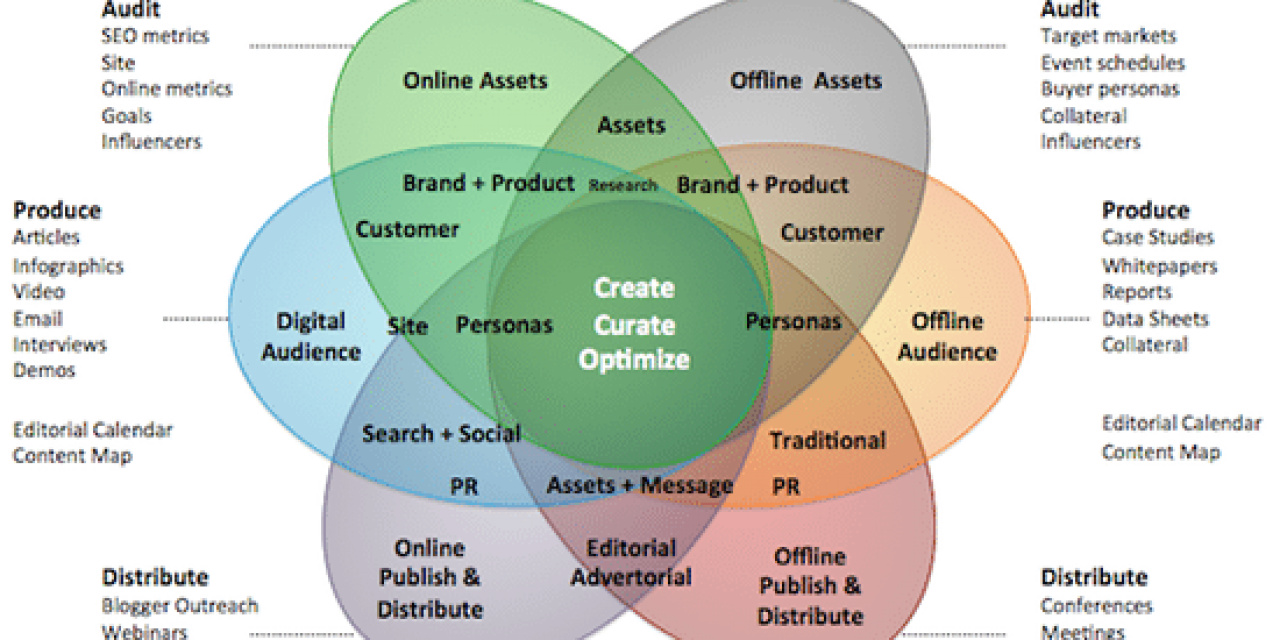
Every content marketing plan has key parts. Start with clear goals, like increasing website visits or leads. Next, choose the type of content you will create. This can be blog posts, videos, or social media updates. Quality matters more than quantity. Your content should be easy to understand and useful. A content calendar helps keep your plan on track. Measure results to see what works and what does not.
Target Audience
Knowing your target audience is essential. Think about who needs your content the most. What problems do they face? What questions do they ask? Use simple language that your audience understands. Speak directly to their interests and needs. This makes your content more engaging and effective. Tailor your content style and topics to fit your audience. This focus helps build a strong connection and trust.
Setting Clear Goals
Setting clear goals is the first step in a strong content marketing strategy. Goals give your work direction and focus. They help you measure success and improve your efforts over time.
Without clear goals, your content may not reach the right people. You might waste time and resources on the wrong tasks. Well-defined goals keep your team aligned and motivated.
Traffic Objectives
Traffic objectives define how many visitors you want to attract. This goal focuses on increasing the number of people who see your content. Higher traffic means more chances for leads and sales.
Set specific targets, such as daily or monthly visitors. Choose realistic numbers based on your current reach. Use tools like Google Analytics to track your progress.
Engagement Metrics
Engagement metrics show how visitors interact with your content. This includes likes, comments, shares, and time spent on a page. Good engagement means your audience finds value in your content.
Focus on increasing meaningful interactions, not just numbers. Track metrics like average session duration and bounce rate. These help you understand what works and what needs improvement.
Content Planning
Content planning is a key step in any content marketing strategy. It helps organize ideas and schedules. Proper planning saves time and ensures consistent publishing.
Good content planning keeps your audience interested. It also supports your business goals. Without a plan, content can be random and less effective.
Topic Research
Topic research finds subjects your audience cares about. Use tools like Google Trends or keyword planners. Check what competitors write and what readers ask online. Pick topics that match your brand and solve problems. This builds trust and attracts more visitors.
Content Calendar
A content calendar sets dates for publishing each piece. It shows what content goes out and when. Calendars help balance different content types and themes. They keep your team on track and avoid last-minute rushes. Consistent posting grows audience loyalty and improves SEO.
Creating High-quality Content
Creating high-quality content is key to a strong content marketing strategy. It draws readers in and keeps them interested. Good content builds trust and shows your expertise. Focus on clarity, value, and relevance to your audience.
Quality content answers questions and solves problems. It encourages readers to act, like sharing or buying. Consistency in quality helps grow your brand’s reputation over time.
Types Of Content
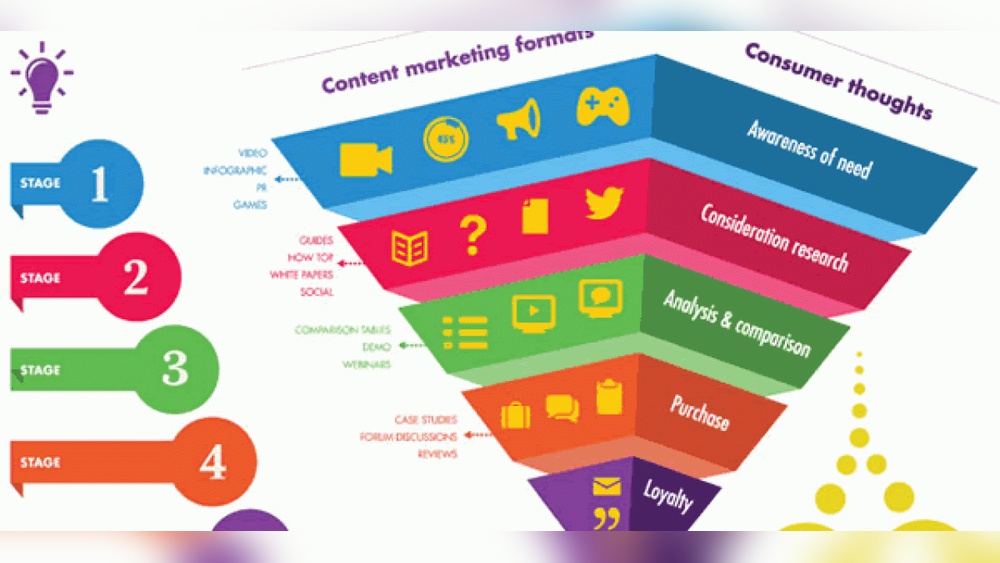
Different content types reach different audience needs. Blog posts educate and inform readers. Videos explain ideas quickly and clearly. Infographics show data in a visual way. Podcasts let people listen on the go. Case studies provide real examples. Choosing the right type depends on your goals and audience.
Seo Best Practices
SEO helps content get found by search engines. Use relevant keywords naturally in your text. Write clear and catchy titles. Use headings to organize content well. Add meta descriptions that summarize the page. Optimize images with alt text. Make content easy to read and mobile-friendly. Fast loading pages improve user experience. These steps increase your content’s visibility online.
Distribution Channels
Distribution channels are the paths content takes to reach an audience. They help spread your message beyond your own website. Choosing the right channels can increase visibility and engagement. Each channel has unique strengths and suits different goals. Using multiple channels helps reach more people and build trust.
Social Media
Social media platforms reach billions of users daily. They allow quick sharing of articles, videos, and images. Use platforms like Facebook, Instagram, LinkedIn, or Twitter based on your audience. Short posts with strong visuals catch attention fast. Engage by replying to comments and joining conversations. Social media boosts brand awareness and drives traffic.
Email Marketing
Email marketing sends content directly to subscribers’ inboxes. It creates a personal connection and builds loyalty. Share newsletters, updates, or special offers to keep readers informed. Emails have high open rates if the subject line is clear. Segment your list to send relevant content to each group. Consistent emails encourage repeat visits and conversions.
Guest Posting
Guest posting means writing content for other websites. It introduces your brand to new audiences. Choose sites that match your niche and have good traffic. Provide valuable, original content to build credibility. Include links back to your site for more visits. Guest posts improve SEO and establish authority in your field.
Credit: coschedule.com
Leveraging Analytics
Analytics is key to a strong content marketing strategy. It shows how users interact with your content. This insight helps you make smart decisions and improve results. Data guides every step, from creation to promotion. Without it, strategy lacks direction and clarity.
Tracking Traffic
Start by tracking your website traffic. Use tools like Google Analytics to see visitor numbers. Check where visitors come from and what pages they like. Understand which content draws the most attention. Track metrics like page views, bounce rate, and session duration. This data reveals how well your content performs.
Adjusting Strategy
Use analytics to adjust your content plan. Notice which topics get more views or shares. Drop or change content that doesn’t engage users. Test different headlines, images, and posting times. Small changes can lead to big improvements. Keep refining your strategy based on real data.
Proven Growth Tactics
Proven growth tactics help your content marketing strategy reach more people. These methods save time and boost results. Smart use of content, partnerships, and ads can grow your audience fast. Focus on these key tactics to improve your reach and engagement.
Content Repurposing
Content repurposing means using one piece of content in many ways. Turn a blog post into a video or infographic. Share quotes or tips from your articles on social media. This method saves effort and keeps your message fresh. It also reaches different audiences who prefer various formats.
Collaborations
Collaborations let you work with others to expand your reach. Partner with influencers or other brands that share your audience. Joint projects bring new eyes to your content. It builds trust and adds value for your followers. Teamwork often leads to better ideas and more exposure.
Paid Promotion
Paid promotion helps your content appear to a targeted audience. Use ads on platforms like Facebook, Instagram, or Google. Set a clear goal for each campaign to track results. Paid ads boost visibility and bring quick traffic. Combine paid efforts with organic growth for best results.

Credit: reachmarketingpro.com
Frequently Asked Questions
What Is A Content Marketing Strategy?
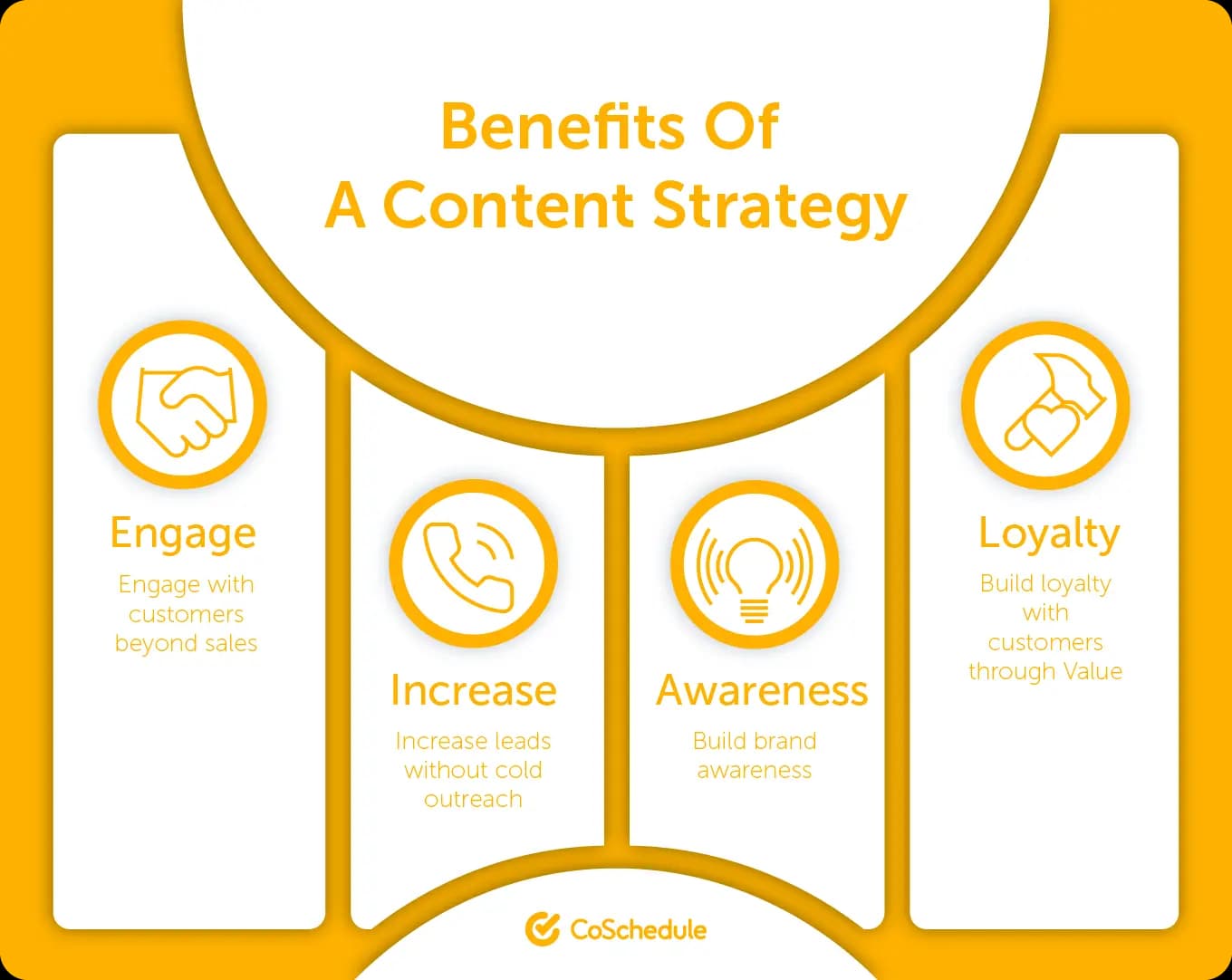
A content marketing strategy is a plan to create, publish, and distribute valuable content. It targets a specific audience to drive engagement, build trust, and achieve business goals like lead generation and brand awareness.
How Do I Create An Effective Content Marketing Plan?
Start by defining your audience, goals, and key messages. Research keywords, choose content types, set a publishing schedule, and measure results regularly to optimize your strategy.
Why Is Content Marketing Important For Businesses?
Content marketing builds brand authority, attracts potential customers, and nurtures relationships. It boosts organic traffic, increases conversions, and supports long-term business growth.
How Often Should I Update My Content Marketing Strategy?
Review your strategy every 3 to 6 months. Regular updates help you adapt to audience needs, market changes, and new SEO trends, ensuring ongoing effectiveness.
Conclusion
A solid content marketing strategy helps your business grow steadily. It builds trust and keeps your audience interested. Consistent and clear messages make your brand stand out. Always track results and adjust your plan to improve. Simple steps can lead to big changes over time.
Focus on your audience’s needs and give them value. Good content creates connections and drives success. Keep learning and adapting to stay relevant in your market. A strong strategy brings lasting benefits for your brand.