


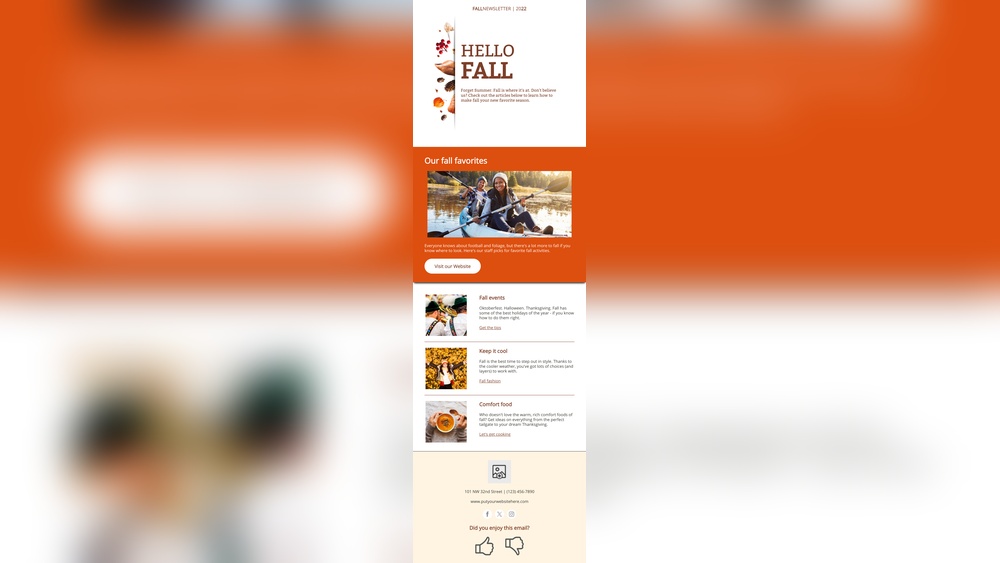
Are you looking for a simple way to connect with your audience and grow your business? An email newsletter could be exactly what you need.
It’s a powerful tool that puts your message directly into your readers’ inboxes. Imagine having a direct line to people who already want to hear from you. This means more clicks, more engagement, and more sales. You’ll discover how to create an email newsletter that grabs attention, keeps readers hooked, and turns casual visitors into loyal fans.
Ready to boost your communication game? Let’s dive in!
Crafting Compelling Subject Lines
Crafting compelling subject lines is key to getting your emails opened. The subject line is the first thing readers see. It decides if they read your message or ignore it. A strong subject line grabs attention and makes readers curious. It sets the tone for your entire newsletter. Small changes in wording can increase open rates significantly. Focus on clarity and appeal. Keep it short and direct. Avoid complicated words or long sentences. A good subject line feels personal and urgent. It invites readers to learn more without giving everything away.
Using Personalization Techniques
Personalization makes subject lines feel special. Using the reader’s name can boost interest. Mentioning their location or recent actions works well too. Personal touches show you know the reader. This builds trust and connection. Avoid generic phrases that sound like spam. Tailor your message to your audience’s needs. Personalization increases the chance your email gets opened.
Creating Urgency And Curiosity
Urgency encourages quick action. Words like “today” or “now” push readers to open fast. Curiosity makes readers want to know more. Use questions or hints without revealing everything. A mix of urgency and curiosity creates strong pull. Avoid sounding too pushy or fake. Keep it honest and relevant to your content. This balance keeps readers engaged and interested.
Avoiding Spam Triggers
Spam filters block many emails before readers see them. Certain words trigger these filters. Avoid words like “free,” “guarantee,” or “urgent” in excess. Use simple, clear language instead. Avoid all caps and too many punctuation marks. Test your subject lines with spam check tools. Clean, natural subject lines improve delivery rates. This helps your email reach the inbox, not the spam folder.
Credit: wpshout.com
Designing Reader-friendly Layouts
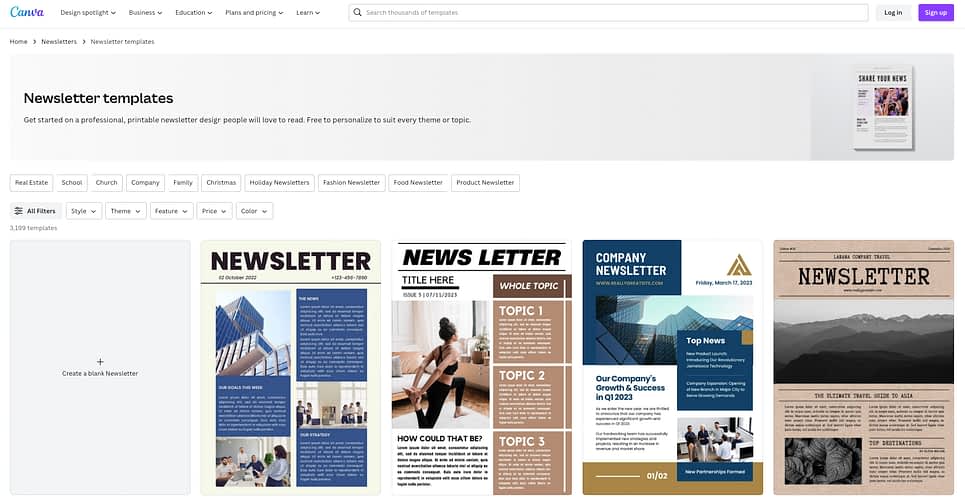
Designing reader-friendly layouts is key for successful email newsletters. A clear and simple design helps readers focus on your message. It also improves how readers interact with your content. Good layouts guide the eye and make reading easier.
Well-designed emails reduce confusion and keep readers engaged. They help your message stand out in crowded inboxes. Every element should work together to create a smooth reading experience.
Optimizing For Mobile Devices
Most people read emails on phones. Designs must fit small screens perfectly. Use a single column layout for easy scrolling. Make buttons large enough for tapping. Avoid tiny fonts and cramped text blocks. Test emails on different devices before sending.
Balancing Text And Visuals
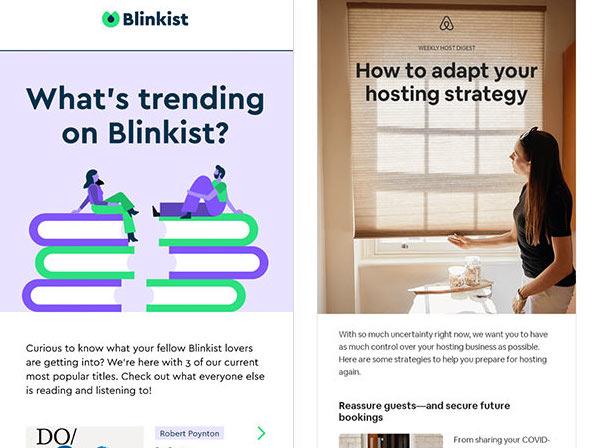
Mix text with images to keep interest high. Too much text looks boring and hard to read. Too many pictures slow loading and distract readers. Use images that support your message. Keep paragraphs short and clear. White space helps separate ideas and improves focus.
Incorporating Clear Calls To Action
Calls to action tell readers what to do next. Place them where readers can easily see. Use strong, simple words like ”Buy Now” or ”Learn More.” Buttons should stand out with color and size. Limit calls to action to avoid confusion. Make it easy for readers to click and respond.
Segmenting Your Audience Effectively
Segmenting your audience helps deliver the right message to the right people. It improves engagement and reduces unsubscribes. Dividing your list into smaller groups makes your emails more relevant. This leads to better open rates and click-throughs.
Behavior-based Segmentation
Group subscribers by how they act with your emails. Track opens, clicks, and purchases. Send special offers to frequent buyers. Re-engage those who stopped opening emails. Behavior shows interest and needs clearly.
Demographic Targeting
Use age, gender, location, or job to create segments. Different groups like different topics and styles. Tailor your message to fit these traits. This simple step makes emails feel personal and useful.
Tailoring Content For Segments
Customize email content for each group’s preferences. Use images and words that match their interests. Offer products or tips that solve their problems. Personalized emails build trust and encourage action.
Credit: www.canto.com
Timing And Frequency Tactics
Timing and frequency are key factors in email newsletter success. Sending emails at the right time helps more readers open and read your messages. Choosing how often to send newsletters keeps your audience interested without feeling overwhelmed. Finding the right balance takes effort and testing. Experimenting with different times and schedules can improve your results over time.
Choosing Optimal Send Times
Send your newsletter when readers are most likely to check their inbox. Early mornings and lunch breaks often work well. Weekdays usually get better open rates than weekends. Consider your audience’s habits and time zones. Avoid sending emails late at night or during busy hours. Use data from past campaigns to spot trends. Adjust send times based on those insights.
Determining Ideal Newsletter Frequency
Decide how often to send newsletters based on your content and audience. Weekly emails keep readers engaged without being too much. Bi-weekly or monthly newsletters suit less frequent updates. Too many emails can annoy subscribers and cause unsubscribes. Too few emails risk losing audience interest. Find a frequency that balances value and respect for your readers’ time.
Testing And Adjusting Schedules
Try different send times and frequencies to see what works best. Use A/B testing to compare results. Track open rates, click rates, and unsubscribes carefully. Note which times get the most engagement. Notice if frequency changes affect your audience’s response. Make small adjustments and monitor the impact. Keep testing regularly to improve over time.
Leveraging Analytics For Improvement
Using analytics helps improve your email newsletter. It shows what works and what does not. You can see how readers react to your emails. This lets you make smart changes to get better results.
Analytics give clear data on your newsletter’s performance. You learn which parts attract attention. Then, you can focus on those to keep readers interested.
Tracking Open And Click Rates
Open rates tell you how many people read your email. Click rates show how many click on links inside. Both numbers help measure interest and engagement. Low open rates mean subject lines may need work. Low click rates suggest content or links need change.
Analyzing Subscriber Behavior
Look at how subscribers act after opening emails. Notice which links they choose and how often they read. This helps understand their preferences and habits. Use this knowledge to send content that fits their needs better.
Implementing A/b Testing
A/B testing lets you try two versions of one email. Change one thing, like the subject or image. Send each version to a small group. See which one performs better. Then, send the best version to everyone. This method improves emails step by step.
Credit: wpshout.com
Building Strong Subscriber Relationships
Building strong subscriber relationships is key to a successful email newsletter. Loyal readers trust your messages and look forward to your emails. This trust turns subscribers into engaged followers. It also helps improve your email open rates and click-throughs.
Strong relationships make your audience feel valued. They want to interact and share their thoughts. This connection creates a positive experience that encourages long-term loyalty.
Encouraging Feedback And Interaction
Ask your subscribers simple questions. Invite them to reply or share opinions. Use polls or surveys to gather their ideas. Respond to their messages to show you care. This two-way communication builds trust fast. It helps you understand their needs better.
Offering Exclusive Content And Incentives
Give subscribers special content they cannot find elsewhere. Share early news, tips, or discounts. Make them feel part of a select group. Rewards and bonuses keep readers interested. They will wait eagerly for your next email.
Maintaining Consistent Branding
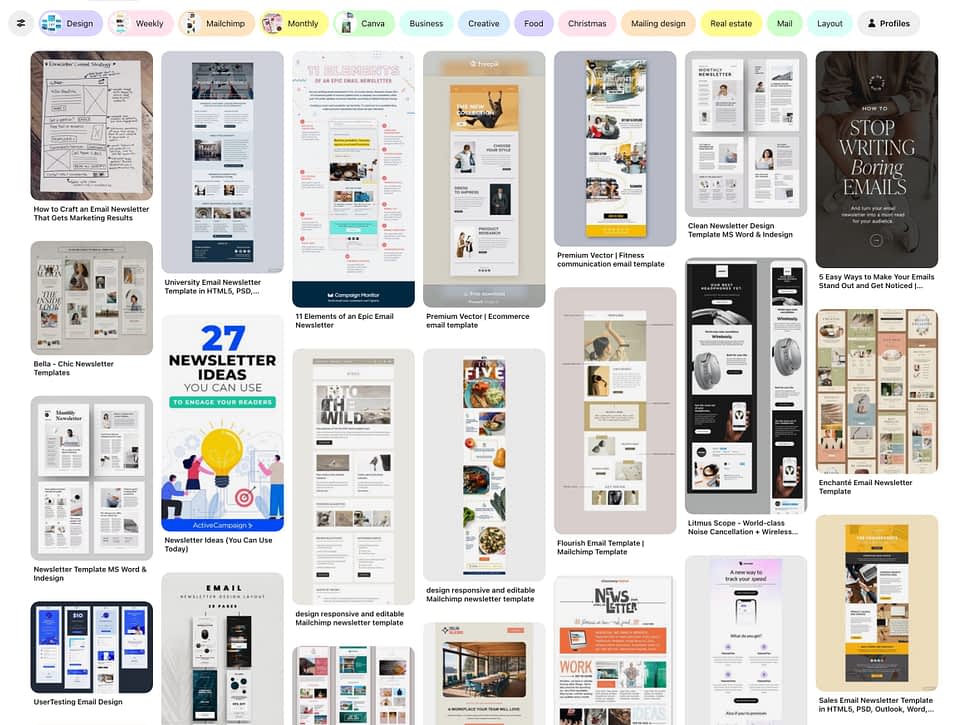
Keep your emails visually and tonally consistent. Use the same colors, fonts, and style as your brand. Clear and familiar design builds recognition. Consistency makes your newsletter look professional. It helps subscribers remember you easily.
Frequently Asked Questions
What Is An Email Newsletter And Why Use It?
An email newsletter is a regular email sent to subscribers with updates, news, or promotions. It helps build relationships, increase brand awareness, and drive website traffic effectively.
How Often Should I Send An Email Newsletter?
Sending frequency depends on your audience and content. Weekly or bi-weekly newsletters keep readers engaged without overwhelming them. Test and adjust based on response rates.
What Content Works Best In Email Newsletters?
Engaging content includes tips, industry news, exclusive offers, and personalized updates. Combining valuable information with a clear call-to-action improves reader interaction and loyalty.
How Can I Increase Email Newsletter Subscribers?
Use sign-up forms on your website, offer incentives like freebies, and promote on social media. Clear benefits and easy subscription boost subscriber growth.
Conclusion
Email newsletters help you stay connected with your audience. They share updates, news, and useful tips regularly. Writing clear and simple content keeps readers interested. Consistent emails build trust and encourage loyalty. Tracking results shows what your audience likes most.
Small changes can improve your email success over time. Keep your newsletters friendly and easy to read. This way, you create a strong bond with your readers. Start using email newsletters to grow your community today.