


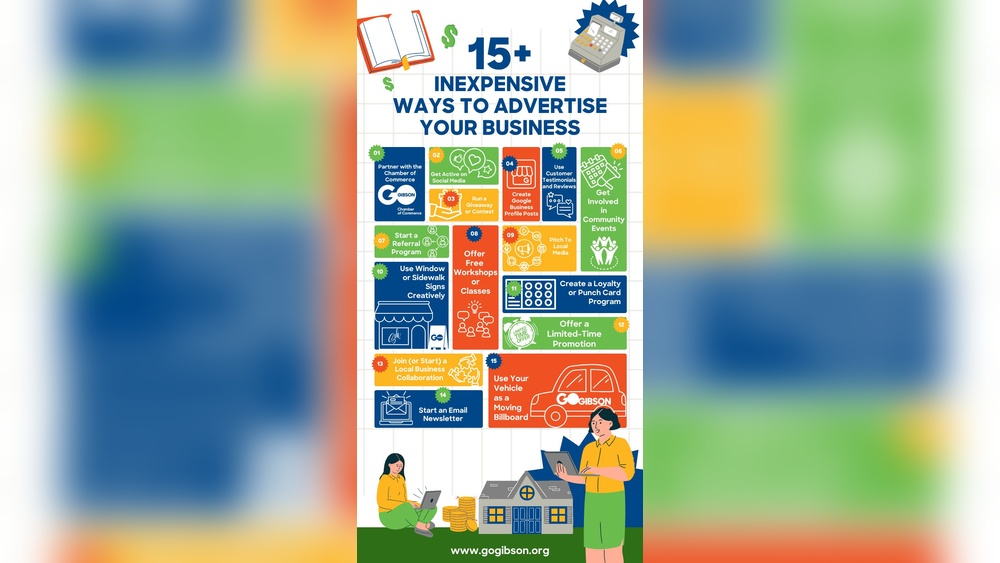
Looking to get your business noticed and attract more customers? Advertising is the key to making that happen.
But how do you advertise in a way that truly works? You want your message to stand out, grab attention, and make people want to take action. This guide will show you simple, effective ways to promote your business without wasting time or money.
Keep reading, and you’ll discover proven tips that can help your business grow faster than you imagined.

Credit: www.metroportchamber.org
Crafting Your Message
Crafting your message is key to effective advertising. A clear message helps your business stand out. It connects your products or services to the people who need them. Focus on what makes your business unique. Speak directly to your audience’s needs and desires. This section covers how to shape your message for best results.
Identifying Target Audience
Know who you want to reach. Think about their age, location, and interests. What problems do they face? What solutions does your business offer? The clearer you are, the better your message fits. Avoid broad groups. Narrow down to the most likely buyers.
Creating Compelling Content
Write content that grabs attention. Use simple words and short sentences. Show benefits, not just features. Tell stories that relate to your audience’s life. Use questions to spark interest. Make your message easy to remember and share.
Choosing The Right Tone
Match your tone to your audience and brand. Friendly and casual works for young buyers. Professional and polite suits corporate clients. Keep your tone consistent across all ads. It builds trust and makes your message stronger.
Selecting Advertising Channels
Selecting the right advertising channels is key to reaching your target audience effectively. Different channels offer unique ways to connect with customers. Choosing the best ones helps save money and increases your chances of success.
Consider your business type, budget, and audience habits. Some channels work well for certain products or services. Others fit better with specific age groups or locations. A mix of channels often works best.
Digital Platforms
Digital platforms include social media, search engines, and websites. They let you target specific groups based on interests and behavior. Ads on Facebook, Instagram, or Google reach people online quickly. You can track results easily and adjust campaigns fast. Digital ads also allow small budgets to compete with larger companies.
Traditional Media
Traditional media covers TV, radio, newspapers, and magazines. These channels still reach many people, especially local audiences. TV and radio ads build brand recognition fast. Print ads can target specific neighborhoods or industries. Traditional media suits businesses wanting broad exposure or older customers.
Influencer Partnerships
Influencer partnerships connect your brand with trusted voices. Influencers share your message with their followers. This builds trust and interest in your products. Choose influencers who match your brand values and audience. Partnerships can be cost-effective and create authentic content.
Budgeting For Ads
Budgeting for ads helps your business grow without spending too much. It guides how much money you put into advertising. Careful budgeting keeps your campaigns running longer and reaches the right people. Spend wisely to get the best results from your ads.
Allocating Funds Effectively
Start by setting a clear ad budget. Decide how much money you can spend each month. Split the budget between different platforms like social media and search engines. Put more money where your customers spend time. Track which ads bring the most clicks and focus there.
Measuring Return On Investment
Check how much money your ads make compared to what you spend. Use simple tools to track sales or leads from ads. If an ad costs less but brings many customers, it has a high return. Stop ads that waste money with few results. Measure often to keep your budget smart.
Adjusting Spend Based On Results
Change your ad budget depending on the results. Increase spending on ads that work well. Reduce or stop ads that do not bring customers. Test different ads to find the best ones. Keep adjusting to improve your ad performance and save money.
Optimizing Campaigns
Optimizing campaigns helps your business get better results from ads. It saves money and boosts returns. Careful adjustments improve how ads perform. Small changes can make a big difference.
Focus on data and test ideas. Watch how your audience reacts. Change what does not work and keep what does. This process is continuous and builds success over time.
A/b Testing Techniques
A/B testing compares two versions of an ad. Show version A to half your audience. Show version B to the other half. Check which version gets more clicks or sales. Use simple changes like headlines, images, or calls to action. Repeat tests to find the best ad version. This method reduces guesswork and improves ad quality.
Tracking Key Metrics
Track numbers that show ad success. Look at clicks, impressions, and conversions first. Measure cost per click and return on ad spend. Use tools like Google Analytics or ad platform dashboards. Regularly check these metrics to spot trends. Good tracking helps you spend money wisely and reach the right people.
Refining Strategies Over Time
Use data from tests and tracking to improve ads. Drop ads that perform poorly. Increase budget on ads that work well. Adjust targeting based on audience behavior. Update your message as market needs change. Keep testing new ideas and learning. This steady work grows your business steadily.
Leveraging Customer Feedback
Customer feedback is a powerful tool for advertising your business. It shows real experiences from real people. This builds credibility and helps attract new customers. Using feedback smartly can improve your ads and boost your brand’s reputation.
Gathering Reviews And Testimonials
Ask your customers to share their opinions after a purchase. Use simple surveys or direct requests via email. Offer easy ways to leave reviews on your website or social media. Collect both positive and honest feedback. Genuine testimonials help others trust your business.
Incorporating Feedback Into Ads
Use customer words in your ads to make them relatable. Highlight specific benefits mentioned in reviews. Show real stories or quotes in images and videos. This makes ads feel authentic and less like sales pitches. Real feedback grabs attention and connects with viewers.
Building Trust With Prospects
Sharing feedback openly shows transparency. It proves you value customer opinions and care about quality. Respond to both praise and complaints publicly. This shows you listen and improve your service. Trust grows when prospects see honest and active communication.

Credit: profitparrot.com
Utilizing Social Media
Social media is a powerful tool to advertise your business. It connects you with many people quickly. You can share your message, show your brand, and grow your audience. Using social media wisely helps build trust and interest in your products or services.
Engaging Content Creation
Create content that catches attention. Use clear images and short videos to explain your products. Write simple posts that solve problems or answer common questions. Keep your language easy and friendly. Content that helps or entertains people gets more likes and shares.
Paid Social Advertising
Paid ads on social media reach more people fast. Choose the right audience by location, age, or interests. Set a small budget to test what works best. Use strong pictures and clear calls to action. Ads help you find new customers outside your current followers.
Community Building
Build a community by talking with followers regularly. Reply to comments and messages quickly. Ask questions to start conversations. Encourage customers to share their experiences. A strong community creates loyal customers and free word-of-mouth promotion.
Exploring Local Advertising
Exploring local advertising helps your business reach nearby customers. It builds trust and brings real people through your door. Focus on places and methods your community uses every day. Local advertising feels personal and creates strong connections.
Community Events
Community events gather many local people in one place. Sponsor or join fairs, markets, or sports games. Set up a booth or hand out flyers. Show your brand with banners or branded items. Meet people face-to-face. This builds trust faster than online ads.
Local Partnerships
Partner with other local businesses. Cross-promote each other’s products or services. Share customer lists or offer joint discounts. Work with shops, cafes, or gyms nearby. Partnerships increase your exposure and build a strong network. People prefer businesses connected to their community.
Geo-targeted Ads
Geo-targeted ads reach people in specific locations. Use online tools like Google or Facebook ads. Set ads to show only in your city or neighborhood. This saves money and targets the right audience. These ads can promote sales, events, or new products. They bring local customers straight to you.

Credit: businessopportunity.com
Frequently Asked Questions
What Are The Best Ways To Advertise A Small Business?
The best ways include social media marketing, local SEO, email campaigns, and paid ads. Combining these methods boosts visibility. Focus on platforms where your audience is active. Consistent branding and clear messaging enhance results. Start with low-cost strategies and scale up gradually.
How Can I Advertise My Business On A Budget?
Use social media platforms, create engaging content, and optimize your website for SEO. Leverage free tools like Google My Business. Network locally and ask satisfied customers for referrals. Focus on organic growth before investing in paid ads. Budget-friendly ads on Facebook or Google also work well.
Why Is Digital Advertising Important For Businesses?
Digital advertising reaches a wider audience quickly and cost-effectively. It allows precise targeting by demographics and interests. Businesses can track performance in real-time, improving campaigns efficiently. It supports brand awareness and drives sales. Digital ads complement traditional marketing methods for better results.
How Do I Choose The Right Advertising Platform?
Identify where your target audience spends time online. Evaluate platforms like Facebook, Instagram, Google Ads, or LinkedIn based on your goals. Consider your budget and ad format options. Test different platforms with small campaigns. Analyze results to focus on the most effective channels.
Conclusion
Advertising your business takes clear steps and steady effort. Choose the right channels for your audience. Keep your message simple and focused. Track what works and adjust your plans. Stay consistent and patient with your approach. Small actions can bring good results over time.
Keep learning and trying new ideas. Success comes from doing the work every day. Your business will grow with smart advertising.