


If you want your website to reach people in different countries and languages, the hreflang tag is your secret weapon. It helps search engines show the right version of your page to the right audience.
Without it, your visitors might end up seeing content in the wrong language or location, which can hurt your traffic and sales. You’ll learn exactly how the hreflang tag works and how to use it to boost your site’s performance worldwide.
Keep reading—your global audience is waiting.
What Is Hreflang Tag
The hreflang tag is a small piece of code used in websites. It tells search engines about the language and region of a page. This helps websites show the right version to the right users. It improves user experience and search results.
Many websites serve visitors from different countries or languages. Without hreflang tags, search engines might show the wrong page. This can confuse users and hurt website traffic.
What Does Hreflang Tag Do?
The hreflang tag specifies the language and location for a webpage. It tells search engines which page to show for users in different areas. For example, a site can have pages in English for the US and Spanish for Spain. The tag helps search engines know this difference.
How Is Hreflang Tag Added?
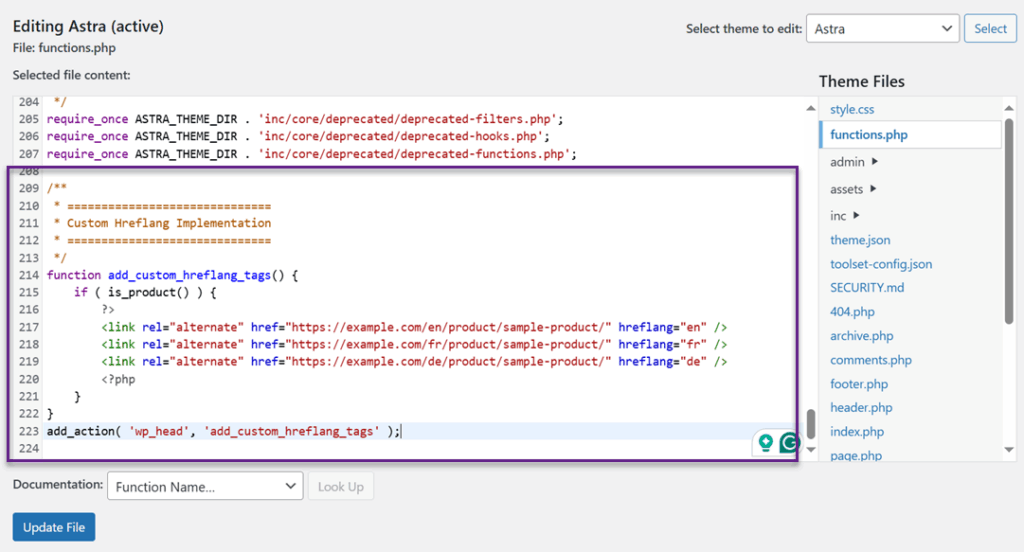
The hreflang tag is added in the HTML of a webpage. It is placed in the section or in the sitemap. The tag looks like this: . This code says the page is for English speakers in the US.
Why Is Hreflang Important?
The hreflang tag prevents duplicate content issues. It helps search engines avoid showing the same content in different languages. This improves SEO and increases relevant traffic. Users get pages in their language and region. This lowers bounce rates and raises engagement.
Credit: geotargetly.com
Why Hreflang Matters For Seo
Hreflang tags help search engines show the right page to the right users. They tell Google which language or region a page targets. This improves user experience by giving visitors content they understand.
Without hreflang, Google might show the wrong page to users. This can cause confusion and higher bounce rates. Correct hreflang use helps avoid duplicate content issues across different regions and languages.
Improves User Experience
Users see content in their language or region. This makes your site easier to use and understand. People stay longer and interact more with your site.
Prevents Duplicate Content Problems
Google may treat similar pages as duplicates. Hreflang tells search engines these pages are for different users. This prevents penalties and ranking drops.
Boosts Local Search Rankings
Search engines rank pages based on user location. Hreflang helps your site appear in local search results. It increases traffic from the right countries.
Enhances Global Seo Strategy
Using hreflang is key for international sites. It ensures your content reaches the right audience worldwide. It supports growth in new markets effectively.
How Hreflang Improves User Experience
Hreflang tags help websites show the right language and region to users. They improve user experience by guiding search engines to display the correct page version. This reduces confusion and keeps visitors engaged.
Users see content in their language or local version automatically. This makes the website feel more personal and easier to use. It also lowers bounce rates as visitors find what they expect.
How Hreflang Matches Language Preferences
Hreflang tells search engines which language version to show. Visitors get pages in their own language without extra clicks. This saves time and improves satisfaction.
How Hreflang Prevents Duplicate Content Issues
Without hreflang, search engines may show wrong or duplicate pages. This confuses users and harms site ranking. Hreflang guides them to the right page, keeping content clear.
How Hreflang Supports Localized Content
Different countries want different content, even if language is the same. Hreflang helps deliver local deals, prices, and offers. This matches user expectations and increases trust.
Common Hreflang Implementation Methods
Using hreflang tags correctly helps search engines show the right language or regional page. There are three main ways to add hreflang tags to your website. Each method fits different setups and needs. Choose the best one for your site to improve user experience and SEO.
Html Link Elements
This method places hreflang tags inside the HTML head section of each page. You add link elements with hreflang attributes pointing to alternate language versions. It is easy to update and works well for small to medium sites. Search engines read these tags directly from the page code.
Http Headers
Hreflang tags can also be sent via HTTP headers. This method suits files that are not HTML, like PDFs or images. The server sends the hreflang information before the content loads. It requires server access and some technical knowledge to set up correctly.
Xml Sitemaps
Adding hreflang tags in XML sitemaps helps manage many language versions. You list URLs and their hreflang attributes in the sitemap file. This method is good for large websites with many pages. Search engines find the hreflang info when they crawl the sitemap.
Best Practices For Hreflang Setup
Setting up hreflang tags correctly helps search engines show the right content to users. It improves user experience and boosts your site’s visibility in different languages and regions. Using best practices ensures hreflang tags work well without causing errors or confusion.
Correct Language Codes
Use standard language codes based on ISO 639-1. For example, ”en” stands for English, ”fr” for French, and ”es” for Spanish. Avoid incorrect or custom codes that search engines won’t recognize. Use lowercase letters and avoid spaces or special characters. Accurate codes help search engines understand which language version to show.
Regional Targeting Tips
Combine language codes with country codes for regional targeting. For instance, use ”en-us” for English in the United States and ”en-gb” for English in the United Kingdom. This helps tailor content to local users and avoids mixing audiences. Use ISO 3166-1 Alpha 2 country codes. Proper regional targeting improves local search results and user relevance.
Avoiding Common Errors
Check for consistent hreflang tags on all page versions. Each page must reference itself and others correctly. Avoid missing tags or mismatched URLs. Do not use hreflang tags on redirects or non-canonical URLs. Fix broken links and avoid duplicate hreflang tags. These mistakes cause indexing problems and reduce tag effectiveness.
Tools To Test And Validate Hreflang
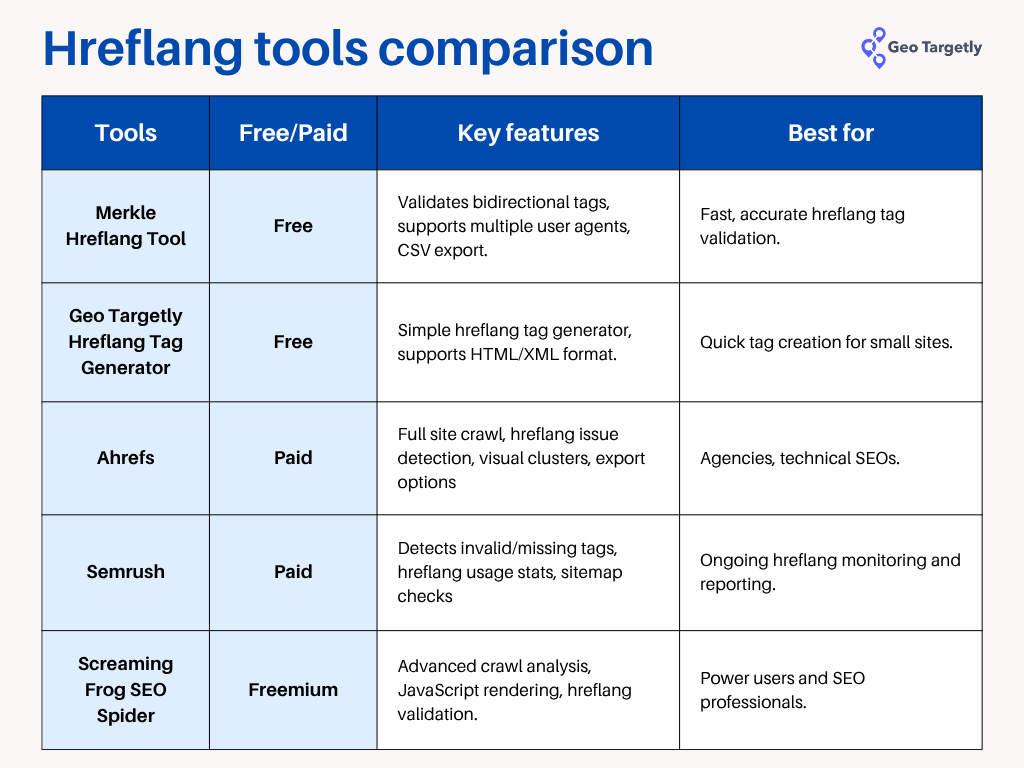
Testing and validating hreflang tags is important for international SEO. These tags tell search engines about language and regional targeting. Errors can cause wrong pages to show in search results. Using the right tools helps find and fix hreflang mistakes quickly. This keeps your website visible in the correct countries and languages.
Google Search Console
Google Search Console shows hreflang errors on your site. It reports common problems like missing return tags or wrong codes. The tool is free and easy to use. Just check the International Targeting report to see hreflang status. It helps keep your tags accurate and search-friendly.
Ahrefs Site Audit
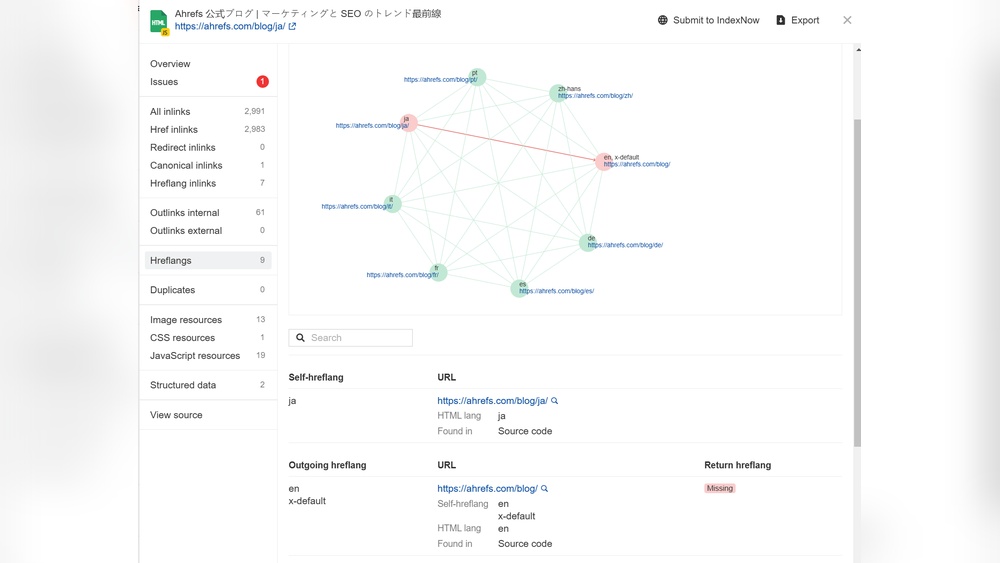
Ahrefs Site Audit scans your website for hreflang issues. It checks for broken links and mismatched tags. The tool gives a clear list of problems. You get suggestions on how to fix each error. This tool suits those who want detailed SEO insights.
Screaming Frog Seo Spider
Screaming Frog SEO Spider crawls your website and extracts hreflang tags. It shows tag relationships and errors in one place. The free version works well for small sites. The paid version offers deeper analysis. This tool is useful for technical SEO checks.
Hreflang Tag Checker By Merkle
Merkle’s Hreflang Tag Checker is a simple online tool. It scans any URL to find hreflang errors. The tool highlights missing tags and wrong codes. It is great for quick checks without installing software. Use it to verify tags before publishing new pages.
Troubleshooting Hreflang Issues
Troubleshooting hreflang issues helps websites reach the right audience. Incorrect hreflang tags can confuse search engines. This causes wrong language or region pages to show in results. Fixing these problems improves user experience and boosts SEO.
Many common hreflang mistakes are easy to spot. Understanding these errors saves time and effort. The following sections explain key issues and how to fix them.
Incorrect Language Or Region Codes
Hreflang tags require precise language and region codes. Codes must follow the ISO 639-1 and ISO 3166-1 standards. Wrong codes make search engines ignore the tags. Double-check codes for accuracy. Use two-letter language codes and region codes if needed.
Missing Return Links
Each hreflang tag needs a return link. This means if page A points to page B, page B must point back. Missing return links cause indexing problems. Always include reciprocal hreflang tags between related pages.
Conflicting Or Duplicate Tags
Duplicate hreflang tags confuse search engines. Multiple tags with the same language-region pair on one page cause issues. Remove duplicates to avoid conflicts. Keep hreflang tags unique and consistent.
Incorrect Implementation Method
Hreflang tags can be placed in HTML headers, sitemaps, or HTTP headers. Mixing methods on the same page leads to errors. Choose one method and use it consistently. Check for syntax errors in the chosen format.
Url Mismatches In Hreflang Tags
URLs in hreflang tags must match exactly. Differences in trailing slashes or protocols cause errors. Use absolute URLs and keep them consistent. Verify all URLs are live and accessible.
Credit: www.linguise.com
Case Studies: Seo Success With Hreflang
Case studies show how the hreflang tag helps websites reach global audiences. It guides search engines to show the right language or regional page. This reduces duplicate content issues and improves user experience.
Many businesses saw clear SEO benefits after adding hreflang tags. They gained more relevant traffic and better rankings in local search results.
Case Study 1: E-commerce Site Boosts International Sales
An online store added hreflang tags for English, Spanish, and French versions. Search engines displayed pages based on the user’s location. The site saw a 30% increase in traffic from targeted countries. Sales rose as customers found products in their language.
Case Study 2: Travel Blog Improves User Engagement
A travel blog used hreflang to serve content in multiple languages. Visitors stayed longer and read more articles. Bounce rates dropped by 25%. The blog ranked higher in country-specific search results.
Case Study 3: News Website Reduces Duplicate Content
A news site published regional versions of the same articles. Hreflang tags helped search engines pick the right version. This stopped duplicate content penalties. Organic traffic increased by 20% in several countries.
Future Trends In Multilingual Seo
Multilingual SEO is evolving fast. Websites must adapt to reach global audiences. The hreflang tag plays a key role in this change.
New trends in hreflang usage help websites rank better in different languages. Staying updated with these trends is vital for SEO success.
Improved Hreflang Implementation Tools
New tools make adding hreflang tags easier and more accurate. They reduce errors that cause wrong language pages to show up. These tools help manage large websites with many languages.
Integration With Ai And Machine Learning
AI helps detect the best language and region for each user. It can suggest hreflang tags automatically. Machine learning improves over time to boost SEO results.
Focus On User Intent And Context
Search engines now understand more about user intent. Hreflang tags will work with signals like location and device. This ensures users see the right content faster.
Support For More Languages And Variants
Websites target more languages and regional dialects. Hreflang tags must cover these variations to avoid duplicate content issues. This trend helps reach niche audiences effectively.
Better Handling Of Dynamic And Personalized Content
Dynamic websites show content based on user data. Hreflang tags are adapting to work with this type of content. This keeps multilingual SEO effective on modern sites.
Credit: www.wpbeginner.com
Frequently Asked Questions
What Is An Hreflang Tag In Seo?
An hreflang tag tells search engines the language and region of a webpage. It helps deliver the right content to users based on their location and language preferences, improving user experience and reducing duplicate content issues.
How Does Hreflang Tag Improve Website Ranking?
Hreflang tags improve rankings by targeting the correct audience for each language or region. This boosts relevance in search results, increases user engagement, and lowers bounce rates, which positively impacts SEO performance.
Where Should I Place Hreflang Tags On My Site?
Hreflang tags should be placed in the HTML header of each webpage or in the sitemap file. Consistency across all language versions is essential to ensure search engines correctly interpret your regional targeting.
Can Hreflang Tags Prevent Duplicate Content Issues?
Yes, hreflang tags signal search engines about alternate language versions, reducing duplicate content penalties. They clarify which version to show in specific regions, helping maintain SEO value and avoid content cannibalization.
Conclusion
Using hreflang tags helps search engines show the right language version. It improves user experience and site traffic from different countries. Always check your tags for errors to avoid confusion. Keep your hreflang tags clear and consistent. This small step can make a big difference in global SEO.
Make your site easier to find and understand for visitors worldwide. Simple and correct use of hreflang tags supports better search results. A well-implemented hreflang tag strategy benefits both users and your website.