


Are you curious about how influencer marketing can boost your brand’s success? Understanding the latest influencer marketing stats can give you a clear edge.
These numbers reveal what works, what doesn’t, and how you can make smarter decisions. By the end of this article, you’ll know exactly where to focus your energy and budget to get the best results. Ready to unlock powerful insights that can transform your marketing strategy?
Keep reading!
Influencer Marketing Growth
Influencer marketing has grown quickly in recent years. Brands spend more on influencers to reach customers. This marketing method connects products with real people. It builds trust and drives sales. Growth shows no signs of slowing down. The industry keeps expanding across different platforms and niches.
Market Size Projections
The influencer marketing market size was valued at $13.8 billion in 2021. Experts predict it will reach $22.3 billion by 2025. Growth is fueled by more businesses investing in social media ads. Small and large companies both use influencers to promote products. The return on investment makes influencer marketing attractive to brands.
Spending increases each year as brands see positive results. Influencers help businesses target specific groups easily. Markets in North America and Asia show the fastest growth. Expect the market to continue expanding globally over the next years.
Platform Popularity Shifts
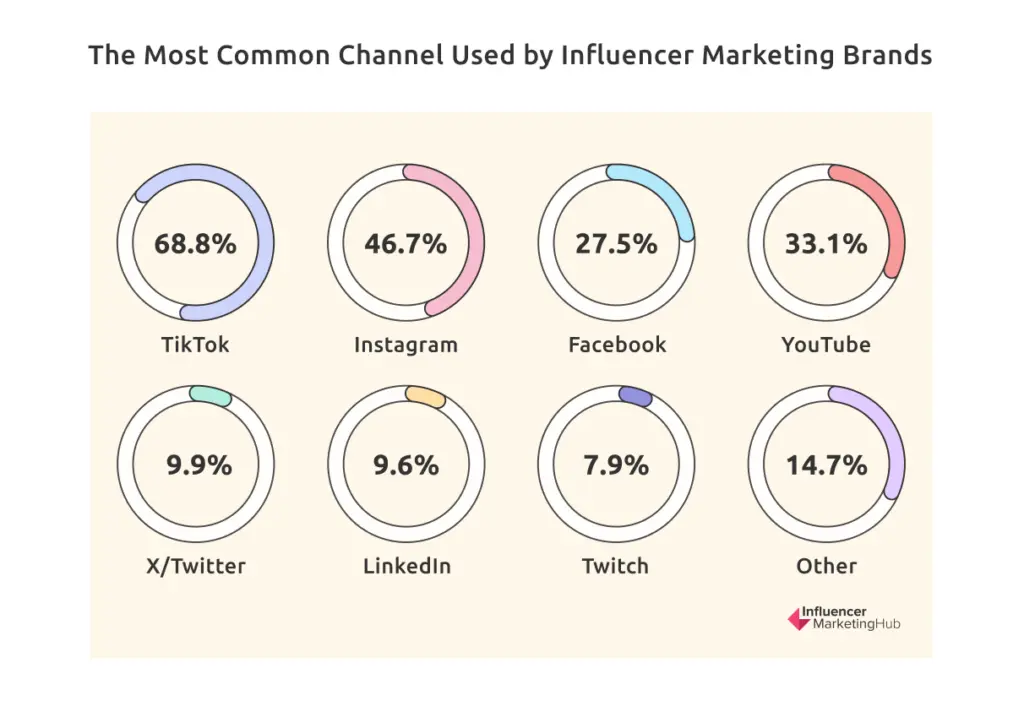
Instagram remains a top choice for influencer marketing. Its visual format suits fashion, beauty, and lifestyle brands well. TikTok’s rapid rise changed the influencer scene. Short videos engage younger audiences fast. Many brands now add TikTok to their marketing mix.
YouTube stays strong for long-form content and tutorials. Facebook and Twitter see less influencer activity but still matter. New platforms may emerge, shifting where influencers work. Marketers must watch these trends to stay effective.
Audience Engagement Patterns
Audience engagement patterns reveal how people interact with influencer content. These patterns help brands understand what works best. Analyzing engagement shows which content grabs attention and keeps viewers interested. It also highlights who interacts most with the posts. Knowing these details improves marketing strategies and boosts results.
Content Types Driving Interaction
Videos lead in driving audience interaction. Short clips attract quick views and shares. Photos with clear messages receive many likes and comments. Stories create a sense of urgency and real-time connection. Polls and quizzes invite direct participation. Each content type has unique strengths. Mixing them keeps the audience engaged and curious.
Demographic Insights
Young adults aged 18-34 show the highest engagement rates. Women tend to interact more with lifestyle and beauty content. Men prefer tech and sports posts. Urban followers engage more than those in rural areas. These patterns guide brands to tailor their messages. Targeted content connects better and gets more response.
Roi And Budget Trends
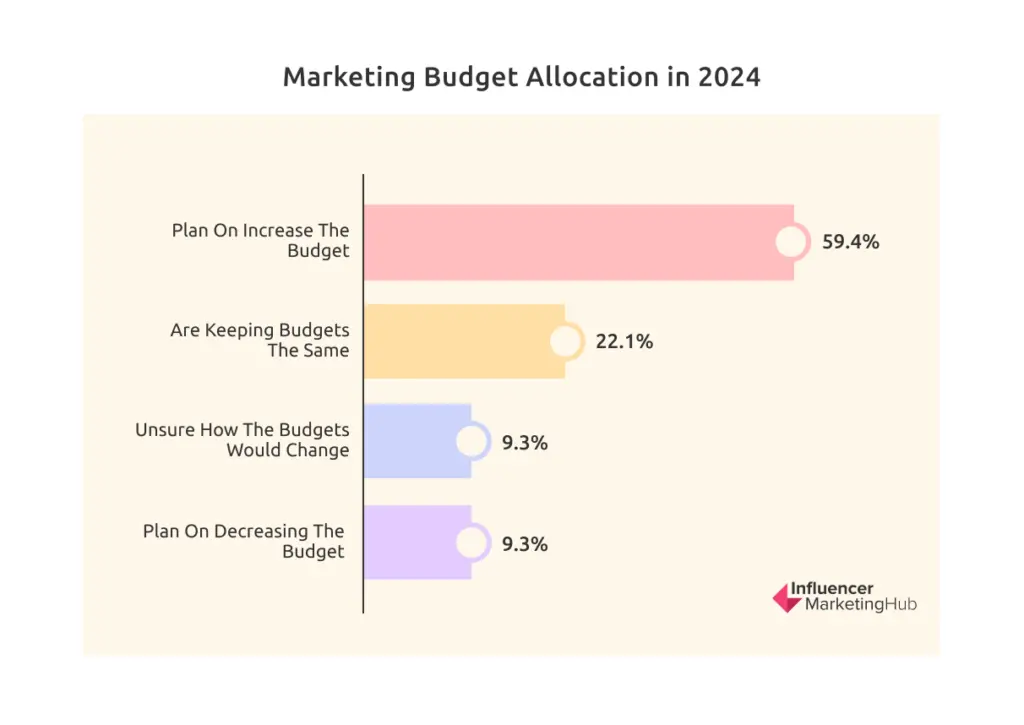
Influencer marketing budgets have grown steadily over the past few years. Marketers focus more on return on investment (ROI) to justify spending. Tracking ROI helps brands decide how much to invest and which strategies work best.
Understanding budget trends reveals which industries spend the most. It also shows how companies measure success. These insights guide smarter spending and better campaign results.
Average Spend Across Industries
Fashion and beauty brands lead in influencer marketing budgets. They often spend over $50,000 annually on campaigns. Tech and automotive industries spend less but increase budgets yearly. Food and beverage companies allocate moderate funds with steady growth.
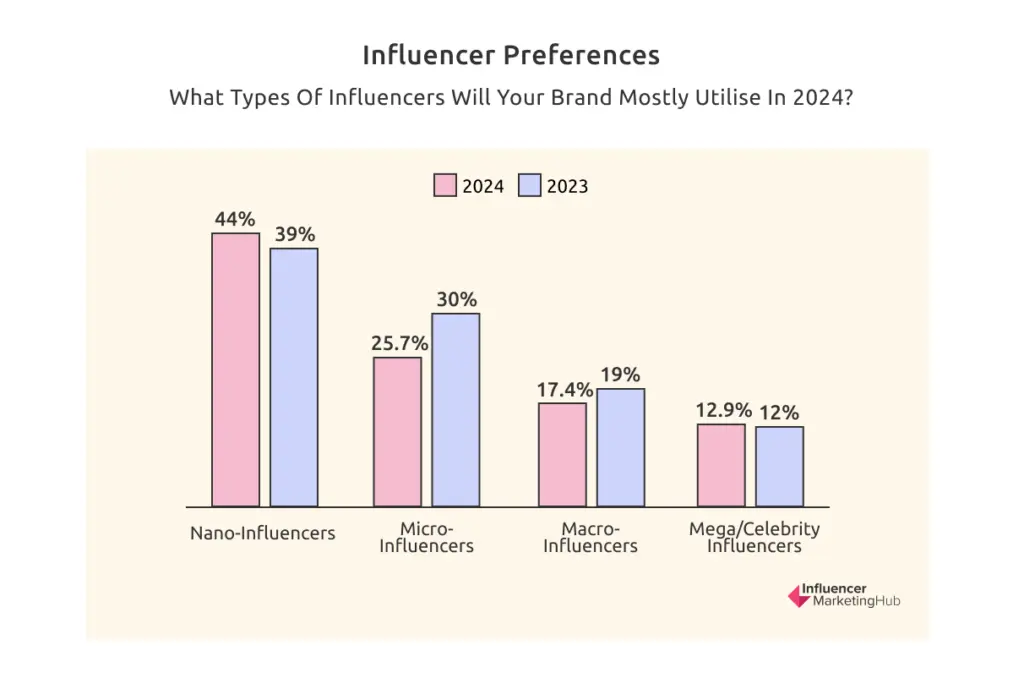
Small businesses usually spend under $10,000. Larger companies may invest millions. Budgets vary based on campaign goals and audience size. Many brands increase spend on micro-influencers for better engagement.
Performance Metrics That Matter
Engagement rate remains the top metric to measure success. Likes, comments, and shares show audience interest. Click-through rate helps track website traffic from influencer posts.
Conversion rate shows how many followers buy products. Cost per acquisition (CPA) measures campaign efficiency. Brands use these metrics to improve future campaigns and budget allocation.
Credit: influencermarketinghub.com
Top Influencer Categories
Influencer marketing covers many types of creators. Brands choose influencers based on their audience size and content style. Knowing the top influencer categories helps marketers pick the right partner. Different influencers bring unique benefits to campaigns.
Some influencers have a large, broad audience. Others serve a small but loyal group. Both types play important roles in marketing strategies. Let’s explore the key categories in influencer marketing.
Niche Vs. Macro Influencers
Niche influencers focus on specific topics or industries. Their followers trust their opinions on those subjects. These influencers have smaller but very engaged audiences. Brands use them to reach targeted groups with clear interests.
Macro influencers have large followings, often over 100,000 fans. They cover broader topics and attract diverse audiences. Their reach helps brands gain wide exposure quickly. Though engagement can be lower, volume often makes up for it.
Choosing between niche and macro influencers depends on campaign goals. Targeted sales or awareness fits niche creators well. Big brand messages suit macro influencers better. Both bring value in different ways.
Emerging Content Creators
New influencers are gaining ground fast. These creators build fresh, authentic content that connects well with followers. Their audiences trust their honest, relatable style.
Brands benefit from working with emerging creators. They offer lower costs and high engagement rates. These influencers often experiment with new platforms and formats. This keeps campaigns fresh and relevant.
Supporting new talent helps brands stay ahead in a crowded market. It also builds long-term partnerships with growing creators. Emerging content creators are a key part of influencer marketing’s future.
Consumer Trust And Behavior
Consumer trust shapes how people react to influencer marketing. Trust affects choices and brand opinions. Many buyers depend on honest reviews from influencers. This trust guides their shopping decisions.
Behavior changes based on how real and honest influencers seem. Consumers prefer influencers who share true experiences. This connection builds loyalty and encourages product trials. Understanding these patterns helps brands create better campaigns.
Authenticity Impact
Authenticity plays a key role in consumer trust. Studies show 90% of buyers say honesty matters most. Real stories and true opinions make followers listen. Fake or forced promotions cause doubt and lose interest. Authentic influencers keep their audience engaged and faithful.
Purchase Influence Rates
Influencer marketing drives many purchases today. Around 70% of consumers buy products based on influencer recommendations. Trust in influencers leads to faster buying decisions. People feel confident buying from brands their favorite influencers use. This shows influencer marketing’s strong effect on sales.
Credit: influencermarketinghub.com
Technology’s Role
Technology shapes how influencer marketing works today. It helps brands find the right influencers faster. It also makes tracking campaign success easier and more accurate.
With better tools, marketers can understand their audience and measure results clearly. Technology removes many manual tasks, saving time and effort.
Ai And Analytics Tools
AI tools analyze data from social platforms quickly. They identify top influencers by audience, engagement, and content type. Marketers use these insights to choose influencers who match their brand.
Analytics tools track campaign progress in real-time. They show which posts get the most views and clicks. This helps marketers adjust strategies to improve results.
Automation In Campaigns
Automation handles repetitive tasks like scheduling posts and sending messages. This keeps campaigns running smoothly without constant manual work.
It also manages influencer payments and reporting automatically. Brands save time and reduce errors through automation.
With automated workflows, campaigns launch faster and stay organized. Teams can focus more on creative work and less on administration.
Regulatory Changes
Influencer marketing is growing fast. More brands use influencers to reach customers. With this growth, rules about advertising have changed. These rules protect buyers and keep marketing honest. Brands and influencers must follow these new laws carefully. Understanding these changes is important for success.
Disclosure Requirements
Influencers must tell their audience about paid promotions. Clear and simple statements are needed. Words like ”ad,” ”sponsored,” or ”partner” must be visible. Hiding ads in posts can cause problems. Transparency builds trust between influencers and followers. Rules vary by country but all focus on honesty.
Compliance Best Practices
Follow the rules to avoid fines or damage to reputation. Always use clear disclosure in every sponsored post. Keep records of agreements with brands and campaigns. Review content carefully before posting. Educate influencers about legal requirements. Brands should monitor influencer activity to ensure compliance.
Credit: influencermarketinghub.com
Frequently Asked Questions
What Are The Key Influencer Marketing Statistics?
Influencer marketing drives 16 times more ROI than traditional ads. 89% of marketers find it effective. Instagram leads as the top platform for influencer campaigns. Micro-influencers generate higher engagement rates, boosting brand trust and conversions.
How Much Do Brands Spend On Influencer Marketing?
Brands globally spent over $16 billion on influencer marketing in 2022. This budget is expected to grow 15% annually. Increasing digital consumption and social media popularity fuel this spending trend across industries.
Which Platforms Dominate Influencer Marketing?
Instagram remains the dominant platform with 79% of influencer campaigns. TikTok and YouTube are rapidly growing due to video content popularity. Facebook and Twitter maintain niche roles in influencer collaborations.
What Types Of Influencers Yield Best Results?
Micro-influencers (10K-100K followers) deliver 60% higher engagement than mega influencers. They offer niche audiences and authentic connections. Brands prefer them for cost-effective, targeted campaigns with measurable impact.
Conclusion
Influencer marketing shows strong results for many brands today. People trust influencers more than traditional ads. Stats prove that influencer campaigns often bring higher engagement. Small businesses and big companies both benefit from this strategy. Choosing the right influencer matters a lot for success.
Tracking performance helps improve future marketing efforts. Staying updated with trends keeps campaigns fresh and effective. Influencer marketing remains a valuable tool in the digital world. The numbers speak clearly—this approach works well.