
If you want your website to rank higher on search engines, understanding JavaScript SEO is a game changer. You might think search engines struggle with JavaScript, but with the right approach, you can make your content shine.
Imagine reaching more people just by tweaking how your site uses JavaScript. This article will show you simple, effective ways to improve your SEO, so your site gets noticed. Keep reading to discover how you can unlock the full potential of your JavaScript-powered website.

Credit: www.impressiondigital.com
Why Javascript Seo Matters
JavaScript is a key part of many modern websites. It helps create interactive and dynamic content. But search engines do not always see JavaScript like humans do. This can cause problems for your site’s SEO. Understanding why JavaScript SEO matters is important for better visibility online.
Search engines use bots to read website content. These bots sometimes struggle to read JavaScript properly. If they cannot see your content, your site may rank lower. This means fewer people will find your site in search results.
Impact On Search Rankings
Search engines value clear and accessible content. JavaScript can hide content from bots. If key information is loaded by JavaScript, bots might miss it. This lowers your chances of ranking high. Sites with well-optimized JavaScript often rank better. Proper SEO helps bots understand and index your content fully.
Common Seo Challenges With Javascript
JavaScript can delay content loading. Bots may not wait for it to appear. This means important text or links might be skipped. Some JavaScript frameworks create pages that bots find hard to read. Duplicate content issues can also arise from dynamic JavaScript. Fixing these challenges improves search engine understanding and site ranking.
Credit: developers.google.com
How Search Engines Handle Javascript
Search engines have grown smarter in handling JavaScript. Many websites use JavaScript to create dynamic content. But search engines need to understand this content well. This process affects how your site appears in search results. Knowing how search engines handle JavaScript helps improve SEO.
Rendering Process Explained
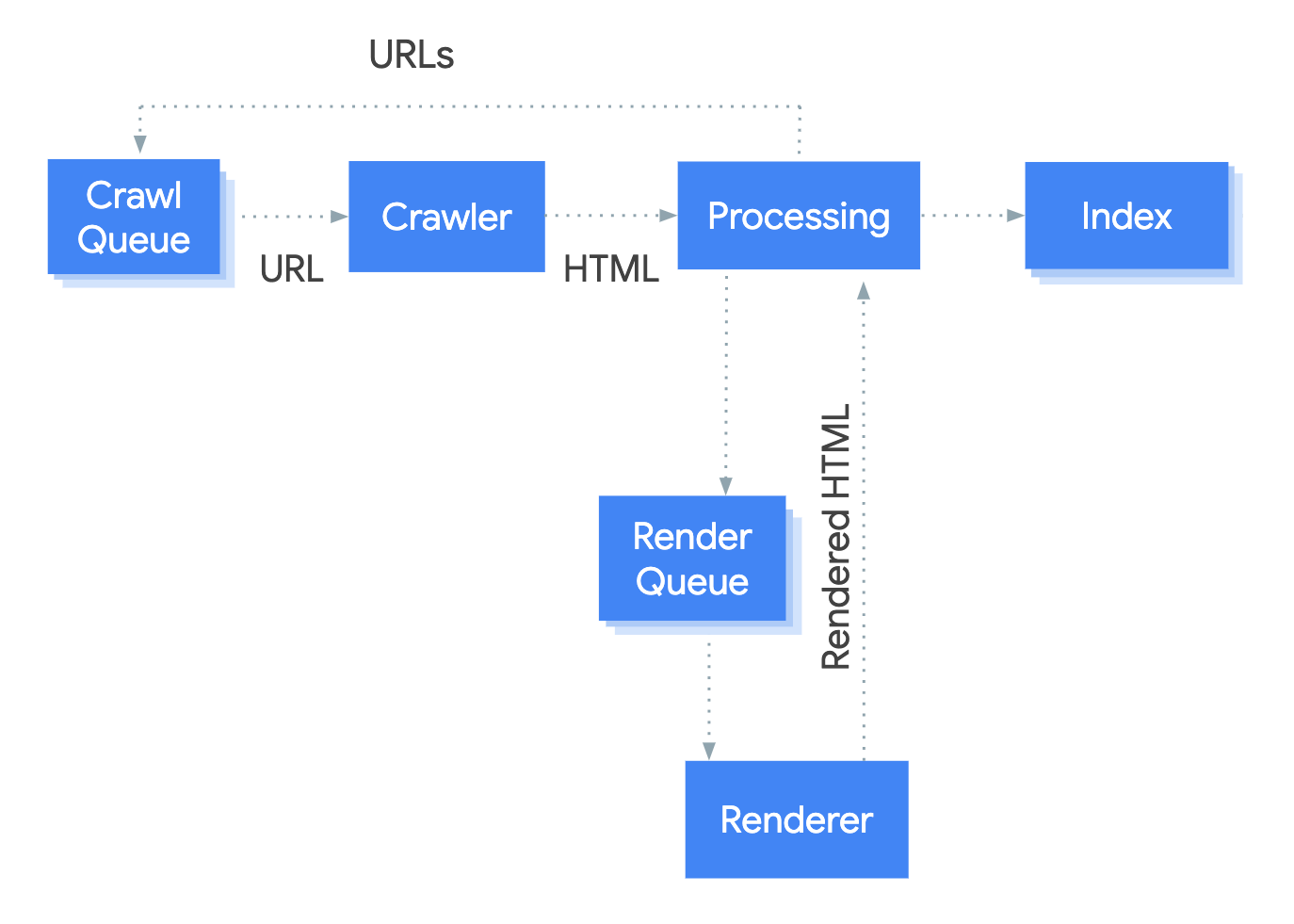
Search engines do not see JavaScript like browsers do. They first fetch the page’s HTML code. Then, they run the JavaScript to load extra content. This step is called rendering. Rendering takes more time than just reading HTML. Some search engines use a two-wave approach. First, they index the basic HTML. Later, they render JavaScript to see added content. This delay can affect how quickly new content is found.
Crawling And Indexing Javascript Content
Crawling means visiting a page to read its content. Indexing means storing the content for search results. Search engines can crawl JavaScript, but it is harder than plain HTML. Some scripts block crawling if not set properly. Important content loaded by JavaScript must be accessible to crawlers. Using simple, clean code helps search engines read your site. Tools like Google Search Console can test how Google views JavaScript. Fixing issues ensures better crawling and indexing of your content.
Best Practices For Javascript Seo
JavaScript SEO is important for websites that rely on JavaScript to load content. Search engines need to read this content properly. Using the right methods helps search engines index pages correctly. This improves visibility and traffic from search results.
Some techniques help make JavaScript content more accessible. These include rendering content on the server, dynamic rendering, and using tools to pre-render pages. Each method has its use and benefits.
Server-side Rendering (ssr)
Server-Side Rendering means generating the full HTML on the server. The browser gets a complete page ready to display. Search engines can easily read this content. SSR reduces the time it takes for content to appear on the screen. This improves user experience and SEO.
With SSR, the server does most of the work. This helps sites with heavy JavaScript run faster. Search engines see fully loaded pages without waiting for scripts.
Dynamic Rendering Techniques
Dynamic rendering changes content based on the user agent. Bots get a static HTML version. Users get the full JavaScript experience. This method helps when bots struggle with JavaScript.
Dynamic rendering keeps content consistent for both users and search engines. It avoids issues caused by JavaScript errors during crawling. This method fits well for complex, interactive sites.
Using Prerendering Tools
Prerendering tools create static HTML snapshots of pages. These snapshots serve to search engines. It works best for pages that do not change often.
Prerendering reduces server load compared to SSR. It also improves crawlability of JavaScript-heavy sites. Tools like Puppeteer and Rendertron help automate this process. This method ensures search engines see the full content fast.
Optimizing Javascript For Performance
Optimizing JavaScript for performance is key to fast websites. Slow scripts can delay page loading and hurt user experience. Efficient JavaScript helps pages load quickly and run smoothly. It also improves SEO by making content accessible to search engines. Focus on reducing load times, managing script size, and fixing errors for better results.
Minimizing Load Times
Load times affect how users see your site. Smaller JavaScript files load faster. Compress scripts using tools like gzip. Remove unused code to reduce file size. Place scripts at the bottom or use async to avoid blocking content. Fast loading keeps users engaged and improves search rankings.
Code Splitting And Lazy Loading
Split large scripts into smaller parts. Load only what users need first. Lazy loading delays loading offscreen scripts. This saves bandwidth and speeds up the initial load. It helps pages become interactive sooner. Use dynamic imports or libraries that support splitting and lazy loading.
Reducing Javascript Errors
Errors slow down or break your website. Test scripts in different browsers to find issues. Use debugging tools to fix problems quickly. Clean, error-free code runs better and improves SEO. Regularly update libraries and dependencies to avoid conflicts. Reliable scripts create a smoother user experience.
Enhancing Content Accessibility
Enhancing content accessibility in JavaScript SEO is crucial for better search engine results. Search engines must read and understand your content easily. JavaScript can sometimes hide content from search engines if not handled properly.
Making content accessible means ensuring search engines see the same information as users. It helps improve rankings and user experience. Here are key ways to enhance content accessibility with JavaScript SEO.
Ensuring Indexable Content
Search engines need to index the content on your pages. JavaScript can delay or hide content loading. Use server-side rendering or pre-rendering to show content early. This lets search engines read your main content quickly. Avoid loading essential text only after user actions. Visible and indexable content boosts your SEO value.
Handling Client-side Navigation
Single-page apps often use client-side navigation. This can confuse search engines if URLs do not change. Use the History API to update URLs properly. Each page state should have a unique URL. It allows search engines to crawl all content easily. Make sure navigation works without JavaScript too. This ensures both users and bots can access your site fully.
Managing Meta Tags And Structured Data
Meta tags and structured data help search engines understand your pages. JavaScript can update these tags dynamically. Use tools to update meta titles and descriptions on each page. Include structured data like schema.org to improve rich results. Ensure these elements load fast and correctly. Proper meta and structured data improve visibility and click rates.
Testing And Monitoring Javascript Seo
Testing and monitoring JavaScript SEO is vital for website success. JavaScript can create rich content but also cause SEO issues. Search engines may struggle to read or index JavaScript content correctly. Regular checks help ensure your content is visible and ranks well.
Monitoring JavaScript SEO lets you fix problems fast. It helps keep your site healthy and search-friendly. Using the right tools and methods makes this process easier and more effective.
Using Seo Audit Tools
SEO audit tools scan your website for JavaScript issues. They find problems like slow loading or hidden content. Tools like Google Search Console, Screaming Frog, and Lighthouse help. These tools give clear reports and tips to improve your site’s SEO.
Checking Rendered Content
Rendered content shows what search engines see after JavaScript runs. It is different from the raw HTML code. Use tools like Google’s URL Inspection to view rendered content. This check confirms if important content loads correctly for search engines.
Monitoring Crawl Errors
Crawl errors happen when search engines can’t access your pages. JavaScript can cause these errors if it blocks content or links. Regularly check crawl reports in Google Search Console. Fix errors quickly to keep your site easy to crawl and index.
Advanced Techniques For Javascript Seo
Advanced JavaScript SEO techniques help search engines read and rank dynamic content. These methods improve site visibility and user experience. JavaScript-powered websites can face indexing challenges. Using smart strategies ensures better crawling and indexing by search engines.
Progressive Web Apps (pwas)
PWAs combine the best of websites and apps. They load fast and work offline. Google can index content in PWAs if set up correctly. Server-side rendering helps search engines see content quickly. Use service workers carefully to avoid blocking crawlers. Proper metadata and sitemaps guide search bots through your PWA.
Leveraging Apis For Seo
APIs deliver content dynamically to your site. Use APIs to fetch fresh, relevant data for users and search engines. Render critical content on the server before sending it to the browser. This method helps search engines index your content fully. Avoid hiding important information behind complex API calls that search bots can’t reach.
Integrating With Seo Frameworks
SEO frameworks like Next.js or Nuxt.js simplify SEO for JavaScript sites. They offer built-in server-side rendering and static site generation. These features improve page load speed and SEO-friendliness. Use these frameworks to create clean URLs and manage metadata easily. They help search engines understand your content structure better.

Credit: blog.openreplay.com
Frequently Asked Questions
What Is Javascript Seo And Why Is It Important?
JavaScript SEO ensures search engines can crawl and index JS content effectively. It improves site visibility and rankings. Without it, important content may remain invisible to search engines, reducing organic traffic and harming user experience.
How Do Search Engines Handle Javascript Content?
Search engines execute JavaScript to render content, but delays or errors can affect indexing. Googlebot processes JS but may struggle with complex scripts. Proper optimization ensures faster rendering and accurate content discovery for better SEO performance.
What Are Common Javascript Seo Challenges?
Common challenges include content rendering delays, incomplete indexing, and poor crawlability. JavaScript errors or heavy scripts can block search engines. Optimizing code and using server-side rendering helps overcome these issues to improve SEO.
How Can Server-side Rendering Improve Javascript Seo?
Server-side rendering generates HTML on the server before sending it to the browser. This ensures search engines receive fully rendered content instantly. It boosts crawlability, reduces rendering errors, and enhances page load speed, benefiting SEO rankings.
Conclusion
JavaScript SEO plays a key role in website success today. Search engines need clear, crawlable content to rank pages well. Use techniques like server-side rendering or pre-rendering to help bots see your content. Keep scripts simple and avoid blocking important elements.
Testing your site with SEO tools helps spot issues early. Good JavaScript SEO improves visibility and user experience. Stay consistent and patient with your SEO efforts. Your site will become easier to find and use. Small changes can make a big difference over time.