


Are you struggling to get your story noticed by journalists? Crafting the perfect journalist pitch can be the difference between your idea landing in the headlines or getting ignored.
You want your message to stand out, grab attention quickly, and make a lasting impression. This article will show you how to create a pitch that speaks directly to journalists’ needs, increasing your chances of coverage. Keep reading to discover simple yet powerful tips that will transform the way you connect with the media—and get your story told.
Crafting A Compelling Angle
Crafting a compelling angle is key to a strong journalist pitch. It grabs attention and makes your story stand out. A good angle focuses on what makes the story new, interesting, or useful. It guides the whole pitch and gives clear reasons to cover the story.
Identifying Unique Story Hooks
Find what makes your story different from others. Look for facts, events, or opinions that surprise or excite. A unique hook could be a fresh perspective or a little-known detail. Think about what the journalist has not covered yet. This sparks curiosity and invites a closer look.
Aligning With Audience Interests
Know who reads the journalist’s work. Match your angle to what the audience cares about. Focus on their problems, questions, or hopes. Show how your story relates to their daily life or values. This connection makes the pitch feel relevant and worth sharing.
Credit: blog.justreachout.io
Writing A Magnetic Subject Line
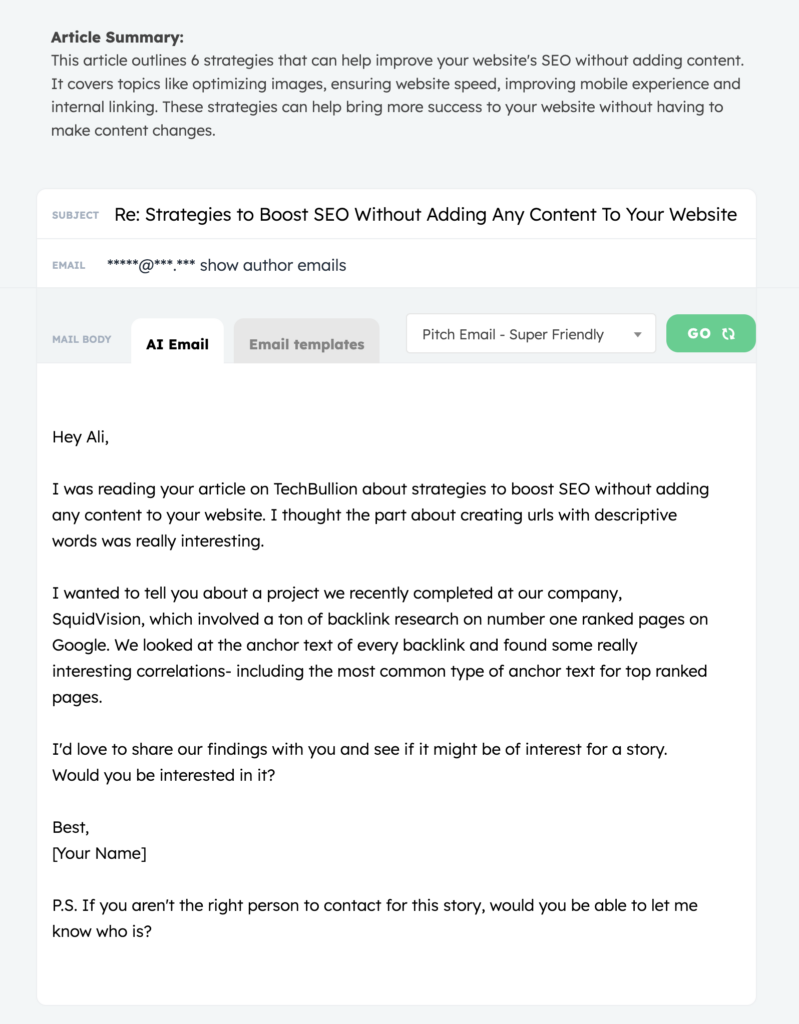
Writing a magnetic subject line is the first step to catch a journalist’s attention. It decides if your email gets opened or ignored. A strong subject line creates curiosity and shows value quickly. It should stand out in a crowded inbox. Clear and direct words work best to deliver your message fast.
Using Power Words
Power words trigger emotions and interest. Words like “exclusive,” “urgent,” or “insight” grab attention. They make the reader want to know more. Use these words carefully to stay honest and relevant. Avoid overusing them, or the message feels forced.
Keeping It Concise And Clear
Short subject lines get noticed faster. Aim for 5 to 8 words only. Clear language helps journalists understand your pitch right away. Avoid jargon or complicated terms. A simple, direct subject line shows respect for their time.
Structuring The Pitch Email
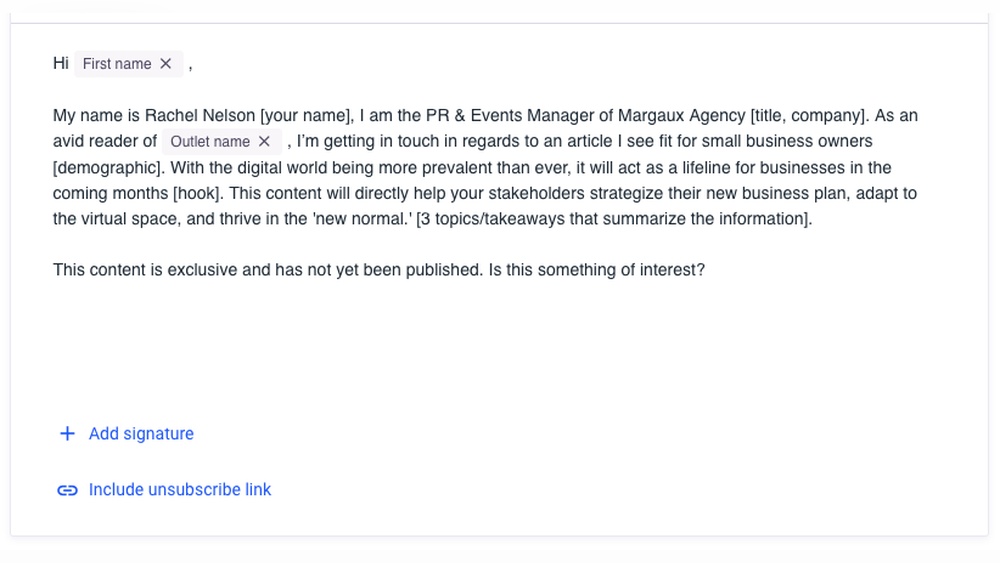
Writing a pitch email to a journalist requires a clear and simple structure. The goal is to grab attention quickly and make the story easy to understand. A well-structured email helps journalists see the value of your story fast. This increases your chance of a response.
Keep your email focused and direct. Avoid long paragraphs and complex language. Break the content into clear parts that guide the reader smoothly. Use short sentences and simple words to make your message clear.
Opening With Impact
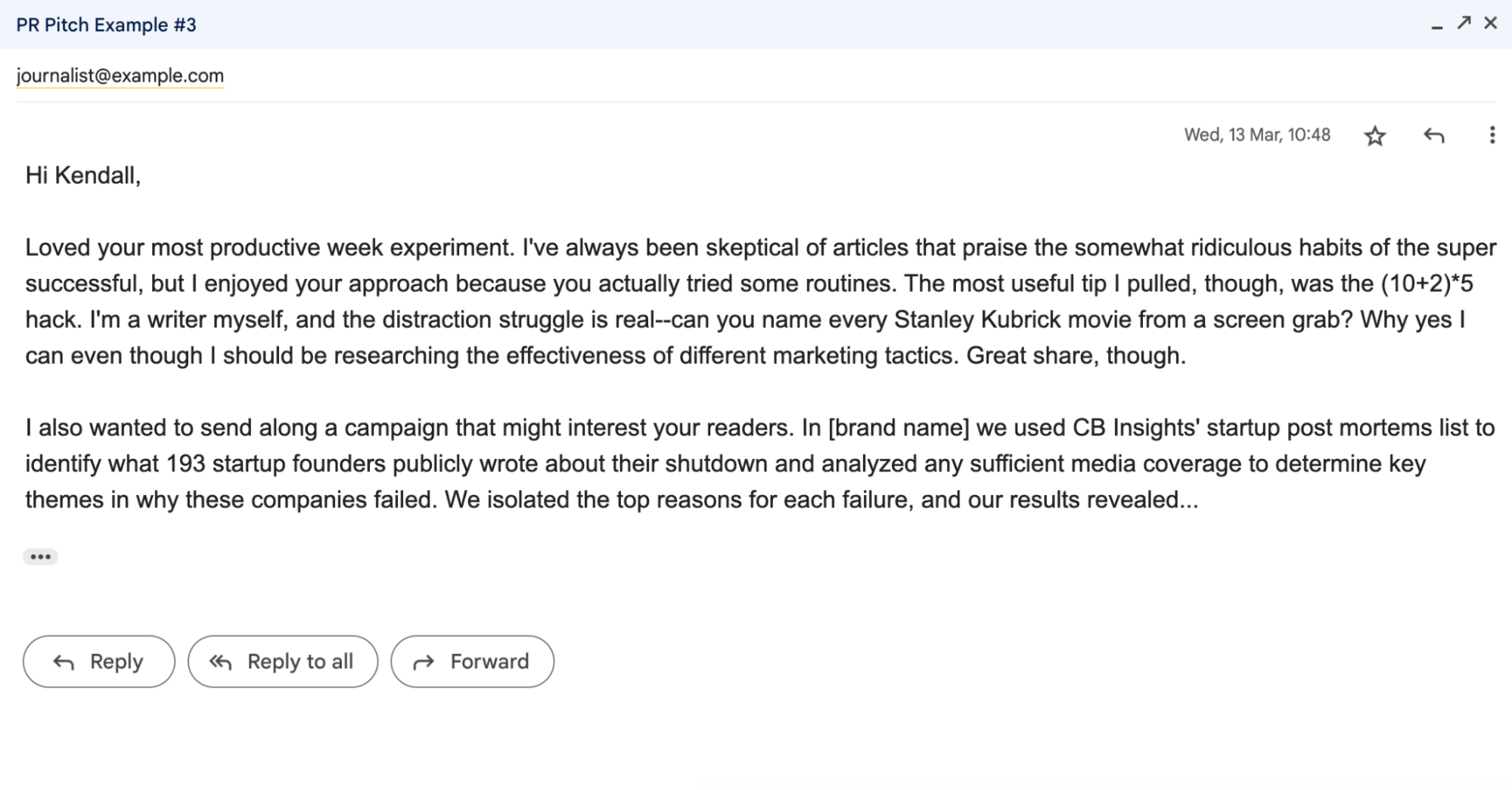
Start your email with a strong and interesting sentence. This should catch the journalist’s attention right away. Avoid common greetings and get straight to the point. Mention the main idea of your story clearly and quickly. Make the journalist want to read more.
Presenting The Story Clearly
Explain the story simply and clearly. Use short sentences to describe what the story is about. Focus on why the story matters to the journalist’s audience. Avoid extra details that do not add value. Keep the message easy to follow and direct.
Including Relevant Details
Add important facts that support your story. Include dates, names, locations, or statistics if they help. Keep details brief and related to the main point. Do not overload the email with too much information. Provide enough to interest the journalist and answer basic questions.
Credit: www.cision.com
Building Credibility And Trust
Building credibility and trust is key in a journalist pitch. It helps your message stand out. Journalists receive many pitches daily. Trust makes them more likely to pay attention to yours.
Being clear and honest shows respect for the journalist’s work. It also boosts your chance of getting coverage. Let’s explore how to build this trust effectively.
Showcasing Expertise
Show your knowledge clearly and confidently. Share your background or experience related to the topic. Mention relevant projects, studies, or work you have done.
Use simple language to explain why you know the subject well. Avoid jargon that may confuse the reader. This shows you understand the topic deeply.
Providing Supporting Evidence
Include facts and data to back your claims. Use statistics, quotes, or examples from trusted sources. This makes your pitch more believable and strong.
Attach links or documents that verify your information. Avoid vague statements without proof. Evidence helps the journalist trust your story’s accuracy.
Timing And Follow-up Strategies
Timing and follow-up strategies are key to a successful journalist pitch. Sending your message at the right moment increases the chance it gets noticed. Following up politely shows your interest without being pushy. These steps build trust and keep your pitch on the journalist’s radar.
Choosing The Right Moment
Send your pitch when journalists are most active. Early mornings or late afternoons work well. Avoid weekends and holidays. Journalists get many emails daily. Your pitch must reach them when they check their inbox carefully. Consider the journalist’s schedule and deadlines. Research their work patterns to find the best time.
Crafting Effective Follow-up Messages
Keep follow-up messages short and polite. Remind the journalist about your original pitch briefly. Add new information or updates if possible. Avoid repeated emails in a short time. Wait at least three to five days before following up. Show respect for their time and workload. A well-timed follow-up can reopen the conversation.
Credit: www.cision.com
Avoiding Common Pitch Mistakes
Crafting a strong journalist pitch means avoiding common mistakes. These errors can reduce your chances of getting noticed. Small changes can make your pitch clear and professional. Focus on what matters most: your message and your respect for the journalist’s time.
Steering Clear Of Overused Phrases
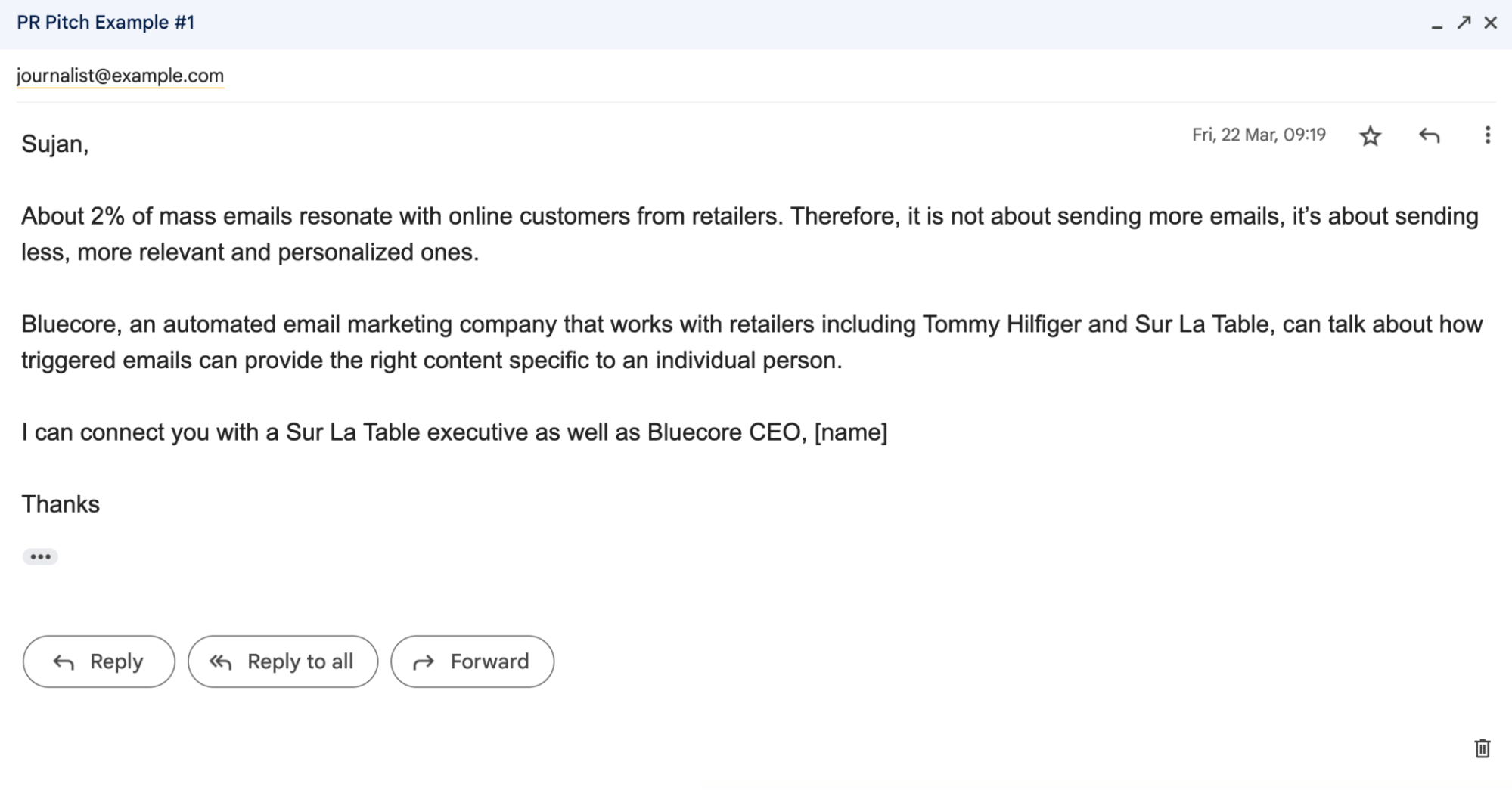
Avoid phrases journalists see too often. Words like “exclusive,” “cutting-edge,” or “groundbreaking” lose meaning with constant use. They make your pitch sound generic and lazy. Instead, use fresh and simple language. Be clear about your story without exaggeration. This approach grabs attention and builds trust.
Maintaining Professional Tone
Your tone should stay polite and formal. Avoid slang, jokes, or casual language. Keep sentences short and direct. Show respect for the journalist’s work and time. A professional tone makes your pitch easier to read and understand. It also helps build good relationships for future pitches.
Leveraging Multimedia Elements
Using multimedia elements in a journalist pitch makes your story clear and interesting. Visuals catch the reader’s eye quickly. They help explain your message fast. Multimedia can also show proof and add trust to your pitch. This makes journalists more likely to choose your story.
Incorporating Images And Videos
Images and videos tell stories without many words. A strong photo can show emotion or action instantly. Videos provide real-life views and interviews. Use clear and relevant images that support your topic. Short videos work best for quick understanding. Make sure files are easy to open and share.
Using Data Visualizations
Data visualizations turn numbers into pictures. Charts, graphs, and maps make facts easy to see. They help explain complex ideas quickly. Use simple designs with clear labels. Highlight important trends or points. Visual data builds confidence in your story’s accuracy.
Frequently Asked Questions
What Is A Journalist Pitch And Why Is It Important?
A journalist pitch is a concise story idea sent to reporters. It helps gain media coverage and builds professional relationships. A strong pitch grabs attention and increases chances of publication. It’s essential for effective communication and publicity.
How To Write An Effective Journalist Pitch?
Focus on a clear, engaging subject line. Keep the message brief and relevant. Highlight the news angle and include key facts. Personalize the pitch for the journalist’s audience. Proofread to ensure clarity and professionalism.
When Is The Best Time To Send A Journalist Pitch?
Send pitches early in the workweek, preferably mornings. Avoid weekends and late Fridays when journalists are less active. Timing affects the chance of your pitch being noticed and acted upon promptly.
What Should I Include In A Journalist Pitch Email?
Include a catchy subject line, a brief introduction, and the story’s news value. Add relevant data, quotes, or visuals if possible. Close with a call-to-action and contact information for easy follow-up.
Conclusion
Crafting a clear and focused journalist pitch takes practice and care. Keep your message short and to the point. Share why your story matters and who it affects. Use simple words that anyone can understand. Make your pitch personal and show real value.
Remember, good pitches catch attention and start conversations. Try different approaches and learn from feedback. Success grows with patience and effort. Your next great pitch is just a few words away.