


If you want your website to rank higher on search engines, understanding keyword difficulty is key. But what exactly does keyword difficulty mean for you and your content?
Knowing how hard it is to rank for certain keywords can save you time and effort, helping you focus on the right opportunities. You’ll discover how to measure keyword difficulty, why it matters, and how to choose keywords that give you the best chance to succeed.
Keep reading to unlock the secrets that can boost your online visibility and drive more traffic to your site.
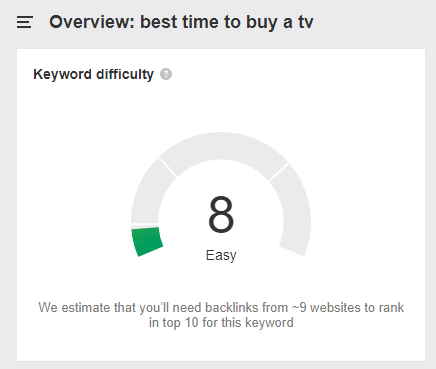
Credit: thedigitalelevator.com
Keyword Difficulty Basics
Keyword difficulty is a key part of SEO. It shows how hard it is to rank for a specific keyword on search engines. Understanding this helps you choose better keywords. This makes your content easier to find. It also saves time and effort in your SEO work.
Many factors affect keyword difficulty. Some are about the competition. Others relate to the keyword itself. Tools can help measure this difficulty. They give you a clear idea of which keywords to use. This section explains the basics of keyword difficulty.
What Influences Keyword Difficulty
Competition is the main factor. Many websites may try to rank for the same keyword. Strong websites with high authority make it harder. The number of pages targeting the keyword also matters.
Search intent plays a role too. Keywords with clear intent can be easier or harder. For example, keywords for buying something are tough to rank for. Keywords with general questions might be easier.
Keyword length affects difficulty. Short keywords usually have more competition. Long-tail keywords are more specific and often easier to rank for.
Tools To Measure Difficulty
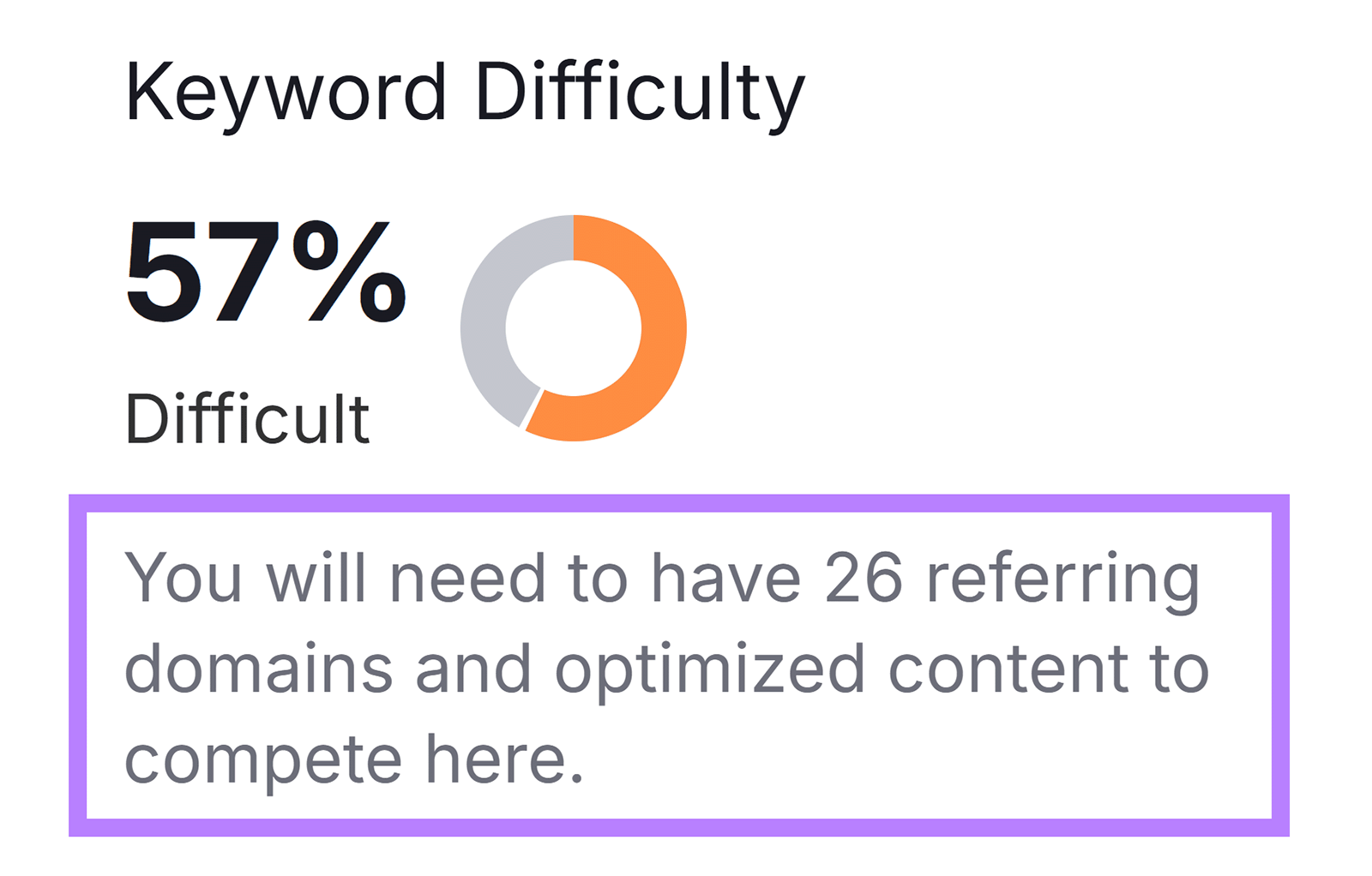
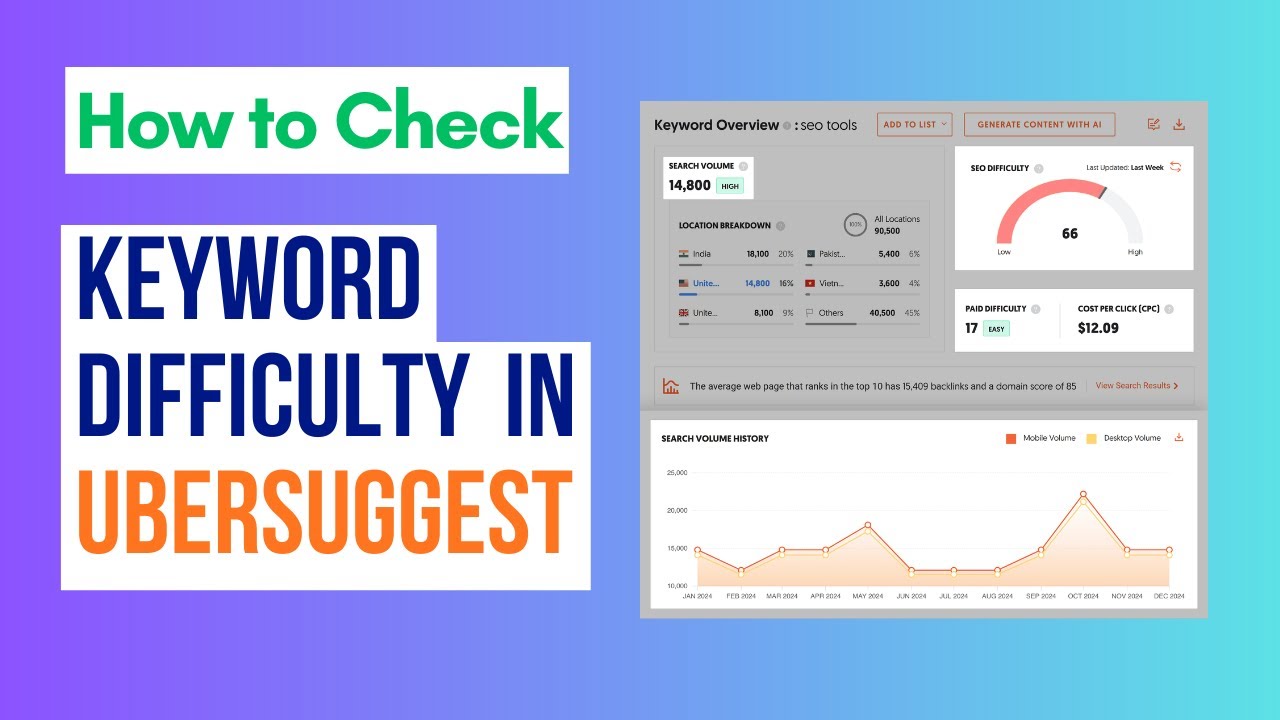
Several tools help check keyword difficulty. They analyze competition and other factors. Popular tools include Ahrefs, SEMrush, and Moz. Each tool shows a score or percentage for difficulty.
These tools also provide related data. Such as search volume and backlink counts. Use these numbers to pick the best keywords. This approach improves your chances to rank higher.
Credit: www.semrush.com
Analyzing Competitors
Analyzing competitors is key to understanding keyword difficulty. It helps reveal who ranks high and why. Knowing this guides your SEO strategy effectively.
Study competitors to find gaps and opportunities. Focus on what they do well and where they fall short. This insight shapes your approach for better results.
Identifying Top Competitors
Start by searching your target keyword. Note the websites that appear on the first page. These are your main competitors.
Check different search engines for a full view. Include local or niche-specific competitors too. This gives a clearer picture of competition.
Assessing Competitor Strengths
Look at their content quality and relevance. Strong content often ranks higher and attracts more links.
Check their backlink profile. More quality backlinks mean stronger authority.
Analyze site speed and user experience. These factors affect ranking and visitor retention.
Choosing The Right Keywords
Choosing the right keywords is a key step in SEO success. The right keywords bring visitors to your site. They help your content reach the right people. Picking these keywords needs a balance of many factors. Keyword difficulty and search volume are two important ones. Understanding these helps you pick words that bring real results.
Balancing Difficulty And Search Volume
Keyword difficulty shows how hard it is to rank high for a word. High difficulty means many sites compete for that keyword. Search volume tells how many people search for it each month. High search volume means more potential visitors. Picking a keyword with low difficulty but good search volume is smart. It gives a better chance to rank and get traffic. Sometimes, choosing medium difficulty keywords is best. They have enough traffic and lower competition.
Long-tail Keywords Advantages
Long-tail keywords are longer phrases with three or more words. They usually have lower competition and lower search volume. But they attract visitors who want very specific information. These visitors often convert better because they know what they want. Long-tail keywords help smaller sites compete with big brands. They also improve chances to rank faster. Using many long-tail keywords can bring steady, targeted traffic.
On-page Seo Techniques
On-page SEO techniques help improve your website’s ranking on search engines. They focus on optimizing elements within your pages. This makes your content clear and easy to find. Proper on-page SEO lowers keyword difficulty by making your pages more relevant.
Optimizing Content For Keywords
Use keywords naturally in your titles and headings. Place important keywords near the beginning of sentences. Avoid keyword stuffing, which can hurt your ranking. Write clear and simple sentences with keywords included. Use related words to support main keywords. This helps search engines understand your content better.
Improving User Experience
Make your website easy to read and navigate. Use short paragraphs and bullet points for clarity. Ensure your pages load quickly on all devices. Use clear calls to action that guide visitors. A good user experience keeps visitors longer. This signals search engines that your site is valuable.
Off-page Seo Strategies
Off-page SEO strategies help improve your website’s authority and trust. These tactics focus on actions outside your website. They increase your site’s visibility and ranking on search engines. Quality backlinks and social signals play a major role in this process. They show search engines that your content is valuable and reliable.
Building Quality Backlinks
Quality backlinks come from trusted websites. They tell search engines your site is important. Seek links from sites related to your topic. Avoid links from low-quality or spammy sites. Write guest posts for popular blogs in your niche. Share useful content others want to reference. Strong backlinks boost your site’s keyword ranking. Focus on relevance and authority, not quantity.
Leveraging Social Signals
Social signals come from shares, likes, and comments on social media. They indicate your content’s popularity and engagement. Active social media profiles can drive traffic to your site. Share your content on platforms where your audience hangs out. Engage with followers by responding to their comments. Social signals help search engines see your content as valuable. They support your efforts to rank higher for competitive keywords.
Credit: www.youtube.com
Content Creation Tips
Creating content that ranks well starts with smart planning. Content must attract readers and satisfy search engines. This balance is key to lowering keyword difficulty and improving visibility. Focusing on quality and relevance helps your content stand out.
Crafting Valuable Content
Write content that answers real questions. Provide clear and useful information. Use examples and facts to support your points. Keep paragraphs short and easy to read. Use headings and lists to organize ideas. Valuable content builds trust and keeps visitors on your page longer.
Incorporating Keywords Naturally
Use keywords in a way that feels natural. Avoid stuffing keywords into every sentence. Place them in titles, headings, and first paragraphs. Sprinkle them in the text but keep the flow smooth. Natural use helps search engines understand your topic. It also improves reader experience and engagement.
Tracking And Adjusting Strategies
Tracking and adjusting strategies is key to managing keyword difficulty. It helps keep your SEO efforts effective. Constant attention to how keywords perform guides your actions. This way, you can stay ahead in search rankings.
Monitoring Keyword Performance
Track your keywords regularly. Check their ranking positions on search engines. Use tools to see how often users click your links. Notice changes in traffic that keywords bring. Spot keywords that lose or gain popularity quickly. This helps decide which keywords to focus on or drop.
Adapting To Algorithm Changes
Search engines change their rules often. These updates affect how keywords rank. Stay informed about algorithm changes from reliable sources. Adjust your content and keywords to fit new rules. Avoid relying on old strategies that no longer work. Keep your site flexible to handle updates smoothly.
Frequently Asked Questions
What Is Keyword Difficulty In Seo?
Keyword difficulty measures how hard it is to rank for a keyword. It helps assess competition levels and guides SEO strategy. Higher difficulty means stronger competition, requiring more effort to rank.
How Is Keyword Difficulty Calculated?
Keyword difficulty is calculated using factors like domain authority, page authority, backlinks, and content relevance. Tools analyze these to score competition from low to high, helping marketers choose achievable keywords.
Why Is Keyword Difficulty Important For Seo?
Keyword difficulty helps prioritize keywords with attainable ranking potential. It saves time and resources by targeting manageable competition. Understanding difficulty improves content strategy and boosts organic traffic effectively.
Can Low Keyword Difficulty Improve Ranking Fast?
Yes, targeting low difficulty keywords can lead to faster rankings. These keywords face less competition, making it easier to rank higher and gain quick organic traffic growth.
Conclusion
Keyword difficulty helps you choose the right terms for your content. It shows how hard it is to rank on search engines. Use this info to focus on easier keywords first. This saves time and improves your chances of success.
Remember, balancing keyword difficulty with search volume works best. Keep checking your keywords regularly to stay ahead. Simple steps like these make your SEO efforts smarter and more effective.