


Are you struggling to get your website noticed? You might be overlooking one crucial factor: keyword difficulty.
Understanding keyword difficulty can save you time and effort by showing you which keywords are worth targeting. If you choose the wrong keywords, your content might never reach the audience you want. But don’t worry—this article will help you learn how to measure keyword difficulty, so you can pick the best keywords for your goals.
Keep reading to unlock the secret that can boost your online success.
Keyword Difficulty Basics
Understanding keyword difficulty is key for SEO success. It helps you choose the right keywords to target. This saves time and improves your chances of ranking higher in search results. Let’s break down the basics of keyword difficulty.
Knowing how hard it is to rank for certain keywords guides your SEO strategy. You can focus on words that bring more traffic with less effort. This approach makes your SEO work smarter, not harder.
What Is Keyword Difficulty
Keyword difficulty measures how hard it is to rank for a specific keyword. It looks at factors like competition and page authority. A high difficulty means many websites compete for that keyword.
Tools calculate keyword difficulty using scores or percentages. A low score means easier ranking chances. A high score shows tough competition ahead.
Why It Matters In Seo
Keyword difficulty helps you pick the best keywords to target. Choosing easier keywords can get you faster results. Hard keywords may require more time and effort.
It prevents wasting resources on keywords you can’t rank for. It helps balance your SEO plan with quick wins and long-term goals. This leads to steady traffic growth and better visibility.
Credit: www.wordstream.com
Tools To Measure Keyword Difficulty
Tools to measure keyword difficulty help you find the best keywords to target. They show how hard it is to rank for certain words in search engines. Using these tools saves time and effort in your SEO strategy. They give clear data to make smart choices for your content. Understanding keyword difficulty helps you compete better online.
Popular Keyword Difficulty Tools
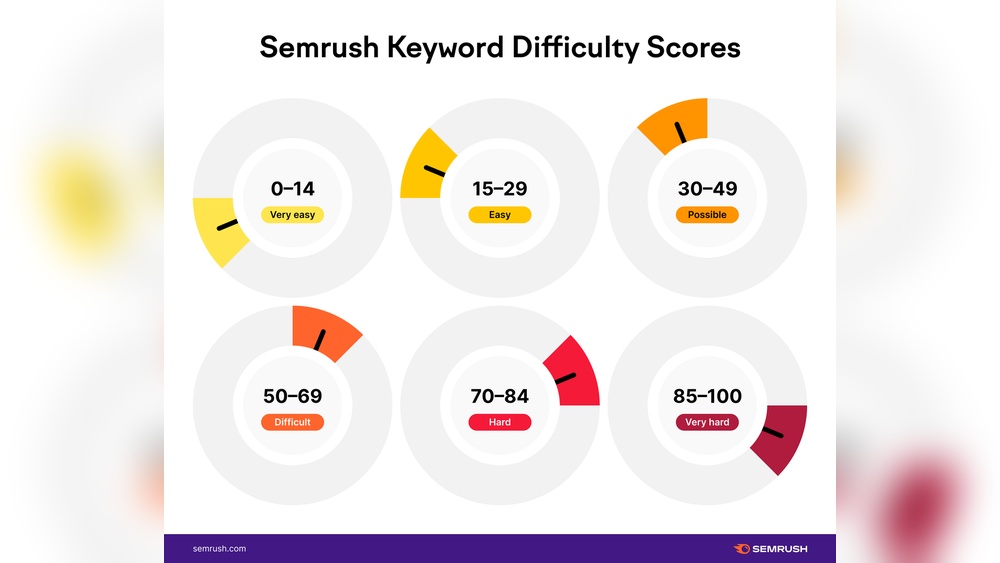
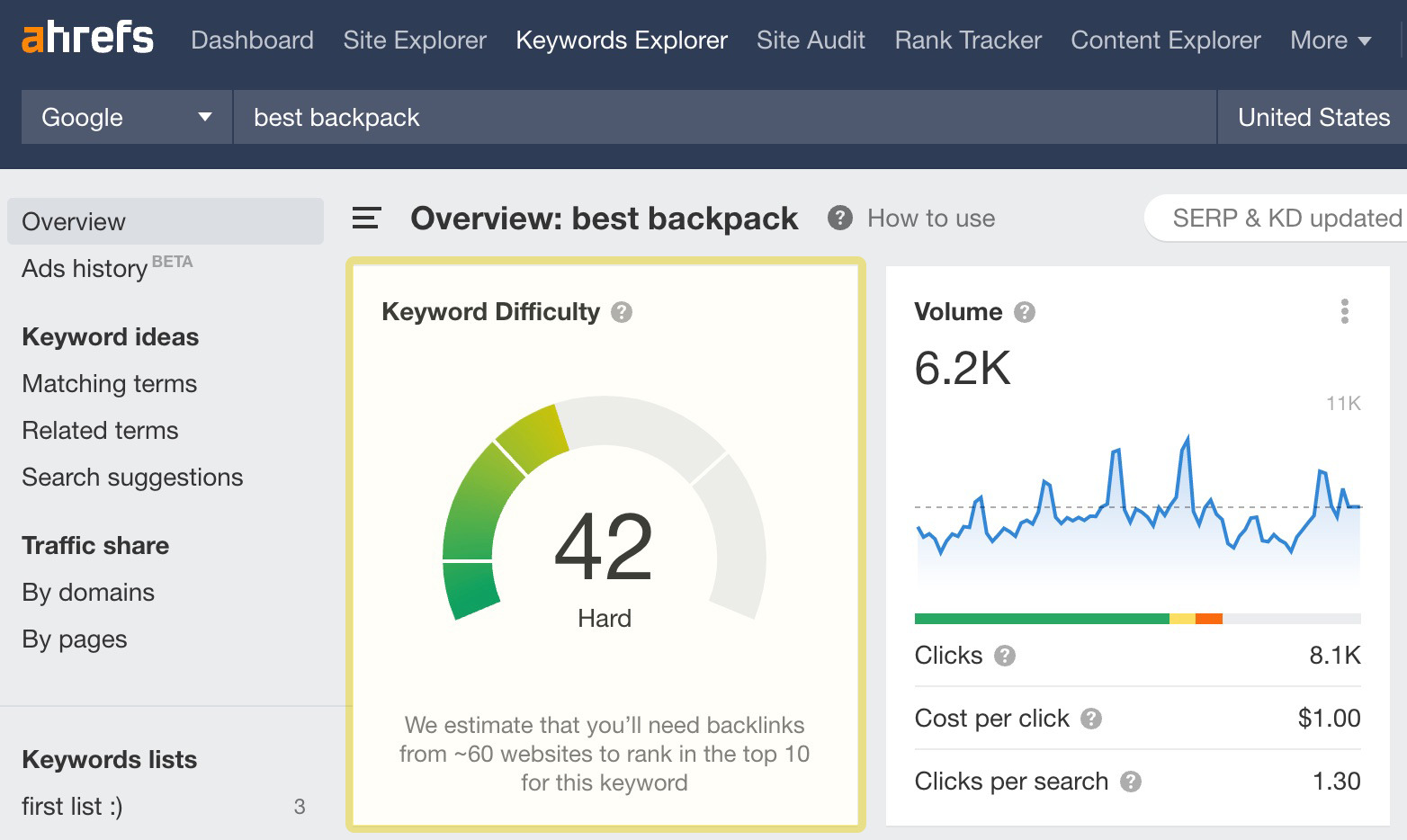
Many tools offer keyword difficulty scores. Ahrefs is one of the most known. It uses a scale from 0 to 100, where higher means harder to rank. SEMrush also provides keyword difficulty with simple numbers. Moz’s Keyword Explorer gives a score and explains why a keyword is tough. Ubersuggest shows difficulty and gives suggestions for easier keywords. These tools have free and paid options depending on your needs.
How To Interpret Scores
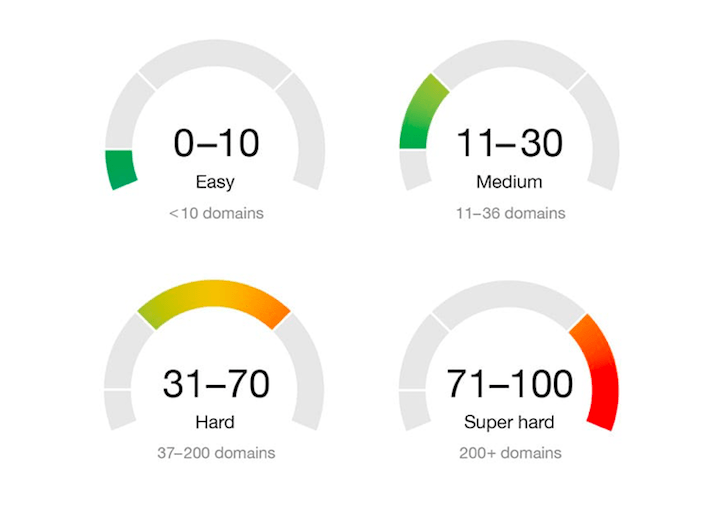
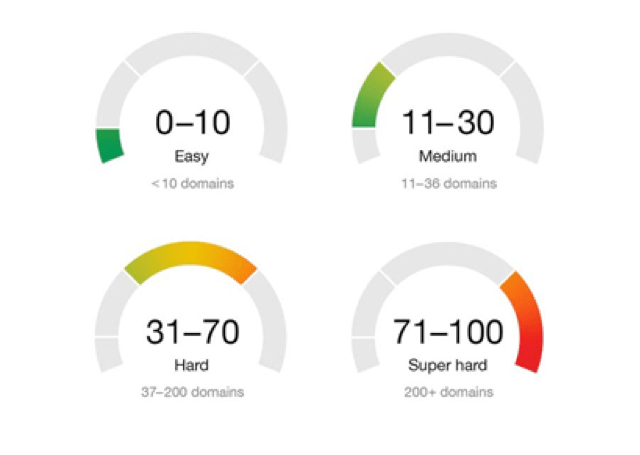
Keyword difficulty scores indicate how strong your competition is. A low score means easy to rank. Medium scores require more effort, but still possible. High scores mean very hard to rank without strong SEO. Use these scores to decide where to focus your work. Combine difficulty with search volume for better results. Balance between easy and popular keywords for steady growth.
Strategies To Tackle High Difficulty Keywords
High difficulty keywords are tough to rank for. They have strong competition and many websites try to rank for them. Using smart strategies helps improve your chances. Focus on specific methods to stand out and gain traffic. The right approach saves time and effort.
Long-tail Keyword Targeting
Long-tail keywords are longer and more specific phrases. They have lower competition than broad keywords. Targeting them brings visitors who want exactly what you offer. These keywords match user intent better. Write content around these phrases for better ranking chances.
Content Quality And Relevance
High-quality content keeps visitors interested and engaged. It answers questions clearly and fully. Use simple language and avoid jargon. Update content regularly to stay relevant. Search engines favor content that helps users solve problems.
Building Strong Backlinks
Backlinks are links from other websites to yours. Strong backlinks boost your site’s authority. Focus on getting links from trusted and related sites. Create valuable content that others want to share. Avoid spammy links that can harm your ranking.
Optimizing For Low And Medium Difficulty Keywords
Optimizing for low and medium difficulty keywords helps grow your website steadily. These keywords are easier to rank for than high difficulty ones. You can attract more visitors without much effort. This strategy balances quick results and long-term growth. It fits well for small businesses and new websites. Focus on these keywords to build authority and traffic.
Quick Wins With Low Difficulty Keywords
Low difficulty keywords have less competition. They bring fast traffic to your site. Target simple phrases users type often. Write clear, helpful content around these keywords. Use them in titles, headers, and meta descriptions. This boosts your chance to appear on search results. Quick wins help build confidence and site credibility. They also improve your site’s ranking over time.
Scaling With Medium Difficulty Keywords
Medium difficulty keywords need more effort but bring better rewards. They attract more visitors interested in your topic. Create detailed articles that answer common questions. Combine these keywords with low difficulty ones for balance. Use internal links to connect related content. This helps search engines understand your site better. Scaling with these keywords grows your site steadily and safely.
Tracking And Adjusting Keyword Strategies
Tracking and adjusting keyword strategies is vital for SEO success. It helps you stay on top of how your keywords perform. This process ensures your content attracts the right audience. Regular checks can reveal which keywords bring traffic and which do not. Adjusting your approach based on data keeps your website relevant and competitive.
Monitoring Keyword Performance
Track keyword rankings regularly to see changes over time. Use tools like Google Search Console or SEO software. Check metrics such as clicks, impressions, and average position. Analyze which keywords drive traffic and which fail to do so. Focus on keywords that show steady or rising performance. Remove or replace those that do not bring results. This ongoing monitoring helps optimize your content effectively.
Adapting To Algorithm Changes
Search engines update algorithms often. These changes affect keyword rankings and traffic flow. Stay informed about updates from Google and others. Adjust your keyword strategy based on new rules and trends. Sometimes, this means shifting focus to different keywords. Other times, it requires improving content quality or site speed. Quickly adapting prevents traffic drops and maintains search visibility.
Credit: ahrefs.com
Credit: www.wordstream.com
Frequently Asked Questions
What Is Keyword Difficulty In Seo?
Keyword difficulty measures how hard it is to rank for a specific keyword. It helps prioritize keywords based on competition and search volume. Lower difficulty means easier ranking opportunities, while higher difficulty suggests strong competitors and more effort needed to rank well.
How Is Keyword Difficulty Calculated?
Keyword difficulty is calculated using factors like domain authority, page authority, backlinks, and content relevance. SEO tools analyze competitor strength and keyword competition. This score guides marketers in choosing keywords with achievable ranking potential and realistic SEO goals.
Why Is Keyword Difficulty Important For Seo?
Keyword difficulty helps prioritize SEO efforts and budget. It ensures you target keywords where you can realistically rank. Ignoring difficulty may waste resources on overly competitive terms, reducing your site’s visibility and organic traffic growth.
Can Keyword Difficulty Change Over Time?
Yes, keyword difficulty changes as competition and search trends evolve. New content and backlinks can increase difficulty. Regularly updating keyword research keeps your SEO strategy relevant and effective in adapting to market shifts.
Conclusion
Keyword difficulty helps you choose the best words for your website. It shows how hard it is to rank for a term. Picking the right keywords saves time and effort. Focus on words with lower difficulty for better results. Keep checking your keywords as trends change.
Success in SEO comes from smart choices, not quick fixes. Use this knowledge to grow your site steadily. Simple steps lead to stronger online presence. Stay patient and keep improving your keyword strategy.