


Are you struggling to turn visitors into loyal customers? Understanding the marketing funnel can change everything for your business.
This simple but powerful concept helps you guide people step by step, making it easier for them to choose your product or service. Imagine having a clear path that leads your audience from just hearing about you to becoming your biggest fans.
You’ll discover how the marketing funnel works and how you can use it to boost your sales and grow your brand. Keep reading, because what you learn here could be the key to unlocking your business’s full potential.
Credit: userpilot.com
Marketing Funnel Basics
The marketing funnel is a simple way to understand how customers move toward buying. It shows the path people take from first hearing about a product to making a purchase. This concept helps businesses plan their marketing steps clearly.
Knowing the marketing funnel basics helps you guide potential buyers better. It breaks down the customer journey into clear stages. Each stage has a goal to move the buyer closer to the final decision.
What Is A Marketing Funnel
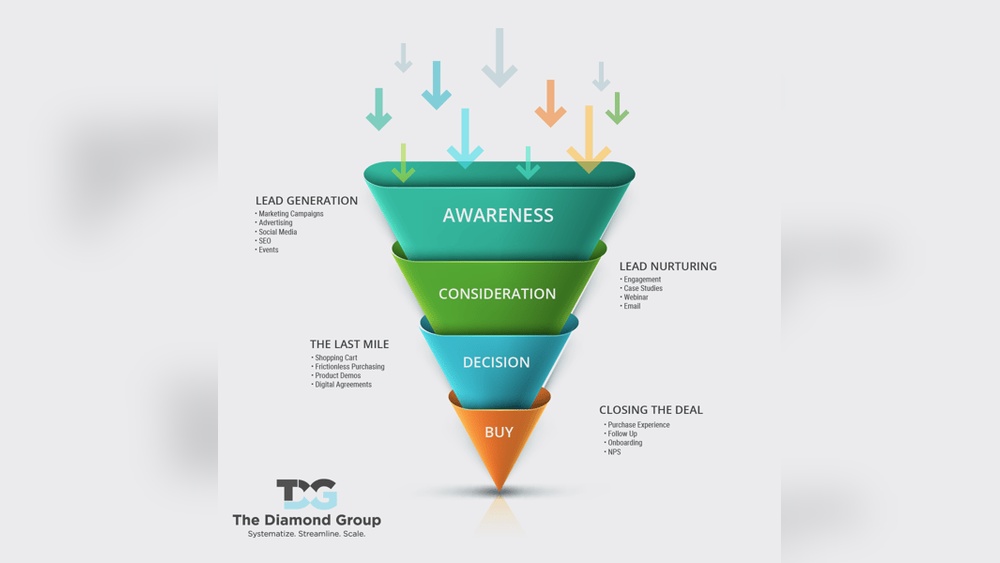
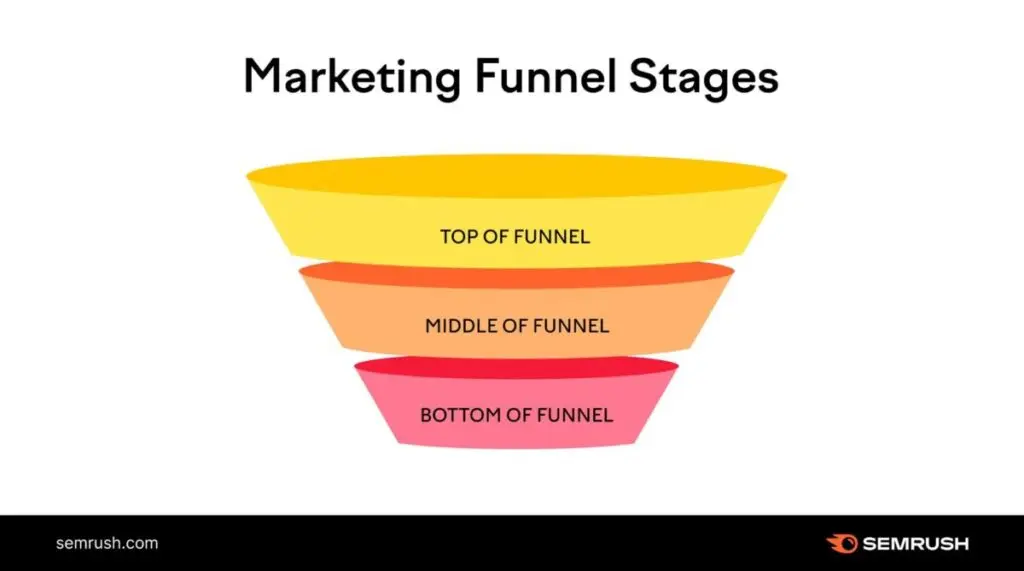
A marketing funnel is a model. It shows how people become customers. At the top, many people learn about a brand. At the bottom, fewer people buy the product. It looks like a funnel because it gets smaller.
Marketers use this to understand customer behavior. It helps create strategies to attract and keep buyers. The funnel guides marketing efforts from broad to focused actions.
Stages Of The Funnel
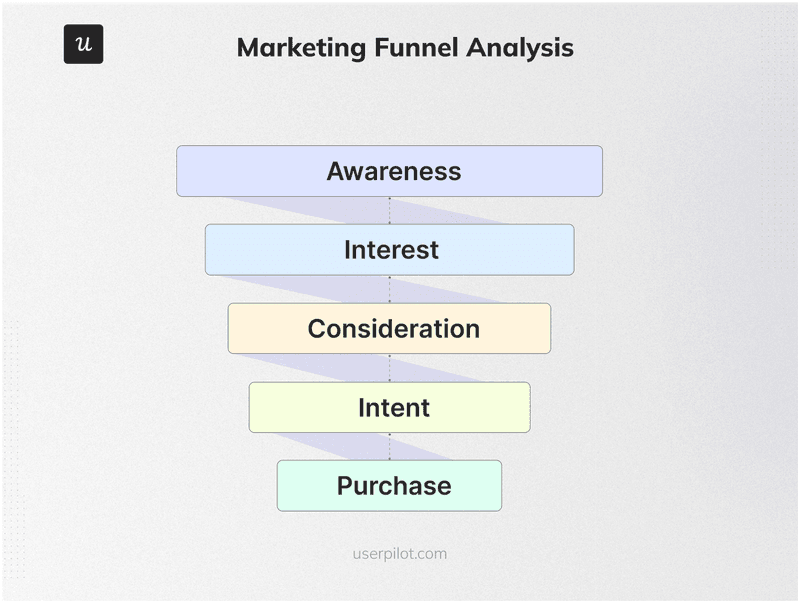
The funnel has several stages. Each stage guides the customer closer to buying. The first stage is awareness. People learn about a product or service here.
Next is interest. Customers want to know more and compare options. Then comes decision. Here, people decide if they want to buy. The last stage is action, where the purchase happens.
Why Funnels Matter
Funnels matter because they organize marketing efforts. They show where customers drop off or stay interested. This helps improve marketing strategies.
Funnels increase sales by focusing on the right customers at the right time. They help save money by avoiding wasted efforts. Funnels build better relationships with customers through targeted messages.
Attracting Potential Customers
Attracting potential customers is the first step in a marketing funnel. Without their attention, your sales process cannot begin. Drawing people to your brand helps build awareness and trust. It sets the stage for turning visitors into leads and then into buyers.
Focus on clear, simple ways to reach your target audience. Use strategies that connect with their needs and interests. This approach makes your marketing efforts more effective and efficient.
Effective Lead Generation Techniques
Lead generation means collecting contact information from interested people. Use forms on your website to gather emails and names. Offer something valuable in return, like a free guide or discount. Run online ads targeting your ideal customers. Hosting webinars or events can also attract potential leads. These methods help build a list of people interested in your products.
Content Strategies To Draw Attention
Create helpful and clear content that answers questions. Blog posts, videos, and infographics work well. Focus on topics your audience cares about. Use simple language and short sentences. Share stories and examples that connect with readers. Regular content updates keep visitors coming back. This builds trust and encourages sharing.
Leveraging Social Media
Social media platforms bring your brand closer to people. Post content that is useful and easy to understand. Engage with followers by replying to comments and messages. Use images and videos to catch the eye. Join groups and communities related to your niche. Social media helps spread your message and attract new visitors.
Engaging Your Audience
Engaging your audience is key to a successful marketing funnel. It keeps potential customers interested and moves them closer to buying. Engagement means more than just sharing content. It means creating trust, offering value, and speaking directly to your audience’s needs.
Building Trust And Credibility
Trust is the foundation of any relationship with customers. Show honesty and transparency in all messages. Share real stories and testimonials. Answer questions clearly and quickly. Consistent, helpful content proves your brand is reliable. Trust grows over time through small, positive experiences.
Email Marketing Tactics
Email remains a strong tool to engage your audience. Send useful information, not just sales pitches. Use catchy subject lines to get attention. Include clear calls to action so readers know what to do next. Timing matters; avoid sending too many emails. Keep messages short and focused on benefits.
Personalization And Segmentation
Speak directly to different groups in your audience. Personalize emails using names and past behavior. Segment your list by interests, location, or buying habits. Tailored messages feel more relevant and build stronger connections. Segmentation boosts engagement by delivering the right content to the right people.
Credit: influencermarketinghub.com
Converting Leads Into Sales
Converting leads into sales is the most critical step in any marketing funnel. This stage turns interest into action. Leads have shown some interest, but now they need a push to buy. Small changes can have a big impact here. Clear, simple steps guide leads toward making a purchase.
Optimizing Landing Pages
Landing pages must be clear and focused. Remove distractions that can confuse visitors. Use short headlines that explain the offer quickly. Keep forms simple, asking only for essential information. Fast loading times help keep visitors on the page. Use images that support the message and build trust.
Call-to-action Best Practices
Call-to-action (CTA) buttons need to stand out. Use action words like ”Buy Now” or ”Get Started.” Place CTAs where visitors can easily see them. Use contrasting colors to make buttons pop. Limit the number of CTAs to avoid confusion. Test different texts and placements to find what works best.
Using Testimonials And Reviews
Testimonials build trust and reduce doubts. Show real feedback from customers who liked the product. Use short quotes that highlight benefits. Include names and photos if possible. Place testimonials near CTAs to encourage action. Positive reviews help leads feel confident to buy.
Retaining Customers
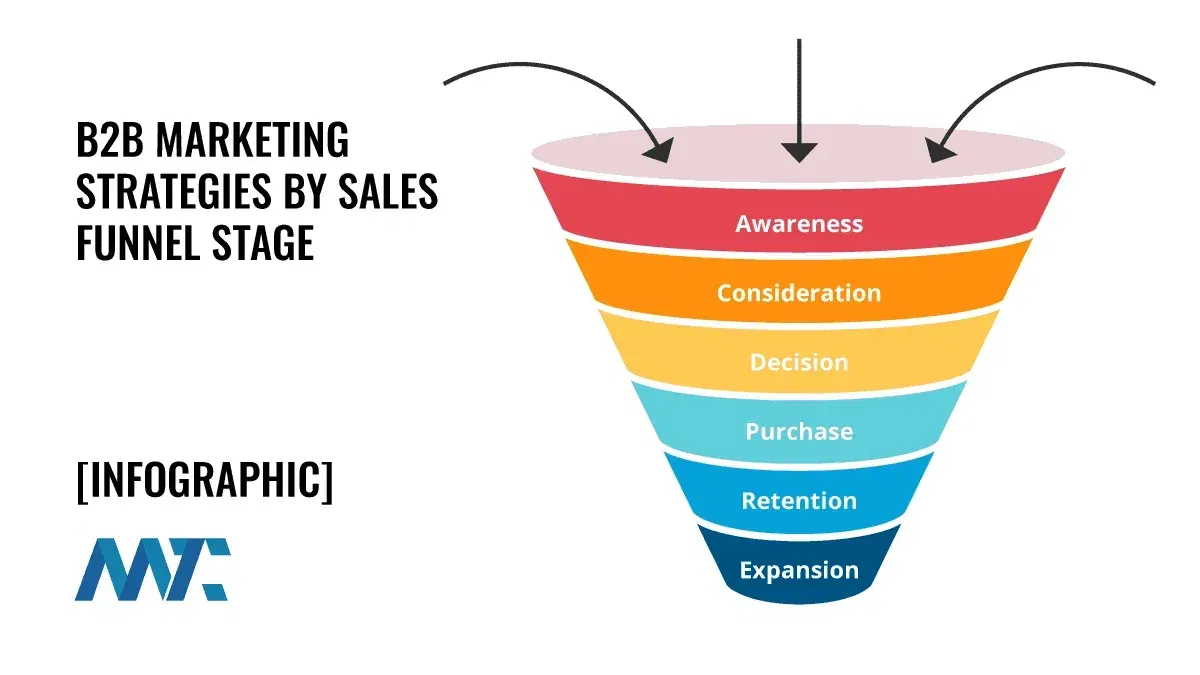
Retaining customers is a key step in the marketing funnel. It keeps your business growing without spending much on new leads. Happy customers buy again and tell others about your brand. This saves money and builds trust. Focus on ways to keep customers coming back.
Loyalty Programs And Rewards
Loyalty programs make customers feel special. Offer points, discounts, or gifts for repeat purchases. These rewards encourage them to choose your brand again. Simple programs work best. Keep the process easy and clear. Customers will join and stay loyal.
Follow-up Strategies
Follow-up messages show you care. Send thank-you emails or ask for feedback after a sale. Remind customers about new products or offers. Personal messages build stronger relationships. Use friendly and short notes. Stay in touch without being pushy.
Upselling And Cross-selling
Suggest related or higher-value products to customers. Upselling increases the order value. Cross-selling introduces items that go well together. Do it naturally during checkout or follow-up. This helps customers find what they need. It also boosts your sales gently.
Measuring Funnel Performance
Measuring funnel performance helps you see how well your marketing works. It shows where people drop off and where they stay interested. Tracking this data guides your next steps. It helps improve your sales and marketing efforts.
Key Metrics To Track
Track metrics like conversion rate, bounce rate, and click-through rate. Conversion rate shows how many visitors take action. Bounce rate tells how many leave without engaging. Click-through rate measures interest in your offers. These metrics show your funnel’s health clearly.
Tools For Analytics
Use tools like Google Analytics, HubSpot, and Mixpanel. These tools collect data on visitor behavior. They offer reports on each funnel stage. Easy to use and provide clear insights. They help you understand customer actions better.
A/b Testing For Improvement
A/B testing compares two versions of a page or email. It shows which performs better. Test headlines, images, or calls to action. Small changes can increase conversions. Keep testing regularly to improve results.
Common Funnel Mistakes
Many marketers make mistakes in their marketing funnels. These errors can lower sales and waste time. Understanding common funnel mistakes helps avoid pitfalls and improve results.
Simple changes can boost conversions and keep visitors interested. Watch out for these common errors in funnel design and execution.
Ignoring Customer Journey
Some marketers skip mapping the customer journey. Knowing each step customers take is key. Without this, funnels miss important touchpoints and lose leads.
Design the funnel to guide users clearly from awareness to purchase. Tailor messages for each stage to build trust and interest.
Overcomplicating The Process
Complex funnels confuse visitors and cause drop-offs. Too many steps or options overwhelm users. Keep the process simple and focused.
Limit form fields and choices. Clear calls to action help users move smoothly through the funnel.
Neglecting Mobile Users
Many funnels work poorly on mobile devices. Mobile traffic often exceeds desktop visits today. Ignoring mobile users means losing a big audience.
Ensure funnels load fast and look good on phones. Buttons must be easy to tap. Test funnels on multiple devices regularly.
Advanced Funnel Strategies
Advanced funnel strategies help you get more from every visitor. They guide prospects smoothly through the buying process. These techniques save time and improve results. Focus on smart tools and targeted actions. This section covers key tactics that boost funnel success.
Automation And Crm Integration
Automation saves time by handling repetitive tasks. It sends emails, scores leads, and updates records automatically. CRM integration keeps all customer data in one place. This helps track interactions and personalize messages. Use automation to nurture leads without manual work. CRM tools improve communication and close deals faster.
Retargeting Campaigns
Retargeting brings back visitors who didn’t buy. It shows ads to people who left your site. These ads remind them of your offer. This tactic increases chances of conversion. Retargeting uses cookies to track visitors online. It helps you stay visible and relevant. Small investments in retargeting can raise sales effectively.
Using Ai To Enhance Funnels
AI analyzes data to find customer patterns. It suggests the best offers and messages. AI personalizes the funnel for each visitor. Chatbots answer questions instantly, improving user experience. AI tools predict when prospects are ready to buy. This technology makes funnels smarter and more effective.
Credit: martech.zone
Frequently Asked Questions
What Is A Marketing Funnel In Digital Marketing?
A marketing funnel represents the buyer’s journey from awareness to purchase. It helps businesses target and nurture leads effectively. The funnel stages include awareness, interest, decision, and action. Using a funnel improves conversion rates by guiding customers through each step clearly.
How Does A Marketing Funnel Increase Sales?
A marketing funnel increases sales by organizing customer interactions systematically. It identifies prospects’ needs and delivers relevant content at each stage. This targeted approach builds trust and encourages purchases. Ultimately, it streamlines the sales process and boosts revenue efficiently.
What Are The Key Stages Of A Marketing Funnel?
The key stages of a marketing funnel are awareness, interest, decision, and action. Awareness attracts potential customers. Interest engages them with valuable content. Decision involves evaluating options. Action is the final purchase or conversion step. Each stage requires specific marketing strategies for success.
Why Is Tracking A Marketing Funnel Important?
Tracking a marketing funnel is crucial to measure campaign effectiveness. It helps identify drop-off points and optimize marketing efforts. Data insights improve customer targeting and increase conversion rates. Continuous tracking ensures resources are used efficiently and business goals are met.
Conclusion
A marketing funnel guides customers from interest to purchase. It helps businesses understand each step buyers take. Clear stages make it easier to improve sales. Focus on creating content that fits each funnel phase. Track results to see what works best.
A strong funnel builds trust and loyalty. Keep your process simple and customer-friendly. This way, your marketing efforts become more effective. Success comes with patience and consistent work. Use the funnel as a tool, not a rule. Small changes can lead to better customer connections.