


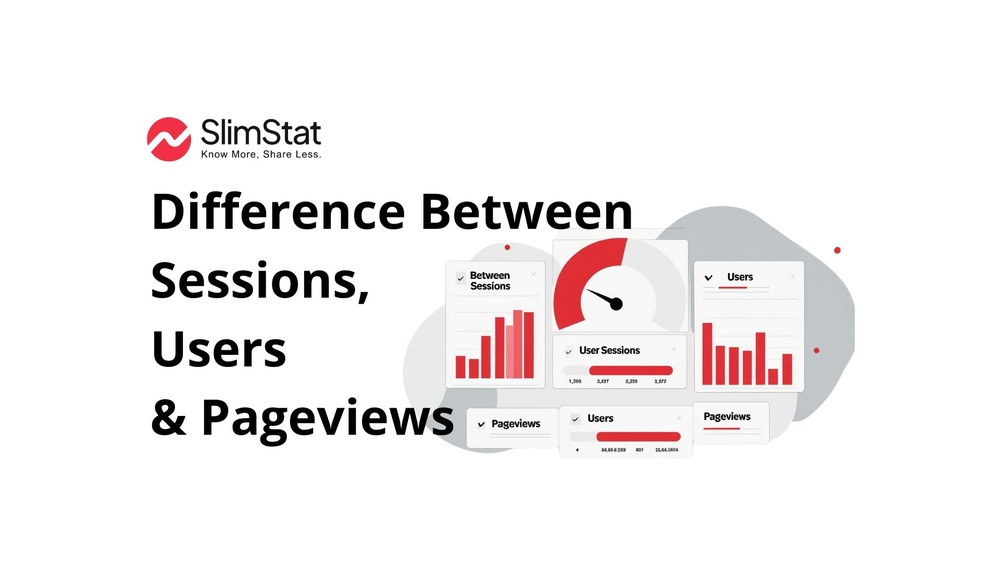
If you want to grow your website or blog, understanding pageviews is key. But what exactly are pageviews, and why should you care about them?
Knowing how many times your pages are viewed can unlock powerful insights about your audience and help you make smarter decisions. You’ll discover what pageviews mean, how they impact your site’s success, and simple ways to boost them. Keep reading, and you’ll learn how to turn more visitors into loyal followers.

Credit: matomo.org
Importance Of Pageviews
Pageviews are a key metric for any website. They show how many times people visit your pages. More pageviews mean more interest in your content. Understanding pageviews helps you see what works well. It guides you to improve your site and attract visitors.
How Pageviews Impact Website Growth
Pageviews directly affect your website’s growth. More views bring more chances to earn money or gain followers. They help search engines notice your site. Higher pageviews often lead to better rankings on Google. This means more visitors find your website easily. Consistent growth in pageviews shows your site is popular.
Pageviews And User Engagement
Pageviews tell how users interact with your content. Visitors who view many pages spend more time on your site. This signals they find your content useful. Tracking pageviews helps identify popular topics. You can create more content like that. Good user engagement builds trust and keeps visitors coming back.
Optimizing Content For Traffic
Optimizing content for traffic means making your pages easy to find and useful to visitors. It involves creating content that answers questions and meets the needs of your audience. Good optimization helps increase pageviews by attracting more visitors and keeping them engaged.
Creating Valuable And Relevant Content
Focus on topics your audience cares about. Write clear and helpful information that solves their problems. Avoid filler words and stay on topic. Valuable content builds trust and encourages visitors to return. Keep sentences short and easy to read.
Using Keywords To Attract Visitors
Choose keywords that match what people search for. Use them naturally in titles, headings, and text. Avoid stuffing keywords. Use related words to help search engines understand your content. Keywords help your pages appear in search results and draw more traffic.
Leveraging Visuals To Enhance Appeal
Add images, charts, or videos to make your content interesting. Visuals break up text and make pages easier to scan. Use clear, relevant visuals that support your message. Properly sized images improve page speed and user experience. Visual content keeps visitors engaged longer.
Enhancing Website Performance
Enhancing website performance is key to increasing pageviews and keeping visitors engaged. A fast, easy-to-use site encourages users to stay longer and explore more pages. Slow or confusing websites push visitors away quickly.
Focus on three main areas: page load speed, mobile-friendly design, and simple navigation. These improvements create a better experience and boost overall site performance.
Improving Page Load Speed
Page load speed directly affects user experience. Visitors expect pages to open within seconds. Slow pages cause frustration and lead to high bounce rates. Optimize images by compressing them without losing quality. Use browser caching to speed up repeat visits. Minimize code and remove unnecessary scripts. Fast-loading pages help keep visitors on your site longer.
Mobile-friendly Design
Most users browse on mobile devices. A mobile-friendly design adjusts to different screen sizes. It makes content easy to read and interact with on phones and tablets. Use responsive themes that adapt automatically. Avoid small buttons or text that is hard to tap. Mobile-friendly websites improve accessibility and keep mobile users engaged.
Simplifying Navigation
Simple navigation helps visitors find what they need quickly. Clear menus and logical page structure reduce confusion. Limit the number of menu items to avoid overwhelming users. Use descriptive labels so visitors understand where links lead. Easy navigation increases pageviews by encouraging users to explore more content.

Credit: www.reddit.com
Driving Traffic Through Seo
Driving traffic through SEO is key to increasing pageviews. SEO helps search engines find your website. It also shows your site to the right people. This leads to more visitors and more pageviews. You can use simple SEO methods to boost your traffic. Focus on content and website structure. Use SEO steps that fit your site’s needs.
On-page Seo Techniques
On-page SEO improves each webpage for search engines. Use clear titles with keywords. Write short, useful descriptions. Add keywords naturally in your text. Use headers to organize content. Include images with descriptive alt text. Make sure your site loads quickly. Mobile-friendly design helps visitors stay longer. These small changes can raise your site’s rank.
Building Quality Backlinks
Backlinks are links from other sites to yours. They show search engines your site is trusted. Focus on getting links from popular, related websites. Write guest posts or share useful content. Avoid low-quality or spammy links. Quality backlinks improve your site’s authority. This leads to higher traffic and better pageviews.
Utilizing Local Seo
Local SEO targets visitors in specific areas. Use location keywords in your content and titles. Register your business on Google My Business. Add your address, phone number, and hours. Encourage customers to leave reviews. Local SEO helps nearby people find your site. It boosts traffic from your community and increases pageviews.
Leveraging Social Media
Social media plays a big role in increasing pageviews. It connects your content with a larger audience quickly. Sharing your posts on social platforms drives more visitors to your site. Engaging actively builds trust and encourages users to return.
Sharing Content Strategically
Post your content at times when your audience is most active. Use clear and catchy headlines to attract clicks. Share different content types like images, videos, and links. Tailor posts to fit each social media platform’s style and audience. Focus on quality over quantity for better results.
Engaging With Followers
Respond to comments and messages promptly. Ask questions to spark conversations around your content. Show appreciation for shares and mentions. Create polls or quizzes to involve your audience. Keep interactions friendly and helpful to build loyalty.
Using Paid Social Campaigns
Paid ads help reach people beyond your followers. Set a clear goal for each campaign, such as more pageviews. Target ads based on location, age, and interests. Use eye-catching images and simple text in ads. Monitor results and adjust your strategy regularly.
Using Email Marketing
Email marketing is a strong tool to increase pageviews. It helps share content directly with interested readers. Sending emails brings visitors back to your website. It builds a steady flow of traffic over time.
Effective emails make readers curious to click and explore your site. The key lies in clear messages and good design. Targeting the right people also boosts success. Let’s explore how to use email marketing well.
Crafting Effective Newsletters
Write short and clear emails. Use simple words to explain your message. Include interesting headlines that grab attention fast. Keep paragraphs small and easy to read. Add images that relate to your content. Make sure your email looks good on phones and tablets.
Segmenting Your Audience
Divide your email list into smaller groups. Group people by interests or past behavior. Send emails that match each group’s preferences. This makes your messages more relevant and useful. Relevant emails get more clicks and visits to your site.
Incorporating Clear Calls To Action
Tell readers what to do next. Use buttons or links with clear phrases. Examples: “Read More,” “Visit Our Site,” or “See Latest Post.” Place calls to action where they are easy to find. Clear steps help readers move from email to your page.
Analyzing Traffic Data
Analyzing traffic data helps you understand how visitors use your website. It shows what pages get the most views and how users move through your site. This data guides you to make better decisions. You can improve user experience and increase engagement by studying these numbers carefully.
Traffic analysis gives clear facts. These facts help spot trends and problems. You learn which parts of your site work well and which need changes. This process saves time and effort by focusing on what matters most.
Tracking Visitor Behavior
Visitor behavior shows what users do on your website. You can see which pages they visit first. How long they stay on each page is clear too. Tracking clicks and scrolls reveals what attracts attention.
This information helps understand user needs. You find out what content interests them most. It also shows if visitors get stuck or leave early. Such insights help improve site navigation and content layout.
Identifying Top Performing Pages
Top performing pages bring the most visitors and views. These pages hold user interest better than others. Knowing these pages guides your content strategy. You can create similar pages to attract more visitors.
Check which pages have low bounce rates. These pages keep visitors longer and encourage action. Focus on improving pages with poor performance by updating content or design. This balances your website and boosts overall traffic.
Adjusting Strategies Based On Insights
Use traffic data insights to change your website plan. Improve weak pages by adding useful content or fixing errors. Promote popular pages more to increase reach. Experiment with different layouts or calls to action.
Regularly review traffic reports to spot new trends. This helps keep your website fresh and relevant. Adjusting strategies based on real data leads to steady growth in pageviews and user satisfaction.
Additional Traffic Boosting Techniques
Increasing pageviews needs more than just good content. You must use smart ways to bring more visitors. These extra techniques help spread the word about your site. They also make visitors stay longer and come back often. Try these methods to boost your website traffic effectively.
Collaborating With Influencers
Partner with influencers in your niche. They have followers who trust their opinion. Ask them to share your content or mention your site. This exposes your page to new audiences. Choose influencers whose followers match your target visitors. This strategy brings real traffic that is interested in your content.
Hosting Webinars And Events
Create online webinars or live events on topics your audience cares about. Promote these events on social media and email lists. People join to learn and interact with you directly. This builds trust and encourages them to visit your site. Use webinars to show your expertise and answer questions live.
Running Contests And Giveaways
Organize contests or giveaways with prizes related to your niche. Ask participants to visit your site or share your content to enter. This creates excitement and spreads your brand quickly. People love free stuff and will share the contest with friends. Contests increase traffic fast and attract new visitors.
Credit: www.monetizemore.com
Frequently Asked Questions
What Are Pageviews In Website Analytics?
Pageviews count how many times a webpage is loaded or reloaded by users. It measures website traffic volume and user engagement. Each refresh or visit on the same page adds to the total pageviews. This metric helps understand popular content and user behavior.
How Do Pageviews Differ From Unique Visitors?
Pageviews track total page loads, while unique visitors count individual users. One visitor can generate multiple pageviews by visiting several pages or reloading the same page. Unique visitors indicate audience size, and pageviews reveal how much content users consume.
Why Are Pageviews Important For Seo?
Pageviews show your content’s popularity and user engagement, influencing search rankings. High pageviews suggest valuable content, improving your website’s authority. Search engines consider user behavior metrics like pageviews to rank sites more effectively.
Can Pageviews Measure Website Performance Accurately?
Pageviews provide insights into traffic but don’t fully measure website performance. They don’t reflect user satisfaction or conversions. Combining pageviews with metrics like bounce rate and session duration gives a clearer performance picture.
Conclusion
Pageviews show how many people visit your website. They help you understand what content people like. More pageviews often mean your site is useful and interesting. Focus on creating clear, helpful pages that invite visitors to stay. Track pageviews regularly to see what works best.
This way, you can improve your site step by step. Remember, steady growth matters more than quick spikes. Keep your visitors in mind, and your pageviews will grow naturally.