


When you start a PPC campaign, one question probably pops into your mind: How much will my keywords cost? Understanding PPC keyword cost is key to making your advertising budget work harder for you.
If you don’t know what to expect, you might end up spending too much or missing out on valuable clicks. You’ll discover what affects keyword costs, how to find the best prices, and smart tips to get the most from every dollar you spend.
Keep reading, and you’ll gain the confidence to control your PPC costs and boost your results.
Ppc Keyword Pricing Trends
PPC keyword pricing changes often. These changes affect advertisers and businesses of all sizes. Understanding pricing trends helps plan better campaigns and budgets. Let’s explore key factors shaping PPC keyword costs.
Historical Cost Shifts
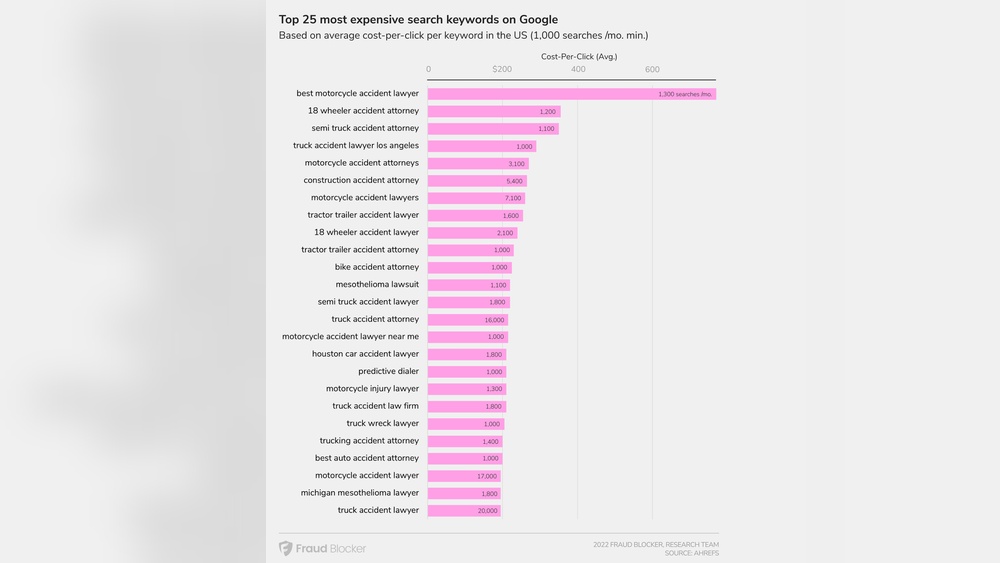
Keyword costs have risen steadily over the years. Early PPC markets had low competition and low costs. As more advertisers joined, prices increased. Seasonal trends also caused spikes during holidays or sales events. Some industries, like finance and law, always had higher costs. These shifts reflect growing demand and evolving market conditions.
Emerging Market Influences
New industries and regions impact keyword pricing. Growth in e-commerce and mobile use drives higher bids. Emerging markets bring new advertisers, increasing competition. Language and location target settings also affect prices. Popular keywords in one country may cost less in another. These factors create complex pricing patterns across markets.
Impact Of Automation
Automation changes how advertisers bid on keywords. Smart bidding tools adjust prices in real-time. This makes keyword costs more dynamic and precise. Automation reduces guesswork and improves budget use. However, it can increase costs in highly competitive sectors. Advertisers must monitor automated bids to stay effective.
Factors Driving Keyword Costs
PPC keyword costs vary widely. Several key factors influence how much you pay for each click. Understanding these helps you manage your budget better. It also improves your campaign results.
Each factor plays a role in determining the price advertisers pay. Some keywords cost more because many advertisers want them. Others cost less because they match fewer ads. Quality and relevance also affect costs. Let’s explore these factors in detail.
Competition Levels
Competition is the main driver of keyword cost. More advertisers bidding on a keyword raises its price. Popular keywords in big markets cost the most. Less popular or niche keywords often have lower costs. High competition means you pay more per click.
Keyword Relevance
Keywords closely related to your ad and landing page cost less. Search engines reward relevance with lower prices. Irrelevant keywords lead to higher costs and lower ad performance. Choosing relevant keywords saves money and improves results. Keep your keywords tightly connected to your offer.
Ad Quality Score
Quality Score measures how good your ad and landing page are. Higher scores reduce keyword costs. Ads with clear text, fast landing pages, and good user experience get better scores. A low score means you pay more per click. Improve your ad quality to lower costs and gain better placement.
Choosing Cost-effective Keywords
Choosing cost-effective keywords is key to saving money on PPC campaigns. Picking the right keywords helps get better results with less spending. Smart keyword choices mean your ads reach the right people without wasting budget. Focus on keywords that bring quality traffic and fit your budget.
Long-tail Keyword Benefits
Long-tail keywords have three or more words. They cost less than broad keywords. These keywords attract users who know exactly what they want. Less competition means lower cost per click. Ads with long-tail keywords often get higher click-through rates. They help reach buyers closer to making a decision.
Niche Market Targeting
Targeting niche markets lowers PPC costs. Niche keywords have fewer advertisers bidding. This reduces the cost per click. Niche audiences are more interested in specific products or services. Ads become more relevant and perform better. This approach improves return on investment.
Negative Keyword Strategies
Negative keywords prevent ads from showing on irrelevant searches. They stop wasted clicks and reduce costs. Adding negative keywords helps focus your budget on valuable visitors. It improves ad relevance and quality score. This strategy leads to better ad placement and lower costs.
Credit: www.outreachbee.com
Optimizing Campaign Budgets
Optimizing campaign budgets is key to getting the best results from your PPC efforts. Smart budget use helps you control costs and increase clicks. A well-planned budget lets you spend money where it matters most. This way, you avoid wasting funds on low-performing keywords. Focused budgeting improves your return on investment and boosts your ad visibility.
Bid Management Techniques
Adjust bids based on keyword performance. Lower bids on expensive, low-converting keywords. Raise bids for high-performing keywords that bring sales. Use automated bid strategies if possible. They save time and keep bids competitive. Monitor bids regularly to avoid overspending. Small bid changes can improve campaign efficiency.
Budget Allocation Tips
Divide your budget by campaign goals. Allocate more funds to campaigns with better results. Set daily limits to control spending. Keep some budget for testing new keywords. Track spending closely to stay within limits. Adjust budgets based on ongoing performance data. Balance spending between brand and non-brand keywords.
Seasonal Adjustment Strategies
Increase budgets during peak seasons to capture demand. Lower budgets in slow periods to reduce waste. Analyze past seasonal trends for smarter planning. Use historical data to predict budget needs. Align ad spend with product availability and promotions. Seasonal budget tweaks keep campaigns efficient year-round.
Tools For Keyword Cost Analysis
Understanding the cost of PPC keywords helps manage your ad budget well. Using the right tools makes this task easier. These tools show how much you might pay for each keyword. They also help find the best keywords for your ads.
Google Ads Keyword Planner
Google Ads Keyword Planner is a free tool from Google. It shows estimated costs for keywords in your niche. You can see competition levels and search volume too. This data helps you pick keywords that fit your budget. The tool is easy to use and updates regularly.
Third-party Analytics Platforms
Many third-party tools offer keyword cost insights. Platforms like SEMrush and Ahrefs provide detailed cost estimates. They also show trends over time. These tools give extra data about competitors and keyword difficulty. You can compare keywords to find the best value.
Competitive Benchmarking Tools
Competitive benchmarking tools analyze your rivals’ keyword costs. They reveal how much your competitors pay for ads. This helps set realistic bids for your campaigns. You see which keywords bring the best results for others. Using this data guides smarter spending decisions.

Credit: www.bebolddigital.com
Measuring Campaign Profitability
Measuring campaign profitability is key to understanding your PPC keyword cost. It shows if your ads make money or lose it. Tracking the right data helps you make better choices. You can improve your ads and spend smarter.
Profitability is not just about clicks. It’s about how much you earn from those clicks. You need clear numbers to see if your campaign is worth it. Let’s explore ways to measure this effectively.
Roi Calculation Methods
Return on investment (ROI) tells if your campaign makes profit. Calculate ROI by subtracting cost from revenue, then divide by cost. A positive ROI means you earn more than you spend. A negative ROI means a loss. Use this simple formula to track success.
Track ROI regularly. It helps spot trends and fix problems fast. Use different ROI types like gross profit or net profit for better insight. Comparing ROI across campaigns shows which keywords perform best.
Conversion Tracking Setup
Conversion tracking records actions users take after clicking ads. It shows which ads lead to sales or sign-ups. Set up tracking using tools like Google Ads or Analytics. This data is crucial to measure real campaign value.
Track key actions such as purchases, form fills, or calls. This helps link costs to actual results. Without conversion tracking, you only see clicks, not profits. Accurate tracking improves your bidding and budget decisions.
Adjusting For Lifetime Value
Lifetime value (LTV) estimates total revenue from a customer over time. Some customers buy once; others return often. Adjust your campaign value by including LTV, not just first sale.
LTV helps justify higher PPC costs for loyal customers. It guides you to invest more in valuable keywords. Use historical data to calculate average customer LTV. This adds depth to your profitability analysis.
Future Of Ppc Keyword Costs
The future of PPC keyword costs will change with new technology and market trends. Advertisers must adapt to these shifts to keep campaigns effective. Understanding key factors helps predict cost trends and plan budgets well.
Ai And Machine Learning Impacts
AI and machine learning improve how ads target audiences. They analyze data fast to find better keywords and bids. This often lowers costs by avoiding waste on poor keywords. AI also helps adjust bids in real time for best results.
Privacy Regulations Effects
Privacy laws limit data collection and ad tracking. This reduces the amount of user data for targeting. Advertisers may face higher costs due to less precise targeting. New strategies are needed to work within privacy rules and still reach the right users.
Evolving Consumer Behaviors
People change how they search and buy online. Mobile use and voice search grow, affecting keyword trends. Advertisers must update keywords to match new user habits. Failure to adapt can increase costs and lower ad performance.

Credit: freelancemarketingservice.com
Frequently Asked Questions
What Factors Influence Ppc Keyword Cost?
PPC keyword cost depends on competition, search volume, and quality score. Higher competition and volume increase costs. Google Ads’ auction system also affects pricing. Quality score can lower your CPC by improving ad relevance and user experience.
How Is Ppc Keyword Cost Calculated?
PPC keyword cost is calculated using the cost-per-click (CPC) model. Advertisers bid on keywords, and the highest bidder wins the ad spot. Actual cost depends on bid amount and competitor bids, adjusted by quality score and ad relevance.
Why Do Some Ppc Keywords Cost More?
Some PPC keywords cost more due to high competition and commercial intent. Keywords related to finance, insurance, or legal niches often have higher CPCs. Advertisers pay more to reach valuable customers in competitive markets.
Can Ppc Keyword Costs Be Reduced Effectively?
Yes, PPC costs can be reduced by improving quality score, targeting long-tail keywords, and optimizing ad campaigns. Using negative keywords and refining audience targeting also lowers costs while maintaining ad performance.
Conclusion
PPC keyword cost varies based on competition and industry. Choosing the right keywords helps control your budget. Start with affordable keywords and watch your results grow. Keep testing and adjusting to find what works best. Understanding costs helps you plan smarter ads.
Stay patient and learn from each campaign. Success takes time and careful effort. Keep your goals clear and track your spending closely. This way, you can get the most from your PPC budget.