



Are you looking to boost your website’s visibility and improve its search engine ranking? Reciprocal links might be the simple strategy you need.
By exchanging links with other websites, you can drive more traffic and build your site’s authority. But how do you do it right? You’ll discover what reciprocal links are, why they matter, and how you can use them effectively without risking penalties.
Keep reading to unlock powerful tips that can help your website grow faster than you imagined.
Credit: www.searchenginejournal.com
What Are Reciprocal Links
Reciprocal links are a common part of online marketing and SEO. They occur when two websites agree to link to each other. This exchange helps both sites gain visitors and improve their search engine rankings.
Many website owners use reciprocal links to build relationships. These links can drive traffic from one site to another. Search engines also see these links as a sign of trust between websites.
What Does Reciprocal Linking Mean?
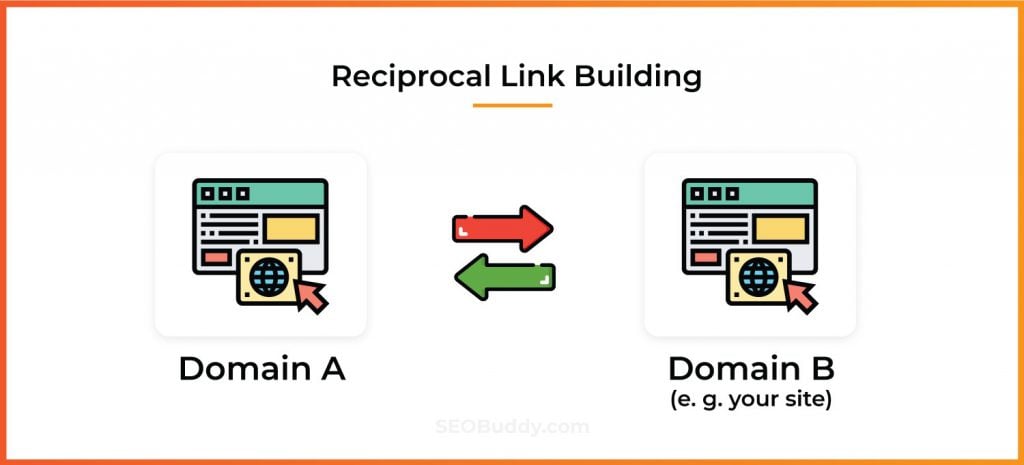
Reciprocal linking means two websites share links. Site A links to Site B. Then Site B links back to Site A. This creates a mutual connection between both sites.
Why Do Websites Use Reciprocal Links?
Websites use reciprocal links to get more visitors. Links from other sites can bring new readers. This helps sites grow their audience and build credibility.
How Do Reciprocal Links Affect Seo?
Search engines check links between websites. Reciprocal links can improve a site’s authority. But too many may look like link trading. Quality and relevance matter most for SEO benefits.
Benefits For Seo
Reciprocal links help websites connect and share traffic. They play a key role in SEO by improving site visibility and authority. Search engines notice these links and may rank sites higher as a result.
These links create a network of trusted sources. This network can boost your website’s credibility in the eyes of search engines. When done properly, reciprocal links benefit both sites involved.
Improves Website Authority
Search engines view reciprocal links as votes of confidence. Each link signals that your site is valuable and trustworthy. This can increase your website’s domain authority over time.
Increases Referral Traffic
Visitors click on links from related sites. Reciprocal links guide users to your website naturally. This steady stream of referral traffic supports growth and engagement.
Enhances Indexing Speed
Search engine bots follow links to find new pages. Reciprocal links help bots discover your site faster. This means your new content gets indexed quicker.
Builds Long-term Partnerships
Exchanging links creates relationships with other webmasters. These connections can lead to more collaboration opportunities. Partnerships often result in more content sharing and traffic.
Risks And Pitfalls
Reciprocal links can seem helpful for building website traffic and SEO. But they come with risks and pitfalls that can harm your site’s ranking. Understanding these dangers helps you avoid costly mistakes.
Search engines watch link patterns closely. Poor reciprocal linking can appear unnatural or spammy. This may lead to penalties or lower search rankings. Choose your link partners carefully and avoid excessive link exchanges.
Link Quality IssuesNot all links have the same value. Links from low-quality or unrelated sites can hurt your SEO. Search engines may view these links as spam. Always check the reputation and relevance of your link partners.
Search Engine PenaltiesExcessive reciprocal linking can trigger penalties from Google. It may see your links as an attempt to manipulate rankings. Penalties can reduce your site’s visibility or remove it from search results.
Wasted Time and EffortReciprocal links require time to set up and maintain. Many links may not bring real visitors or improve SEO. Focus on creating valuable content and earning natural links instead.
Poor User ExperienceLinks should help users find useful information. Reciprocal links to irrelevant sites confuse visitors. This can increase bounce rates and lower your site’s credibility.

Credit: www.hikeseo.co
Choosing The Right Partners
Choosing the right partners for reciprocal links is very important. Good partners help your site grow and improve search rankings. Poor partners can harm your site’s reputation and SEO.
Focus on websites that share your topic or industry. This keeps the link exchange relevant and valuable. Choose partners with a good reputation and steady traffic. This builds trust with search engines and visitors.
Assess Website Quality
Check the partner’s website design and content quality. Sites with clear, useful content are better for linking. Avoid sites with broken links or spammy ads. A high-quality site reflects well on your own.
Match Audience Interests
Pick partners whose audience matches yours. Similar interests mean visitors find the links helpful. This can increase traffic and engagement on both sites. Irrelevant links may confuse visitors and reduce trust.
Evaluate Seo Strength
Look at the partner’s SEO metrics like domain authority. Higher authority sites pass more value through links. Avoid sites with penalties or poor SEO practices. Good SEO health supports your own site’s growth.
Check Link Placement
Find out where links will appear on the partner’s site. Links placed in content are more valuable than footers. Contextual links get more clicks and improve SEO impact. Confirm the link placement before agreeing.
Effective Link Exchange Strategies
Effective link exchange strategies help improve website visibility. They build trust between sites and increase traffic. Good strategies focus on quality, relevance, and fairness. Careful planning ensures links benefit both sites.
These strategies avoid spammy links and protect your SEO. Quality link exchanges create real value for users. Follow clear steps to make link exchanges work well.
Choosing Relevant Websites For Link Exchange
Select websites related to your niche or industry. Relevant sites share similar audiences. This boosts traffic quality and user interest. Avoid unrelated sites that can harm your SEO.
Setting Clear Link Exchange Terms
Agree on link placement and duration before starting. Define the anchor text to use for links. Clarify if links are permanent or temporary. Clear terms prevent confusion and broken agreements.
Maintaining Balanced Link Exchange Ratios
Keep link exchanges fair and balanced. Don’t link only to get backlinks. Share links that add value to both sites. Balanced ratios avoid penalties from search engines.
Monitoring Link Performance Regularly
Track traffic and rankings from exchanged links. Remove links that do not bring value. Update or replace poor-performing links. Monitoring keeps your link profile healthy and effective.
Credit: seobuddy.com
Tools To Manage Reciprocal Links
Managing reciprocal links can be tricky without the right tools. These tools help track link exchanges and ensure they remain active and relevant. Using them saves time and improves your website’s SEO health. They also help spot broken or low-quality links quickly.
Seo Spyglass
SEO SpyGlass checks backlinks for your site and your partners. It shows which links are active and if they follow SEO rules. The tool also finds bad links that can harm your ranking. It offers clear reports that are easy to understand.
Ahrefs
Ahrefs is popular for backlink analysis. It tracks reciprocal links and monitors their status. You can see link growth and spot lost links fast. This helps keep your link profile clean and strong.
Monitor Backlinks
Monitor Backlinks sends alerts when links change or disappear. It checks link quality and competitor link profiles. The tool is simple to use and fits small to medium sites well.
Google Sheets With Add-ons
Google Sheets can help manage link data manually. Using add-ons, you can automate link checks and reminders. This method is cost-effective and flexible for small link networks.
Measuring Impact On Rankings
Measuring the impact of reciprocal links on search rankings can be tricky. These links can influence your site’s authority and traffic. Tracking their effect requires clear methods and tools. It helps to know which links bring real value.
Not all reciprocal links carry the same weight. Some can boost rankings, while others may have little or no effect. Understanding how to measure these differences is key to improving your SEO strategy.
Tracking Referral Traffic From Reciprocal Links
Referral traffic shows visitors coming from linked sites. Use tools like Google Analytics to see this data. Check which reciprocal links send the most visitors. This helps identify valuable partnerships.
Analyzing Changes In Keyword Rankings
Observe your site’s position for target keywords over time. Note any improvements after gaining reciprocal links. Consistent growth might indicate positive influence. Use rank tracking tools for clear insights.
Evaluating Domain Authority And Page Authority
Domain and page authority reflect site strength and trust. Look for changes in these scores after link exchanges. Higher authority can mean better rankings. Tools like Moz provide these metrics easily.
Monitoring Backlink Quality And Relevance
Check if reciprocal links come from related sites. Relevant links have more SEO value. Use backlink analysis tools to assess link quality. Avoid links from low-quality or spammy sites.
Assessing Long-term Ranking Trends
SEO results take time to appear. Track rankings over weeks or months. Look for steady improvement, not sudden spikes. Long-term trends show true impact of reciprocal links.
Alternatives To Reciprocal Linking
Reciprocal linking was popular once. Websites exchanged links to help each other rank better on search engines. This method is less effective now. Search engines prefer natural, relevant links. They also watch for link schemes. Many website owners seek other ways to build strong backlinks. These alternatives provide better results and avoid penalties.
Natural Link Building
Create great content that people want to share. Useful articles, videos, or tools attract real links. When your content helps visitors, other sites link without asking. This method builds trust with search engines and users.
Guest Posting
Write articles for other websites in your niche. Provide valuable information and include a link back to your site. This helps reach new audiences and gain quality backlinks. Choose sites with good reputation and relevant topics.
Social Media Promotion
Share your content on social media platforms. Engage with users and encourage sharing. Social signals can drive traffic and increase brand visibility. Links from social media may not directly boost SEO but help other sites notice your content.
Influencer Outreach
Connect with influencers in your industry. Ask them to review or mention your content. Influencers have trusted audiences that can link to your site. Personal relationships help gain genuine links and improve your online presence.
Resource Page Links
Find websites with resource or link pages related to your topic. Suggest your content as a helpful addition. Resource pages often list useful tools and guides. Getting listed here can bring targeted traffic and strong backlinks.
Frequently Asked Questions
What Are Reciprocal Links In Seo?
Reciprocal links are mutual backlinks between two websites. Both sites agree to link to each other. This improves SEO by increasing referral traffic and authority. However, excessive reciprocal linking can be seen as manipulative by search engines.
How Do Reciprocal Links Affect Search Rankings?
Reciprocal links can boost rankings if relevant and natural. They help search engines understand site relationships. But too many reciprocal links may trigger penalties. Quality and context matter more than quantity for SEO benefits.
Are Reciprocal Links Still Useful In 2024?
Yes, reciprocal links remain useful when done correctly. They build relationships and drive targeted traffic. Focus on relevant, high-quality sites for linking. Avoid link schemes to maintain SEO value and avoid penalties.
How To Create Effective Reciprocal Link Partnerships?
Choose websites with similar niches and audiences. Ensure both sites offer valuable content. Communicate clearly about linking terms and benefits. Monitor link quality regularly to maintain SEO effectiveness.
Conclusion
Reciprocal links help build connections between websites. They can improve your site’s visibility on search engines. Use them wisely and choose relevant sites to link with. Avoid linking to low-quality or spammy sites. Focus on creating valuable content for your visitors.
Good links bring steady traffic and trust. Keep your link exchanges natural and fair. Overdoing it may harm your rankings. Balance is key for successful link building. Try to grow your network slowly and carefully. This approach supports long-term website growth and reputation.