



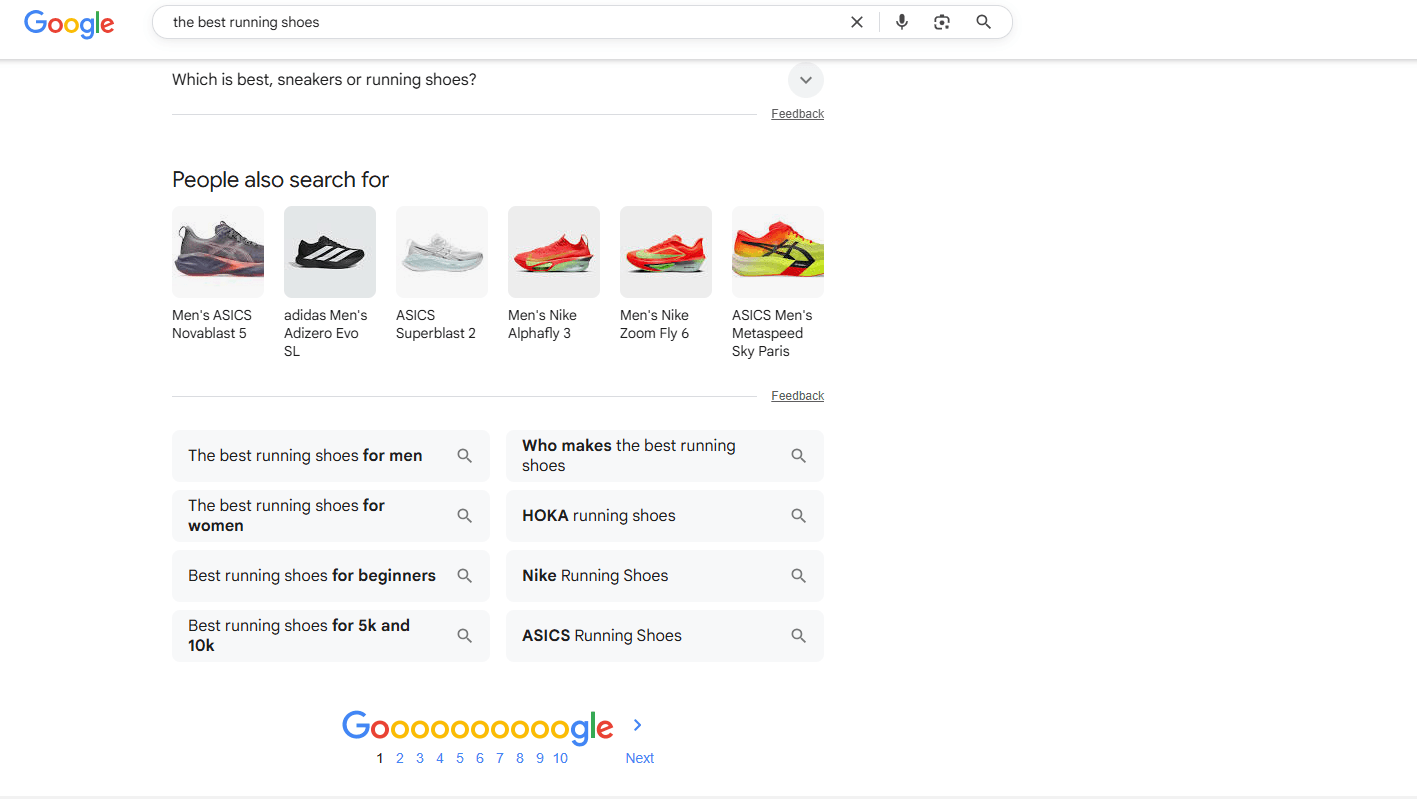
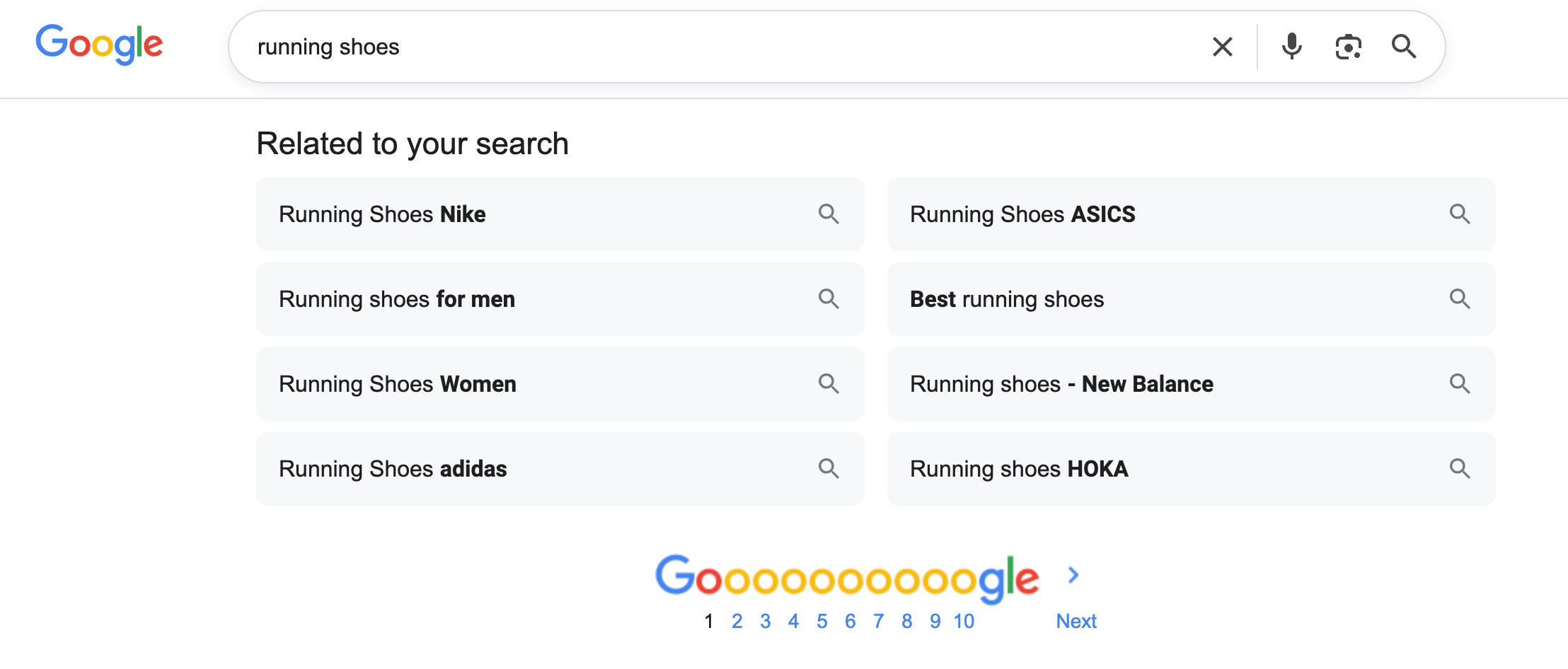
When you search for something online, have you ever noticed a list of suggestions popping up at the bottom or side of the page? These are called ”Related Searches,” and they can be a game-changer for you.
They help you discover new ideas, find exactly what you need faster, and even unlock hidden information you didn’t know to look for. You’ll learn how to use related searches to your advantage and make your online search experience smarter and more efficient.
Keep reading—you’re about to turn your searches into powerful tools that save you time and effort.
Credit: www.webfx.com
Related Searches And Seo
Related searches play a key role in SEO. They help search engines understand what users want. By targeting related searches, websites can reach a wider audience. These searches connect your content to similar topics. This improves your chances of ranking higher in search results.
Understanding related searches also helps create better content. It guides you to include useful keywords naturally. This makes your pages more relevant and valuable to visitors. Search engines reward relevance with better rankings. The right use of related searches can boost your site’s visibility and traffic.
How Related Searches Influence Rankings
Search engines use related searches to find content connections. They check if your page matches user intent beyond main keywords. Pages that cover related terms often rank higher. This shows the page is thorough and helpful. Related searches also reduce bounce rates by keeping users engaged. The more relevant your content, the better your rankings.
Using related searches helps search engines understand context. This improves your chances of appearing in featured snippets and suggested searches. It also helps your site get recommended alongside similar topics. Overall, related searches improve your site’s authority and trustworthiness.
Types Of Related Searches To Target
Target different types of related searches to reach more users. These include:
- Synonyms: Words with similar meanings to your main keywords.
- Long-tail keywords: Longer phrases that are more specific.
- Questions: Common questions users ask about your topic.
- Related topics: Themes connected to your main subject.
- Geographic searches: Location-based terms if your content is local.
Covering these types broadens your content’s reach. It also helps capture different user intents. This makes your SEO strategy more effective and diverse.
Finding Hidden Seo Opportunities
Finding hidden SEO opportunities can boost your website’s traffic. Related searches help uncover new keywords. These keywords can improve your content and ranking. Many webmasters miss this chance to grow their audience. Exploring related searches leads to fresh ideas and topics.
Using Related Searches For Keyword Expansion
Related searches show terms users often search together. These terms help expand your keyword list. Adding these keywords to your content can attract more visitors. It also helps you cover topics your audience wants. Use related searches to find long-tail keywords. These keywords face less competition and bring targeted traffic.
Tools To Discover Related Search Terms
Several tools help find related search terms easily. Google’s “Searches related to” section is a simple start. Tools like Ubersuggest and AnswerThePublic provide many keyword ideas. SEMrush and Ahrefs offer detailed related keyword analysis. Choose tools that fit your budget and needs. Use these tools to explore new content opportunities.
Optimizing Content With Related Searches
Optimizing content with related searches helps improve SEO and user experience. Related searches show what users want beyond the main keyword. Using these terms makes content more relevant and comprehensive. It also helps capture more search traffic from similar queries.
Incorporating Related Keywords Naturally
Use related keywords in your text without forcing them. Write sentences that flow well and sound natural. Avoid keyword stuffing or awkward phrases. Place related terms in titles, subheadings, and throughout the content. This approach helps search engines understand your topic better.
Creating Content Clusters Around Related Topics
Group articles around a main theme and related subtopics. This structure builds authority and improves site navigation. Each piece links to others in the cluster, helping users find more information. Content clusters signal to search engines that your site covers a topic deeply. This can boost rankings for multiple related keywords.

Credit: www.algolia.com
Boosting Traffic Quickly
Boosting traffic quickly is key for any website. It helps your content reach more people fast. Using related searches can guide visitors to your site. These searches show what users often look for alongside your main topic. Tapping into these can increase your visibility and clicks.
Leveraging Related Searches For Featured Snippets
Related searches often lead to featured snippets in search results. These snippets show brief answers at the top of the page. Creating content that matches these related queries can earn you a snippet spot. Focus on clear, simple answers. Use bullet points or short paragraphs to improve chances. Snippets bring high traffic because they stand out on the page.
Improving User Engagement With Related Content
Showing related searches on your site keeps visitors interested. It offers them more topics to explore. This lowers bounce rates and increases time spent on your page. Link to articles or videos that match these related queries. This approach creates a smoother user experience. Visitors feel guided and find value in your content. Engaged users often return and share your site.
Tracking And Measuring Success
Tracking and measuring success is key to improving SEO efforts. It shows what works and what needs change. Without tracking, you guess your results. With good data, you make smart choices. This helps your website rank better for related searches.
Monitoring Rankings For Related Keywords
Check how your site ranks for related keywords often. Use tools to see position changes on search engines. Watch keywords that bring the most traffic. Spot those that drop in rank fast. This helps you focus on terms that matter most.
Track both main and long-tail related keywords. Long-tail keywords bring targeted visitors. Their rankings tell you about your content’s reach. Keep an eye on competitor rankings too. This gives insights about your market position.
Adjusting Strategy Based On Performance Data
Use ranking data to change your SEO plan. Improve pages that lose traffic or rank low. Add fresh content for keywords that do well. Remove or update content that underperforms. Test different approaches and measure results.
Focus on keywords with high click-through rates. Optimize titles and descriptions for these terms. Stop spending time on keywords with no growth. Regular updates keep your SEO strategy strong. Data-driven changes lead to better search visibility.
Credit: www.seroundtable.com
Frequently Asked Questions
What Are Related Searches In Seo?
Related searches are suggested queries linked to your original search. They help users explore similar topics. SEO uses them to target relevant keywords and improve content relevance.
How Do Related Searches Improve User Experience?
They offer alternative search ideas, helping users find more relevant information quickly. This increases engagement and reduces bounce rates on websites.
Can Related Searches Boost Website Traffic?
Yes, targeting related searches can attract diverse visitors. They expand keyword reach and improve rankings, driving more organic traffic to your site.
Where Do Related Searches Appear On Google?
Related searches usually appear at the bottom of Google’s search results page. They guide users to explore similar or broader topics related to their query.
Conclusion
Related searches help you find what others want to know. They guide you to useful and connected topics. This makes your search faster and smarter. Use related searches to explore new ideas or check different views. They can show words and phrases you might not think of.
This helps you learn more and find better answers. Keep an eye on these suggestions to improve your searches every time. Simple, clear, and helpful – that’s what related searches offer. Try using them often and see the difference.