


Are you struggling to get your website noticed? The key to driving more visitors and growing your online presence lies in your search engine ranking.
When your site appears near the top of search results, more people click, explore, and trust your content. Imagine turning your website into a powerful tool that attracts the right audience effortlessly. You’ll discover simple, effective strategies to improve your search engine ranking and watch your online visibility soar.
Keep reading to unlock the secrets that can transform your website’s success.
Search Engine Basics
Understanding search engine basics is key to improving your website’s visibility. Search engines help users find information fast. They use special systems to sort and rank millions of web pages. Knowing how these systems work gives you an edge in digital marketing.
Search engines do more than just list pages. They analyze content, check links, and look for relevance. This process decides which sites appear first in search results. The goal is to show the best answers to user questions.
How Search Engines Work
Search engines start by crawling the web. They visit pages and follow links to discover new content. Next, they index the pages. Indexing means storing the page information in a big database. When a user types a query, the engine searches this index for matches.
After finding relevant pages, the engine ranks them. Ranking depends on many factors. The top results usually answer the user’s question well. Speed and accuracy matter. Search engines aim to give users the best experience.
Key Ranking Factors
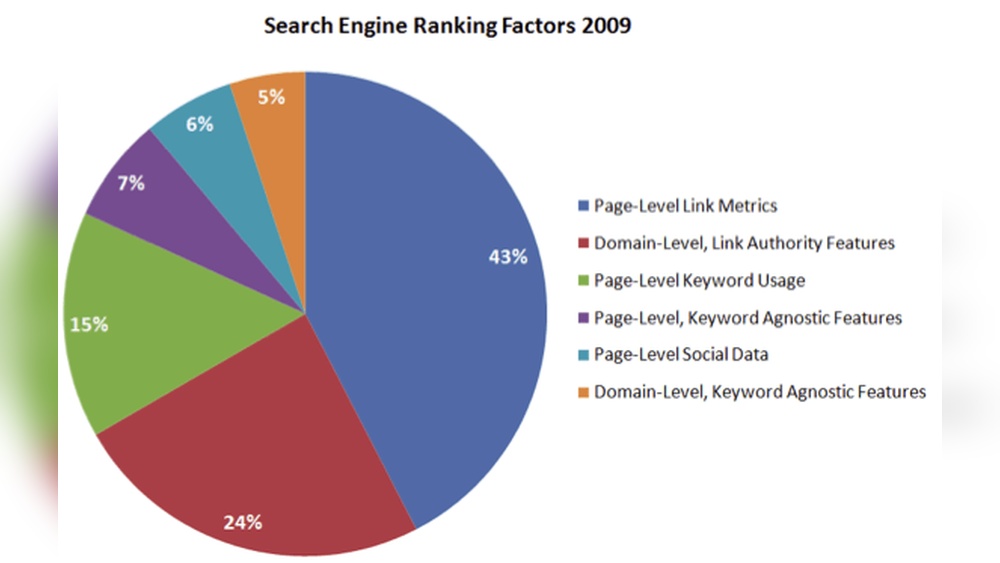
Content quality is a top ranking factor. Pages with clear, useful information perform better. Keywords help search engines understand the topic. Using them naturally in titles and text is important.
Links from other websites also boost rankings. Trusted sites linking to you show your content is valuable. User experience plays a role too. Fast-loading pages and mobile-friendly design improve rankings. Search engines want users to find helpful sites quickly.
Keyword Strategies
Keyword strategies shape your search engine ranking. They help search engines find your content. Good keywords attract the right visitors. Poor choices waste time and effort. Focus on smart keyword use to improve visibility and traffic.
Finding High-impact Keywords
High-impact keywords bring more visitors. Use tools like Google Keyword Planner to find them. Look for keywords with high search volume and low competition. Choose words your audience uses in searches. Targeting the right keywords increases your chances of ranking well.
Using Long-tail Keywords
Long-tail keywords are longer and more specific phrases. They have lower search volume but higher intent. Visitors who use long-tail keywords often want to buy or learn. Adding these keywords can attract targeted traffic. They make it easier to rank on search engines.
Avoiding Keyword Stuffing
Keyword stuffing means overusing keywords unnaturally. It harms your ranking and annoys readers. Write with keywords in a natural way. Use synonyms and related terms. Keep your content clear and easy to read. Quality matters more than keyword quantity.
On-page Optimization
On-page optimization plays a key role in search engine ranking. It involves improving elements on your website pages. These changes help search engines understand your content better. They also make your site more user-friendly. Simple tweaks can lead to higher rankings and more traffic.
Crafting Compelling Titles
Titles are the first thing people see in search results. A clear, relevant title draws clicks and attention. Use important keywords at the start of your title. Keep titles under 60 characters to avoid being cut off. Write titles that match the page content exactly. This builds trust with visitors and search engines.
Optimizing Meta Descriptions
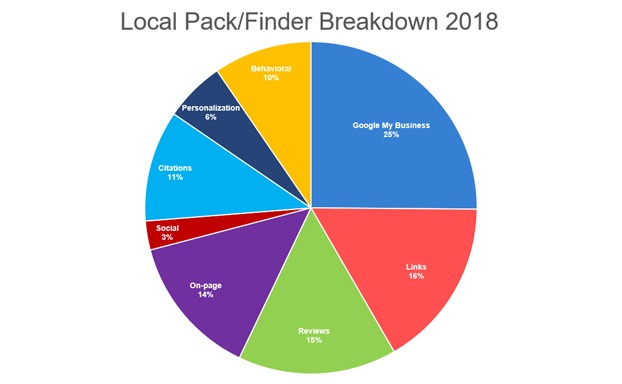
Meta descriptions appear below titles in search results. They give a brief summary of the page content. Write meta descriptions with clear, simple sentences. Include main keywords naturally without stuffing. Keep descriptions between 150 and 160 characters. A good meta description encourages users to click your link.
Improving Url Structure
URLs should be short, clear, and easy to read. Use words that describe the page topic. Avoid long strings of numbers or symbols. Hyphens work better than underscores to separate words. Clean URLs help search engines and users understand page content. Consistent URL structure improves site navigation and ranking.
Enhancing Content Quality
Content must be useful, original, and easy to read. Use simple words and short sentences. Break text into small paragraphs and use headings. Add relevant images or videos to support the text. Update content regularly to keep it fresh and accurate. High-quality content attracts visitors and earns better rankings.
Credit: grazemarketing.com
Technical Seo Tips
Technical SEO is the foundation of a strong website. It helps search engines understand your content better. Fixing technical issues improves your rankings and user experience. This section covers key tips to enhance your website’s technical SEO.
Boosting Site Speed
Fast websites keep visitors engaged. Slow loading pages cause users to leave. Compress images and use browser caching. Minimize code like CSS and JavaScript. Use a reliable hosting service. These steps make your site load quickly.
Mobile-friendly Design
Most people browse on phones. Your website must look good on small screens. Use responsive design that adapts to all devices. Avoid pop-ups that block content. Make buttons easy to tap. Mobile-friendly sites rank higher on search engines.
Fixing Crawl Errors
Search engines use bots to scan your site. Crawl errors stop them from reading pages. Check Google Search Console for errors. Fix broken links and missing pages. Create a clear site map. This helps search engines find and index your content.
Implementing Schema Markup
Schema markup adds extra information to your site code. It helps search engines understand your content better. Use it for reviews, events, products, and more. Schema can enhance your search listings with rich snippets. This can increase your click-through rates.
Link Building Techniques
Link building is a key strategy for improving search engine ranking. It helps search engines find your site and see it as trustworthy. Good links from other websites show your site has value. Focus on techniques that bring quality links. Avoid shortcuts that can hurt your ranking.
Earning Quality Backlinks
Quality backlinks come from trusted, relevant sites. These links carry more weight with search engines. Create helpful content that others want to share. Write guides, articles, or resources that solve problems. Reach out to websites in your niche politely. Ask if they find your content useful for their readers.
Guest Posting Benefits
Guest posting means writing articles for other websites. This builds your reputation and connects you with new audiences. Choose sites that relate to your topic and have good traffic. Write unique, useful articles that add value. Include a link back to your site naturally. This helps improve your search ranking and visibility.
Using Social Media
Social media platforms spread your content quickly. Share your articles and engage with followers regularly. Active profiles can attract shares and links from users. Join groups and communities related to your niche. Share insights and helpful tips to build trust. Social media signals can indirectly improve your search ranking.
Credit: nestify.io
Content Marketing
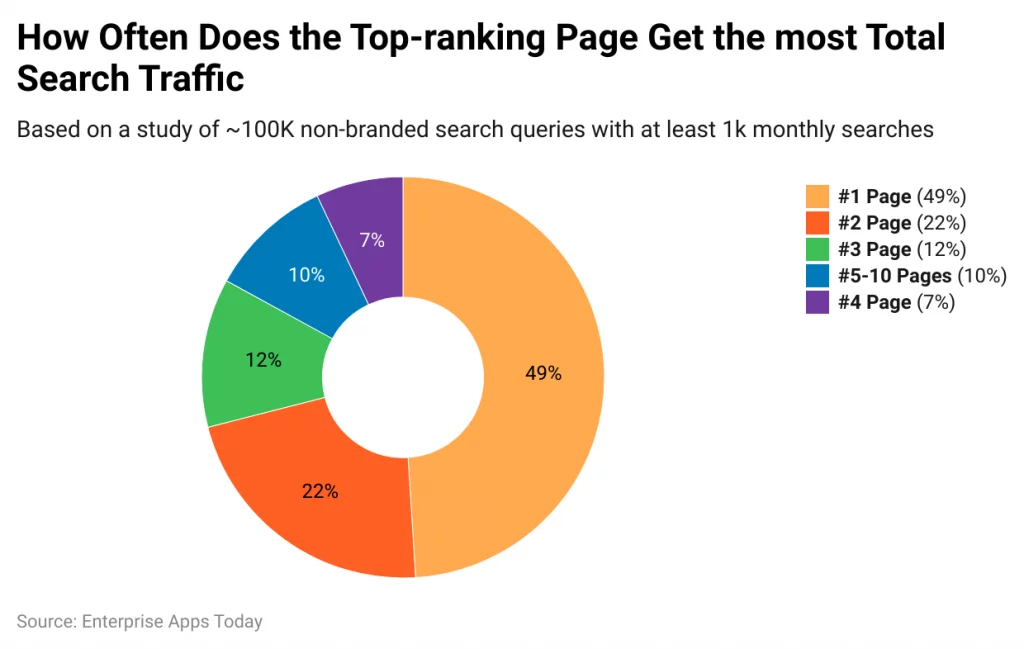
Content marketing plays a key role in improving search engine ranking. It helps websites attract visitors and keep them interested. Good content builds trust and shows expertise. Search engines like Google rank sites higher when they have useful and fresh content.
Creating quality content requires focus on the reader’s needs. Content should be clear, helpful, and easy to read. Using the right keywords naturally helps search engines understand the topic. Consistent posting also signals that a website is active and relevant.
Creating Engaging Content
Write content that answers common questions. Use simple words and short sentences. Stories and examples make content more interesting. Ask questions to make readers think. Keep paragraphs short for easier reading. Use headings to break up text. This keeps visitors on the page longer.
Updating Old Posts
Old posts can lose value over time. Refresh them by adding new facts or data. Fix broken links and update images. This shows search engines the content is current. It also improves user experience. Updated posts often rank higher than untouched ones.
Utilizing Visuals
Visuals like images and videos attract attention. They explain ideas faster than text alone. Use clear and relevant images to support content. Infographics simplify complex information. Properly named image files help SEO. Alt text describes visuals for search engines and users with disabilities.
Tracking And Analytics
Tracking and analytics play a key role in improving search engine ranking. They help you understand how visitors find and use your website. This insight guides you to make better decisions. Data shows what works and what needs change. Proper tracking can boost your site’s visibility over time.
Monitoring Traffic Sources
Know where your visitors come from. Traffic sources include search engines, social media, and direct visits. Tracking these sources helps identify the most effective channels. Focus your efforts on the channels that bring quality traffic. Watch for changes in traffic patterns to adapt quickly.
Analyzing User Behavior
See how users interact with your site. Check which pages they visit and how long they stay. Notice the paths users take through your content. Identify pages with high bounce rates to find problems. Understanding behavior helps improve user experience and engagement.
Adjusting Strategies Based On Data
Use data to refine your SEO strategies. Stop tactics that don’t bring results. Invest more in methods that drive traffic and engagement. Test changes and track their impact on ranking. Data-driven adjustments keep your SEO efforts effective and relevant.
Credit: www.kinexmedia.com
Frequently Asked Questions
What Factors Influence Search Engine Ranking The Most?
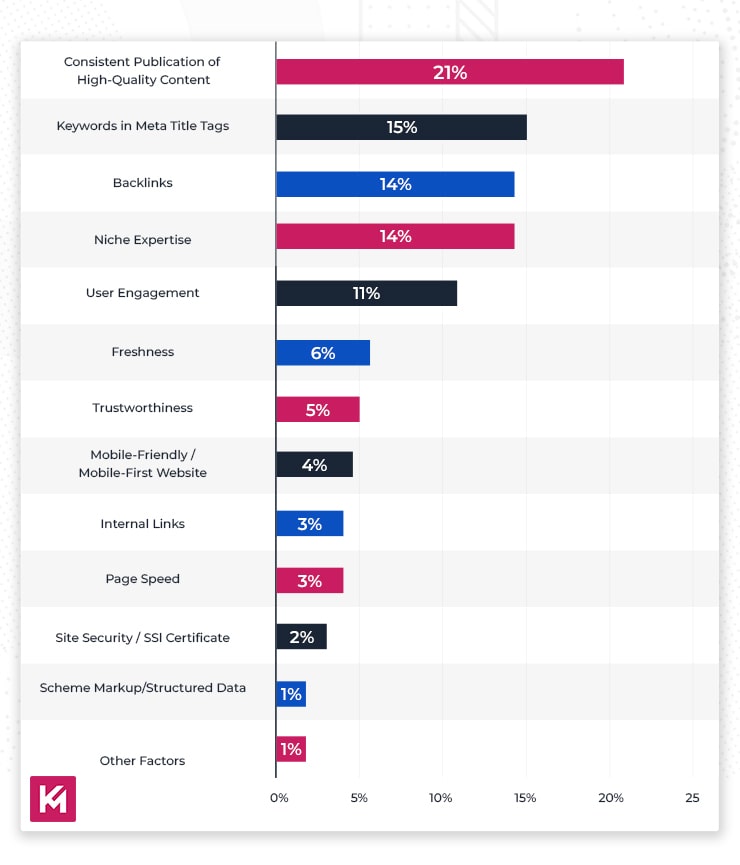
Search engines prioritize relevance, quality content, backlinks, and user experience. Keywords, site speed, and mobile-friendliness also impact rankings. Consistent optimization improves visibility over time.
How Long Does It Take To Improve Search Engine Ranking?
Improving ranking typically takes 3 to 6 months. Results depend on competition, content quality, and SEO strategies. Regular updates and link building speed up progress.
Why Is Keyword Research Important For Search Engine Ranking?
Keyword research identifies terms users search for. It helps create relevant content that matches user intent. Proper keywords improve traffic and ranking effectiveness.
How Do Backlinks Affect Search Engine Ranking?
Backlinks from reputable sites boost credibility and authority. They signal trustworthiness to search engines, improving your ranking. Quality matters more than quantity in backlinks.
Conclusion
Search engine ranking affects how many people find your website. Good content and clear structure help improve your rank. Use keywords that match what people search for. Keep your site fast and easy to use. Regular updates show search engines your site is active.
Focus on creating helpful information for visitors. Small changes can lead to better visibility. Keep working on your site step by step. This will bring more visitors over time. Success comes from patience and consistent effort.