


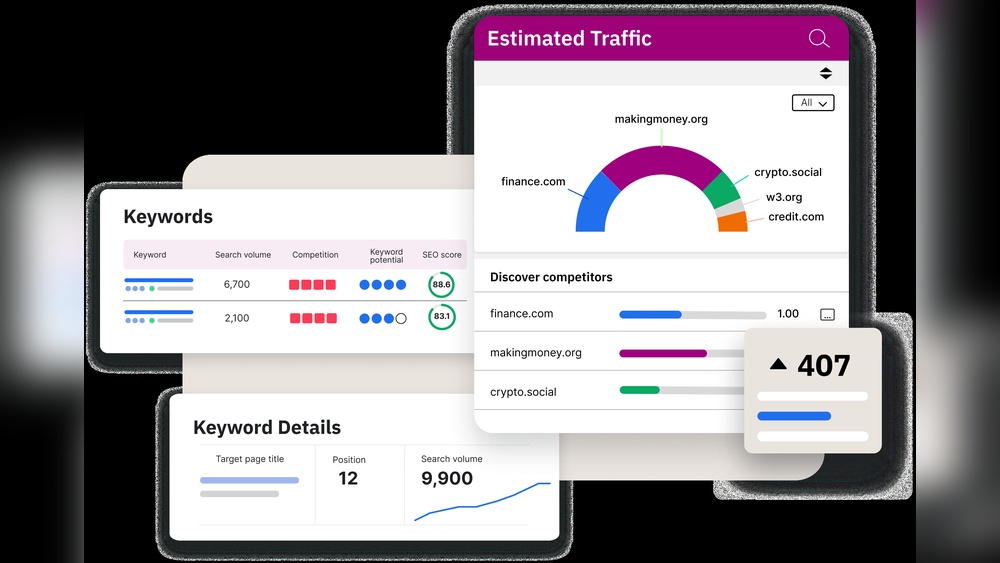
If you want your website to stand out and attract more visitors, understanding SEO analytics is a game-changer. Imagine having a clear map that shows exactly what’s working and what’s holding your site back.
SEO analytics gives you that power. By diving into the numbers, you can make smarter decisions that boost your rankings and bring more people to your content. Keep reading, and you’ll discover simple ways to use SEO analytics to grow your online presence faster than you thought possible.
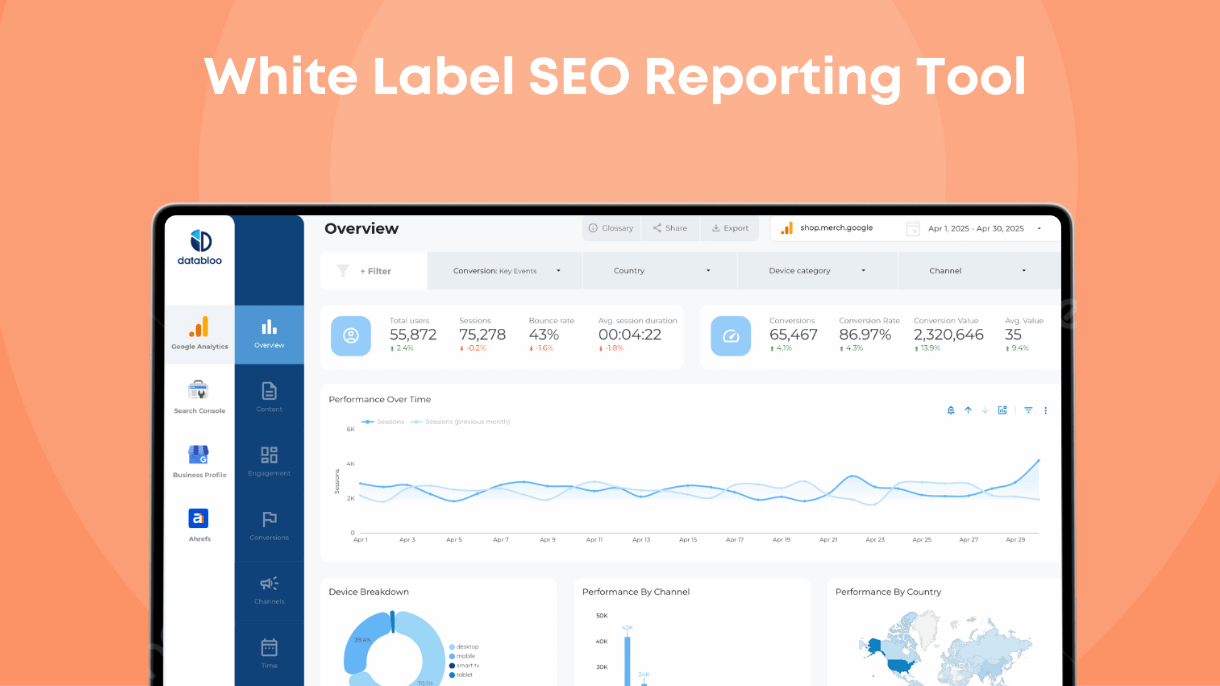
Credit: www.databloo.com
Seo Analytics Basics
SEO analytics helps you understand how your website performs in search engines. It shows what works and what needs change. Tracking data lets you improve your site’s visibility and attract more visitors.
By learning SEO analytics basics, you gain clear insights into your site’s strengths and weaknesses. This knowledge helps you make smart decisions for better results.
Key Metrics To Track
Start with key metrics that show your SEO health. Organic traffic tells how many visitors find you through search engines. Keyword rankings reveal your position for important search terms. Bounce rate shows how many leave your site quickly. Click-through rate measures how many click on your links in search results. Page load time affects user experience and rankings. Tracking these numbers helps you see progress and spot problems early.
Tools For Seo Analytics
Several tools make SEO analytics easier. Google Analytics tracks visitor behavior and traffic sources. Google Search Console shows keyword performance and site errors. SEMrush offers competitor analysis and keyword research. Ahrefs provides backlink data and site audits. These tools give clear reports and help you act fast. Using them regularly improves your SEO strategy step by step.
Data Collection Methods
Collecting data is key to effective SEO analysis. Without accurate data, it is hard to know what works and what does not. Different tools help gather useful information about website traffic, user behavior, and search performance. These tools provide insights that guide SEO strategies.
Data collection methods vary depending on the tool used. Each tool offers unique data types and reports. Choosing the right method ensures better understanding of your SEO efforts.
Using Google Analytics
Google Analytics tracks website visitors and their actions. It shows how users find your site and what they do there. Metrics like page views, bounce rate, and session duration are easy to access. This data helps identify popular pages and user engagement levels.
Setting up Google Analytics is simple and free. It requires adding a tracking code to your website. This tool also supports custom reports and goals, which help measure specific SEO results.
Leveraging Search Console Data
Google Search Console shows how your site performs in search results. It provides data on clicks, impressions, and average position. This tool highlights search queries that bring users to your website.
It also alerts you about technical issues like crawl errors or mobile usability problems. Fixing these issues improves your site’s search ranking. Search Console data is essential for monitoring SEO health.
Third-party Seo Tools
Third-party SEO tools offer additional data and analysis options. Tools like Ahrefs, SEMrush, and Moz provide keyword research, backlink tracking, and competitor analysis. These tools collect data from various sources to give a broad SEO overview.
They often include site audits and rank tracking features. Using these tools helps spot SEO opportunities and threats. Combining multiple tools gives a deeper insight into SEO performance.
Analyzing Traffic Sources
Understanding where your website traffic comes from helps improve your SEO strategy. Analyzing traffic sources reveals which channels bring visitors. This data shows what works and what needs change. Tracking these sources guides better decisions for growth and engagement.
Organic Vs Paid Traffic
Organic traffic comes from search engines without payment. It shows how well your SEO performs. Paid traffic comes from ads you buy online. It delivers quick visitors but costs money. Comparing both helps balance efforts and budgets. Focus on organic traffic for long-term growth. Use paid traffic to boost short-term goals.
Referral And Direct Traffic Insights
Referral traffic comes from other websites linking to yours. It indicates strong partnerships and content value. Direct traffic means users type your URL or use bookmarks. It shows brand awareness and loyal visitors. Both types give clues about your site’s popularity. Tracking these helps improve marketing and user experience.
Keyword Performance Tracking
Keyword Performance Tracking helps you understand how well your keywords do. It shows which words bring visitors to your site. Tracking these words helps improve your SEO efforts and grow your traffic.
This process gives clear data on which keywords work best. It shows where your site ranks on search engines for each keyword. This insight helps you focus on words that matter most to your audience.
Identifying High-value Keywords
High-value keywords attract more visitors and potential customers. These words have good search volume but low competition. Finding these keywords means your site can rank higher easier.
Use tools to see which keywords bring quality traffic. Focus on words that match user intent and your content. Prioritize keywords that drive real engagement and sales.
Monitoring Keyword Rankings
Tracking keyword rankings shows how your SEO changes over time. It reveals if your site moves up or down in search results. This helps you spot problems or successes quickly.
Regular monitoring lets you adjust your strategy fast. Keep an eye on your main keywords each week or month. This keeps your SEO efforts focused and effective.
Competitor Analysis
Competitor analysis plays a key role in SEO analytics. It helps you understand your market and improve your strategies. By studying competitors, you can see what works and what does not. This insight guides your SEO efforts to perform better and attract more visitors.
Benchmarking Against Competitors
Benchmarking measures your site against competitors’ websites. It shows how well you rank for keywords they target. Use tools to check their traffic, backlinks, and content quality. Compare these metrics with your own to find strengths and weaknesses. This process helps set realistic goals and improve your SEO plan.
Finding Content Gaps
Content gaps are topics your competitors cover but you do not. Identifying these gaps gives ideas for new content. It helps attract more visitors who search for these topics. Analyze competitor blogs, pages, and keywords to spot missing areas. Filling these gaps boosts your site’s value and search rankings.
User Behavior Insights
User behavior insights help understand how visitors interact with your website. These insights reveal patterns that show what works and what needs fixing. You can improve your site by analyzing key metrics that reflect user actions.
Knowing how users behave helps increase engagement and boost SEO performance. It guides decisions on content, design, and marketing strategies. The focus here is on bounce rate, dwell time, and conversion tracking.
Bounce Rate
Bounce rate measures the percentage of visitors who leave after viewing one page. A high bounce rate often means visitors do not find what they want. It can signal slow loading, confusing layout, or poor content. Lowering bounce rate improves user experience and search rankings.
Dwell Time
Dwell time shows how long a visitor stays on your page before leaving. Longer dwell time means users find your content useful and engaging. It signals quality to search engines, helping your SEO. Short dwell time may require better content or clearer calls to action.
Conversion Tracking
Conversion tracking monitors actions that meet your business goals. Examples include purchases, sign-ups, or downloads. It shows which pages and campaigns drive results. This data helps improve marketing efforts and maximize return on investment.
Seo Reporting And Visualization
SEO reporting and visualization help track website performance clearly. They show how well your SEO efforts work. Good reports turn complex data into simple charts and graphs. This makes it easy to see trends and results fast.
Reports help teams make smart decisions. Visual tools highlight important information quickly. They make data easy to understand for everyone.
Creating Custom Dashboards
Custom dashboards let you see the data that matters most. Choose specific metrics like traffic, rankings, or conversions. Arrange charts and tables in one place for easy viewing.
Dashboards save time by showing key data at a glance. You avoid digging through many reports. Customize colors and layouts to match your needs. This keeps your SEO goals clear and focused.
Automating Reports
Automate reports to send updates regularly without manual work. Set daily, weekly, or monthly delivery to your email or team tools. Automation keeps everyone informed with fresh data.
This helps track progress and spot problems early. Automated reports reduce errors and save time. They ensure consistent sharing of SEO results across teams.
Credit: www.accuranker.com
Actionable Strategies From Analytics
SEO analytics offers valuable data to improve your website’s performance. It shows what works and what needs fixing. Using this data, you can create clear steps to boost your rankings and traffic.
Analytics help find weak spots and strong areas in your SEO. Acting on these insights makes your site more visible and user-friendly. Here are key strategies to apply from your SEO analytics data.
Content Optimization
Check which pages get the most visits and engagement. Focus on updating content that performs poorly. Use keywords that attract more visitors. Make content clear and easy to read. Add images or videos to keep users interested. Remove or fix outdated information to keep pages relevant.
Technical Seo Improvements
Use analytics to find slow-loading pages. Fix these to improve user experience and rankings. Look for broken links and errors on your site. Ensure your website works well on mobile devices. Check that search engines can easily crawl your pages. Regularly update your sitemap and robots.txt files for better indexing.
Link Building Opportunities
Find pages with high traffic but few backlinks. Reach out to related sites for link partnerships. Use analytics to spot content that attracts natural links. Create more content like your top-performing pages. Monitor your backlinks to remove harmful or low-quality links. Build links that come from trusted and relevant sites.

Credit: aioseo.com
Frequently Asked Questions
What Is Seo Analytics And Why Is It Important?
SEO analytics tracks website performance in search engines. It helps identify traffic sources, keyword rankings, and user behavior. This data guides optimization strategies to improve visibility and increase organic traffic. Understanding SEO analytics is crucial for effective digital marketing and achieving higher search rankings.
How Do Seo Analytics Tools Work?
SEO analytics tools collect data from search engines and websites. They analyze keywords, backlinks, traffic, and user engagement. These tools generate reports that highlight strengths and weaknesses in SEO efforts. Marketers use this data to make informed decisions and improve website ranking.
Which Metrics Are Most Important In Seo Analytics?
Key SEO metrics include organic traffic, keyword rankings, bounce rate, and conversion rate. Tracking backlinks and page load speed also matters. These metrics reveal how well your website attracts and retains visitors, helping refine SEO strategies for better results.
How Often Should I Review Seo Analytics Reports?
Review SEO analytics reports at least once a month. Frequent analysis helps spot trends, measure campaign effectiveness, and adjust tactics promptly. Regular monitoring ensures continuous improvement and keeps your SEO strategy aligned with business goals.
Conclusion
SEO analytics helps track website performance clearly and simply. It shows which keywords bring the most visitors. You can see how users behave on your site. This information guides you to improve your content and design. Regularly checking analytics keeps your SEO efforts focused and effective.
Small changes based on data often lead to better results. Understanding these numbers is key to growing your online presence. Keep learning and adjusting your strategy for steady progress. SEO analytics is a useful tool for every website owner.