


If you want your website to stand out, you can’t ignore what your competitors are doing. SEO competitor analysis gives you the insider edge to see what’s working for others and how you can do it better.
Imagine knowing exactly which keywords bring them traffic, where they get their backlinks, and what content grabs their audience. This knowledge helps you make smarter decisions and avoid costly mistakes. Keep reading, and you’ll discover simple steps to uncover your competitors’ secrets and boost your own SEO game.
Your success starts with understanding the competition.

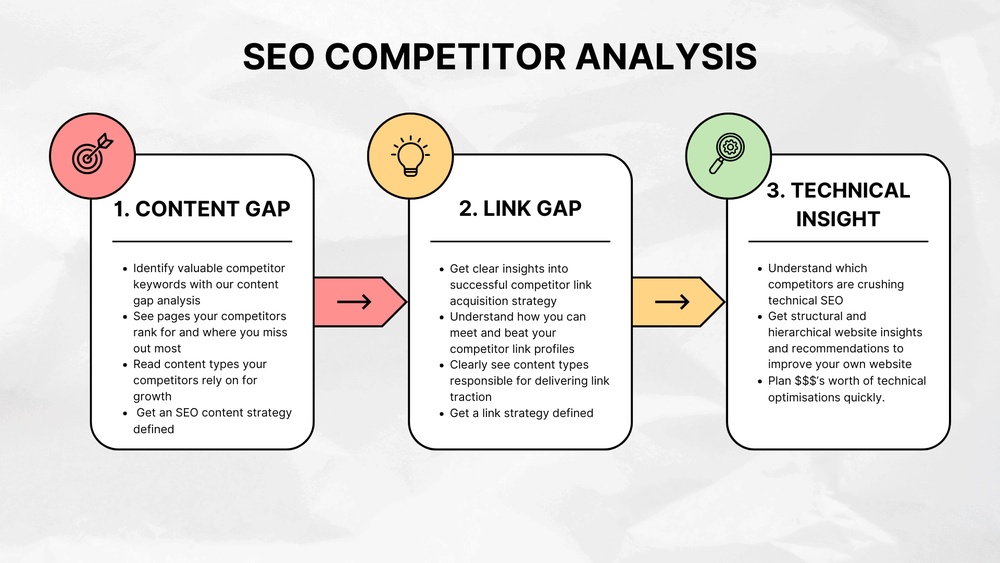
Credit: ideadigital.agency
Setting Up Competitor Analysis
Setting up competitor analysis is the first step in improving your SEO strategy. It helps you learn what others in your market are doing. This knowledge guides your decisions and shows areas to improve. Careful setup ensures you track the right data from the start.
Choosing The Right Competitors
Start by selecting competitors who target the same audience. Pick websites that rank well for your main keywords. Include both direct and indirect competitors. Direct competitors sell similar products or services. Indirect ones share your audience but offer different solutions. This mix gives a fuller market picture.
Tools For Competitor Research
Use reliable tools to gather competitor data. Tools like SEMrush, Ahrefs, and Moz provide keyword and backlink insights. Google Search Console helps spot ranking gaps. Free tools like Ubersuggest work for beginners. These tools save time and give clear information.
Gathering Baseline Data
Collect basic data before deep analysis. Note competitors’ top keywords, traffic estimates, and backlink profiles. Record their content topics and posting frequency. Track page speed and mobile usability. This baseline shows where competitors stand now. It sets a clear comparison for future progress.
Analyzing Keyword Strategies
Analyzing keyword strategies is a key step in SEO competitor analysis. It helps you see what keywords bring traffic to your rivals. This insight guides your own keyword choices. You can improve your SEO and attract more visitors. Let’s explore how to analyze keyword strategies effectively.
Identifying High-performing Keywords
Start by finding keywords that drive the most traffic to competitors. Use SEO tools to discover these terms. Look for keywords with high search volume and low competition. Notice which keywords appear in top-ranking pages. These keywords show what topics interest the audience most.
Evaluating Keyword Gaps
Check for keywords your competitors use but you do not. These gaps reveal new opportunities for your content. Fill these gaps by creating pages targeting those keywords. This helps you reach a wider audience. Avoid missing out on valuable search terms that bring visitors.
Tracking Keyword Trends
Watch how keyword popularity changes over time. Seasonal trends and current events affect search behavior. Use tools to track rising or falling keywords. Adjust your content to match these trends. Staying updated keeps your SEO relevant and competitive.
Examining Backlink Profiles
Examining backlink profiles is a key part of SEO competitor analysis. Backlinks show which sites link to your competitors. These links affect their site authority and rankings. Studying these links helps you learn their strengths and weaknesses. It also reveals chances to improve your own link profile.
Spotting Quality Backlinks
Quality backlinks come from trusted and relevant sites. These links boost your site’s reputation in search engines. Look for links from popular blogs, news sites, or industry leaders. Check the domain authority of linking websites. Strong backlinks often have high authority and relate closely to your niche.
Discovering Link Building Tactics
Competitors use various ways to get backlinks. Some write guest posts or create shareable content. Others get links through partnerships or sponsorships. Notice patterns in their link sources and types. This insight can guide your own link building plans. Use similar tactics that fit your brand and audience.
Avoiding Toxic Links
Toxic links come from spammy or low-quality sites. These links can harm your rankings and site trust. Identify bad backlinks by checking site quality and relevance. Watch for links from unrelated topics or link farms. Removing or disavowing toxic links protects your SEO health.
Assessing Content Approaches
Assessing content approaches is key to understanding how competitors attract and engage their audience. It reveals what works well and what does not. This insight helps shape your own content strategy for better results.
Evaluating Content Types
Look at the kinds of content your competitors use. Blogs, videos, infographics, podcasts—each type serves different audience needs. Notice which formats get the most attention. This helps identify what your audience prefers.
Analyzing Content Depth And Freshness
Check how detailed competitor content is. Do they cover topics fully or just scratch the surface? Fresh content often ranks higher. See how often they update or add new posts. This keeps their site relevant and engaging.
Spotting Content Gaps
Find areas your competitors miss or ignore. These gaps are chances to provide unique value. Cover topics they skip or offer better answers. Filling these gaps can attract visitors searching for specific information.
Reviewing Technical Seo Factors
Reviewing technical SEO factors is key in competitor analysis. These factors affect how search engines read and rank websites. Understanding these helps you spot gaps and improve your own site. Technical SEO sets the foundation for strong online performance.
Site Speed And Mobile Usability
Site speed affects user experience and search rankings. Slow pages cause visitors to leave quickly. Check how fast competitor sites load on desktop and mobile. Mobile usability means the site works well on phones and tablets. A mobile-friendly design keeps users engaged and reduces bounce rates.
Crawlability And Indexation
Crawlability shows how easily search engines find website pages. If a site blocks important pages, it loses traffic chances. Indexation means which pages appear in search results. Review competitors’ robots.txt and sitemap files for clues. Good crawlability and indexation help get more pages ranked.
Structured Data Usage
Structured data helps search engines understand page content better. It can show rich snippets like ratings or prices in results. Check if competitors use schema markup on key pages. Proper use of structured data can improve visibility and click rates. It makes sites stand out in search listings.

Credit: www.capterra.com
Tracking Social And Engagement Metrics
Tracking social and engagement metrics reveals how your competitors connect with their audience. These metrics show what content works and where users spend their time. Understanding these signals helps improve your SEO strategy and user experience.
Analyzing Social Signals
Social signals include likes, shares, and comments on posts. These actions show what content people find useful or interesting. Tracking these signals helps identify popular topics and trends. It also highlights what competitors do to attract attention.
Measuring User Interaction
User interaction measures how visitors engage with a website. This includes clicks, time spent, and pages viewed. Higher interaction often means better content quality. Comparing these metrics with competitors helps find areas to improve your site.
Leveraging Influencer Collaborations
Influencers can boost visibility and trust. Watching competitors’ influencer partnerships shows who influences your market. Collaborations often increase social shares and user engagement. Use this insight to plan your own influencer strategy.
Creating Actionable Strategies
Creating actionable strategies from SEO competitor analysis is key for growth. It helps turn data into clear steps. These steps guide your SEO efforts with focus and purpose.
Without a plan, efforts waste time and resources. A strong strategy targets what matters most. It keeps your team aligned and moving forward.
Prioritizing Seo Opportunities
Start by listing all SEO chances found in your analysis. Some chances bring quick wins. Others need more time but yield bigger results.
Rank these chances by impact and effort. Focus on tasks that boost traffic fast. Also, plan for long-term improvements. This balance maximizes your SEO success.
Developing A Competitive Roadmap
Create a clear roadmap from prioritized SEO tasks. Set deadlines and assign responsibilities. Break big goals into smaller, manageable steps.
Use your competitor data to guide your actions. Target their weaknesses and improve your strengths. A strong roadmap makes your SEO work clear and steady.
Monitoring Progress And Adjusting
Track your SEO progress regularly. Use tools to measure rankings, traffic, and engagement. Compare results with your competitor’s performance.
Adjust your strategy based on what works. Drop ineffective tactics early. Stay flexible to respond to search engine changes. This keeps your SEO efforts effective and relevant.
Credit: www.techmagnate.com
Frequently Asked Questions
What Is Seo Competitor Analysis?
SEO competitor analysis is the process of evaluating your competitors’ SEO strategies. It helps identify strengths, weaknesses, and opportunities. This analysis improves your website’s ranking and drives more organic traffic by understanding what works in your industry.
How Do I Identify My Seo Competitors?
Identify SEO competitors by searching your target keywords. Look for websites ranking high for those keywords. Use SEO tools like SEMrush or Ahrefs to find competitors targeting the same audience. Analyze both direct and indirect competitors for a comprehensive view.
What Metrics Are Important In Competitor Seo Analysis?
Key metrics include keyword rankings, backlink profiles, domain authority, and content quality. Tracking organic traffic and site speed also matters. These metrics reveal competitors’ SEO strengths and gaps, helping you create a better strategy.
How Often Should I Perform Seo Competitor Analysis?
Perform SEO competitor analysis quarterly or biannually. Regular reviews help you stay updated on market trends and competitor changes. Frequent analysis ensures your SEO strategy remains competitive and effective over time.
Conclusion
SEO competitor analysis helps you understand your market better. It shows what others do well and where they fall short. Use this knowledge to improve your website and content. Stay consistent in checking competitors to keep your strategy strong. Small steps lead to better rankings and more visitors.
Keep learning and adapting as search trends change. This approach builds a steady path to success online.