You’ve worked hard to get your website ranking high on search engines. But did you know that without regular SEO maintenance, those rankings can slip away?
SEO isn’t a one-time task—it’s an ongoing process that keeps your site visible and your traffic growing. If you want to protect your hard-earned position and keep attracting visitors, understanding SEO maintenance is crucial. This article will show you exactly what you need to do to keep your website in top shape and ahead of the competition.
Keep reading to discover simple, effective steps you can take right now.
Seo Maintenance Basics
SEO maintenance keeps your website strong in search results. It involves ongoing checks and updates. These tasks help your site stay relevant and easy to find. Without regular care, rankings can drop. Visitors may struggle to find your content. SEO maintenance basics focus on steady improvement.
Why Regular Seo Matters
Search engines change their rules often. Your website must follow these changes. Regular SEO helps fix errors quickly. It keeps your content fresh and useful. Search engines prefer sites that update often. Regular work stops your site from losing rank. It also improves user experience and trust.
Key Seo Metrics To Track
Track metrics to know your SEO status. Start with organic traffic. It shows how many visitors come from search. Next, check keyword rankings. These tell if your pages appear high in search results. Look at bounce rate. A high bounce rate means visitors leave fast. Also, watch page load speed. Faster sites get better rankings. Finally, monitor backlinks. Good links boost your site’s authority.

Credit: weignitegrowth.com
Content Updates
Content updates play a key role in SEO maintenance. They keep your website fresh and relevant. Search engines prefer sites that update regularly. Content updates improve user experience and boost search rankings.
Refreshing Existing Content
Refreshing existing content means improving old articles or pages. Update facts, fix errors, and add new information. This helps keep content accurate and useful. Search engines notice updated content and rank it higher. Refreshing content also increases user trust and engagement.
Adding New Relevant Content
Adding new content brings more value to your site. New articles or pages target fresh keywords and topics. This attracts more visitors and expands your audience. Regularly adding content signals to search engines that your site is active. New content also answers new questions your audience may have.
Technical Seo Checks
Technical SEO checks keep your website running smoothly for search engines. These checks help search engines read and rank your site better. Regular technical audits avoid problems that hurt your rankings.
Technical SEO focuses on the structure and performance of your site. It covers many areas that affect user experience and search visibility. Below are key tasks to include in your SEO maintenance.
Improving Site Speed
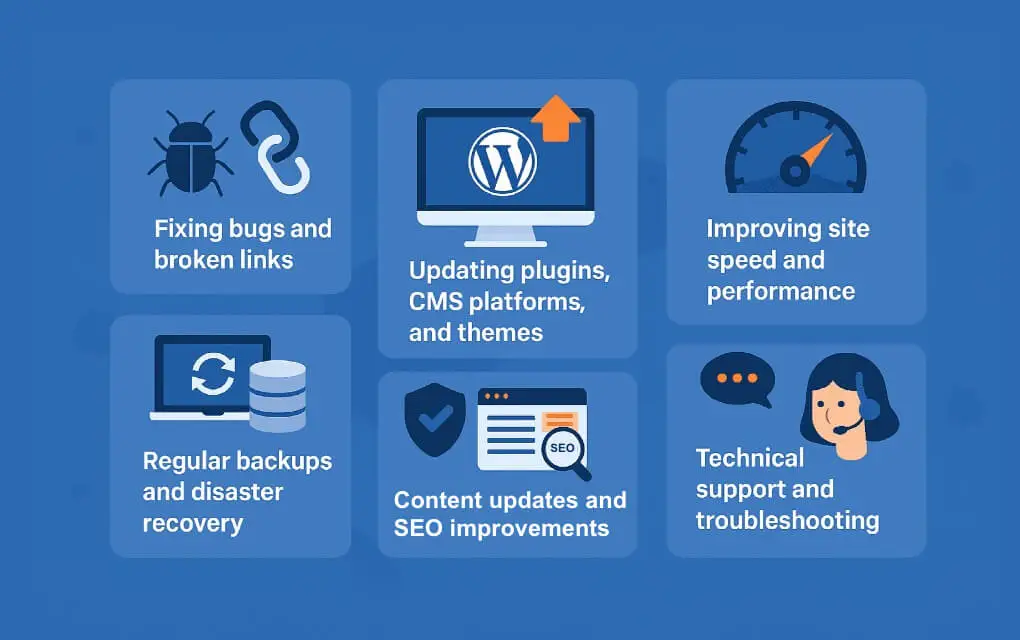
Site speed affects both visitors and search engines. Slow sites cause users to leave quickly. Search engines prefer fast-loading pages for better ranking. Optimize images by compressing them without losing quality. Minimize code by reducing unnecessary scripts and styles. Use caching to store parts of your site for faster access. Fast pages keep visitors engaged and improve SEO results.
Fixing Broken Links
Broken links harm user experience and SEO. They lead to dead ends and frustrate visitors. Search engines see many broken links as a sign of poor site health. Regularly check for links that no longer work. Update or remove broken links to keep your site clean. This helps both users and search engines trust your website more.
Ensuring Mobile-friendliness
More people use mobile devices to browse the web. Mobile-friendly sites perform better in search results. Make sure your site adapts well to different screen sizes. Use responsive design so content fits any device. Check buttons, text, and images for easy use on phones. A mobile-friendly site improves user experience and search rankings.
Credit: onelittleweb.com
Keyword Optimization
Keyword optimization is a key part of SEO maintenance. It helps your website rank higher in search results. Using the right keywords makes your content easier to find. This keeps your site relevant to what users search for. Regular updates to keywords keep your SEO strategy strong.
Monitoring Keyword Performance
Track how well your keywords perform over time. Check if they bring visitors to your site. Use tools to see keyword rankings and traffic data. Watch for changes in search trends and user behavior. This helps identify which keywords work best. Remove or replace keywords that no longer perform.
Adjusting Keyword Strategy
Change your keyword focus based on performance data. Add new keywords that match current search trends. Use a mix of short and long-tail keywords. Target keywords with lower competition for easier ranking. Update your content to include new keywords naturally. Keep your keyword list fresh and relevant to your audience.
Backlink Management
Backlink management is a key part of SEO maintenance. It helps keep your website’s reputation strong. Backlinks from good sites boost your rankings. Bad links can harm your site’s trust and search position. Regularly checking and managing backlinks keeps your SEO healthy.
Evaluating Backlink Quality
Not all backlinks are equal. Some links come from trusted, high-authority websites. These links improve your site’s credibility and ranking. Others come from low-quality or spammy sites. These links can lower your site’s trust.
Use tools to check where backlinks come from. Look at the website’s domain authority and relevance. Focus on links from sites related to your industry. Remove or disavow links from sites with poor reputation.
Removing Toxic Links
Toxic links harm your SEO and can cause penalties. These links often come from link farms or spam websites. Identify these links by using backlink audit tools. After spotting toxic links, reach out to website owners to remove them.
If removal fails, use Google’s disavow tool. This tells Google to ignore bad backlinks. Keep your backlink profile clean by removing toxic links regularly. This protects your site’s ranking and online reputation.
User Experience Enhancements
User experience enhancements are vital for SEO maintenance. A website that is easy to use keeps visitors happy. This lowers bounce rates and improves search rankings. Small changes in design and layout can make a big difference. Fast loading times, clear menus, and readable text all help users stay longer. Search engines notice these positive signals.
Improving Navigation
Clear navigation helps users find content quickly. Simple menus with logical categories reduce frustration. Breadcrumbs show users their location on the site. This feature guides visitors and reduces confusion. Consistent navigation across all pages creates a smooth experience. Mobile-friendly menus ensure easy use on phones and tablets. These small updates make the site user-friendly and SEO-friendly.
Boosting Engagement Metrics
Engagement metrics like time on site and page views matter. Interactive elements encourage users to explore more pages. Videos, images, and quizzes keep visitors interested. Call-to-action buttons guide users to take steps. Comments and feedback sections increase interaction. Faster page loading reduces abandonment rates. Improved engagement sends positive signals to search engines.
Regular Seo Audits
Regular SEO audits help keep your website healthy and visible. They find issues that slow down your rankings. Audits check site speed, broken links, content quality, and keyword use. They also spot technical problems like indexing errors and duplicate content. Running audits often helps fix small problems before they grow.
SEO audits guide your strategy. They show what works and what needs change. Without audits, your site might lose traffic or fall behind competitors. Regular checks keep your site aligned with search engine rules. This keeps your rankings steady and your audience growing.
Tools For Seo Audits
Several tools can make SEO audits easier. Google Search Console shows site errors and indexing issues. It also reports on keywords and clicks. SEMrush offers a full site audit with easy-to-read reports. Ahrefs highlights broken links and slow pages. Screaming Frog crawls your site to find technical problems. Use these tools to get a clear view of your SEO health.
Implementing Audit Recommendations
After the audit, act on its findings quickly. Fix broken links and improve slow pages. Update old content with fresh keywords and better info. Remove duplicate content to avoid penalties. Check your site’s mobile usability and fix any issues. Prioritize fixes that impact user experience and rankings the most. Regular updates keep your SEO strong and your site competitive.

Credit: adchitects.co
Frequently Asked Questions
What Is Seo Maintenance And Why Is It Important?
SEO maintenance involves regularly updating and optimizing your website. It ensures your site ranks well and stays relevant. Without it, your site may lose traffic and rankings over time. Consistent SEO upkeep improves user experience and keeps you ahead of competitors.
How Often Should I Perform Seo Maintenance?
Perform SEO maintenance at least once every three months. Regular checks help identify and fix issues quickly. Frequent updates keep your content fresh and aligned with search engine algorithms. This consistency boosts your website’s visibility and overall performance.
What Are Common Seo Maintenance Tasks?
Common tasks include updating content, fixing broken links, optimizing keywords, and improving site speed. Monitoring backlinks and analyzing traffic are also vital. These actions help maintain your website’s health and improve search rankings consistently.
Can Seo Maintenance Improve Website Ranking?
Yes, SEO maintenance directly improves website ranking. Regular updates signal search engines that your site is active and relevant. Fixing errors and enhancing content quality boost user engagement and trust. Together, these factors contribute to higher search positions.
Conclusion
Regular SEO maintenance keeps your website healthy and visible. It helps fix errors and improve site speed. Updating content keeps your pages fresh and relevant. Checking backlinks ensures your site stays trustworthy. Tracking keywords shows what works and what does not.
Consistent care boosts your rankings over time. Don’t let your SEO efforts stop after launch. Small, steady actions make a big difference. Keep your site growing and reaching more people. SEO maintenance is a simple step for lasting success.