


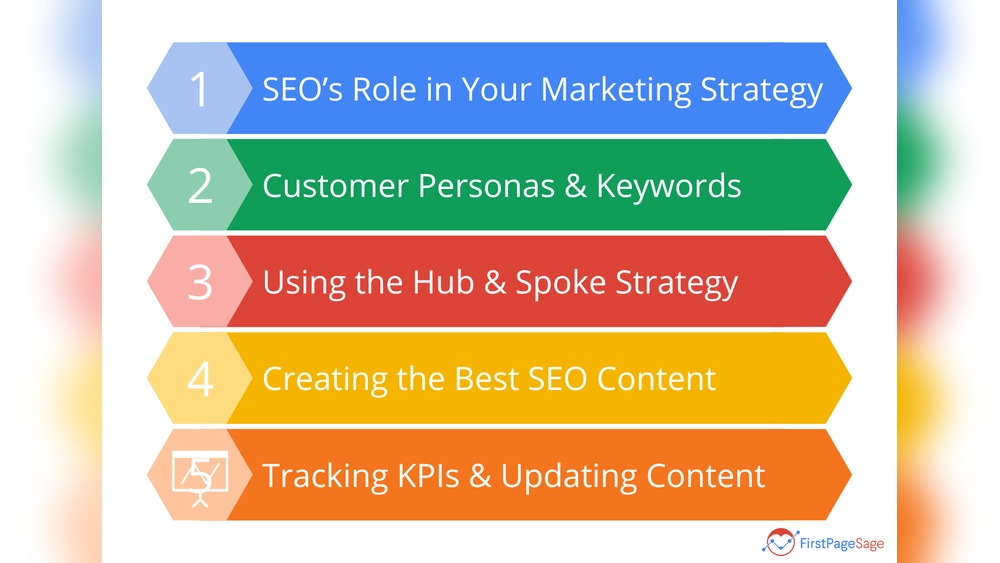
Are you struggling to get your website noticed? A strong SEO marketing plan can change that.
It helps you attract more visitors, turn them into customers, and grow your business online. But where do you start? This guide will walk you through simple, effective steps to create an SEO plan that works for you. By the end, you’ll know exactly how to boost your search rankings and get the traffic you deserve.
Ready to take control of your online success? Keep reading.
Setting Seo Goals
Setting SEO goals is the first step in any successful SEO marketing plan. Clear goals give direction to your efforts. They help measure progress and keep your team focused. Without goals, your SEO work can feel random and unproductive. Goals make it easier to plan strategies and track results.
Identifying Target Audience
Knowing your target audience is crucial for setting SEO goals. Understand who your ideal customers are. Think about their age, location, and interests. Consider what problems they want to solve. This helps create content that speaks directly to them. Targeted SEO attracts visitors who are more likely to become customers.
Choosing Key Performance Indicators
Key Performance Indicators (KPIs) show how well your SEO efforts work. Choose KPIs that match your SEO goals. Common KPIs include website traffic, keyword rankings, and conversion rates. Track these numbers regularly to see if you are improving. KPIs help you adjust your plan and focus on what matters most.

Credit: www.brightedge.com
Conducting Keyword Research
Conducting keyword research is the first step in any SEO marketing plan. It helps you find the right words your audience uses. These words guide your content and improve your website’s visibility.
Good keyword research saves time and effort. It targets terms that bring real visitors to your site. It also helps you understand your market better.
Finding High-impact Keywords
Start by listing words related to your business. Use tools like Google Keyword Planner or Ubersuggest. These tools show how often people search for each word.
Choose keywords with high search volume but low competition. These words attract more visitors and are easier to rank for. Long-tail keywords are also valuable. They are longer phrases that match specific searches.
Analyzing Competitor Keywords
Check which keywords your competitors use. Tools like SEMrush or Ahrefs can help. Find keywords they rank for and target those you missed.
Look at keywords driving traffic to your competitors. Use them to improve your content and SEO strategy. This step shows gaps and opportunities in your market.
Optimizing On-page Elements
Optimizing on-page elements plays a key role in SEO success. It helps search engines understand your content better. This leads to higher rankings and more traffic.
Small changes on your pages can have big effects. Focus on titles, descriptions, content, URLs, and links. These parts work together to improve your site’s visibility.
Crafting Seo-friendly Titles And Meta Descriptions
Titles should be clear and contain main keywords. Keep them under 60 characters for full display in search results. Write meta descriptions that describe the page well. Use around 150-160 characters to avoid being cut off. Both titles and meta descriptions must invite clicks. Make them easy to read and relevant to the page content.
Improving Content Quality And Structure
Content must be useful and easy to understand. Use short sentences and simple words. Break text into small paragraphs for better reading. Add headings and subheadings to organize ideas clearly. Include keywords naturally in the text. Avoid keyword stuffing which can harm rankings. Use bullet points or numbered lists to highlight important points.
Enhancing Url And Internal Linking
URLs should be short, descriptive, and include keywords. Avoid long strings of numbers or irrelevant characters. Internal links connect your pages and help users navigate. Use clear anchor text that shows what the linked page offers. Proper linking spreads page authority across your site. It also improves user experience by guiding visitors to related content.
Building Quality Backlinks
Building quality backlinks is a key part of any SEO marketing plan. Backlinks help search engines trust your website. They show that your content is valuable and relevant. Not all backlinks are equal. High-quality links from trusted sites improve your ranking. Low-quality links can harm your SEO. Focus on creating strong, natural backlinks that support your site’s authority.
Outreach Strategies
Outreach means contacting other website owners. You ask them to link to your content. Start by finding sites related to your niche. Write clear, polite messages explaining why your link helps their readers. Personalize each message to increase success. Offer to share their content too. Building relationships with webmasters boosts your chances. Follow up if you don’t get a reply. Consistent outreach grows your backlink profile steadily.
Guest Posting Techniques
Guest posting means writing articles for other websites. It helps you get backlinks and reach new audiences. Choose sites that accept guest posts and fit your topic. Create original, useful content that adds value. Avoid overly promotional writing. Include a natural link to your website in the author bio or content. Guest posts build trust and authority. Write regularly to keep your backlink sources active.
Leveraging Social Media
Social media platforms can boost your backlink efforts. Share your content on networks like Facebook and LinkedIn. Engage with groups and communities in your niche. When people find your posts helpful, they may link to your site. Use social media to connect with influencers and bloggers. Strong social signals help your content gain visibility. Regular sharing increases chances of earning natural backlinks.
Enhancing Technical Seo
Enhancing technical SEO is key to a strong SEO marketing plan. It helps search engines find and rank your site better. Technical SEO improves user experience by making your site fast and easy to use. It also fixes hidden problems that stop search engines from crawling your pages.
Improving Site Speed
Site speed affects how visitors see your website. Slow sites make users leave quickly. Fast loading pages keep visitors engaged. Reduce image sizes and use caching to speed up your site. Choose a reliable hosting service to avoid delays. Every second counts for better SEO and user experience.
Mobile Optimization
More people use phones to browse the internet. Your website must look good and work well on all devices. Use responsive design to fit screens of any size. Make buttons easy to click and text easy to read. Mobile-friendly sites get higher rankings on search engines.
Fixing Crawl Errors
Search engines use bots to crawl your website. Crawl errors stop bots from accessing your pages. Find errors using tools like Google Search Console. Fix broken links and missing pages quickly. Clear errors help search engines index your site fully and correctly.
Monitoring And Analytics
Monitoring and analytics are key parts of any SEO marketing plan. They help you see how well your SEO efforts work. Without tracking data, you cannot know what needs change or improvement.
Analytics give clear numbers and facts about your website. These numbers show who visits your site and what they do there. Monitoring helps catch problems early and keeps your SEO on track.
Tracking Ranking Changes
Ranking changes show how your website appears in search results. Watch your keywords closely to see if rankings rise or fall. Small drops can warn of issues. Steady improvement means your SEO tactics work well.
Use tools to check your position daily or weekly. This keeps you informed of your progress. Focus on important keywords that bring visitors.
Analyzing Traffic And Engagement
Traffic shows how many people visit your website. Engagement tells if visitors stay, click, or leave quickly. Good engagement means visitors find your content useful.
Check which pages get the most visits. Look at how long visitors stay on each page. Track bounce rates to see if visitors leave too fast. These insights reveal what works and what does not.
Adjusting Strategies Based On Data
Data helps guide your SEO actions. If rankings drop, find out why and fix the problem. If traffic grows but engagement is low, improve your content.
Change your keywords or update old pages. Test new ideas and watch how they affect results. Use data as your guide to keep improving your SEO plan.
Leveraging Local Seo
Local SEO helps businesses reach nearby customers. It boosts visibility on search engines for local searches. This increases walk-ins and calls from people close to your location.
Using local SEO in your marketing plan makes your business more relevant to local buyers. It targets people ready to buy in your area. Simple steps can improve your local search ranking.
Optimizing Google My Business
Google My Business (GMB) is key to local SEO success. Complete your profile with accurate business name, address, and phone number. Add clear photos and your business hours. Keep your description short and clear. Use keywords related to your products or services. Regular updates on GMB help keep your listing active and visible.
Managing Local Listings And Reviews
Consistency in local listings builds trust with search engines and customers. Check that your business info is the same across all directories. Respond to customer reviews quickly and politely. Positive reviews improve your local ranking and attract more customers. Negative reviews offer a chance to show good customer service. Regularly update your listings to keep information fresh.
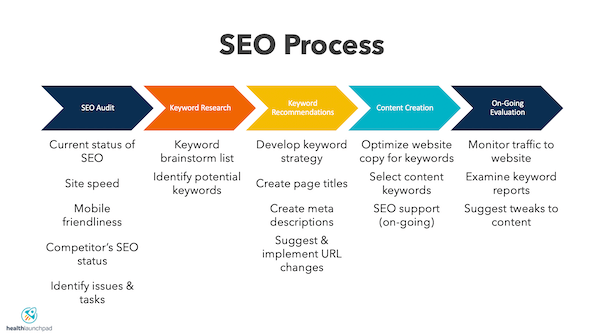
Credit: healthlaunchpad.com
Scaling Seo Efforts
Scaling SEO efforts is key to growing your online presence. It means doing more with your SEO work while keeping quality high. This helps your website reach more people and rank better in search results. Focus on smart strategies that save time and expand your reach.
Automating Routine Tasks
Automate tasks like keyword tracking and site audits. Use tools to check for broken links and monitor rankings. This saves time and reduces errors. Automation lets you focus on strategy and content creation.
Expanding Content Marketing
Create more content targeting different keywords and topics. Use blog posts, videos, and infographics to attract visitors. Consistent content updates keep your site fresh and relevant. Expand your content to cover new areas your audience cares about.
Collaborating With Influencers
Partner with influencers in your niche to boost visibility. Influencers can share your content and bring new visitors. Choose those who align with your brand values. Collaboration builds trust and increases your reach naturally.
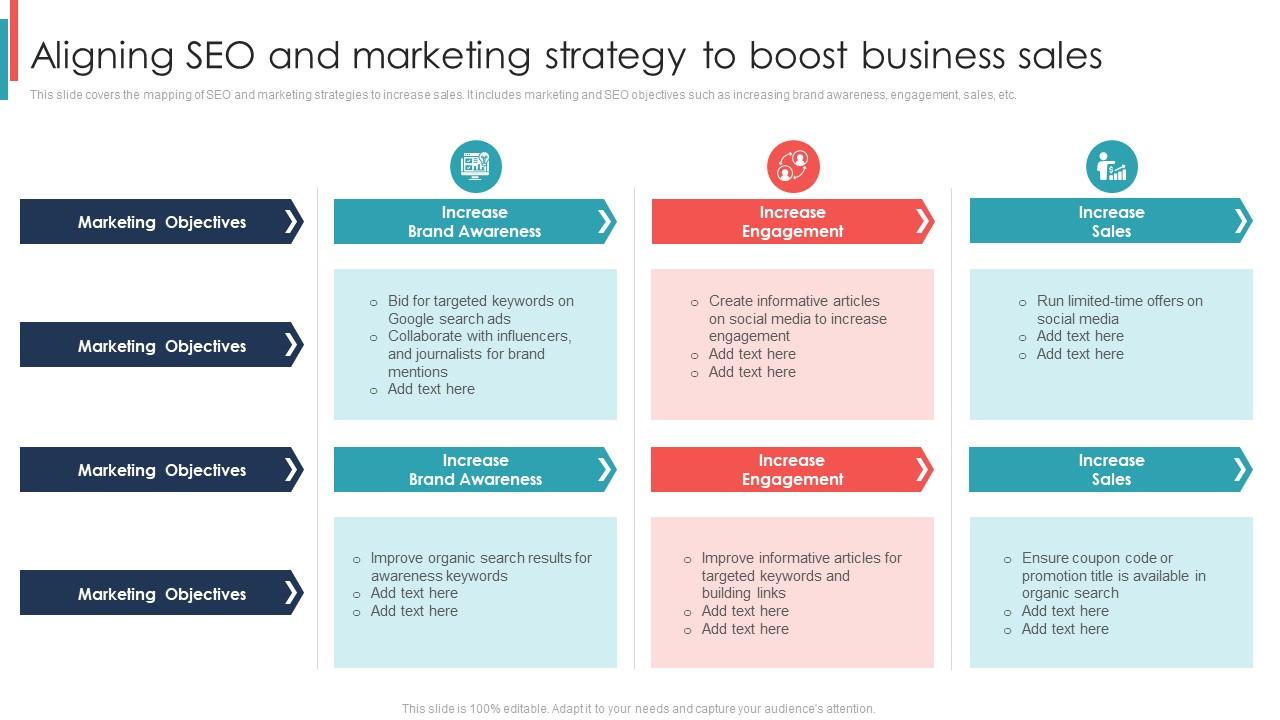
Credit: www.slideteam.net
Frequently Asked Questions
What Is An Seo Marketing Plan?
An SEO marketing plan outlines strategies to improve website ranking on search engines. It includes keyword research, content creation, and link building. The plan targets organic traffic growth and enhances online visibility. It helps businesses reach potential customers effectively.
How Do You Create An Effective Seo Plan?
Start by researching relevant keywords and analyzing competitors. Set clear goals for traffic and conversions. Optimize website content and technical SEO elements. Build quality backlinks and monitor results regularly. Adjust strategies based on performance data for continuous improvement.
Why Is Keyword Research Important In Seo Planning?
Keyword research identifies terms your audience uses to find products or services. It helps create relevant content that matches search intent. Proper keyword targeting boosts organic traffic and improves rankings. It ensures your SEO efforts reach the right users effectively.
How Often Should You Update Your Seo Marketing Plan?
Update your SEO marketing plan every 3 to 6 months. Regular updates reflect changes in search engine algorithms and market trends. Continuous optimization keeps your website competitive and maintains high rankings. Monitoring performance helps identify areas needing improvement.
Conclusion
A clear SEO marketing plan guides your online success. Focus on keywords that match your audience’s needs. Regularly check your website’s performance and make changes. Good content and strong links build trust with search engines. Keep your goals simple and track your progress often.
Small steps lead to better visibility over time. Stay patient and consistent to see real results. Your effort today shapes your site’s future growth.