


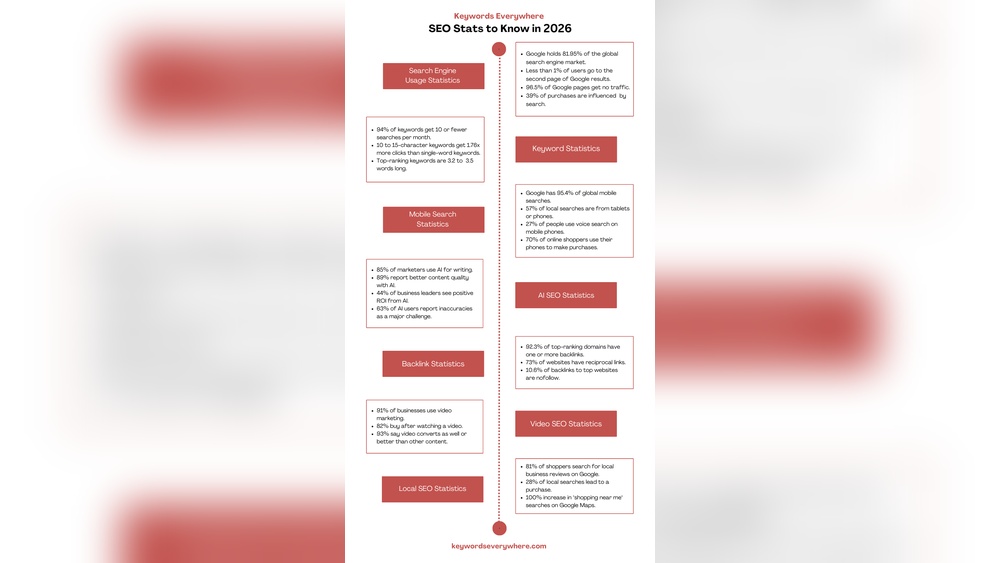
If you want your website to stand out and get noticed, understanding SEO stats is key. These numbers reveal what really works when it comes to boosting your site’s visibility and driving more traffic.
Knowing the right stats helps you make smarter decisions and avoid wasted effort. You’ll discover powerful SEO insights that can transform your strategy and bring your online goals within reach. Ready to unlock the secrets behind successful SEO? Let’s dive in.
Key Seo Metrics To Track
Tracking the right SEO metrics helps measure your website’s success. These numbers show what works and what needs fixing. Focus on data that affects your search rankings and user experience. This keeps your SEO efforts clear and effective.
Organic Traffic Growth
Organic traffic shows how many visitors find your site through search engines. More visitors usually mean your SEO is strong. Track this metric regularly to see trends. Rising traffic means better visibility and content relevance.
Bounce Rate And Dwell Time
Bounce rate shows how many visitors leave after one page. A high bounce rate can mean poor content or slow pages. Dwell time measures how long visitors stay on your site. Longer dwell time indicates engaging and useful content. Both metrics help improve user experience.
Keyword Rankings
Keyword rankings tell where your site appears in search results. Higher rankings mean more chances to get clicks. Track your top keywords to watch their positions. Adjust your SEO to improve or maintain these ranks. Good rankings attract targeted visitors.
Backlink Profile Strength
Backlinks are links from other websites to yours. Strong backlinks boost your site’s authority and trust. Track the number and quality of backlinks regularly. Focus on gaining links from trusted and relevant sites. A strong backlink profile supports higher search rankings.
Impact Of Mobile Optimization
Mobile optimization shapes how websites perform on search engines. More people use phones to browse the web. Websites that work well on mobiles get better rankings and more visitors.
Google prefers mobile-friendly sites. Slow or hard-to-use sites lose traffic fast. Mobile optimization improves user experience and site visibility.
Mobile-first Indexing
Google uses the mobile version of a site to rank pages. Desktop versions matter less now. Sites without mobile versions risk lower rankings. Mobile-first indexing means mobile content must be complete and clear. This helps Google understand your site better.
Page Speed On Mobile Devices
Fast loading is key on mobile. Slow pages cause users to leave quickly. Google favors fast mobile pages in search results. Optimizing images and code boosts speed. A quick site keeps visitors engaged longer.
Responsive Design Benefits
Responsive design adapts to all screen sizes. It ensures easy reading and navigation on phones. Users do not need to zoom or scroll sideways. Responsive sites reduce bounce rates and improve rankings. They save time and cost by using one site for all devices.
Role Of Content In Seo
Content plays a key role in SEO. Search engines use content to understand what a page is about. Quality content helps websites rank higher in search results. It attracts visitors and keeps them engaged. Good content answers users’ questions clearly and fully.
Content Length And Depth
Longer content often ranks better. It covers a topic in detail. This helps search engines see the page as useful. Depth means explaining ideas well. Providing examples, facts, and details adds value. Short content may miss important points. Detailed pages satisfy user intent more effectively.
Use Of Keywords And Semantics
Keywords tell search engines what the content is about. Using the right keywords helps reach the right audience. Semantic keywords are related words and phrases. They support main keywords and improve meaning. Natural use of keywords avoids spammy feeling. This makes content easier to read and trust.
Content Freshness And Updates
Fresh content signals relevance to search engines. Updating old pages keeps information accurate. It improves user experience and rankings. Regular updates show the site is active. Content that stays current attracts repeat visitors. Search engines favor recently updated content.
Technical Seo Factors
Technical SEO factors play a key role in website success. They help search engines find, read, and understand your site. This improves your chances of ranking higher. Good technical SEO supports user experience and site performance. Below are some essential aspects to focus on.
Site Architecture And Crawlability
Site architecture shapes how your pages are linked. Clear structure helps search engines crawl your site easily. Use simple navigation and logical menus. Avoid broken links and duplicate content. A well-organized site allows bots to find all pages fast. This increases the chance of indexing more content.
Https And Security
HTTPS secures your website data. It protects users and builds trust. Search engines prefer secure sites and rank them higher. Use SSL certificates to enable HTTPS on your domain. Secure sites reduce bounce rates and improve user experience. Security is a must for all websites today.
Structured Data And Schema Markup
Structured data helps search engines understand your content better. Schema markup adds code to your pages describing the content type. This can enhance search results with rich snippets. Examples include ratings, events, and product details. Proper markup improves visibility and click-through rates.
User Experience And Seo
User experience (UX) plays a key role in SEO success. Search engines reward websites that offer smooth, fast, and easy browsing. Visitors stay longer on sites that load quickly and are simple to use. This reduces bounce rates and increases engagement. Improving UX helps your site rank higher in search results and keeps users happy.
Page Load Times
Fast page load times keep users from leaving your site. Slow pages frustrate visitors and increase bounce rates. Search engines use page speed as a ranking factor. Aim for pages that load in under three seconds. Compress images, use caching, and reduce server response time to speed up your site.
Navigation And Site Usability
Easy navigation helps users find what they want quickly. Clear menus and logical structure improve site usability. Simple design reduces confusion and keeps visitors on your site longer. Search engines favor websites that are easy to explore. Use consistent layouts and clear calls to action for better user experience.
Core Web Vitals
Core Web Vitals measure real user experience on your site. They focus on loading, interactivity, and visual stability. Good scores in these areas improve SEO rankings. Metrics include Largest Contentful Paint, First Input Delay, and Cumulative Layout Shift. Optimize these to ensure your site meets search engine standards and user expectations.
Credit: aqmarketing.com
Link Building Strategies That Work
Link building remains a key factor for SEO success. It helps search engines find and rank your website better. Good strategies improve your site’s authority and bring more visitors. Focus on methods that build trust and relevance. Avoid shortcuts that can harm your rankings. The right approach makes your link profile strong and natural.
Quality Vs Quantity Of Links
Quality links come from trusted websites in your niche. One link from a high-authority site beats many low-quality ones. Search engines value relevance and trust over sheer numbers. Aim for links from sites with good traffic and strong content. Avoid spammy or unrelated sites. Quality links improve your rankings faster and last longer.
Guest Posting And Outreach
Guest posting helps you share your expertise on other blogs. It builds your brand and earns valuable backlinks. Reach out to websites that match your topic. Offer useful and original content for their readers. Personalize your messages to increase chances of acceptance. This method creates long-term relationships and steady link growth.
Avoiding Toxic Backlinks
Toxic backlinks come from spammy or harmful sites. They can lower your search rankings and hurt your reputation. Regularly check your backlink profile for suspicious links. Use tools to find and remove bad links. Disavow links that you cannot remove yourself. Stay clear of link farms and paid link schemes.
Local Seo Stats And Trends
Local SEO is vital for small businesses aiming to attract nearby customers. It helps businesses show up in local searches and maps. Understanding local SEO stats reveals how people use search engines to find local services and stores.
These trends show what works best to improve local visibility. They highlight the tools and factors that influence local search results. Below are key insights on Google My Business, local search behavior, and the impact of reviews.
Google My Business Insights
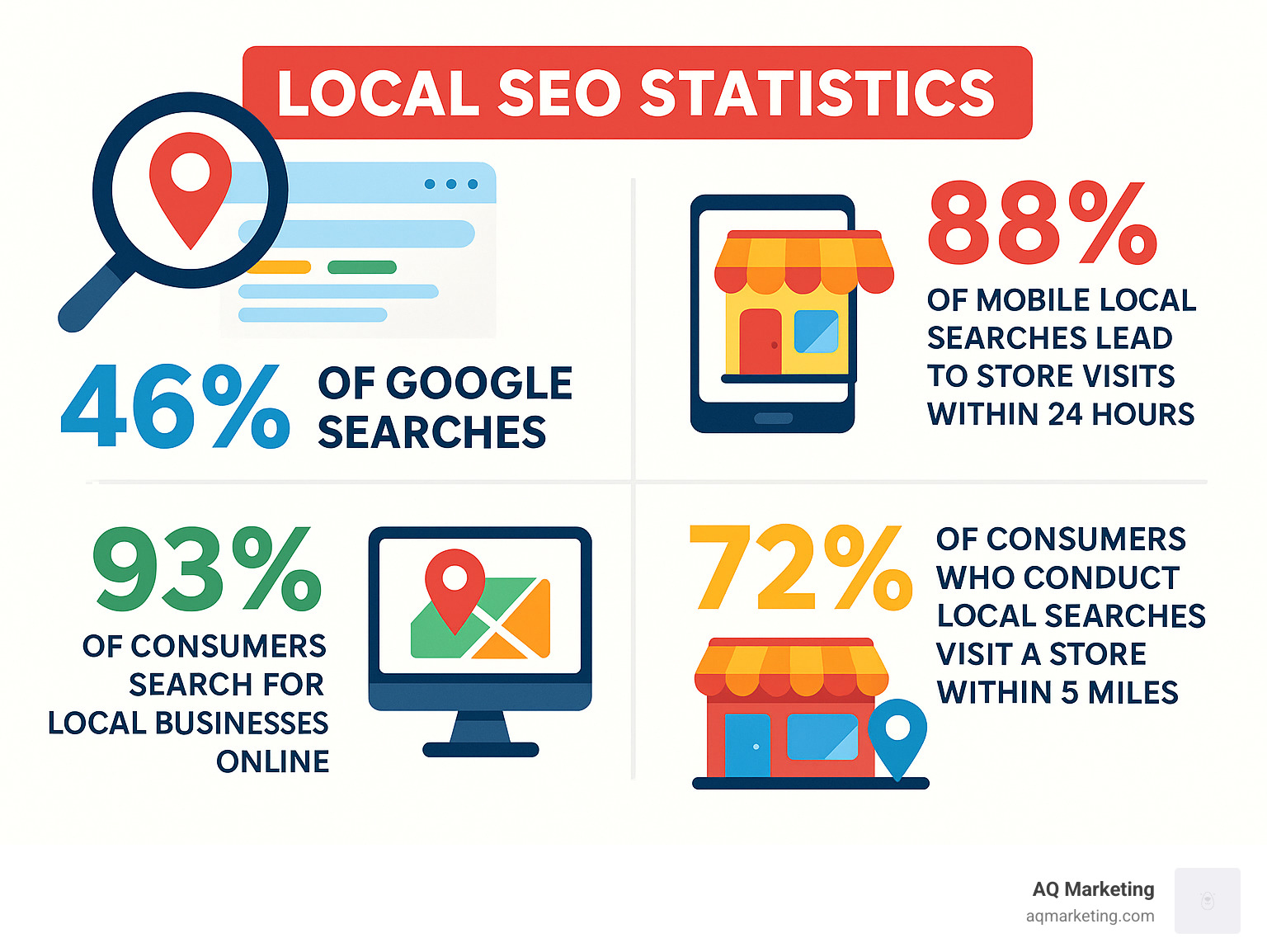
Google My Business (GMB) is crucial for local SEO success. Businesses with complete GMB profiles get 7 times more clicks. Users often find hours, directions, and contact info there. GMB posts and photos increase user engagement. Over 80% of local searches lead to a store visit within a day.
Local Search Behavior
Nearly half of all Google searches have local intent. Mobile devices drive most local searches, especially on-the-go. People search for ”near me” or specific neighborhoods. They prefer quick answers like business hours or menus. Voice search is rising for local queries too.
Reviews And Ratings Impact
Customers trust online reviews as much as personal recommendations. Listings with 4+ stars get 54% more clicks than lower-rated ones. Negative reviews can deter 94% of potential customers. Responding to reviews boosts trust and improves rankings. Fresh and honest reviews attract more local buyers.
Credit: wiserreview.com
Seo Tools And Analytics
SEO tools and analytics help measure website performance and improve rankings. They show which parts of your SEO plan work well and which need change. Using these tools saves time and guides smarter decisions.
Popular Seo Platforms
Many SEO platforms offer data and insights for website growth. Google Analytics tracks visitor behavior and traffic sources. SEMrush provides keyword research and competitor analysis. Ahrefs helps find backlinks and monitor website health. These tools give clear data for SEO improvement.
Interpreting Seo Data
Data shows how users find and use your site. Look at traffic trends to see growth or decline. Check bounce rates to understand if visitors stay or leave fast. Keywords data reveals which terms bring visitors. Use this information to spot strengths and weaknesses.
Using Data To Refine Strategy
Data guides changes in your SEO plan. Increase efforts on keywords with high traffic. Fix pages with high bounce rates to keep visitors longer. Focus on sources that bring quality visitors. Tracking results helps improve your SEO over time.

Credit: www.sixthcitymarketing.com
Frequently Asked Questions
What Are The Latest Seo Statistics For 2024?
In 2024, 68% of online experiences begin with a search engine. Mobile searches account for over 60% of total queries. Organic search drives 53% of website traffic, highlighting SEO’s critical role in digital marketing strategies.
How Does Seo Impact Website Traffic Growth?
SEO improves website visibility on search engines, leading to more organic traffic. Higher rankings increase clicks and user engagement. Quality SEO boosts brand credibility and attracts targeted visitors, resulting in sustainable traffic growth.
Why Is Mobile Seo Important In Current Trends?
Mobile SEO ensures websites perform well on smartphones and tablets. Google prioritizes mobile-friendly sites in rankings. With over 60% of searches on mobile devices, optimizing for mobile is essential for better user experience and higher search visibility.
How Do Backlinks Influence Seo Rankings?
Backlinks from authoritative sites signal trust to search engines. They improve domain authority and boost rankings. Quality backlinks increase referral traffic and enhance a site’s credibility, making them a vital factor in SEO success.
Conclusion
SEO stats reveal how search engines and users behave online. Knowing these numbers helps improve website ranking and traffic. Small changes can make a big difference in search results. Tracking stats regularly shows what works and what does not. Focus on clear content and relevant keywords to attract visitors.
Keep your site updated and user-friendly to stay competitive. Remember, SEO is a steady process, not a quick fix. Use these insights to guide your SEO efforts wisely. Stay patient and consistent for better results over time.