


Are you confused about the difference between SEO and GEO? You’re not alone.
Understanding how SEO (Search Engine Optimization) and GEO (Geotargeting) work can change the way your business reaches customers. Imagine attracting the right people exactly when and where they need you. This article will clear up the confusion and show you how to use both SEO and GEO to boost your online presence.
Keep reading—you’ll discover simple strategies that can make a big difference for your website and your growth.
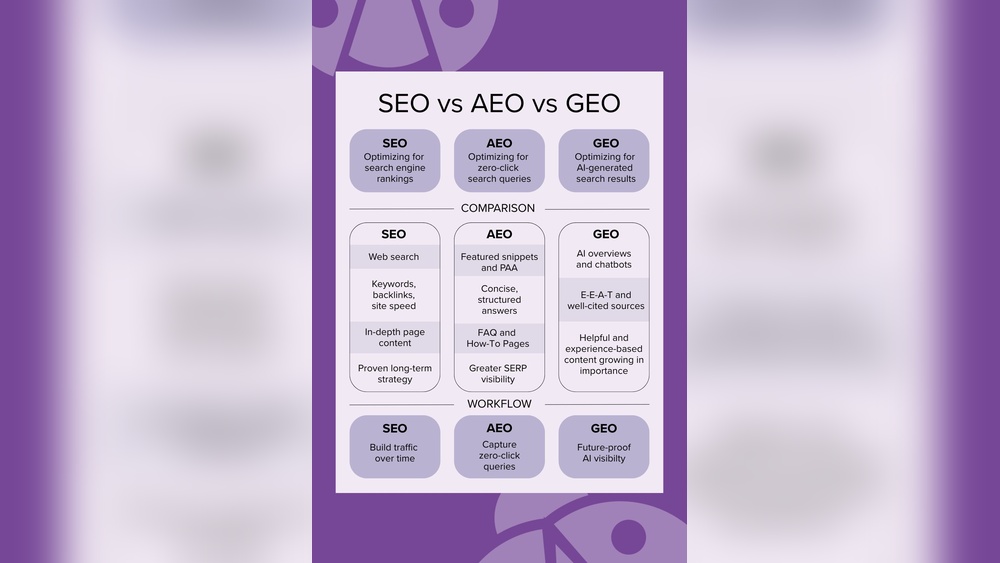
Credit: socialmatters.agency
Seo Basics
SEO Basics help websites get noticed on search engines. It guides how pages appear in search results. Understanding SEO helps businesses attract the right visitors. This section explains the core parts of SEO and why they matter.
Key Components
SEO has many parts that work together. Keywords are words people type in search engines. Content must include these keywords naturally. Technical setup of a website helps search engines read it easily. Links from other sites boost a website’s trust. User experience, like fast loading and easy navigation, also plays a role.
On-page Vs Off-page
On-page SEO means changes made directly on your website. This includes content, titles, and images. Off-page SEO involves actions outside your site. Mostly, it is about getting links from other sites. Both types work together to improve ranking. Ignoring either one can hurt your search position.
Importance For Visibility
SEO improves how visible a website is on search engines. Higher visibility means more visitors and potential customers. Without SEO, sites stay hidden on later pages. Most people do not go past the first page. Good SEO increases chances to appear on the first page. This leads to more clicks and better business results.
Geo Marketing Essentials
Geo marketing focuses on reaching customers based on their real-world location. It helps businesses offer relevant content and products nearby. Understanding geo marketing essentials improves targeting and boosts sales.
Businesses can connect with local buyers more effectively. They create tailored messages that fit the local culture and needs. This approach saves money by avoiding broad, less effective campaigns.
Location Targeting
Location targeting narrows marketing efforts to specific areas. It uses GPS, IP addresses, or Wi-Fi signals to find customers. Ads and offers show only to people in chosen locations.
This method increases relevance and customer interest. It avoids wasting budget on users far from the business. Location targeting works well for stores, events, and local services.
Local Consumer Behavior
Local consumer behavior studies how people buy in certain places. It looks at habits, preferences, and cultural trends. Knowing this helps craft messages that feel personal and trusted.
Shoppers in one city may prefer different products than others. Businesses should adapt their offers to match local tastes. This builds stronger connections and loyalty.
Tools And Techniques
Geo marketing uses many tools to gather location data. Google My Business, geo-fencing, and beacon technology are common choices. These tools help send timely and accurate promotions.
Analytics platforms track customer movement and engagement. This data guides better decisions and strategy changes. Using the right tools keeps campaigns sharp and effective.
Comparing Reach And Impact
Comparing reach and impact helps decide between SEO and GEO strategies. Each method has a unique way of connecting with users. Understanding their differences aids in choosing the right approach for your goals.
Reach means how many people see your content. Impact refers to how well your content affects those viewers. These factors vary greatly between SEO and GEO.
Global Vs Local Audience
SEO targets a global audience. It reaches people from many countries and languages. This broad scope can bring more visitors but may lack local focus.
GEO targets a local audience by location. It delivers content only to users in a specific area. This helps businesses connect deeply with nearby customers.
Engagement Metrics
SEO often shows higher page views due to its wide reach. However, engagement may be lower if content is less relevant locally. Bounce rates can increase if visitors find unrelated content.
GEO usually has better engagement. Local users find the content more useful and stay longer. Comments, shares, and clicks tend to be higher in GEO campaigns.
Conversion Rates
SEO conversions vary widely because visitors come from different places. Some may not be ready to buy or contact. Conversion depends on how well content matches user intent.
GEO conversions often show stronger results. Local users are more likely to take action. They trust local businesses and respond better to location-based offers.

Credit: www.seoptimer.com
Cost And Resource Considerations
Understanding the cost and resource needs of SEO and GEO is key for any business. Both strategies require money, time, and skills. But they differ in how much of each is needed.
Knowing these differences helps plan better. It also ensures you spend wisely on marketing. Here is a clear look at budget, time, and skills for SEO and GEO.
Budget Allocation
SEO often needs a steady budget for content, links, and tools. Costs vary by competition and keyword difficulty. GEO marketing costs depend on location targeting and ad spend. Local ads and promotions may require extra funds. Both need money but use it in different ways.
Time Investment
SEO takes longer to show results. It needs ongoing work on content and website updates. GEO marketing can deliver faster results with targeted ads. But it requires constant monitoring and adjustment. Time spent depends on your goals and approach.
Skill Requirements
SEO needs skills in keyword research, writing, and technical SEO. Understanding search engines helps improve rankings. GEO marketing demands knowledge of local markets and advertising platforms. Both require learning but focus on different areas. Choose based on your team’s strengths.
Integration Strategies
Integrating SEO and Geo strategies helps businesses reach local and global audiences. It blends search engine optimization with geographic targeting. This approach improves visibility in search results and drives relevant traffic. Careful planning ensures both methods work together smoothly. Below are key ways to combine these strategies effectively.
Combining Seo And Geo
Start by optimizing your website for both local and broad keywords. Use local terms in titles, headers, and meta descriptions. Include city names and region-specific phrases. Add location pages for each area you serve. Make sure your Google My Business profile is complete and accurate. Use schema markup to highlight your location data. This helps search engines understand your local relevance.
Maximizing Synergy
Use content that appeals to both local and wider audiences. Create blog posts about local events and global trends. Build backlinks from local websites and international sources. Track your rankings separately for local and general keywords. Adjust your strategy based on performance data. Use geo-targeted ads to support organic SEO efforts. Combine social media targeting with SEO content for better reach.
Case Studies
A local bakery improved online orders by adding location pages. They optimized content with city names and local keywords. Traffic from nearby customers increased by 40%. An e-commerce store targeted regions with special offers. They combined SEO content and geo-targeted ads. Sales rose by 30% in those areas. These examples show how SEO and Geo work well together.
Future Trends
The future of SEO and GEO is shifting fast. New tools, user habits, and strategies shape how businesses reach their audience. Understanding these changes helps brands stay relevant and visible. Let’s explore key trends that will influence SEO and GEO in the coming years.
Emerging Technologies
Artificial intelligence plays a big role in search engines. AI helps deliver more accurate and personalized results. Voice search is growing, changing how people find local businesses. Mobile-first indexing means websites must work well on phones. Augmented reality may blend online and real-world searches soon. These tech trends push SEO and GEO to evolve continuously.
Changing Consumer Patterns
People expect fast, easy access to information. Local searches are increasing as users want nearby options. Searchers use more voice commands and natural language. They trust reviews and social proof before buying. Visual search is rising, letting users search with images. Consumers want relevant and quick answers, impacting SEO and GEO tactics.
Adaptation Strategies
Businesses must optimize for mobile and voice search. Focus on local content to capture nearby customers. Use clear, simple language for better understanding. Build strong online reviews and community engagement. Employ AI tools to analyze and improve search results. Constantly update strategies to match tech and user changes.

Credit: addlly.ai
Frequently Asked Questions
What Is The Key Difference Between Seo And Geo?
SEO focuses on optimizing websites for search engines globally. GEO targets marketing based on geographic location. SEO improves organic search rankings. GEO enhances relevance for local audiences using location data.
How Does Geo Complement Seo Strategies?
GEO enhances SEO by targeting location-specific keywords and content. It helps businesses attract nearby customers. Combining GEO with SEO boosts local search visibility and drives targeted traffic.
Can Seo Work Without Geo Targeting?
Yes, SEO can work globally without GEO targeting. But it may miss local audience engagement. GEO targeting adds value by customizing content for specific regions and improving local search performance.
Why Is Geo Important For Local Businesses?
GEO helps local businesses appear in location-based searches. It connects them with nearby customers looking for local services. GEO boosts foot traffic and local brand awareness effectively.
Conclusion
SEO and GEO serve different purposes but work well together. SEO helps websites reach a global audience. GEO targets people in specific locations. Choosing between them depends on your business goals. Use SEO to grow your overall presence. Use GEO to attract local customers.
Both strategies improve online visibility and sales. Balance is key for the best results. Start small, test, and adjust your approach. Success comes from understanding your audience and their needs. Keep learning and updating your methods regularly. This way, your website will stay relevant and effective.