


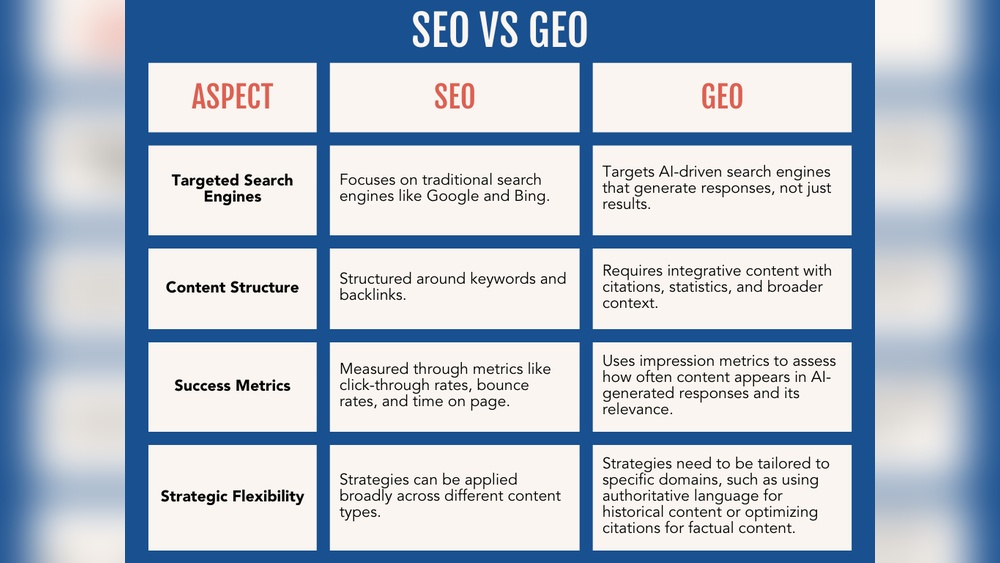
Are you confused about the difference between SEO and GEO? You’re not alone.
Both play important roles in getting your business noticed online, but they work in very different ways. Understanding how SEO and GEO impact your visibility can help you choose the right strategy to attract more customers and grow your brand.
Keep reading, and you’ll discover which one fits your needs best—and how to use it to your advantage.
Seo Basics
SEO Basics help websites rank higher on search engines. This makes sites easier to find. Understanding SEO is key to growing online presence. It starts with learning simple, clear steps.
SEO improves your website’s visibility. It attracts more visitors and potential customers. Each part of SEO plays a role. Knowing these parts helps you create better content.
Key Seo Elements
SEO has many parts. Keywords are words people type in search engines. Using the right keywords helps your site appear in searches. Content must be useful and clear. Search engines prefer fresh and relevant content. Links from other sites build your site’s trust. Good website design makes visitors stay longer.
On-page Vs Off-page Seo
On-page SEO means changes on your website. This includes text, images, and titles. You control these elements directly. Off-page SEO happens outside your site. It mainly involves getting links from other websites. These links act like votes of confidence. Both types work together to boost ranking.
Technical Seo Essentials
Technical SEO makes your site easy for search engines to read. It includes fast loading speed and mobile friendliness. Proper site structure helps search engines find pages. Using secure connections (HTTPS) builds trust. Fixing broken links keeps users happy. Sitemap and robots.txt guide search engine bots.

Credit: akerink.com
Geo Marketing Essentials
Geo marketing is a key strategy for businesses targeting local customers. It uses location data to reach people nearby. This helps brands connect with the right audience at the right place. Geo marketing blends technology and marketing to boost local sales and engagement.
Understanding geo marketing essentials helps companies plan better campaigns. It guides how to use tools and measure benefits. This knowledge supports making smarter marketing decisions.
What Is Geo Marketing
Geo marketing means using location information in marketing efforts. It targets customers based on their geographic location. This can be a city, neighborhood, or even a specific store area. Marketers send messages that fit local interests and needs. It makes ads more relevant and effective.
Tools For Geo Targeting
Geo targeting uses tools like GPS, IP addresses, and mobile apps. These tools find where customers are and deliver local ads. Google Ads and Facebook Ads have geo targeting features. Businesses can also use location-based analytics to track visitors. These tools help reach the right people at the right time.
Benefits Of Geo Marketing
Geo marketing improves ad relevance and customer engagement. It increases local foot traffic and sales. Ads cost less because they target specific areas. It helps businesses compete with bigger companies nearby. Geo marketing builds stronger local brand awareness and loyalty.
Local Seo Strategies
Local SEO strategies help businesses reach nearby customers. They improve visibility in local search results. This drives more foot traffic and calls from the community. Focusing on local SEO makes your business easy to find online. It creates trust and encourages customers to choose you over competitors.
Optimizing Google My Business
Google My Business is key for local SEO success. Keep your business name, address, and phone number accurate. Add clear photos and update your hours regularly. Use the description to highlight what makes your business unique. Respond to questions and messages quickly to build trust. A well-maintained profile ranks higher in local searches.
Local Keyword Research
Find words people use to search for local services. Combine your main keywords with city or neighborhood names. Use simple phrases that match how locals speak. Tools like Google Keyword Planner can help find popular terms. Include these keywords naturally in titles, descriptions, and content. This helps search engines connect your site to local searches.
Managing Reviews And Ratings
Reviews influence local search rankings and customer decisions. Encourage happy customers to leave honest feedback. Reply to all reviews politely, even negative ones. Show you care about customer experience and improvement. High ratings and positive reviews increase your business’s credibility. They make your listing stand out in local search results.
Global Seo Tactics
Global SEO tactics help websites reach users worldwide. These strategies improve site visibility across countries and languages. They focus on targeting the right keywords and using proper tags. Managing multiple regions requires smart technical setup. This section explains key global SEO tactics that boost international reach.
International Keyword Targeting
International keyword targeting means choosing words people use in different countries. Search habits change from place to place. Use tools to find local keywords with good search volume. Translate keywords carefully to keep their meaning. Avoid direct translation mistakes. Target keywords that fit local culture and language. This helps attract relevant visitors from many regions.
Hreflang And Language Tags
Hreflang tags tell search engines which language and country a page targets. They prevent showing the wrong page to users. Use hreflang tags for every language or region version. Language tags also help browsers display content correctly. Proper tags reduce bounce rates and improve user experience. Search engines understand your site better with these tags.
Handling Multiregional Websites
Multiregional sites serve users in different countries. Organize content by country or language using subfolders or domains. Keep URLs clear and consistent for each region. Use geo-targeting in Google Search Console to guide search engines. Avoid duplicate content by customizing pages for each region. This setup improves rankings and user trust worldwide.
Geo Vs Seo: Key Differences
Geo and SEO are important for online visibility. Both help websites reach users but focus on different areas. Understanding their key differences can guide your digital strategy. This section explains the main contrasts between Geo and SEO.
Target Audience Focus
SEO targets a broad audience worldwide or nationally. It aims to attract users interested in specific topics or products. Geo focuses on local users in a specific area. It connects businesses with people nearby. The audience size varies greatly between the two.
Ranking Factors Comparison
SEO ranking depends on keywords, backlinks, and site quality. It values content relevance and authority. Geo ranking uses location signals like maps, local listings, and reviews. It relies on proximity and local relevance more than global SEO. Each uses different signals to rank higher.
Budget And Resources
SEO often requires more time and money for content and link building. It needs ongoing efforts to maintain rankings. Geo strategies may need less budget but focus on local ads and listings. Managing local profiles and reviews is key. Budget depends on the scope and goals of the campaign.
Credit: space.auto
Combining Seo And Geo For Success
Combining SEO and Geo strategies creates a strong marketing approach. SEO drives organic traffic through search engines. Geo targets specific locations to reach local audiences. Together, they help businesses connect with the right customers at the right place and time.
This blend improves online visibility and boosts local engagement. It also enhances user experience by showing relevant content. Businesses can increase leads and sales by using both methods.
Integrated Campaign Planning
Plan campaigns that include both SEO and Geo elements. Use keyword research to find local search terms. Create content that speaks directly to local needs and interests. Align messaging across platforms for a consistent brand voice. This makes your campaign more focused and effective.
Cross-channel Marketing
Use multiple channels like social media, email, and local ads. Share location-based offers and promotions to attract nearby customers. Coordinate SEO and Geo efforts to reinforce your message. This approach reaches people in different ways and places. It increases the chance of engagement and conversions.
Measuring Combined Impact
Track metrics for both SEO and Geo campaigns together. Monitor website traffic, local search rankings, and map views. Analyze customer interactions and sales from targeted locations. Use this data to improve future campaigns. Measuring combined impact shows which tactics work best.
Common Challenges And Solutions
SEO and GEO strategies often face common challenges. These issues can hurt your website’s ranking and user experience. Finding the right solutions keeps your site strong and visible.
Here are some key challenges and simple ways to solve them.
Avoiding Keyword Cannibalization
Keyword cannibalization happens when multiple pages target the same keyword. This confuses search engines. Your pages compete instead of working together.
To avoid this, assign unique keywords to each page. Use tools to check keyword overlap. Combine similar pages if needed. Focus each page on a clear topic.
Dealing With Duplicate Content
Duplicate content appears when the same text exists on different URLs. Search engines struggle to know which page to rank. This lowers your SEO strength.
Use canonical tags to point to the main page. Rewrite content to make pages unique. Avoid copying text from other sites. Keep your content fresh and original.
Managing Local And Global Conflicts
Local SEO targets specific regions, while global SEO aims for broad reach. Conflicts arise when content mixes both without clarity.
Separate content for local and global audiences. Use hreflang tags to signal language and location. Create dedicated pages for each market. Ensure clear navigation for users and search engines.
Credit: pureseo.com
Future Trends In Seo And Geo
The future of SEO and Geo is shifting fast. Search engines and location-based tools are getting smarter. Businesses must adapt to new trends to stay visible online. Understanding how SEO and Geo evolve helps brands reach the right audience at the right time.
Technology changes how people find information and places. These trends will shape SEO and Geo strategies soon. Let’s explore key areas driving this change.
Ai And Machine Learning Impact
AI helps search engines understand content better. It learns user intent and context quickly. Machine learning improves ranking accuracy and relevance. This means SEO must focus on clear, helpful content. Geo-targeting also benefits from AI by offering personalized local results. Smart algorithms analyze user location and behavior. Businesses can use AI tools to optimize their local presence more effectively.
Voice And Visual Search Growth
Voice search is rising as more people use smart devices. It changes keyword use to natural, conversational phrases. SEO must adapt to voice queries for better results. Visual search lets users find products through images. Geo tools integrate visual search to locate nearby stores or items. Optimizing for voice and visual search means new ways to attract local customers.
Evolving User Behavior
Users expect fast and accurate answers online. They prefer mobile-friendly sites and easy navigation. Geo-targeting must provide relevant local info instantly. User habits shift toward personalized and location-based content. SEO strategies must align with these preferences. Tracking behavior helps tailor content that meets user needs. Staying updated on user trends ensures better engagement and ranking.
Frequently Asked Questions
What Is The Main Difference Between Seo And Geo?
SEO focuses on improving website visibility in search engines globally. GEO targets specific geographic locations to enhance local search rankings and user relevance.
How Does Geo Improve Local Business Visibility?
GEO uses location-based keywords and local listings to connect businesses with nearby customers. It boosts local search results and drives foot traffic.
Can Seo And Geo Strategies Work Together Effectively?
Yes, combining SEO and GEO strategies maximizes both global reach and local presence. This integration drives more targeted traffic and improves overall search performance.
Which Is Better For Small Businesses: Seo Or Geo?
For small businesses targeting local customers, GEO is more effective. SEO helps if the business aims to reach a broader, international audience.
Conclusion
SEO and GEO serve different purposes but work well together. SEO helps websites rank higher in search engines worldwide. GEO focuses on reaching people in specific locations. Both strategies improve online visibility and attract the right audience. Choosing the right approach depends on your goals and target market.
Use SEO to grow your overall reach. Use GEO to connect with local customers. Combining them creates a balanced marketing plan. Success comes from understanding your audience and applying these tools wisely. Keep testing and adjusting to find what works best for you.