



If you want your website to be easily found by search engines, you need a sitemap. A sitemap acts like a roadmap, guiding search engines through all the important pages on your site.
Without it, some of your best content might stay hidden from the people who need it most. You’ll discover what sitemaps are, why they matter, and how they can boost your website’s visibility. Keep reading to unlock the simple steps that can help your site get noticed faster and reach more visitors.
Credit: marketplace.atlassian.com
What Are Sitemaps
Sitemaps help search engines find and understand your website pages. They act like a map for search engines, showing all important pages. This makes it easier for search engines to index your site.
Sitemaps improve website visibility and help pages appear in search results faster. They also guide search engines to new or updated content.
What Is A Sitemap?
A sitemap is a file listing all pages on your website. It helps search engines find and crawl your pages. This file is usually in XML format. It contains URLs and extra information about each page.
Why Are Sitemaps Important?
Sitemaps make sure search engines do not miss any pages. They help sites with many pages or new content. Sites with poor internal linking also benefit from sitemaps. This improves the chances of ranking in search results.
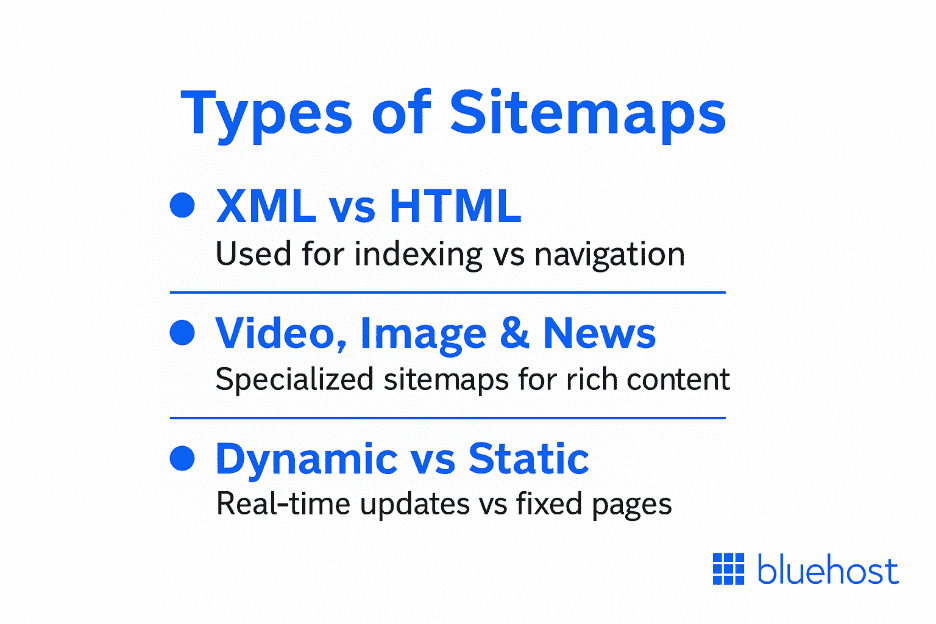
There are two main sitemap types. XML sitemaps are for search engines. HTML sitemaps are for website visitors. XML sitemaps focus on SEO. HTML sitemaps improve user navigation.
How Do Sitemaps Work?
Sitemaps list URLs with details like last update and priority. Search engines read this file during crawling. They use the information to index pages properly. This helps them decide which pages to show in search results.
Types Of Sitemaps
Sitemaps guide search engines through a website’s structure. They help crawlers find pages fast and understand the site better. Different sitemaps serve unique purposes. Knowing these types aids in improving site visibility and user experience.
Xml Sitemaps
XML sitemaps list all important pages on a website. They are made for search engines, not visitors. These sitemaps show URLs, last update dates, and page priority. Search engines use this data to index pages quickly and accurately. XML sitemaps help new or large sites get noticed faster.
Html Sitemaps
HTML sitemaps are designed for website visitors. They display links to all key pages in a clear format. Users find pages easily without searching. HTML sitemaps improve navigation and reduce bounce rates. They also help search engines by showing site layout in a simple way.
Video And Image Sitemaps
Video and image sitemaps focus on multimedia content. They provide extra details like video duration or image captions. Search engines use this info to rank videos and images in search results. These sitemaps boost visibility for visual content. They ensure multimedia is found and indexed correctly.
How Sitemaps Improve Seo
Sitemaps help search engines understand your website better. They list all important pages clearly. This makes it easier for search engines to find and rank your content. Using sitemaps improves your site’s SEO by guiding search bots efficiently.
Here are some key ways sitemaps boost your SEO performance.
Enhancing Crawlability
Sitemaps show search engines all pages on your site. They help bots crawl pages that are hard to find. This stops important pages from being missed. It ensures your whole site is accessible to search engines.
Faster Indexing
Search engines add your pages to their database faster. Sitemaps tell them about new or updated content quickly. This speeds up the time your pages appear in search results. Faster indexing means more traffic sooner.
Prioritizing Important Pages
Sitemaps let you mark which pages matter most. Search engines use this info to rank pages better. It helps key pages get more visibility in search results. Focus on your best content for stronger SEO impact.
Creating Effective Sitemaps
Creating effective sitemaps helps search engines find and index your pages faster. It improves your site’s visibility and user experience. A well-built sitemap guides search engines through your website structure clearly. It highlights important pages and updates.
Focus on simplicity and accuracy. Keep your sitemap clean and updated often. Avoid clutter and broken links. This helps search engines crawl your site smoothly.
Tools And Plugins
Several tools can simplify sitemap creation. Google XML Sitemaps is popular for WordPress sites. It automatically generates and updates sitemaps. Yoast SEO plugin also includes sitemap features. It offers easy control over which pages to include.
Other options include Screaming Frog and XML-Sitemaps.com. These tools scan your site and create sitemaps quickly. Choose one that fits your skill level and site size.
Best Practices
Start by listing all important pages. Exclude duplicate or low-value content. Use XML format for better search engine compatibility. Make sure URLs are correct and accessible.
Update sitemaps after adding or removing pages. Submit your sitemap in Google Search Console. This speeds up indexing. Limit sitemap size to 50,000 URLs or 50MB uncompressed. Split large sitemaps into smaller parts.
Common Mistakes To Avoid
Do not include broken links or redirects. Avoid listing noindex pages. These confuse search engines and waste crawl budget. Forgetting to update your sitemap harms SEO.
Do not mix different content types in one sitemap. Keep images and videos in separate sitemaps. Ensure sitemap URLs use HTTPS if your site supports it. This avoids security warnings.
Submitting Sitemaps To Search Engines
Submitting sitemaps to search engines helps them find your website pages quickly. It improves how search engines index your content. This can lead to better visibility in search results. Each search engine has its own way to submit sitemaps. This guide explains the main tools you need.
Google Search Console
Google Search Console is a free tool to manage your website’s presence. Start by signing in or creating an account. Add your website and verify ownership. In the dashboard, find the “Sitemaps” section. Enter your sitemap URL and click “Submit.” Google will then crawl your sitemap regularly. You can check the status and errors here.
Bing Webmaster Tools
Bing Webmaster Tools helps websites appear on Bing search results. Create an account and add your website. Verify your site ownership by following simple steps. Go to the “Sitemaps” page in the dashboard. Submit your sitemap URL to notify Bing. The tool also shows sitemap reports and crawling issues.
Other Search Engines
Other search engines like Yandex or Baidu have similar submission processes. Create accounts on their webmaster platforms. Verify your website ownership following their instructions. Locate the sitemap submission feature in the dashboard. Provide your sitemap URL and submit it. Regularly check the tools for updates or errors.
Monitoring Sitemap Performance
Monitoring sitemap performance helps keep your website visible to search engines. It shows how well your pages are indexed. Good monitoring finds problems early. Fixing issues helps improve your site’s search ranking. This section explains key steps to track and fix sitemap issues.
Tracking Indexing Status
Indexing status tells which pages search engines add to their results. Check your sitemap report regularly in tools like Google Search Console. Look for the number of submitted URLs versus indexed URLs. A big gap means some pages are not indexed. Monitor trends to spot sudden drops or changes. This helps keep your site fully searchable.
Fixing Sitemap Errors
Sitemap errors block search engines from reading your sitemap. Common errors include broken links, wrong URLs, or unsupported file formats. Use sitemap tools to find these errors quickly. Fix broken links by updating or removing bad URLs. Make sure your sitemap uses the correct XML format. After fixing, resubmit your sitemap to search engines. This ensures smooth crawling and indexing of your pages.
Advanced Sitemap Strategies
Advanced sitemap strategies help search engines find and index your pages better. These techniques improve crawling efficiency and boost site visibility. Using sitemaps smartly supports SEO and user experience.
Dynamic Sitemaps
Dynamic sitemaps update automatically as you add or change content. They keep search engines informed about new pages and updates fast. This method works well for blogs, news sites, and e-commerce stores. It reduces manual work and ensures your sitemap is always current.
Sitemaps For Large Websites
Large websites need special sitemap setups to avoid size limits. Break sitemaps into smaller parts, each with under 50,000 URLs. Use a sitemap index file to list all sitemap parts. This helps search engines crawl your site without missing pages.
Integrating With Robots.txt
Link your sitemap in the robots.txt file to guide search engines. This file tells crawlers where to find your sitemap easily. It also controls which parts of your site to crawl or ignore. Proper integration speeds up indexing and improves SEO.

Credit: www.breaklineagency.com
Credit: www.bluehost.com
Frequently Asked Questions
What Is A Sitemap In Seo?
A sitemap is a file listing all website pages. It helps search engines crawl and index your site efficiently. Sitemaps improve site visibility and ensure no pages are missed during indexing.
How Do Sitemaps Improve Website Ranking?
Sitemaps allow search engines to discover new or updated pages quickly. They enhance crawlability, which can lead to faster indexing and better rankings in search results.
What Are The Types Of Sitemaps?
The main types are XML sitemaps for search engines and HTML sitemaps for users. XML sitemaps focus on SEO, while HTML sitemaps improve site navigation.
How To Create A Sitemap For My Website?
You can create a sitemap using online tools, CMS plugins, or manually coding XML. After creation, submit it to search engines via tools like Google Search Console.
Conclusion
Sitemaps help search engines find your web pages fast. They make your site easier to explore and index. Good sitemaps guide crawlers to your newest content quickly. This can improve your site’s visibility in search results. Keep your sitemap updated for best performance.
A clear sitemap supports better website organization too. Use sitemaps as a simple tool to boost your SEO. Small efforts here can lead to steady website growth. Simple, easy steps often bring the best results.