


Are you wondering why your website isn’t ranking as high as it should? The answer might be hiding in your backlinks.
A backlink audit can reveal which links help your site and which ones are holding you back. But where do you start? This step-by-step backlink audit guide will walk you through the entire process, helping you clean up your link profile and boost your site’s authority.
By the end, you’ll know exactly how to protect your website from harmful links and improve your search rankings. Ready to take control of your backlinks? Let’s dive in.
Credit: questiondb.io
Importance Of Backlink Audits
Backlinks are crucial for website ranking. They tell search engines that your site is trustworthy. But not all backlinks are good. Some can harm your site’s reputation.
A backlink audit helps find bad links. It shows which links help and which hurt your SEO. This keeps your website safe and strong in search results.
Regular audits prevent penalties from search engines. They ensure your backlink profile stays clean and natural. This improves your site’s visibility and traffic.
Identify Toxic Backlinks
Toxic backlinks come from spammy or low-quality sites. They can lower your site’s ranking. Audits find these links quickly. Removing or disavowing them protects your site.
Improve Search Engine Ranking
Good backlinks boost your position in search results. Audits highlight high-quality links. Focus on building similar links for better SEO.
Maintain Website Authority
Backlinks build your website’s authority. Audits check if links are relevant and trustworthy. This helps maintain your site’s reputation and trust.
Monitor Competitor Backlinks
Audits can also reveal competitor link strategies. Learn which sites link to them. Use this info to find new link opportunities.
Preparing For A Backlink Audit
Preparing for a backlink audit sets the stage for clear and accurate results. This step helps you understand the quality and quantity of your backlinks. It also shows which links might harm your website’s ranking.
Proper preparation ensures you gather all necessary data. It also helps you pick the right tools to analyze backlinks well. Being ready saves time and makes the audit process smooth.
Gathering Backlink Data
Start by collecting all backlinks pointing to your website. Use multiple sources to get a complete picture. Export the backlink lists in a spreadsheet for easy review. Look for details like URL, anchor text, and link type. This data forms the base of your audit.
Choosing Audit Tools
Select tools that fit your needs and budget. Some tools offer free backlink checks with limited data. Paid tools provide deeper analysis and more features. Choose tools that show link quality, toxicity, and anchor text. Reliable tools save time and improve audit accuracy.
Analyzing Backlink Quality
Analyzing backlink quality is a vital part of any backlink audit. It helps you find which links add value and which can harm your site’s ranking. Not all backlinks are equal. Some have strong authority, others are irrelevant, and some might be toxic. Understanding these differences helps keep your SEO safe and effective.
Evaluating Link Authority
Link authority shows how strong a backlink is. High-authority links come from trusted and popular websites. These links boost your site’s reputation. Check metrics like Domain Authority (DA) or Page Authority (PA) to measure link strength. Prioritize links from sites with high scores. Low-authority links have less impact and might not help your SEO much.
Checking Link Relevance
Relevance means how closely a backlink matches your site’s content. Relevant links come from sites in the same niche or industry. They send the right signals to search engines. Irrelevant links can confuse search engines and reduce your ranking. Always aim for backlinks that fit your topic and audience well.
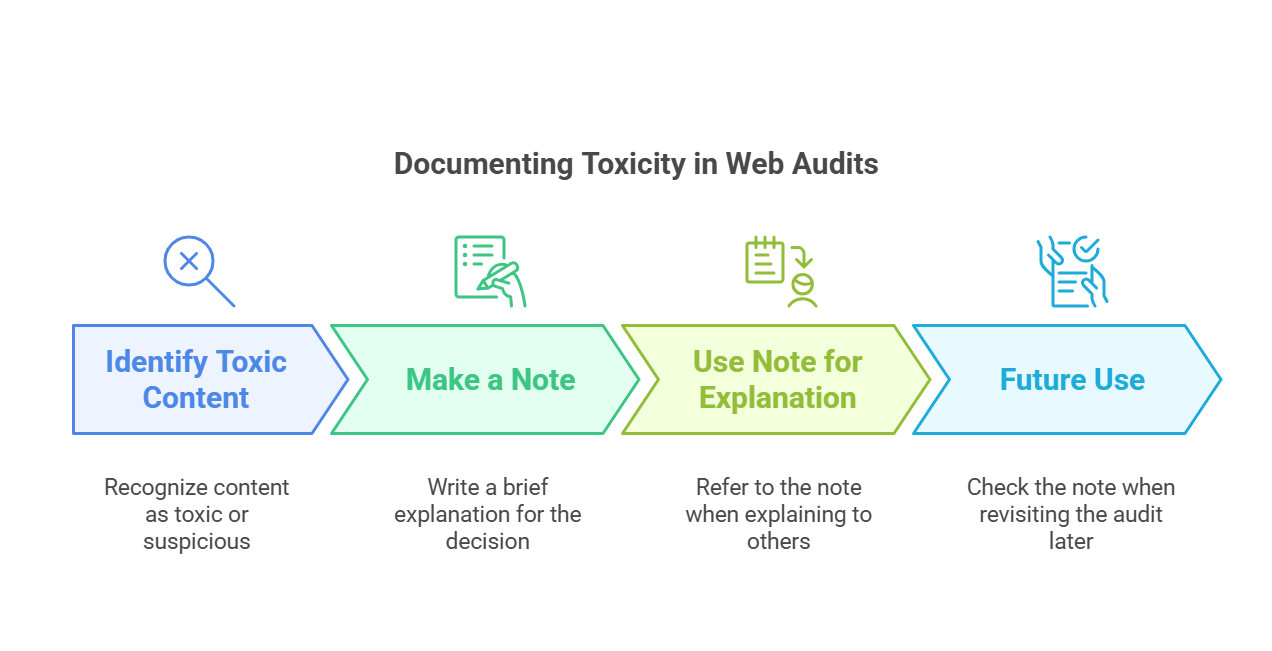
Identifying Toxic Links
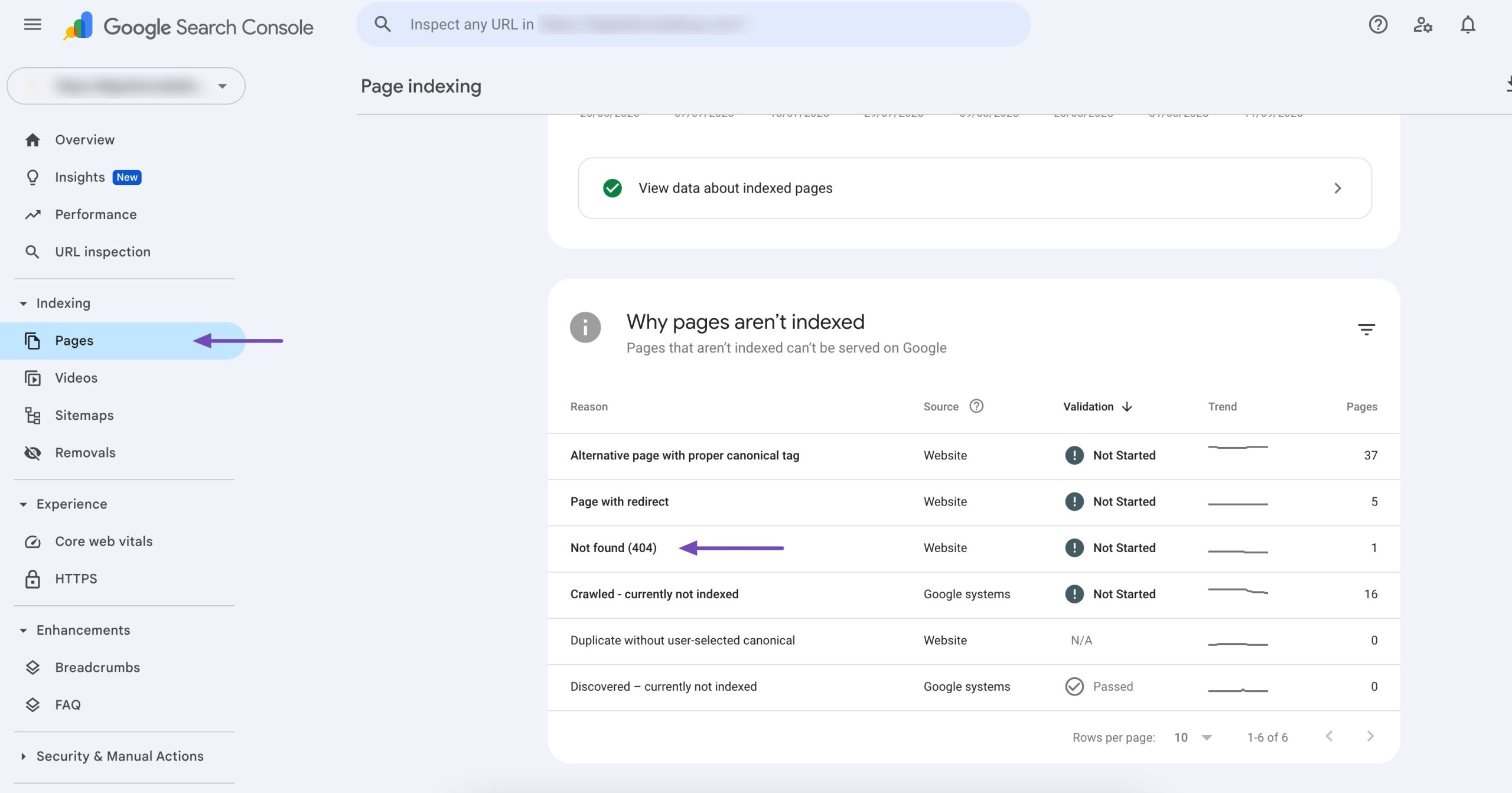
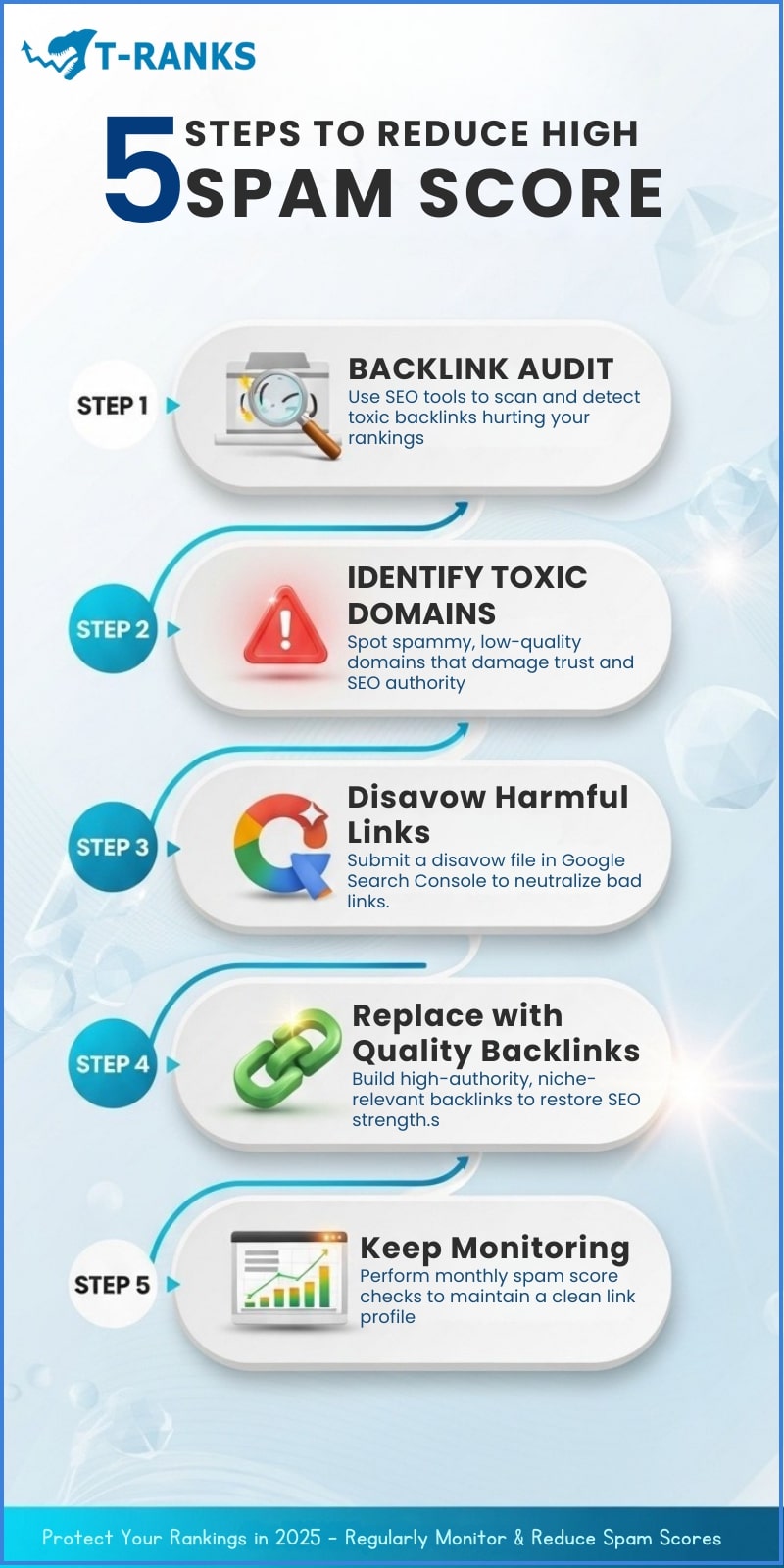
Toxic links can harm your site’s SEO. These come from spammy, low-quality, or suspicious sites. Toxic links often use black-hat SEO tactics. Find toxic links using tools like Google Search Console or backlink checkers. Remove or disavow these links to protect your site’s health and ranking.
Removing Harmful Links
Removing harmful links is a key step in a backlink audit. Bad links can hurt your website’s ranking. They come from spammy or low-quality sites. These links can make search engines think your site is less trustworthy. Fixing this issue keeps your SEO strong and your site safe.
Contacting Webmasters
Start by finding the website owners of harmful links. Look for contact details on their site. Send a polite email asking to remove the link. Explain why the link is harmful to your site. Keep your message clear and professional. Some webmasters may remove the link quickly. Others might ignore your request. Track your emails for follow-up.
Using Disavow Tools
Disavow tools help you tell search engines to ignore bad links. Use this tool if webmasters do not remove links. Create a list of harmful URLs or domains. Submit the list through Google Search Console. This tells Google not to count these links. Use the tool carefully. Removing good links by mistake can hurt your SEO.
Leveraging High-quality Links
High-quality backlinks boost your website’s trust and ranking. These links come from trusted sites. They send positive signals to search engines. Focus on using them wisely during your backlink audit. Quality links bring steady traffic and improve your site’s authority. Avoid low-quality links that may harm your SEO.
Strengthening Valuable Links
Identify your best backlinks first. Check which links drive traffic and improve rankings. Reach out to site owners for updates or renewals. Fix broken links that once pointed to your site. Ask for link placements on relevant pages. Keep these links active and relevant. Strong backlinks keep your site trustworthy and visible.
Building New Authority Links
Find websites related to your niche with high authority. Offer useful content or guest posts to gain links. Participate in forums and communities to share your expertise. Create valuable resources others want to reference. Use social media to promote your content and attract links. New quality links increase your website’s authority and reach.
Credit: rankmath.com
Tracking Audit Results
Tracking audit results is essential for understanding how backlinks affect your website. It helps you see what works and what needs change. This process lets you keep your SEO efforts focused and efficient.
Regular tracking shows progress over time. It gives clear data about your site’s health and link quality. Without tracking, you might miss important signs of SEO problems or success.
Monitoring Seo Performance
Use tools to watch your site’s ranking and traffic. Check if your backlinks bring more visitors. Look for changes in keyword positions.
Track metrics like domain authority and referral traffic. These numbers show how backlinks impact your site. Watch for sudden drops or spikes.
Keep a record of your audit dates and results. Compare data regularly to spot trends. This helps in making smart decisions.
Adjusting Strategy Based On Data
Use audit data to improve your backlink strategy. Remove harmful links that lower your ranking. Focus on getting links from strong, relevant sites.
Change your outreach or content plans based on results. Add more links from sources that bring traffic. Stop efforts that do not improve performance.
Testing different approaches helps find what works best. Always update your backlink list after each audit. This keeps your SEO strategy fresh and effective.
Credit: t-ranks.com
Frequently Asked Questions
What Is A Backlink Audit And Why Is It Important?
A backlink audit evaluates your website’s link profile for quality and relevance. It helps identify harmful links that can hurt SEO. Regular audits improve search rankings, prevent penalties, and boost organic traffic by maintaining a healthy backlink profile.
How Do I Start A Step-by-step Backlink Audit?
Begin by collecting all backlinks using tools like Ahrefs or SEMrush. Next, analyze link quality, relevance, and anchor text. Identify toxic or spammy links and disavow them. Finally, document findings and create a plan to improve your backlink profile.
Which Tools Are Best For Backlink Auditing?
Popular tools for backlink audits include Ahrefs, SEMrush, Moz, and Google Search Console. These tools provide detailed link data, toxicity scores, and anchor text analysis. Using multiple tools ensures a comprehensive backlink evaluation for better SEO decisions.
How Often Should I Perform A Backlink Audit?
Perform a backlink audit every 3 to 6 months. Regular audits help detect harmful links early and maintain a strong SEO foundation. Frequent checks prevent penalties and keep your website’s link profile clean and authoritative.
Conclusion
A backlink audit helps keep your website healthy and strong. It shows which links help and which hurt your ranking. Remove bad links and keep good ones for better results. Regular checks prevent search engine penalties and improve trust. Follow the steps carefully and stay consistent.
This simple task supports long-term SEO success. Your website deserves clean and quality backlinks. Start auditing today and watch your site grow steadily.