


Are you struggling to get your videos noticed on YouTube? The secret to growing your channel isn’t just creating great content—it’s about using the right keywords.
YouTube keyword research helps you find exactly what your audience is searching for. When you know the right words to include, your videos show up higher in search results, getting you more views and subscribers. You’ll learn simple steps to uncover powerful keywords that can boost your channel’s growth fast.
Ready to get your videos seen by more people? Let’s dive in.

Credit: tech2globe.com
Importance Of Keywords
Keywords play a vital role in YouTube success. They help the platform understand what your video is about. This understanding makes it easier for YouTube to show your video to people interested in your topic. Using the right keywords can increase your video’s reach and attract more viewers.
Without good keywords, your videos may get lost in the sea of content. Keywords connect your videos with the right audience. They improve your chances of being found in search results and recommendations.
How Keywords Impact Views
Keywords help YouTube decide who sees your video. The platform matches your keywords with user searches. The better the match, the higher your video ranks in search results. Videos with strong keywords get more clicks and views.
Good keywords also help your video appear in suggested videos. Suggested videos drive a lot of traffic. This can lead to more watch time and channel growth.
Choosing The Right Keywords
Select keywords that describe your video clearly. Use words people use to search for content like yours. Avoid very broad or too specific keywords. Balance between popular and less competitive keywords works best.
Check what keywords similar videos use. Use tools like YouTube’s search bar or keyword research tools. Include keywords naturally in your title, description, and tags. This boosts your video’s chance to be found.
Tools For Keyword Research
Finding the right keywords is key for YouTube success. Good keywords help your videos reach the right audience. Using the right tools makes this task easier and faster. These tools show what words people use to search on YouTube. They help you pick terms that match your video content well.
Free Tools
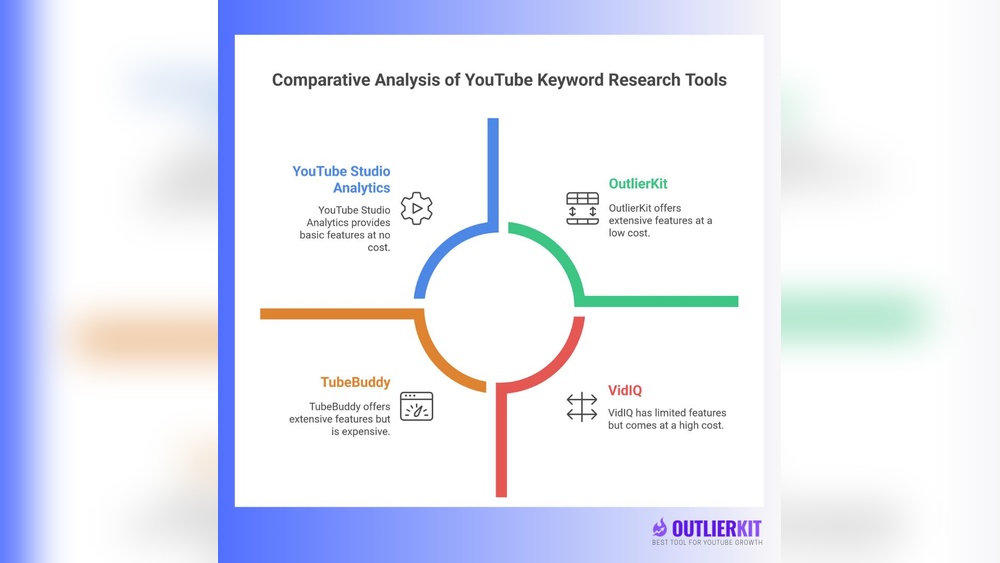
Several free tools offer great keyword ideas without cost. Google Trends shows popular search terms over time. It helps spot rising topics on YouTube. TubeBuddy’s free version provides basic keyword scores. It suggests related terms and their search volumes. VidIQ also offers free keyword insights. It gives scores for competition and search demand. These tools help start your keyword research without spending money.
Paid Tools
Paid tools provide deeper data and more features. Keywords Everywhere shows search volume, cost per click, and competition. It works well for YouTube keyword research. Ahrefs offers a YouTube-specific keyword tool with detailed metrics. It helps find high-traffic, low-competition keywords. SEMrush also includes YouTube keyword analysis in its paid plans. These tools save time and give better keyword ideas for serious creators.
Using Youtube Autocomplete
YouTube Autocomplete is a simple, free way to find keywords. Start typing a word in YouTube’s search bar. YouTube suggests popular searches related to that word. These suggestions reflect real user queries. They show what people often search for right now. Use these ideas to create relevant video titles and tags. Autocomplete helps find natural keywords without extra tools.
Finding High-impact Keywords
Finding high-impact keywords is key to growing your YouTube channel. These keywords help your videos reach the right audience. They improve your video’s chances of appearing in search results and suggested videos. Using strong keywords can bring more views and subscribers.
Analyzing Competitor Keywords
Check what keywords your competitors use in their titles and descriptions. Look for words that appear often and seem to attract views. This shows what topics work well in your niche. Use similar keywords but add your unique touch. This way, you can compete without copying.
Using Trending Topics
Trending topics get a lot of attention quickly. Find current events or popular themes in your video area. Use keywords related to these trends to catch viewers’ interest. Act fast because trends change fast. Trending keywords can give your videos a quick boost in views.
Long-tail Keywords Benefits
Long-tail keywords are longer and more specific phrases. They have lower competition, making it easier to rank. These keywords attract viewers who want exactly what you offer. Using long-tail keywords helps your videos reach a focused audience. This often leads to better engagement and more loyal viewers.

Credit: www.bluethings.co
Optimizing Video Metadata
Optimizing video metadata is key to helping your YouTube videos get found. Metadata includes titles, descriptions, and tags. These elements tell YouTube what your video is about. Clear and relevant metadata improves your video’s chances to appear in search results and suggested videos.
Proper metadata helps viewers understand your content before clicking. It also helps YouTube recommend your videos to the right audience. Focus on making each part of your metadata useful and relevant to your topic. This will increase your video’s visibility and attract more viewers.
Effective Titles
Create titles that clearly show the video’s main topic. Use important keywords naturally at the start. Keep titles short, under 60 characters, so they don’t get cut off. Avoid clickbait titles that mislead viewers. A clear title builds trust and improves search rankings.
Crafting Descriptions
Write descriptions that explain the video content in simple words. Use primary keywords in the first 2 sentences. Add more details or related keywords further down. Include links to your social media or website if relevant. Good descriptions help YouTube understand your video better.
Tagging Strategies
Use tags that match your video’s topic and keywords. Include a mix of broad and specific tags. Think about what viewers might type to find your video. Avoid unrelated or repetitive tags. Correct tags improve your video’s chances to appear in related searches.
Tracking And Adjusting Keywords
Tracking and adjusting keywords is a key step in YouTube keyword research. It helps you see what works and what does not. By regularly checking your keywords, you can keep your videos visible and attract more viewers. This process requires attention and action. Changes in trends and viewer behavior mean keywords must evolve too.
Monitoring Performance
Watch how your chosen keywords perform over time. Check which keywords bring the most views and engagement. Use YouTube’s search bar and video analytics for clues. Spot keywords that do not drive traffic. Remove or replace underperforming keywords quickly. This keeps your content fresh and relevant.
Adapting To Trends
Trends shift fast on YouTube. New topics and interests appear daily. Stay aware of these changes to keep your keywords up-to-date. Add trending keywords to your titles, descriptions, and tags. This can boost your video’s reach. Avoid sticking to old keywords that no longer attract viewers.
Using Analytics Tools
Use tools like YouTube Analytics, TubeBuddy, or VidIQ. These provide detailed data on keyword performance. Find out which keywords drive traffic and which do not. Analyze viewer behavior and search patterns. Use this data to refine your keyword list. This makes your videos easier to find and more popular.

Credit: medium.com
Advanced Keyword Techniques
Advanced keyword techniques help you find better words for your YouTube videos. These methods go beyond basic search terms. They help your videos reach more viewers who are interested in your content. Using these strategies, you can improve your video’s visibility and attract the right audience.
Semantic Keyword Research
Semantic keyword research focuses on the meaning behind words. It looks at related terms and phrases viewers use. This helps you find keywords that match the search intent. YouTube understands these connections and ranks videos accordingly. Use tools that show related searches and synonyms. This approach makes your content more relevant to different search queries.
Targeting Niche Audiences
Targeting niche audiences means finding specific groups of viewers. These groups have clear interests or problems. Use keywords that speak directly to them. This reduces competition and increases engagement. Narrow topics often have loyal viewers who watch more videos. Research small communities and tailor your keywords to their language.
Leveraging Viewer Intent
Viewer intent shows why people search for videos. Some want to learn, some want to be entertained. Identify what your audience wants from your content. Use keywords that match their goals. For example, use ”how to” for tutorials and ”review” for product videos. Aligning keywords with intent improves watch time and satisfaction.
Frequently Asked Questions
What Is Youtube Keyword Research?
YouTube keyword research identifies popular search terms viewers use. It helps creators optimize video titles, descriptions, and tags. This boosts video visibility and attracts targeted audiences. Effective keyword research increases engagement and channel growth.
How To Find Best Keywords For Youtube Videos?
Use tools like TubeBuddy, VidIQ, or YouTube’s autocomplete feature. Analyze competitor videos and check trending topics. Focus on keywords with high search volume and low competition. This strategy helps your videos rank higher and reach more viewers.
Why Is Keyword Research Important For Youtube Seo?
Keyword research improves your video’s discoverability on YouTube. It ensures your content matches what users search for. This leads to higher rankings, increased views, and better audience retention. Proper keywords help your channel grow organically.
Can Keywords Affect Youtube Video Ranking?
Yes, keywords directly impact video ranking in search results. Properly placed keywords in titles, descriptions, and tags signal relevance to YouTube’s algorithm. This increases chances of appearing in suggested videos and search results. Strong keywords drive more traffic to your videos.
Conclusion
Keyword research helps your videos reach the right people. It guides your content to match what viewers search. Using clear and relevant keywords boosts your channel’s visibility. Keep testing different keywords to see what works best. This process takes time but improves your video’s success.
Stay patient and consistent with your efforts. Good keyword choices make your videos easier to find. This can lead to more views and subscribers. Keep learning and adjusting your strategy often. Your channel will grow step by step.