


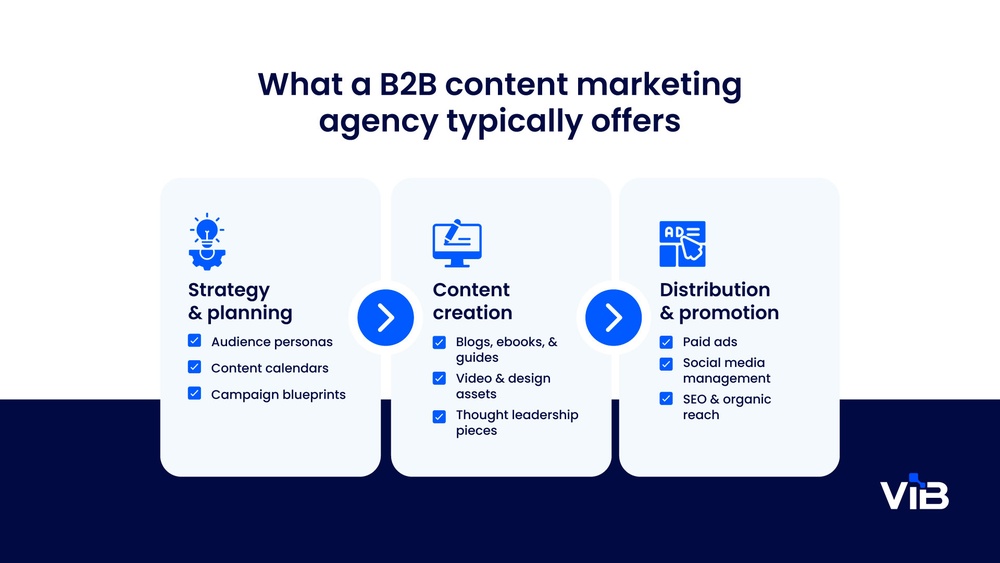
Are you struggling to get your B2B content noticed? Creating great content is only half the battle.
Without the right distribution strategy, your hard work may go unseen by the people who matter most—your potential clients. Imagine reaching the right audience at the right time, boosting your brand’s visibility, and driving more qualified leads effortlessly. You’ll discover simple yet powerful ways to distribute your B2B content effectively.
By the end, you’ll have clear steps to make your content work harder for your business. Ready to unlock the full potential of your content? Let’s dive in.
Credit: influencermarketinghub.com
Content Channels That Work
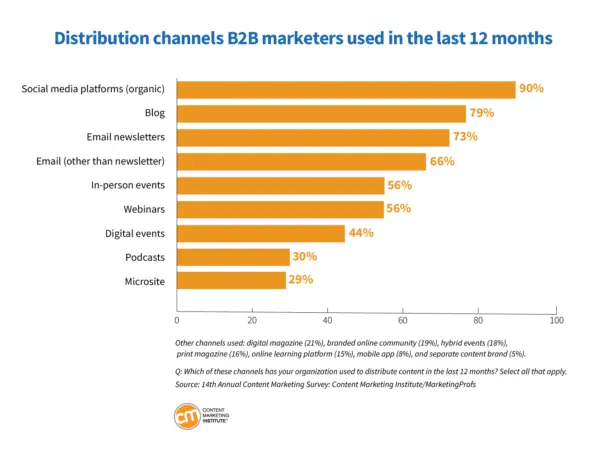
Choosing the right content channels helps your B2B content reach the right audience. Different channels serve different purposes and offer unique benefits. Focus on channels that build trust and encourage engagement. This approach boosts your content’s impact and supports your business goals.
Leveraging Email Marketing
Email marketing remains a strong channel for B2B content distribution. It allows direct communication with potential clients and partners. Personalized emails increase open rates and click-throughs. Segment your email list to send relevant content to specific groups. Consistent email campaigns keep your brand top of mind. Make sure your emails provide real value, not just sales pitches.
Maximizing Social Media Reach
Social media platforms help share content widely and quickly. LinkedIn is especially effective for B2B marketing. It connects you with professionals and decision-makers. Share articles, infographics, and videos that educate your audience. Engage with comments and participate in relevant groups. Use social posts to start conversations and build relationships.
Utilizing Industry Forums
Industry forums attract professionals interested in specific topics. These forums offer a chance to share knowledge and build credibility. Participate in discussions and answer questions thoughtfully. Share your content when it adds value to the conversation. Avoid spamming; focus on helping and informing your audience. This method builds trust and positions you as an expert.
Exploring Paid Advertising
Paid advertising can boost your content visibility quickly. Platforms like LinkedIn Ads target specific industries and roles. Use ads to promote webinars, whitepapers, or case studies. Set clear goals and track your ad performance closely. Testing different ads helps find what works best. Paid ads complement organic efforts and expand your reach effectively.
Credit: altitudemarketing.com
Crafting Content For Your Audience
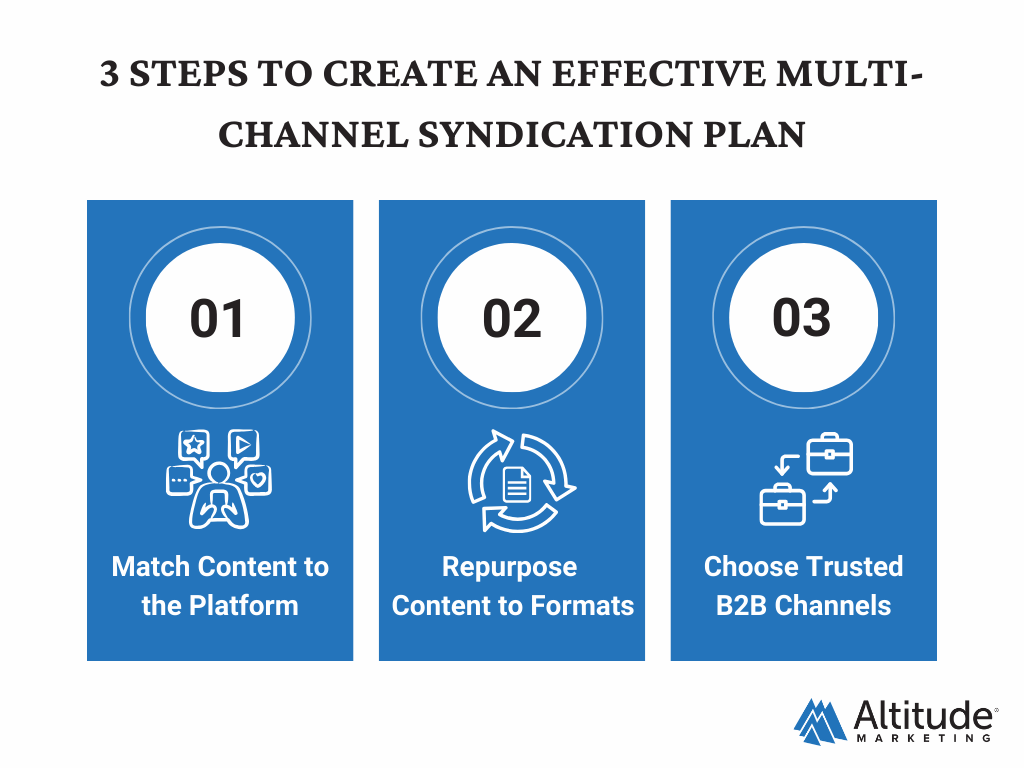
Crafting content for your audience is essential in B2B content distribution. Content must speak directly to the needs and interests of your target businesses. Understanding your audience helps create messages that connect and engage effectively.
Clear, focused content improves trust and encourages action. Each piece should fit the specific preferences of your audience segments. This approach boosts relevance and increases the chance of success in your campaigns.
Segmenting Your Audience
Divide your audience into smaller groups based on shared traits. Use criteria like industry, company size, job role, or location. Segmentation allows for more precise communication and better engagement.
Each segment has unique challenges and goals. Tailor your content to address these specifics. This makes your messages more meaningful and easier to understand.
Tailoring Messages To Buyer Personas
Create buyer personas to represent typical customers. Include details like their pain points, decision drivers, and daily tasks. Personas help shape content that feels personal and relevant.
Use language and examples that match each persona’s experience. Speak to their concerns and show how your solution fits their needs. This builds stronger connections and trust.
Optimizing Content Formats
Choose content formats that suit your audience’s preferences and habits. Some prefer short videos, others like detailed guides or infographics. Variety keeps your content fresh and accessible.
Test different formats to see what works best. Optimize for mobile and desktop viewing. Clear, simple formats improve comprehension and keep readers engaged longer.
Timing And Frequency Tactics
Timing and frequency are key in B2B content distribution. Sharing content at the right moment increases visibility and engagement. Posting too often can overwhelm your audience. Posting too little may cause them to forget your brand. Finding the right balance helps keep your audience interested and builds trust.
Best Times To Publish
Publishing content during business hours works best for B2B audiences. Early mornings and late afternoons get good attention. Midweek days like Tuesday, Wednesday, and Thursday see higher engagement. Avoid weekends and late evenings since most professionals are offline then. Test different times to find what fits your audience.
Balancing Frequency And Quality
Posting often keeps your brand visible but can reduce quality. Focus on creating helpful, clear content instead of many posts. One strong post beats several weak ones. Choose a steady schedule that you can maintain without rushing. Quality content builds credibility and encourages shares.
Using Automation Tools
Automation tools help schedule posts ahead of time. They ensure content goes out at the best moments. These tools save time and keep consistency. Use them to plan your weekly or monthly posts. Do not rely only on automation; monitor results and adjust your strategy.
Measuring Engagement Success
Measuring engagement success is crucial for any B2B content distribution strategy. It shows how well your content connects with your audience. Tracking engagement helps you see what works and what needs change. Clear data guides smarter decisions for better results.
Key Performance Metrics
Focus on metrics that reveal true engagement. Page views show how many people see your content. Time on page indicates if readers find it useful. Click-through rates measure interest in your calls to action. Social shares and comments reveal audience interaction. Lead generation numbers show content’s impact on sales.
Tracking Tools And Platforms
Use tools to collect and analyze engagement data. Google Analytics tracks website traffic and user behavior. HubSpot offers detailed insights on lead activity. LinkedIn Analytics measures post performance on social media. Use heatmaps to see where users click most. Choose tools that fit your budget and goals.
Analyzing Data For Improvement
Look for patterns and trends in your data. Identify which content types get the most attention. Find out where users drop off or lose interest. Use insights to improve headlines, formats, and topics. Test changes regularly to see what increases engagement. Continuous analysis leads to stronger content and better results.
Collaborative Distribution Approaches
Collaborative distribution approaches help businesses share content more widely. Working together with others increases reach and trust. It builds stronger connections and spreads messages faster. These approaches reduce costs and improve results. Collaboration taps into new audiences and creates fresh opportunities.
Partnering With Industry Influencers
Industry influencers have loyal followers who trust their opinions. Partnering with them helps share your content with the right crowd. Influencers add credibility and boost your brand image. They can create content or share your existing pieces. This partnership often leads to higher engagement rates and more leads.
Co-marketing Opportunities
Co-marketing means teaming up with another company to promote content. Both parties share resources, audiences, and costs. This approach expands your reach beyond your usual market. It also creates diverse content that appeals to wider groups. Co-marketing builds lasting business relationships and mutual benefits.
Employee Advocacy Strategies
Employees are trusted voices for any business. Encouraging them to share content spreads your message naturally. Employee advocacy increases content visibility on social networks. It also humanizes your brand and builds trust with prospects. Training employees on sharing guidelines makes this method more effective.
Overcoming Distribution Challenges
Distributing B2B content has its own set of challenges. Many businesses face hurdles that slow down their growth and reduce their reach. Overcoming these issues is key to ensuring content gets noticed and drives results. Below are some common challenges and ways to tackle them effectively.
Avoiding Content Saturation
Content saturation happens when your audience sees too much similar content. This causes them to lose interest quickly. To avoid this, focus on unique angles and fresh ideas. Use customer feedback to find new topics. Mix up formats like videos, blogs, and infographics. Stand out by offering real value, not just more noise.
Maintaining Consistency Across Channels
Consistent messaging builds trust and recognition. Post regularly on all platforms without losing your brand voice. Use a content calendar to schedule posts. Coordinate teams to ensure everyone follows the same style and tone. Small differences in messaging can confuse your audience. Keep your content aligned to create a seamless experience.
Adapting To Algorithm Changes
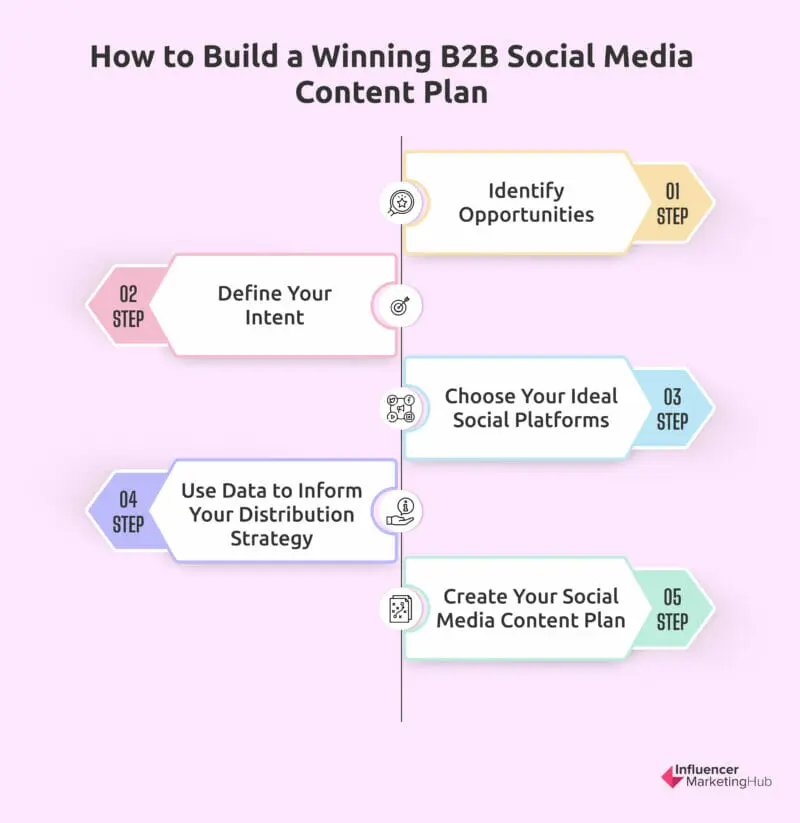
Algorithms on social platforms change often. This can reduce your content’s visibility suddenly. Stay updated on platform news and trends. Test different posting times and formats to find what works best. Use data and analytics to adjust your strategy quickly. Being flexible helps keep your content in front of the right people.
Credit: influencermarketinghub.com
Frequently Asked Questions
What Is B2b Content Distribution?
B2B content distribution is the process of sharing business-focused content across multiple channels. It aims to reach target companies and decision-makers. Effective distribution boosts brand visibility, generates leads, and nurtures client relationships. Channels include email, social media, industry forums, and paid ads.
Why Is Content Distribution Important For B2b Marketing?
Content distribution ensures your valuable content reaches the right audience. It increases engagement, brand awareness, and drives qualified traffic. Without distribution, even the best content may go unnoticed. It supports lead generation and helps build trust with potential clients.
Which Channels Work Best For B2b Content Distribution?
Email marketing, LinkedIn, industry-specific forums, and webinars are top B2B channels. Paid ads and guest blogging also perform well. Choosing channels depends on your audience’s preferences and where they engage most professionally.
How Often Should B2b Content Be Distributed?
Frequency depends on your strategy but consistency is key. Aim to distribute content weekly or biweekly. Regular updates keep your audience engaged and improve SEO. Avoid overwhelming your audience with too many messages.
Conclusion
Effective B2B content distribution reaches the right people at the right time. Choose channels that fit your audience and message. Consistent sharing builds trust and keeps your brand visible. Track results to see what works best. Adjust your strategy based on data and feedback.
Good content alone is not enough; smart distribution matters too. Keep your focus on clear, simple communication. This helps your business grow steadily and connect with more clients.