


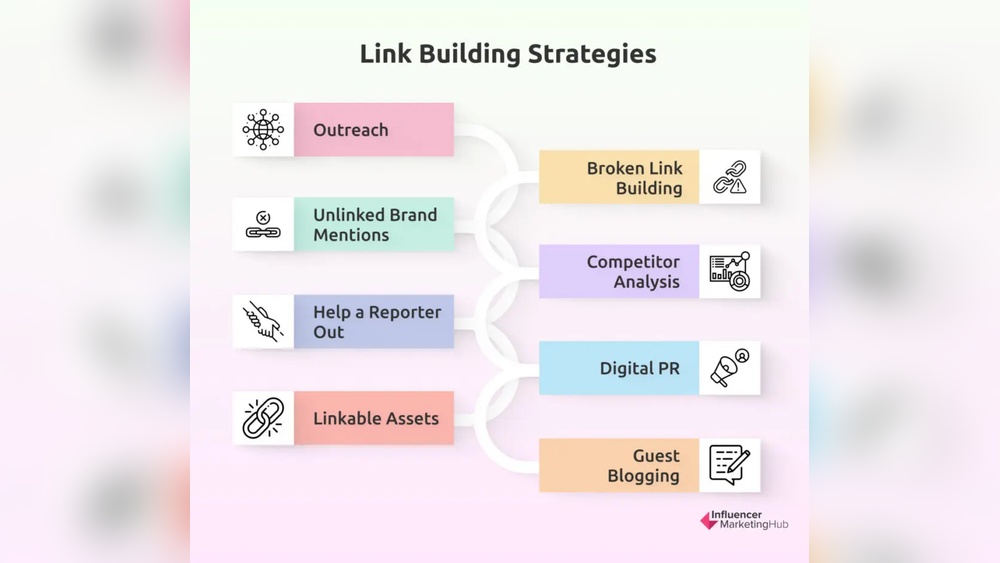
Are you struggling to get your website noticed? One of the best ways to boost your site’s visibility is through smart link building strategies.
When you build strong, relevant links, you not only improve your search rankings but also drive more targeted visitors to your site. You’ll discover simple yet powerful techniques that you can start using right away to grow your online presence.
Ready to take your website to the next level? Keep reading, because the right link building approach can make all the difference for your success.
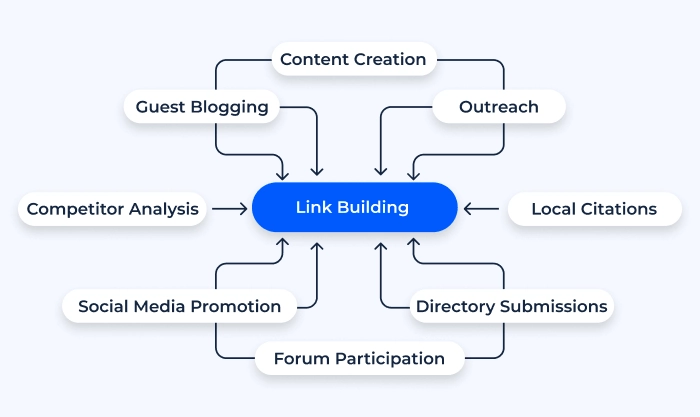
Credit: blog.zemalt.com
Importance Of Link Building
Link building plays a key role in improving your website’s visibility online. It helps search engines find your pages and understand their value. Without good links, your site may stay hidden in the depths of search results. Quality links act like votes, telling search engines your content is trustworthy and useful.
Strong link building supports your site’s growth. It brings more visitors and builds trust. A website with many good links shows it has useful information. This trust helps your site rank better and attract more users.
Impact On Search Rankings
Search engines use links to rank websites. Links signal which pages are important. More quality links often mean higher rankings. Pages with many trusted links appear on the first page of search results. This leads to more clicks and visits.
Links also help search engines discover new pages. Without links, some pages may stay hidden. Good link building speeds up this process. It helps your site get noticed faster.
Enhancing Website Authority
Links from strong websites boost your site’s authority. Authority means trust and expertise in your niche. High-authority sites linking to you show your content is reliable. This builds your reputation online.
Authority affects how users see your site too. When visitors see trusted links, they feel confident in your information. This can lead to more shares, followers, and customers.
Types Of Links To Target
Link building involves different types of links. Each type has its own value and risk. Understanding these helps build a strong backlink profile. This section explains the main types of links to target for SEO success.
Natural Links
Natural links are earned without asking. They come from other websites that find your content useful. These links show trust and authority to search engines. They improve your website’s ranking and reputation. Quality content attracts natural links over time.
Manual Links
Manual links are gained by outreach or requests. You contact website owners to ask for a link. This includes guest posts, partnerships, and directory submissions. Manual links require effort but can target specific audiences. Make sure to choose reputable sites for these links.
Self-created Links
Self-created links are made by the website owner. Examples include blog comments, forum profiles, and social media posts. These links are easy to create but often low in value. Overuse can lead to penalties from search engines. Use self-created links carefully and avoid spammy practices.
Content-driven Link Building
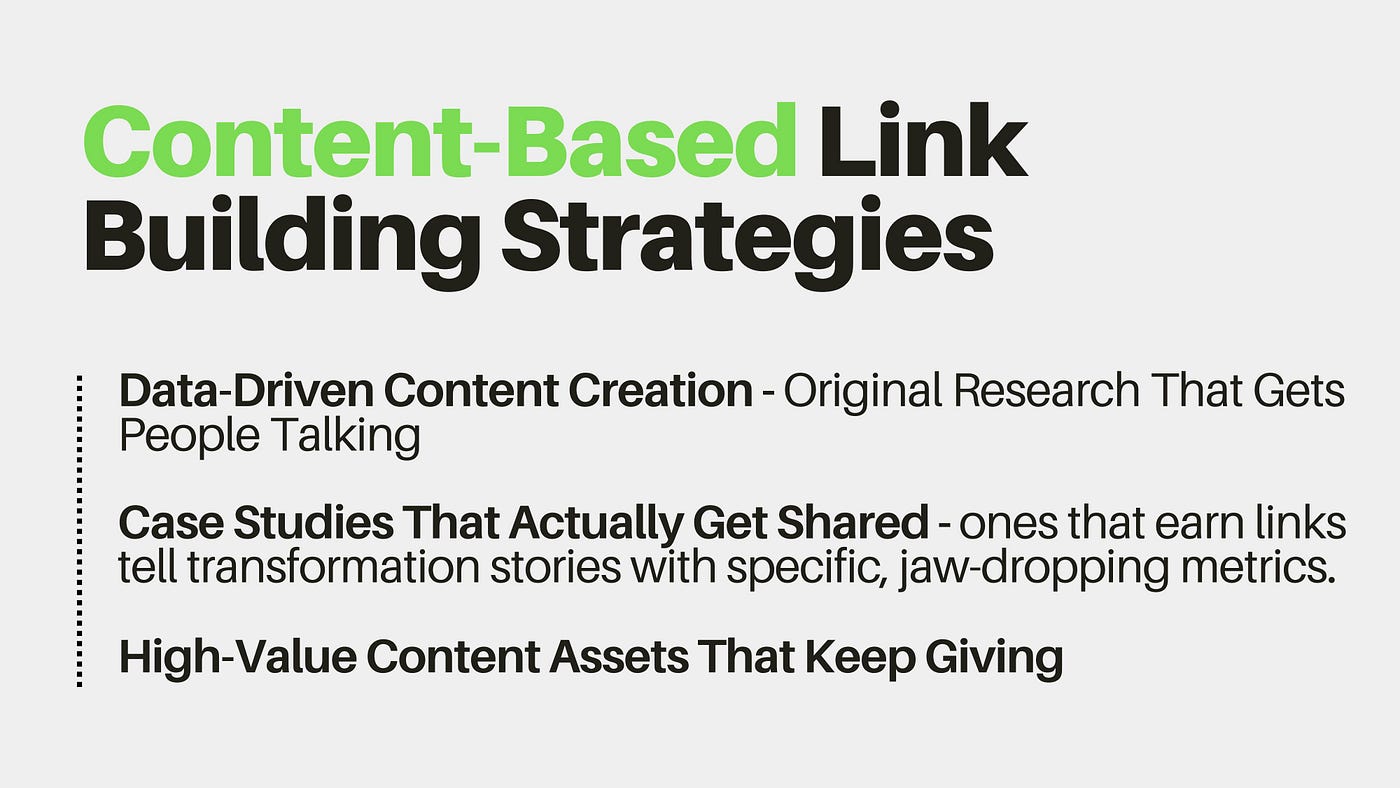
Content-driven link building focuses on creating valuable material that attracts links naturally. This strategy builds authority and trust with search engines. Quality content encourages websites to link back without asking.
Strong, useful content improves your site’s visibility and ranking. It also provides real value to readers. The key is to offer information others want to share or reference.
Creating Link-worthy Content
Craft content that solves problems or answers questions clearly. Use facts, data, and examples to support your points. Write in simple language that anyone can understand. Unique insights and fresh ideas help your content stand out. Articles, guides, and tutorials often attract many backlinks.
Guest Posting Benefits
Guest posting lets you share content on other websites. It builds relationships with site owners in your niche. Quality guest posts include links back to your site. This drives traffic and improves your site’s authority. Consistent guest posting broadens your reach and earns valuable links.
Utilizing Infographics
Infographics show information clearly and attractively. They simplify complex data into easy visuals. People love sharing infographics, which creates natural backlinks. Use accurate data and keep designs clean and simple. Share infographics on social media and blogs for wider reach.
Outreach Techniques
Outreach techniques help you connect with others to build strong links. These methods focus on creating real connections rather than just asking for links. Successful outreach needs clear messages and respect for the person you contact. This makes your link requests more likely to get a positive response.
Personalized Email Campaigns
Sending emails that feel personal increases your chance of success. Use the recipient’s name and mention something specific about their website or work. Avoid generic messages that seem like spam. Short emails that get straight to the point work best. Ask politely and explain why your link is useful for their audience.
Building Relationships With Influencers
Influencers can share your content with many followers. Start by following them and engaging with their posts. Comment and share their work to build trust. Offer help or useful information without asking for anything first. Over time, this creates a natural chance to ask for a link or collaboration.
Leveraging Social Media
Social media platforms are great places to reach out quickly. Join groups or communities related to your niche. Share valuable content and join conversations. Tag people when relevant to get their attention. Direct messages can be a softer way to start a conversation before asking for links.
Leveraging Existing Relationships
Building links can be easier by using relationships you already have. These connections often bring trust and relevance to your site. You do not need to start from zero. Existing relationships offer great chances for quality links.
These links help improve your site’s authority and search rankings. They also bring visitors who already know or trust your business. Focus on partners, suppliers, and happy customers to build strong links.
Partner And Supplier Links
Partners and suppliers already mention your business. Ask them to add your link on their websites. This shows search engines your site is trustworthy and connected.
Links from partners and suppliers often have high authority. They fit naturally in content about your industry. This makes the link valuable for SEO and user experience.
Keep communication open with these contacts. Share your latest content or updates. This encourages them to link to your new pages or blog posts.
Customer Testimonials
Write testimonials for your customers or clients. Many businesses display testimonials with a link back to your site.
This link looks natural and builds trust. It also helps customers find your site through the testimonial source.
Offer honest and specific feedback. This makes testimonials useful and genuine. A real testimonial link can improve both SEO and reputation.
Credit: medium.com
Utilizing Tools For Link Building
Utilizing tools for link building makes the process easier and faster. These tools help find good websites to link from. They also keep track of your existing links. This way, you can focus on quality links that improve your site’s ranking.
Identifying Link Opportunities
Tools can scan the web to find sites related to your niche. They show where competitors get their links. This helps find new places to ask for links. Some tools suggest guest post sites or directories. Using them saves time and finds better chances for links.
Monitoring Backlinks
Tracking backlinks is important to keep your site safe. Tools notify you if links disappear or become harmful. They also show the strength and quality of each link. This helps remove bad links that hurt your ranking. Monitoring ensures your link profile stays healthy and strong.
Avoiding Link Building Pitfalls
Avoiding link building pitfalls is key to a strong SEO strategy. Poor choices can harm your website’s ranking and reputation. Careful planning and smart actions keep your link profile healthy. Understanding common mistakes helps you stay safe and effective.
Recognizing Black Hat Techniques
Black hat techniques break search engine rules. These include buying links or using spammy sites. Such tactics might give quick results but cause penalties. Search engines can detect unnatural link patterns easily. Avoid link farms, hidden links, and keyword stuffing.
Focus on natural, earned links from trusted sources. Quality matters more than quantity for long-term success. Stay clear of shortcuts that risk your site’s trust.
Maintaining Link Quality
High-quality links improve your site’s authority and traffic. Links from relevant, respected websites carry more weight. Check the site’s content and trustworthiness before linking. Avoid links from low-quality or unrelated sites.
Regularly audit your backlinks to remove harmful or broken links. Keep your link profile diverse with different sources. Consistent quality links build steady growth and strong SEO.
Measuring Link Building Success
Measuring link building success helps you see if your efforts pay off. It shows how well your links drive visitors and improve your site’s power. Tracking the right data keeps your strategy focused and effective.
Tracking Referral Traffic
Referral traffic tells you how many visitors come from your links. Use tools like Google Analytics to check this data. Look at which links bring the most visitors. This shows which sites send valuable traffic. Focus on links that attract real people, not just numbers.
Assessing Domain Authority Growth
Domain Authority (DA) measures your site’s strength online. A higher DA means your site is trusted more by search engines. Track DA over time to see if your link building helps. Use tools like Moz or Ahrefs for accurate DA scores. Growth in DA shows your links build real value for your site.
Credit: www.promanageitsolution.com
Frequently Asked Questions
What Are The Best Link Building Strategies In 2024?
The best strategies include guest posting, broken link building, and skyscraper techniques. Focus on quality content and relevant sites. Diversify your link profile for better SEO results. Consistency and relationship building remain key in 2024.
How Does Link Building Improve Website Ranking?
Link building boosts website authority by gaining backlinks from reputable sites. Search engines see these links as votes of confidence. More quality backlinks typically lead to higher rankings and increased organic traffic.
What Is The Difference Between Dofollow And Nofollow Links?
Dofollow links pass SEO value to your site, improving rankings. Nofollow links do not transfer SEO value but can still drive traffic. A balanced mix helps maintain a natural backlink profile.
How Can I Find Link Building Opportunities?
Use tools like Ahrefs, SEMrush, or Moz to analyze competitors’ backlinks. Search for relevant blogs, forums, and industry sites. Look for broken links and guest posting options to create new opportunities.
Conclusion
Strong link building helps improve your website’s visibility online. Focus on creating quality content that others want to share. Build relationships with trusted sites in your niche. Use different strategies to get diverse backlinks. Keep your efforts natural and avoid spammy links.
Regularly check your links to maintain a healthy profile. Patience and consistency bring the best results over time. Start applying these tips to grow your site’s authority and traffic.