Are you ready to get ahead of your competitors and make smarter business moves? Competitive intelligence gives you the power to understand what your rivals are doing and how you can do it better.
Imagine having a clear map of your market, spotting opportunities before anyone else, and avoiding costly mistakes. This isn’t just about gathering information—it’s about turning that information into actions that grow your business. Keep reading to discover how competitive intelligence can change the way you compete and help you win.
What Is Competitive Intelligence
Competitive intelligence helps businesses learn about their rivals. It gathers facts that show what others are doing. This knowledge guides smart decisions in business.
Companies use it to stay ahead and avoid surprises. It is not just spying. It is legal and ethical research.
What Competitive Intelligence Means
Competitive intelligence means finding information about competitors. It covers products, prices, strategies, and customer opinions. The goal is to understand the market better.
How Competitive Intelligence Works
The process collects data from many sources. Public reports, websites, and social media are common places. This data is then studied to find patterns and facts.
Why Competitive Intelligence Is Important
Knowing the competition helps businesses plan well. It reduces risks and finds new chances. It also helps improve products and services.
Key Benefits For Businesses
Competitive intelligence helps businesses stay ahead in a fast-changing market. It provides valuable insights about competitors, customers, and industry trends. This knowledge supports smarter business choices and better planning. Here are some key benefits competitive intelligence offers to businesses.
Enhancing Decision Making
Competitive intelligence gives clear facts to support decisions. It reduces guesswork by showing real market conditions. Leaders use this data to choose strategies with higher chances of success. It helps prioritize actions that bring the most value. This way, companies avoid costly mistakes and wasted efforts.
Identifying Market Opportunities
Competitive intelligence reveals gaps in the market. It shows areas where competitors are weak or absent. Businesses can spot new needs or customer demands early. This allows them to create products or services that fit those needs. Finding opportunities first helps gain a strong market position and grow faster.
Mitigating Risks
Competitive intelligence warns about potential threats and challenges. It tracks competitor moves and industry changes that could impact business. Companies can prepare better by adjusting plans or improving weaknesses. Early risk detection lowers chances of surprises that harm growth. This keeps the business safer in uncertain times.
Sources Of Market Data
Gathering market data is key to understanding competitors and customer needs. It helps businesses make smart decisions and stay ahead. Data comes from many places, each offering unique insights. Knowing where to find this information saves time and improves results.
Public Records And Reports
Public records include government filings, financial reports, and industry studies. These sources offer reliable data on market trends and company performance. They are often free or low-cost and easy to access online. Using these records helps track competitors’ moves and market changes.
Social Media Insights
Social media platforms reveal what customers think and share. Monitoring posts and comments uncovers customer preferences and brand reputation. This data reflects real-time opinions and trends. Social listening tools help collect and analyze this information efficiently.
Customer Feedback
Direct feedback from customers is a rich source of market data. Surveys, reviews, and support tickets show product strengths and weaknesses. This input helps improve products and services. It also highlights unmet needs and emerging demands in the market.
Credit: visualping.io
Techniques To Gather Intelligence
Gathering competitive intelligence helps businesses understand their market and rivals. It involves collecting and analyzing data to make better decisions. Different techniques help gather useful and accurate information. These methods focus on studying competitors, measuring performance, and identifying strengths and weaknesses.
Competitor Analysis
Competitor analysis studies rivals’ products, services, and strategies. It looks at pricing, marketing, and customer feedback. This technique reveals competitors’ strengths and weaknesses. Companies can spot trends and gaps in the market. It helps create better offers and improve business plans.
Benchmarking
Benchmarking compares a company’s performance to top players in the industry. It measures sales, quality, and customer satisfaction. This process shows where the company stands. It also highlights areas needing improvement. Businesses use these insights to set realistic goals and enhance efficiency.
Swot Analysis
SWOT analysis identifies strengths, weaknesses, opportunities, and threats. It helps understand internal and external factors affecting the business. Companies use this method to plan strategies and reduce risks. It offers a clear view of challenges and possibilities in the market.
Tools To Accelerate Intelligence
Tools to accelerate competitive intelligence help businesses gather and analyze data fast. They turn raw information into clear insights. These tools improve decision-making and keep companies ahead.
Using the right tools saves time and reduces errors. It helps teams focus on strategy, not just data collection. Technology plays a big role in making intelligence smarter and quicker.
Data Analytics Platforms
Data analytics platforms collect and process large sets of data. They provide visual reports and trends. Businesses use these platforms to understand market changes and customer behavior.
These platforms support data from many sources. They help spot opportunities and risks early. Users can customize dashboards to track key metrics easily.
Automated Monitoring Software
Automated monitoring software tracks competitors and market news continuously. It sends alerts about important updates. This software reduces manual tracking work.
It scans websites, social media, and news feeds. The software helps catch new product launches or price changes fast. Staying informed becomes simpler and faster.
Ai And Machine Learning
AI and machine learning analyze data patterns and predict trends. They improve accuracy by learning from new data. These technologies help find hidden insights.
AI can process huge amounts of information quickly. It helps businesses react to market shifts sooner. Machine learning models grow smarter over time, boosting intelligence quality.
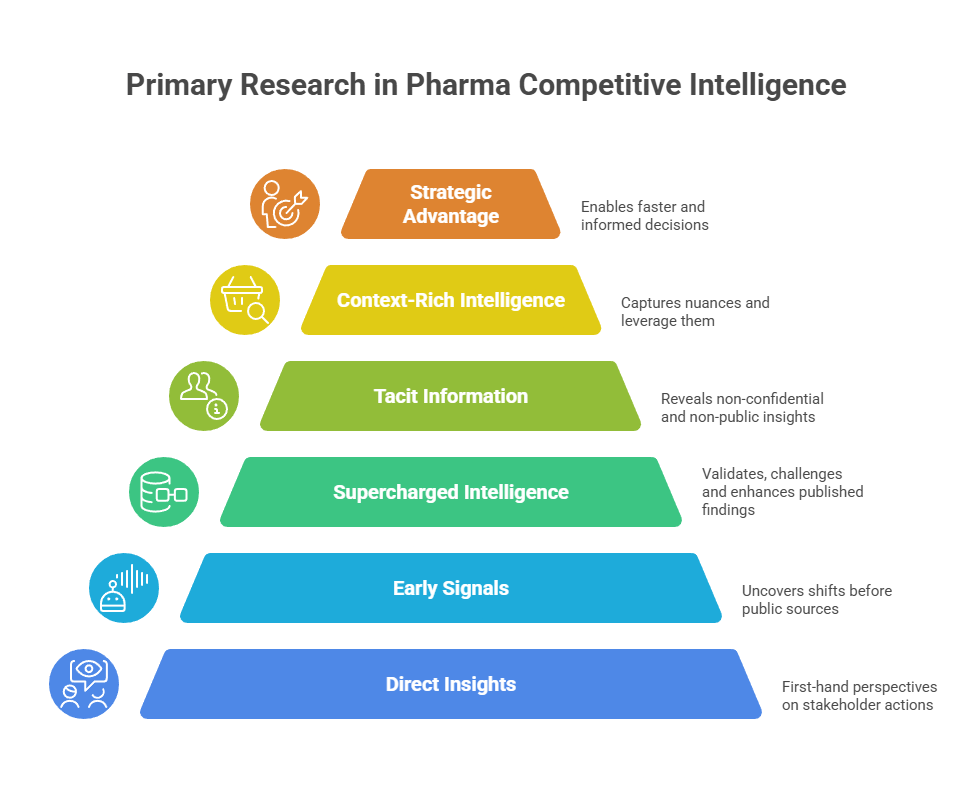
Credit: www.biopharmavantage.com
Ethical Practices And Legal Limits
Competitive intelligence helps businesses learn about their rivals and market trends. It gives valuable insights to improve strategy and decision-making. Still, companies must follow ethical rules and legal limits to stay fair and safe. Ethics guide how data is collected and used. Laws protect privacy and prevent theft of information.
Understanding these boundaries keeps businesses honest and trustworthy. It avoids costly penalties and damage to reputation. Companies must balance gaining knowledge with respecting rights and rules.
Ethical Data Collection Methods
Collecting data should respect privacy and honesty. Use public sources like websites, reports, and news. Avoid spying, hacking, or stealing secrets. Always seek information that is openly available. Transparency builds trust with customers and partners.
Legal Restrictions In Competitive Intelligence
Follow laws that protect data and trade secrets. Laws differ by country and industry. Know rules about privacy, copyrights, and patents. Violating these laws can cause lawsuits and fines. Consult legal experts to ensure compliance.
Respecting Competitors’ Confidential Information
Never use stolen or leaked information. Competitors’ secrets are protected by law. Using such data is illegal and unethical. Focus on analyzing public data and market trends. Fair competition benefits all businesses and consumers.
Building Trust Through Transparency
Be clear about how information is gathered. Share your methods with your team and clients. Transparency shows your commitment to fairness. It helps maintain a good business reputation. Trust attracts partners and loyal customers.
Integrating Intelligence Into Strategy
Integrating competitive intelligence into strategy helps businesses stay ahead. It provides clear insights about rivals, customers, and market trends. This information guides smarter decisions. Intelligence becomes part of daily planning and long-term goals.
Using intelligence in strategy makes companies more focused and ready for change. It ensures every move supports the overall business direction. Teams work with accurate data, reducing risks and improving results.
Aligning With Business Goals
Competitive intelligence must match the company’s main goals. It highlights opportunities and threats related to these goals. This alignment keeps efforts on what matters most. Teams understand how intelligence supports growth and success.
Clear goals help prioritize intelligence gathering. Focus on data that impacts sales, customer satisfaction, or product development. This approach saves time and boosts effectiveness.
Agile Response To Market Changes
Markets change fast. Intelligence allows quick reactions to new trends or competitor moves. Companies can adjust strategies before problems grow. This agility keeps businesses competitive and relevant.
Frequent updates and real-time data support fast decisions. Teams stay informed and act with confidence. Being flexible prevents losses and finds new chances to grow.
Continuous Improvement
Competitive intelligence drives ongoing learning and growth. Regular review of strategies helps spot what works and what doesn’t. This process improves tactics over time.
Feedback loops between intelligence and execution build stronger plans. Companies refine their approach to beat competitors. Continuous improvement leads to lasting success.

Credit: carolpoore.com
Case Studies Of Market Success
Case studies of market success show how companies use competitive intelligence. They reveal real examples of strategies that work. These stories help businesses learn and improve their own plans.
Competitive intelligence helps companies understand their market and rivals. It guides decisions and reduces risks. Case studies prove its value in practical ways.
Amazon’s Use Of Customer Data
Amazon studies customer behavior closely. They track what people buy and search. This data helps them offer better products and prices. Amazon stays ahead by knowing what customers want.
Nike’s Trend Monitoring
Nike watches fashion and sports trends worldwide. They adjust designs quickly to fit new styles. This keeps Nike popular and relevant in many markets. Their smart use of data gives them a strong edge.
Netflix’s Content Strategy
Netflix analyzes viewer habits to choose shows. They invest in popular genres and new ideas. This approach keeps subscribers happy and loyal. Competitive intelligence guides Netflix’s content decisions well.
Frequently Asked Questions
What Is Competitive Intelligence In Business?
Competitive intelligence involves gathering and analyzing data about competitors. It helps companies make informed strategic decisions and stay ahead in the market. This process includes monitoring competitor products, pricing, marketing strategies, and customer feedback to identify opportunities and threats.
How Does Competitive Intelligence Benefit Companies?
Competitive intelligence improves decision-making by providing insights into market trends and competitor actions. It enhances product development, marketing strategies, and customer targeting. Businesses can anticipate competitor moves and reduce risks, leading to increased market share and profitability.
What Tools Are Used For Competitive Intelligence?
Popular tools include SEMrush, SpyFu, and SimilarWeb for online data. Social media monitoring tools like Hootsuite track competitor activity. Additionally, surveys, public reports, and web scraping techniques gather valuable market intelligence efficiently.
How Is Competitive Intelligence Different From Market Research?
Competitive intelligence focuses specifically on competitor analysis and strategies. Market research studies broader customer preferences and market trends. Both are essential but serve different purposes in guiding business strategies and growth.
Conclusion
Competitive intelligence helps businesses stay aware of their rivals. It guides smart decisions and shapes strong strategies. Companies gain insight into market trends and customer needs. This knowledge supports growth and avoids costly mistakes. Staying informed keeps you ready for changes ahead.
Use competitive intelligence to improve your business plans. It brings clarity in a crowded market. Always keep learning and adapting to stay competitive.
Vill du få hjälp att bygga en digital strategi som håller dig steget före konkurrenterna? Kontakta Hive Creatives för en kostnadsfri genomgång.