Have you ever had a great idea but lacked the money to make it happen? Crowdfunding could be the key to turning your dreams into reality.
It lets you raise small amounts of money from many people who believe in your project. Imagine getting support from a community that shares your passion. You’ll discover how crowdfunding works, why it might be perfect for you, and simple steps to get started.
Keep reading—your next big opportunity could be just a few clicks away.
Crowdfunding Basics
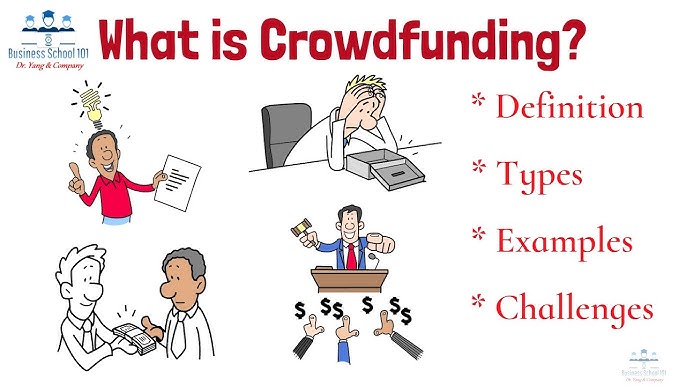
Crowdfunding is a way to raise money from many people. It helps fund projects, ideas, or businesses. Many small contributions add up to a big amount.
This method is popular for startups, creative works, and causes. It uses online platforms to connect fundraisers with supporters. Understanding the basics helps you use crowdfunding wisely.
Types Of Crowdfunding
There are four main types of crowdfunding. Each type suits different needs and goals.
- Donation-based: People give money without expecting rewards.
- Reward-based: Supporters get products or perks in return.
- Equity-based: Investors receive shares or ownership.
- Debt-based: Fundraisers borrow money and pay it back later.
How Crowdfunding Works
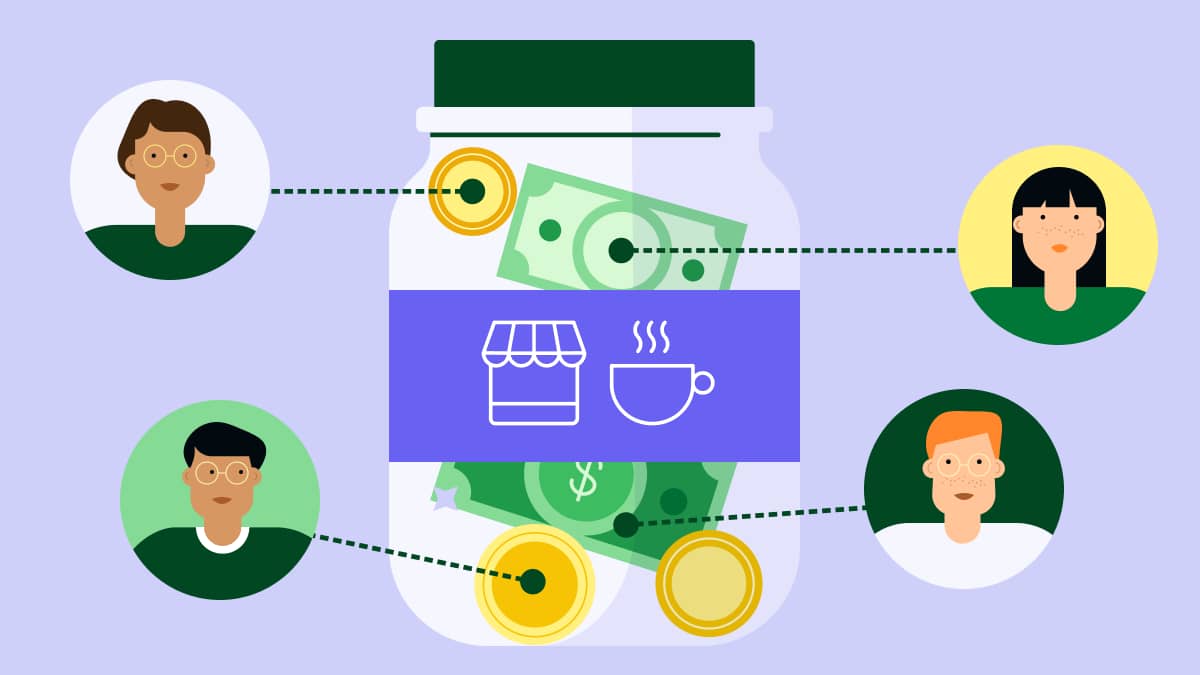
A person or group creates a campaign on a crowdfunding site. They share their story and funding goal. Supporters choose to contribute money. The platform collects funds and delivers them to the project owner.
Campaigns usually run for a set time. If the goal is met, funds are released. If not, money may be returned to supporters. Clear communication builds trust and encourages backing.
Key Players In Crowdfunding
Three main players make crowdfunding work well.
- Project creators: People who need funds for their idea.
- Backers: Supporters who give money to projects.
- Platforms: Websites that host campaigns and manage payments.
Each player plays a vital role in success. Creators share their vision clearly. Backers choose projects they believe in. Platforms provide a safe space for funding.

Credit: marketbrief.edweek.org
Planning Your Campaign
Planning your crowdfunding campaign is the first step to success. This stage sets the foundation for everything that follows. Careful preparation helps avoid common mistakes. It saves time and increases your chances of reaching your goal.
Start by understanding what you want to achieve. Know who your supporters are. Tell a story that makes people care. These steps keep your campaign clear and strong.
Setting Realistic Goals
Set a funding goal you can reach. Think about how much money you truly need. Include costs like production, fees, and shipping. Avoid asking for too little or too much. A clear goal shows you are serious and prepared.
Identifying Your Target Audience
Find out who will support your project. Think about their age, interests, and needs. Focus on people who care about your idea. Knowing your audience helps you speak their language. It also guides where to share your campaign.
Crafting A Compelling Story
Tell why your project matters. Share your passion and the problem you solve. Use simple words and short sentences. Make your story personal and honest. A good story connects with people’s feelings and moves them to help.
Choosing The Right Platform
Choosing the right crowdfunding platform is key to your campaign’s success. Each platform has unique features that suit different project types and goals. Picking the best one helps reach the right audience. It also ensures smooth fundraising and good support.
Consider the platform’s ease of use, fees, and payment methods. Think about the kind of projects they accept and how they promote campaigns. Knowing these details helps avoid surprises later.
Popular Crowdfunding Platforms
Some platforms are known worldwide. Kickstarter focuses on creative projects like art and tech. Indiegogo offers flexible funding for various ideas. GoFundMe is best for personal causes and emergencies. These platforms have large user bases, giving your campaign more visibility. They also provide tools for tracking progress and sharing updates.
Platform Fees And Policies
Each platform charges different fees. Most take a percentage of the funds raised, usually around 5% to 10%. Some charge extra payment processing fees. Check refund policies carefully. Some platforms only pay if you meet your goal. Others allow you to keep funds even if you fall short. Understanding these rules helps plan your budget and expectations.
Niche Platforms For Specific Causes
Some platforms focus on special causes. For example, Patreon supports creators with ongoing funding. Fundable targets startups and small businesses. Mightycause is designed for charities and nonprofits. These niche platforms attract audiences interested in specific projects. They often offer tailored tools for those communities. Choosing a niche platform can increase trust and donations.
Credit: www.youtube.com
Creating Engaging Content
Creating engaging content is key to a successful crowdfunding campaign. It helps grab attention and builds trust with potential backers. Clear and interesting content makes people want to support your project. Good content explains your idea well and shows why it matters.
Use different types of content to keep backers interested. Videos, images, and well-written text work together to tell your story. Each part should be simple and direct. This way, your message reaches more people and motivates them to give support.
Effective Video Tips
Videos catch attention fast and explain your project clearly. Start with a strong introduction in the first 10 seconds. Show the problem and how your project solves it. Keep your video under two minutes. Use natural light and clear sound for better quality. Smile and speak slowly to connect with viewers. End with a clear call to action, like asking for support.
Writing Persuasive Copy
Good copy speaks directly to your audience’s needs and feelings. Use short sentences and simple words. Explain what your project does and why it is important. Tell a story about your journey or the problem you want to fix. Use active voice to make your message stronger. Include benefits for backers, like rewards or impact. Always end with a clear ask, like “Join us” or “Support now.”
Using Visuals To Attract Backers
Images and graphics make your page look lively and professional. Use photos that show your product or idea clearly. Charts or infographics can explain data quickly. Choose bright and clean images to keep attention. Avoid cluttered or low-quality pictures. Show your team or behind-the-scenes moments to build trust. Visuals help backers feel connected and excited.
Marketing Strategies
Marketing strategies play a key role in crowdfunding success. They help reach more people and create trust. Good marketing turns visitors into backers. Focus on clear, simple messages. Use tools that connect with your audience. Here are some effective ways to market your crowdfunding campaign.
Leveraging Social Media
Social media platforms offer wide reach for campaigns. Share updates often. Use images and short videos. Engage with followers by answering questions. Join groups related to your project. Post content that explains your idea simply. Social media helps build a community around your campaign.
Email Campaigns
Email remains a strong tool for crowdfunding. Send regular updates to your list. Keep messages short and clear. Highlight key benefits and goals. Use a friendly tone to connect. Encourage readers to share the campaign. Email keeps supporters informed and involved.
Building Partnerships And Networks
Partner with influencers and local groups. They can share your campaign with their audience. Attend events to meet potential backers. Collaborate with others who share your goals. Networking expands your reach beyond your circle. Strong partnerships create trust and boost support.
Managing Your Campaign
Managing your crowdfunding campaign well is key to success. Careful attention keeps your project on track and builds trust with backers. It takes focus and clear steps to handle everything smoothly.
Tracking Progress And Analytics
Watch your campaign’s progress daily. Use the platform’s tools to check funding levels and visitor numbers. Spot patterns in backer behavior. Adjust your strategy based on data. Small changes can improve results fast.
Engaging With Backers
Talk often with your backers. Answer their questions quickly. Share updates about your project’s journey. Show appreciation for their support. This builds a strong community around your campaign. Loyal backers can help spread the word.
Handling Challenges And Setbacks
Expect some problems along the way. Stay calm and solve issues quickly. Be honest with backers about delays or changes. Clear communication prevents misunderstandings. Learn from setbacks and keep moving forward.
Post-campaign Steps
Completing a crowdfunding campaign is just the start. The post-campaign phase is crucial for success. This period helps build trust and prepares you for future projects.
Taking the right steps after your campaign keeps backers happy. It also strengthens your brand and opens new opportunities.
Fulfilling Rewards
Send rewards on time to keep backers satisfied. Check each item carefully before shipping. Clear communication helps avoid confusion. Provide tracking details so backers know their delivery status. Solve issues quickly if problems arise.
Maintaining Backer Relationships
Stay in touch with your backers after the campaign. Share updates about your project’s progress. Thank them often for their support. Use emails or social media for regular contact. Engaged backers are more likely to support future campaigns.
Planning Future Campaigns
Analyze your campaign’s results and learn from feedback. Identify what worked well and what did not. Set clear goals for your next project. Use backer insights to improve your approach. Prepare early to ensure smooth execution next time.
Credit: www.pipedrive.com
Frequently Asked Questions
What Is Crowdfunding And How Does It Work?
Crowdfunding is a method of raising funds from many people online. Contributors donate small amounts to support a project or business. It works through platforms where creators share ideas, set goals, and offer rewards or equity to backers. This approach enables fast, community-driven funding.
What Are The Main Types Of Crowdfunding?
The main types include donation-based, reward-based, equity, and debt crowdfunding. Donation-based involves giving money without returns. Reward-based offers products or perks. Equity crowdfunding sells shares in a company. Debt crowdfunding involves lending money for interest repayment.
How Can Startups Benefit From Crowdfunding?
Startups gain access to capital without traditional loans. Crowdfunding also validates market demand and builds a customer base. It increases brand exposure and attracts potential investors. This method reduces financial risk and accelerates product launch.
What Are The Risks Associated With Crowdfunding?
Risks include project failure, delayed delivery, or unmet promises. Backers may lose money if creators don’t deliver. Intellectual property theft and fraud are concerns. Transparency and careful research minimize these risks for both creators and supporters.
Conclusion
Crowdfunding helps many people bring ideas to life. It connects creators with supporters who believe in their goals. Small contributions add up to big results. This method builds a strong community around projects. It also teaches valuable lessons about planning and digital outreach.
Anyone can try crowdfunding with the right approach. It opens doors for new inventions and dreams. Crowdfunding shows how teamwork and a strong brand identity turns ideas into reality. A simple start can lead to great success.
Vill du också nå ut och växa digitalt? Kontakta Hive Creatives – vi hjälper dig med digital marknadsföring och branding.