Looking to create an ecommerce website that truly stands out? You’re in the right place.
Seeing real examples can spark ideas and show you what works—and what doesn’t. Whether you want to boost sales, improve user experience, or design a site that keeps visitors coming back, these ecommerce website examples will inspire your next move.
Ready to discover the secrets behind successful online stores? Let’s dive in and explore how you can make your ecommerce site shine.

Credit: websitevice.com
Top Ecommerce Design Trends
Top ecommerce design trends help websites attract more buyers. They improve user experience and make shopping easy. Trends change fast. Keeping up with them keeps your site fresh and inviting.
Good design makes visitors stay longer. It guides them to find products quickly. Clean, bright, and interactive designs work best today. These styles help ecommerce stores stand out.
Minimalist Layouts
Minimalist layouts use less clutter and more space. This makes the site look clean and simple. Shoppers focus on products without distractions. Simple menus and clear images help users navigate fast. This style fits all screen sizes and loads quickly.
Vibrant Color Schemes
Bright and bold colors catch attention. They create a lively and fun shopping mood. Colors can highlight sales or special offers. Using contrasting colors improves readability and button clicks. Color choices also reflect brand personality clearly.
Interactive Elements
Interactive elements like hover effects and animations engage visitors. They make the shopping process fun and dynamic. Features such as product zoom and quick view help decision-making. Chatbots and live chat improve customer support instantly.
High-converting Homepage Designs
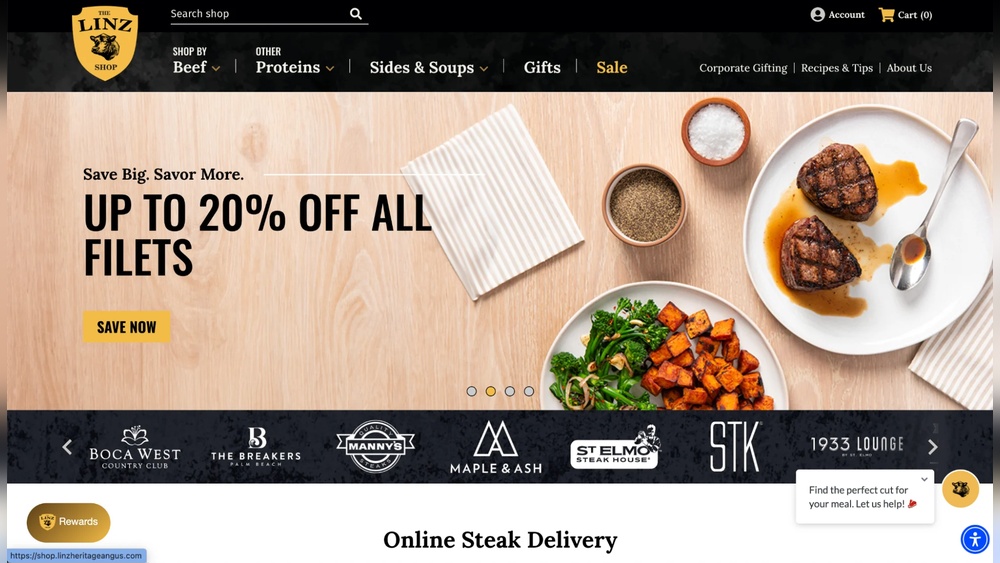
High-converting homepage designs play a key role in ecommerce success. They guide visitors to take action quickly. A strong homepage builds trust and keeps users engaged. It sets the tone for the whole shopping experience.
Good design focuses on clear messages and easy navigation. Visitors should find what they want without confusion. The homepage should invite clicks and make shopping simple.
Clear Call-to-actions
Call-to-actions (CTAs) tell visitors what to do next. Buttons like ”Buy Now” or ”Shop Today” work best. They stand out with bright colors and bold text. Clear CTAs help users decide fast. Avoid clutter around the CTA to keep focus. A strong CTA increases clicks and sales.
Compelling Visuals
Images and videos catch attention instantly. High-quality photos show products in use. They create desire and trust. Visuals should load fast and fit the page well. Use lifestyle images to connect emotionally. Avoid too many pictures that slow the site. Good visuals guide users through the page smoothly.
Personalized Content
Personalized content makes visitors feel special. Showing products based on past visits boosts interest. Use names or location to greet users. Recommendations help users find items quickly. Personalized messages increase engagement and sales. Keep content relevant and updated often.
Product Page Features That Sell
Product pages are the heart of any ecommerce site. They show the product’s value and encourage buyers to click “Add to Cart.” A strong product page helps customers make quick and confident choices. Clear, useful features increase trust and boost sales.
Detailed Descriptions
Descriptions explain what the product is and why it matters. They answer common questions clearly and simply. Use short sentences and bullet points for easy reading. Highlight benefits and key features. Avoid technical jargon that confuses buyers.
High-quality Images
Images show the product from different angles. Clear pictures help customers see details closely. Use zoom features and lifestyle photos. Good images reduce doubts and returns. They make the product more real and attractive.
Customer Reviews
Reviews build trust and show real opinions. Honest feedback helps buyers understand the product better. Display star ratings and written comments. Respond to questions or concerns quickly. Reviews can influence buyers to complete their purchase.

Credit: themehunk.com
Mobile-friendly Ecommerce Sites
Mobile-friendly ecommerce sites are crucial for a good shopping experience. Most people use phones to browse and buy online. A site that works well on small screens keeps visitors interested. It helps customers find products easily and complete purchases quickly. Mobile-friendly sites also improve search engine rankings. Below are key features of top mobile ecommerce websites.
Responsive Design
Responsive design adapts the site to fit any screen size. It changes layout, images, and text automatically. This avoids pinching or zooming on phones. Customers can see all details clearly. Responsive design makes the site look good on tablets and desktops too. It creates a smooth experience across all devices.
Fast Loading Times
Fast loading is vital for mobile users. Slow sites lose visitors quickly. Images and pages should load in seconds. Compression and caching help speed up the site. Quick loading keeps customers happy and reduces bounce rates. It also improves rankings on search engines.
Easy Navigation
Easy navigation helps users find products fast. Menus and buttons should be large and simple. A clear search bar speeds up product discovery. Avoid clutter and complex menus on mobile. Users prefer straightforward paths to checkout. Good navigation reduces frustration and increases sales.
Checkout Process Optimization
Optimizing the checkout process is key to improving sales on ecommerce websites. A smooth checkout helps customers finish their orders without frustration. It reduces cart abandonment and builds trust. Simple steps and clear design make a big difference.
Small changes in checkout can lead to higher customer satisfaction. Fast, easy, and secure checkout encourages shoppers to return. Below are essential elements found in great ecommerce websites to optimize checkout.
Simplified Forms
Long forms scare customers away. Only ask for necessary information. Use autofill to save time. Break the form into small steps. Show progress clearly. Keep fields short and easy to read. Avoid asking for details that are not needed.
Multiple Payment Options
Offer many ways to pay. Credit cards, debit cards, and digital wallets work well. Some customers prefer PayPal or Apple Pay. Let buyers choose their favorite method. This reduces friction and speeds up checkout. Payment options tailored to your audience help increase sales.
Trust Signals
Show security badges and SSL certificates. Display clear return policies and contact information. Customer reviews and ratings build confidence. Use familiar logos for payment methods. Trust signals make customers feel safe sharing payment details. This lowers hesitation during checkout.
Inspiring Ecommerce Website Examples
Successful ecommerce sites share clear design, easy navigation, and strong branding. They focus on user experience to keep visitors engaged and drive sales.
Below are inspiring ecommerce website examples. Each excels in its niche and offers ideas for your own site.
Fashion And Apparel
Fashion sites use large images to show product details. Clean layouts help users find clothes by size, color, or style. Many include customer reviews and size guides. These features build trust and reduce returns.
Some brands add videos showing how clothes fit or move. Quick load times and easy checkout improve user satisfaction.
Electronics And Gadgets
Electronics stores highlight product specs and comparisons. Clear calls to action guide buyers to the right products. Many offer live chat for quick support.
These sites use filters for brand, price, and features. They also showcase top sellers and new arrivals on the homepage.
Home And Lifestyle
Home goods sites focus on lifestyle images that inspire buyers. They use simple menus to explore categories like furniture, decor, and kitchen tools. Detailed product descriptions explain materials and care tips.
Many include customer photos and DIY ideas. Easy navigation and responsive design make shopping smooth on any device.

Credit: dribbble.com
Frequently Asked Questions
What Are The Best Examples Of Successful Ecommerce Websites?
Top ecommerce sites like Amazon, Etsy, and Shopify showcase user-friendly design, fast navigation, and secure payment options. These examples highlight smooth checkout processes and effective product displays that boost sales and customer trust.
How Do Ecommerce Website Examples Inspire New Online Stores?
They demonstrate effective layouts, clear calls to action, and mobile responsiveness. Studying these sites helps new stores improve user experience, increase conversions, and implement best SEO practices to attract more visitors.
What Features Make Ecommerce Websites Stand Out?
Key features include easy navigation, detailed product descriptions, customer reviews, and multiple payment methods. These elements enhance user trust, improve shopping convenience, and encourage repeat purchases.
Why Analyze Ecommerce Website Examples For Seo?
Analyzing top ecommerce sites reveals keyword strategies, site speed optimization, and structured data use. These tactics improve search rankings, drive organic traffic, and increase overall visibility in competitive markets.
Conclusion
Ecommerce websites come in many styles and designs. Each example shows different ways to attract customers. Simple layouts make shopping easy and fast. Clear images and descriptions help buyers decide. Good navigation keeps users on the site longer. Trust signals, like reviews, build confidence in e-handel.
Learning from these examples can guide your own site. Small changes can improve user experience a lot. Keep testing what works best for your audience. Success comes from understanding customer needs well.
Vill du skapa en e-handelslösning som konverterar? Kontakta Hive Creatives för e-handelsutveckling och UX-optimering.