You want to see real progress, right? Whether you’re running a business, managing a project, or tracking your personal goals, understanding the right metrics can make all the difference.
Metrics are the numbers that tell you how well you’re doing and where you need to improve. Without them, it’s like driving without a map—you might move forward, but you won’t know if you’re heading in the right direction. You’ll discover which metrics matter most to you and how to use them to make smarter decisions.
Keep reading, and you’ll unlock the secret to turning data into success.
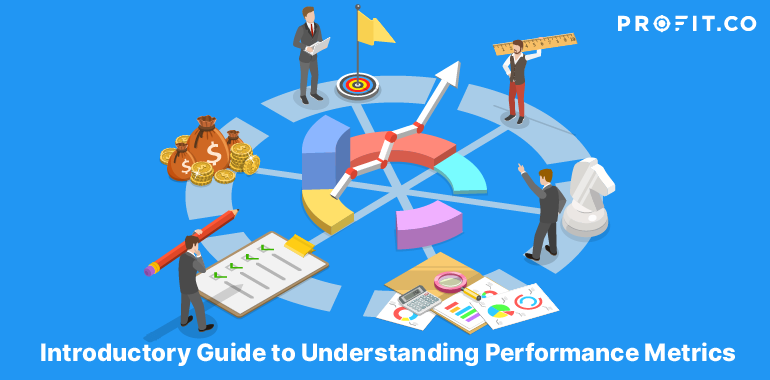
Credit: www.profit.co
Key Business Metrics
Key business metrics show how a company performs. They help track progress and find areas to improve. These metrics guide decisions and keep the business on the right path. Understanding them is important for success.
Financial Indicators
Financial indicators measure money flow in a business. Revenue shows how much money the company makes. Profit reveals what remains after costs are paid. Cash flow tracks money coming in and going out. These numbers show if the business is healthy.
Customer Metrics
Customer metrics focus on buyers and their habits. Customer satisfaction measures how happy buyers are. Retention rate shows how many customers come back. Acquisition cost tracks money spent to get new clients. These metrics help build strong customer relationships.
Operational Metrics
Operational metrics look at how well a business runs. Efficiency measures how quickly tasks are done. Quality tracks defects or errors in products or services. Inventory turnover shows how fast stock sells. These metrics improve daily work and save money.
Choosing The Right Metrics
Choosing the right metrics is crucial for business success. Metrics show how well your strategies work. The wrong metrics can lead to wasted time and effort. Focus on data that truly reflects progress and results. This helps in making smart decisions and improving performance.
Aligning Metrics With Goals
Metrics must match your business goals. Clear goals help pick useful metrics. For example, if sales growth is the goal, track revenue and new customers. If customer satisfaction matters, measure feedback scores and repeat purchases. Using aligned metrics keeps your team focused on what matters most. This creates a direct link between actions and outcomes.
Avoiding Vanity Metrics
Vanity metrics look good but don’t drive results. High website visits or social media likes sound impressive. They often hide low engagement or poor sales. Focus on metrics that show real value, like conversion rates or customer retention. These numbers help improve your business and reach your goals faster.
Data Collection Techniques
Data collection techniques help gather accurate information for better decisions. Choosing the right method improves the quality of your metrics. These techniques vary by tools and time needed.
Understanding each method lets you pick the best fit for your goals. Some methods work faster, while others give more detailed data. Let’s explore the main ways to collect data effectively.
Automated Tools
Automated tools collect data without much human effort. They track website visits, clicks, and user behavior easily. Many tools offer real-time reports and visual charts.
These tools save time and reduce errors in data collection. Examples include Google Analytics, CRM systems, and social media trackers. Automated tools work well for large data sets.
Manual Tracking Methods
Manual tracking involves collecting data by hand or simple devices. It may include surveys, interviews, or paper forms. This method suits small projects or when detail is important.
Manual tracking can capture personal insights that tools might miss. It requires more time and careful organization. Use spreadsheets or notebooks to keep the data clear and safe.
Analyzing Metrics Effectively
Analyzing metrics effectively helps businesses make smart decisions. It shows what works and what needs change. Clear analysis turns raw data into useful insights. Focus on patterns and unexpected results to improve strategies.
Identifying Trends
Spotting trends means finding patterns over time. Look for steady growth or decline in numbers. Trends reveal customer habits and market shifts. Use charts and graphs to see these patterns clearly. Understanding trends helps plan better marketing and sales.
Spotting Anomalies
Anomalies are numbers that stand out from the usual. They can show errors or new opportunities. Check data points that jump up or drop suddenly. Investigate these spikes to find their cause. Catching anomalies early prevents bigger problems later.
Using Metrics For Decision Making
Using metrics for decision making helps businesses act with confidence. Metrics provide clear facts. They reduce guesswork. This makes choices smarter and faster.
Numbers show what works and what does not. They help find problems and spot opportunities. Decisions based on data often lead to better results.
Strategic Planning
Metrics guide long-term goals and plans. They show trends and patterns over time. This helps companies set realistic targets.
Using data, leaders choose where to invest resources. They avoid risks by understanding market changes. Metrics keep strategies focused and aligned with business goals.
Performance Improvement
Metrics reveal areas that need attention. They track progress and measure success. This helps teams improve their work.
Regular review of data highlights strengths and weaknesses. Leaders can adjust actions quickly. Continuous improvement becomes easier with clear metrics.
Common Pitfalls To Avoid
Tracking metrics is important for growth and success. But many make mistakes that hurt their results. Avoiding common pitfalls helps you use data better.
Bad choices lead to confusion and wrong decisions. Focus on what matters and interpret numbers carefully. This section highlights common errors to skip.
Overloading With Data
Collecting too much data can be overwhelming. Too many numbers make it hard to find key insights. Focus on a few important metrics that matter most.
Extra data wastes time and clouds judgment. Clear, simple reports work best for understanding progress.
Ignoring Context
Numbers alone don’t tell the full story. Context explains why metrics change or behave differently. Look at market trends, seasonality, and external factors.
Without context, data can mislead decisions. Use background information to interpret metrics correctly.
Case Studies Of Success
Case studies show how metrics help businesses grow. They reveal real results from using data. Success stories prove metrics work in different settings. Both small and large companies benefit from tracking key numbers.
Small Business Wins
A local bakery used sales metrics to find its best sellers. They focused on those products and increased profits by 20%. Customer feedback scores helped improve service fast. This simple data use brought more regular customers. Small changes, big results.
A fitness studio tracked class attendance and client progress. They adjusted schedules based on popular times. This raised attendance by 30%. Tracking helped keep clients motivated and loyal. The studio grew steadily with clear goals.
Enterprise-level Impact
A global tech firm analyzed website traffic and user behavior. They found where visitors dropped off and fixed those pages. Conversion rates rose by 15% within months. Using detailed metrics guided smarter marketing choices.
A large retailer studied inventory and sales data daily. They reduced stock shortages and cut excess inventory by 25%. Metrics helped balance supply and demand better. The company saved money and improved customer satisfaction.
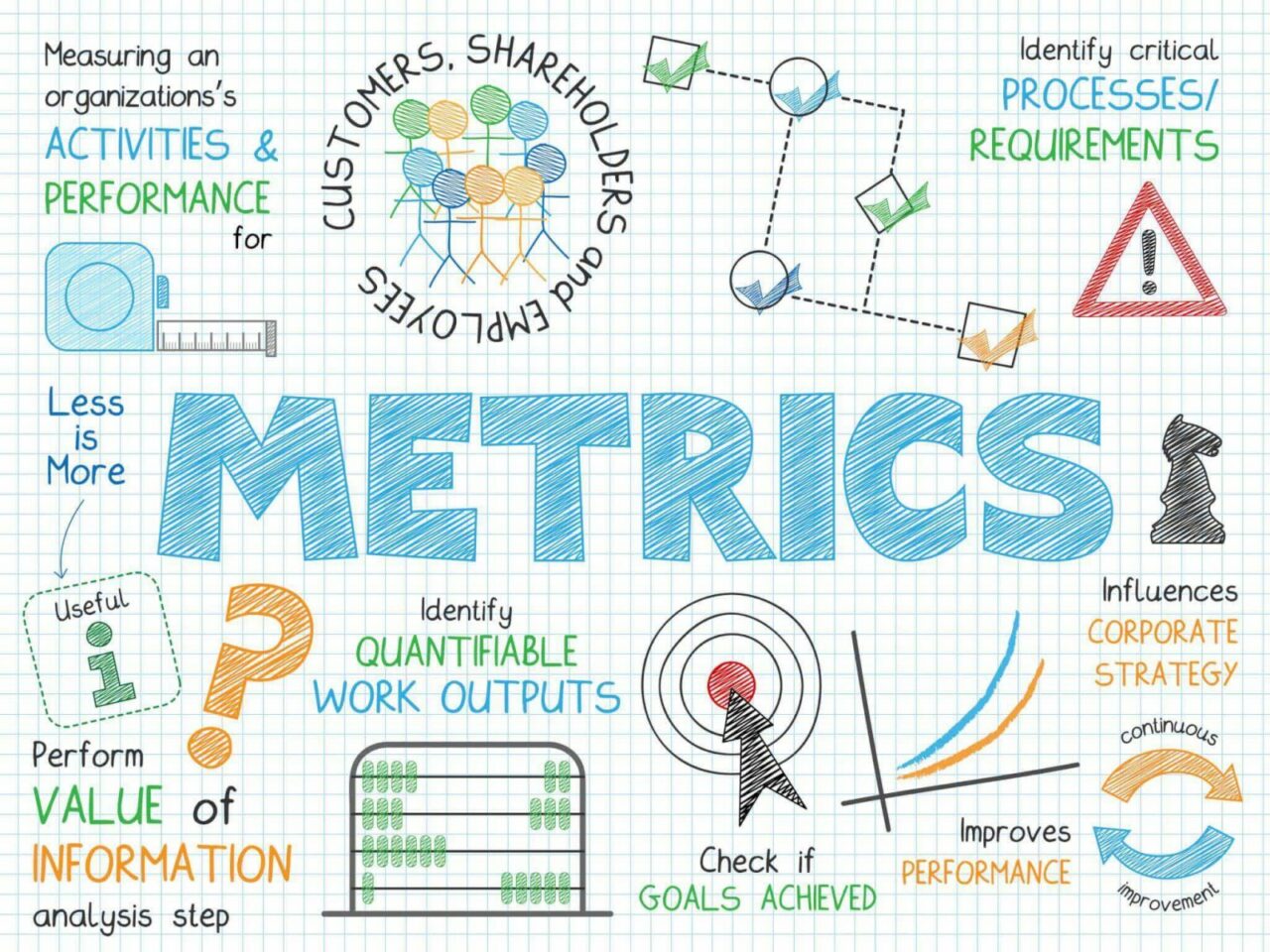
Credit: www.ntaskmanager.com
Tools To Boost Metrics Mastery
Tracking and understanding metrics helps improve business decisions. Using the right tools makes this easier and faster. These tools collect data and show it clearly. They help spot trends and measure progress effectively. Let’s explore key tools to boost your metrics skills.
Dashboard Solutions
Dashboards display important data in one place. They offer clear visuals like charts and graphs. Easy to read and update automatically. Users see real-time numbers and changes fast. Custom dashboards fit different business needs. They help focus on metrics that matter most. Simple drag-and-drop features make them user-friendly. Great for teams to share insights quickly.
Analytics Software
Analytics software digs deeper into data. It finds patterns and explains trends clearly. Many tools offer reports and predictions. They track website visits, sales, and customer behavior. Easy to set up and use without tech skills. Some software integrates with other apps smoothly. Useful for understanding what drives growth. Helps businesses make smarter, data-backed choices.

Credit: www.aihr.com
Frequently Asked Questions
What Are Metrics In Business Analytics?
Metrics are quantifiable measures used to track and assess business performance. They help analyze progress toward goals and inform decision-making.
Why Are Metrics Important For Company Growth?
Metrics provide insights into operations, customer behavior, and market trends. They help identify strengths, weaknesses, and growth opportunities.
How Do You Choose The Right Metrics To Track?
Select metrics aligned with your business goals. Focus on those that accurately reflect performance and impact decision-making.
What Is The Difference Between Metrics And Kpis?
Metrics measure general performance aspects. KPIs are specific, strategic metrics tied directly to key business objectives.
Conclusion
Metrics help track progress and show what works best. They guide decisions and improve results step by step. Using clear numbers makes goals easier to reach. Everyone can understand and use metrics daily. Keep checking your data to stay on track.
Small changes based on metrics bring big improvements. Remember, good metrics lead to smarter choices. Simple, clear metrics make your digital strategy stronger. They turn effort into real success.
Behöver du hjälp att omvandla data till affärsresultat? Kontakta Hive Creatives för datadrivet strategiarbete.