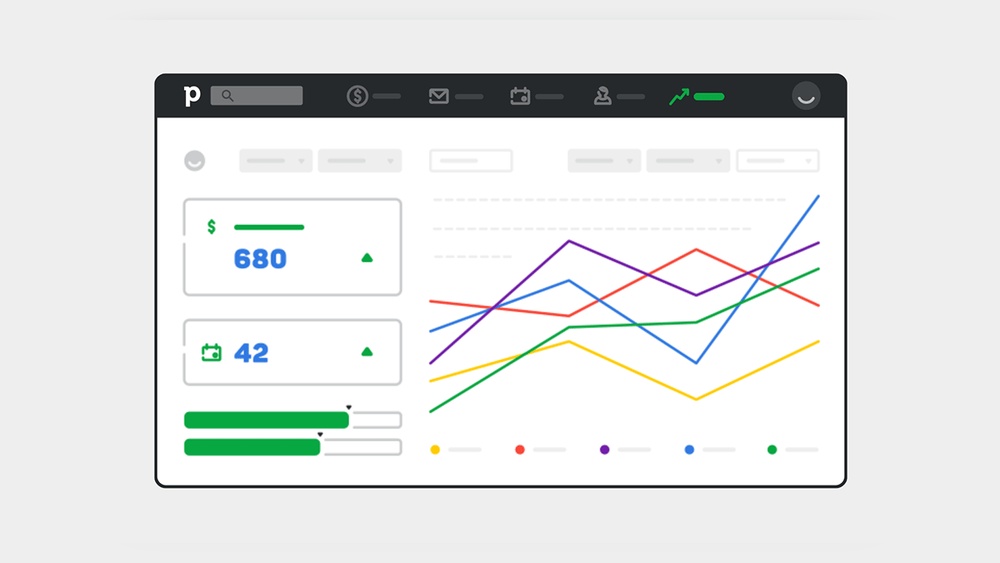
Are you tracking the right numbers to grow your business or improve your skills? Understanding metrics can change the way you make decisions every day.
Metrics give you clear, simple insights into what’s working and what’s not. When you know which numbers matter, you can focus your energy where it counts and avoid wasting time on guesswork. Keep reading to discover how metrics can help you unlock real progress and reach your goals faster.
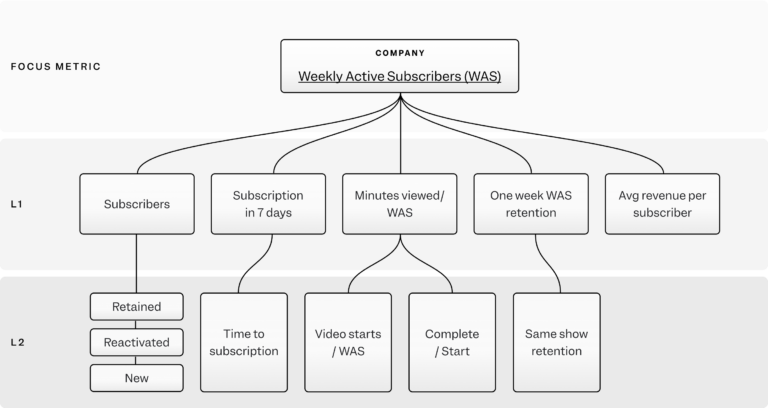
Credit: mixpanel.com
Importance Of Metrics
Metrics play a vital role in any business. They provide clear data to understand progress and results. Without metrics, decisions become guesswork. Metrics help track success and identify areas needing improvement. They create a foundation for smart business strategies.
Driving Business Growth
Metrics show which parts of the business work well. They point out what needs change or more focus. Business owners use metrics to invest time and money wisely. Growth happens when decisions are based on real data. Metrics help spot trends and customer needs early. This knowledge leads to better products and services.
Aligning Goals And Performance
Metrics connect company goals with daily tasks. Teams understand what success looks like through numbers. Everyone works toward the same targets. Performance improves when progress is clear and measurable. Metrics help managers give useful feedback. They keep teams motivated and focused on results.
Types Of Key Metrics
Key metrics help measure success in different areas of a business. They show what works and what needs change. Tracking the right types of metrics guides smart decisions and better results.
Financial Metrics
Financial metrics track money and profits. They include revenue, expenses, and profit margin. These numbers show if a business is growing or losing money. Cash flow and return on investment (ROI) are also important. They help manage budgets and plan for the future.
Customer Metrics
Customer metrics focus on buyer behavior and satisfaction. Common examples are customer retention rate and Net Promoter Score (NPS). These metrics reveal how happy customers are. They also measure how often customers return or recommend a brand.
Operational Metrics
Operational metrics measure daily business activities. They track efficiency and productivity. Examples include order fulfillment time and production costs. These numbers help improve processes and reduce waste. Smooth operations lead to better service and profit.
Employee Metrics
Employee metrics show workforce performance and engagement. They include employee turnover rate and job satisfaction scores. These metrics highlight staff morale and stability. Happy employees often lead to better work and less absenteeism.
Selecting Relevant Metrics
Selecting relevant metrics is key to measuring success accurately. Tracking the right data helps businesses understand performance clearly. Choosing metrics that fit your needs saves time and effort.
Not all metrics suit every business. The right metrics depend on your industry, company size, and goals. Focus on numbers that show real progress and guide decisions.
Industry-specific Metrics
Each industry has unique ways to measure success. For example, a retail store tracks sales per square foot. A software company watches user engagement and retention rates. Choose metrics that reflect your market and customer behavior. This helps spot trends and improve strategies effectively.
Company Stage And Size
Startups and large firms need different metrics. Early-stage companies focus on growth and customer acquisition. Established businesses track profitability and efficiency. Small companies may use simple metrics like revenue or customer count. Bigger firms need complex data like market share and cost per lead. Match metrics to your company’s size and growth phase.
Setting Measurable Targets
Good metrics need clear targets. Set goals that are specific and easy to measure. For example, increase website traffic by 20% in three months. Avoid vague aims like “improve sales.” Targets give direction and help track progress. They keep teams motivated and focused on results.
.png)
Credit: www.fortinet.com
Data Collection Methods
Collecting accurate data is key to measuring success. Choosing the right method helps gather useful information. Different methods suit different needs and goals.
Some methods use technology to save time. Others involve direct input from people. Some require hands-on effort to track data carefully.
Automated Tools
Automated tools collect data fast and without errors. They track website visits, sales, and user actions. Tools like Google Analytics give detailed reports instantly. Automation saves time and helps spot trends quickly.
Surveys And Feedback
Surveys ask people questions to collect opinions and thoughts. Feedback forms show what users like or dislike. This method gives direct insight from real customers. It helps understand feelings and improve services.
Manual Tracking
Manual tracking means collecting data by hand. It works well for small projects or simple tasks. This method needs focus and accuracy. Writing down results helps keep data organized and clear.
Interpreting Metrics Effectively
Interpreting metrics effectively helps you understand your data clearly. It shows what works and what needs change. Knowing how to read metrics leads to better choices. You save time and effort by focusing on key information.
Identifying Trends
Look at data over time. Notice patterns that repeat or change. Trends reveal growth or decline in performance. They help predict future results. Focus on steady changes, not small daily shifts.
Benchmarking Against Competitors
Compare your metrics with similar businesses. This shows your market position. Benchmarking highlights strengths and weaknesses. It guides you to improve areas where you lag. Use public data or industry reports for comparison.
Avoiding Common Pitfalls
Do not trust single data points. Avoid jumping to conclusions too fast. Check data accuracy before acting. Ignore vanity metrics that do not affect goals. Focus on metrics that drive real results.
Leveraging Metrics For Growth
Metrics are powerful tools for business growth. They provide clear data to track progress and spot issues early. Using metrics helps businesses act smartly and improve continuously.
Understanding and applying the right metrics can change the way decisions are made. It also boosts marketing efforts and improves how customers feel about a brand.
Improving Decision Making
Metrics show what works and what does not. They remove guesswork from choices. Business leaders can see trends and patterns clearly. This clarity leads to faster and better decisions. Teams focus on actions that bring real results. It saves time and resources.
Optimizing Marketing Strategies
Marketing metrics measure campaign success. They reveal which messages connect with audiences. Marketers adjust ads and offers based on data. This helps reach more people with less budget. Tracking clicks, shares, and sales guides smarter campaigns. Marketing becomes more effective and efficient.
Enhancing Customer Experience
Customer metrics track satisfaction and loyalty. They show how customers use products or services. Businesses find pain points and fix them quickly. Happy customers return and tell others. Data-driven changes improve service and support. This builds trust and long-term relationships.
Case Studies
Case studies show how metrics help businesses grow and improve. They reveal real results from different companies. These stories explain how teams use data to make smart choices. Learning from others can guide your own efforts. Let’s explore examples from startups and big companies.
Startups Scaling Rapidly
Startups use metrics to track user growth and product success. One startup increased users by 200% in six months. They focused on key numbers like daily active users and retention rates. These metrics showed what features users liked most. The startup improved those features and dropped less popular ones.
Another startup used metrics to control costs. They monitored customer acquisition cost and lifetime value. This balance helped them spend wisely and grow steadily. Metrics gave them clear goals and helped avoid waste.
Established Companies Revamping Strategies
Big companies use metrics to update old strategies. One firm saw declining sales and used data to find causes. They tracked customer feedback scores and website traffic closely. This data pointed to weak spots in marketing and service.
After changes, the company saw a 15% rise in sales. Metrics guided their decisions step by step. Another company improved product quality by measuring defect rates. These numbers helped reduce errors and increase customer trust.

Credit: www.planet-lean.com
Frequently Asked Questions
What Are Metrics In Data Analysis?
Metrics are quantitative measures used to assess performance or progress. They help track success and identify areas for improvement in data analysis.
Why Are Metrics Important For Business Growth?
Metrics provide insights into business performance. They help make informed decisions, optimize strategies, and drive sustainable growth effectively.
How Do You Choose The Right Metrics?
Select metrics aligned with your goals. Focus on actionable, relevant, and measurable indicators that reflect true performance and outcomes.
What Is The Difference Between Metrics And Kpis?
Metrics track general performance data. KPIs are specific metrics tied directly to strategic objectives and success factors.
Conclusion
Metrics help track progress and measure success clearly. They show what works and what needs change. Using the right metrics guides smart decisions every day. Focus on simple, useful numbers that match your goals. Consistent tracking builds a strong path toward improvement.
Remember, clear data leads to better results over time. Keep metrics easy to read and understand. This way, everyone stays informed and motivated. Metrics are tools, not just numbers on a page. Use them wisely to grow and improve steadily.