Have you ever wondered why some products catch your eye instantly while others barely get a glance? The secret often lies in the 4 Ps of Marketing.
These four simple elements can change the way you create, promote, and sell your product or service. Understanding them gives you the power to connect with your customers deeply and boost your success. Keep reading, and you’ll discover how to use the 4 Ps to make your marketing smarter and more effective.
Credit: www.vcmo.uk
Core Elements Of The 4 Ps
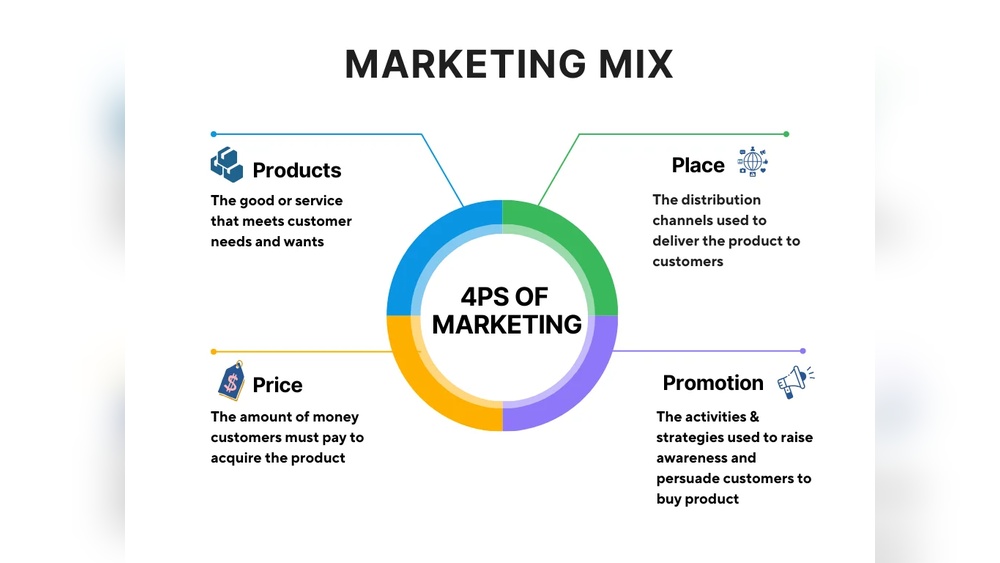
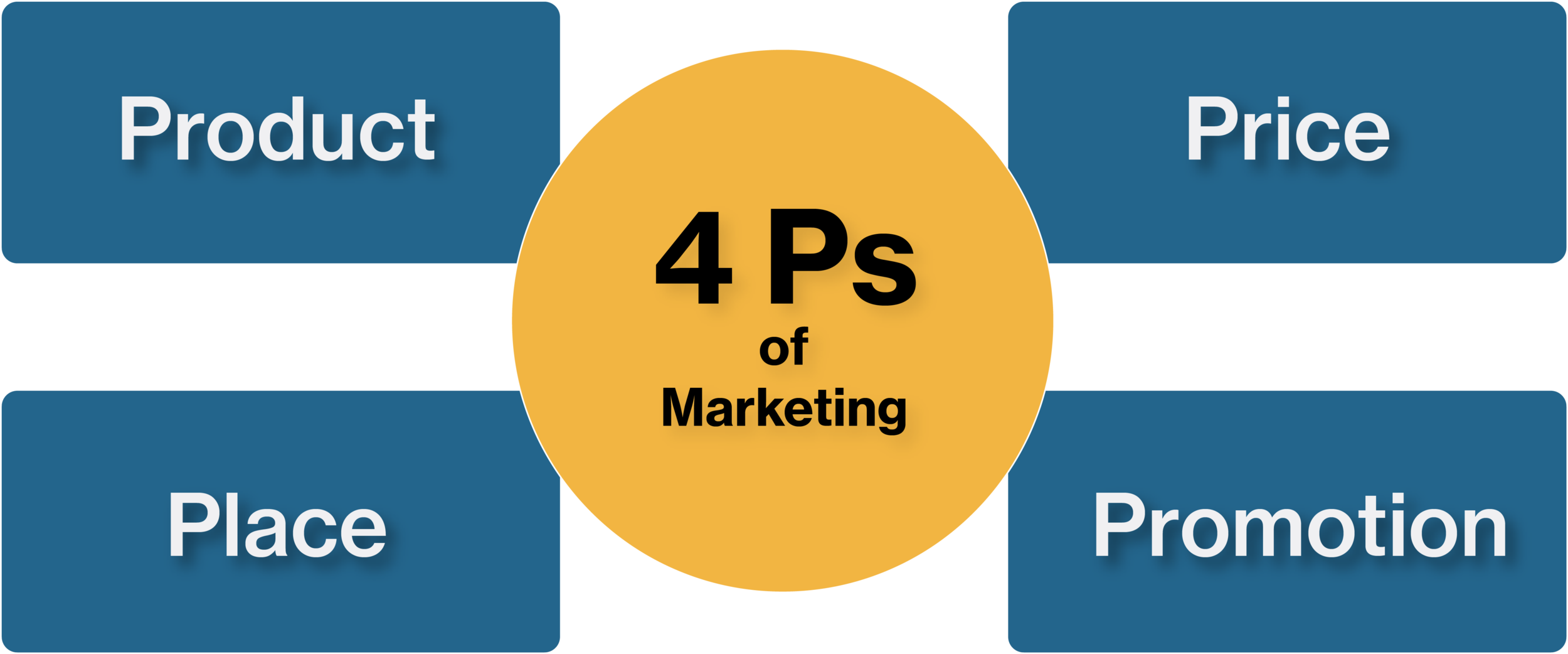
The 4 Ps of marketing form the foundation of every marketing plan. They cover the main areas a business must focus on. Each element helps to meet customer needs and improve sales. Understanding these core elements guides better decisions and strategies.
These elements work together. They shape how a product reaches the market and how customers see it. Breaking down each part helps to see their role clearly.
Product Essentials
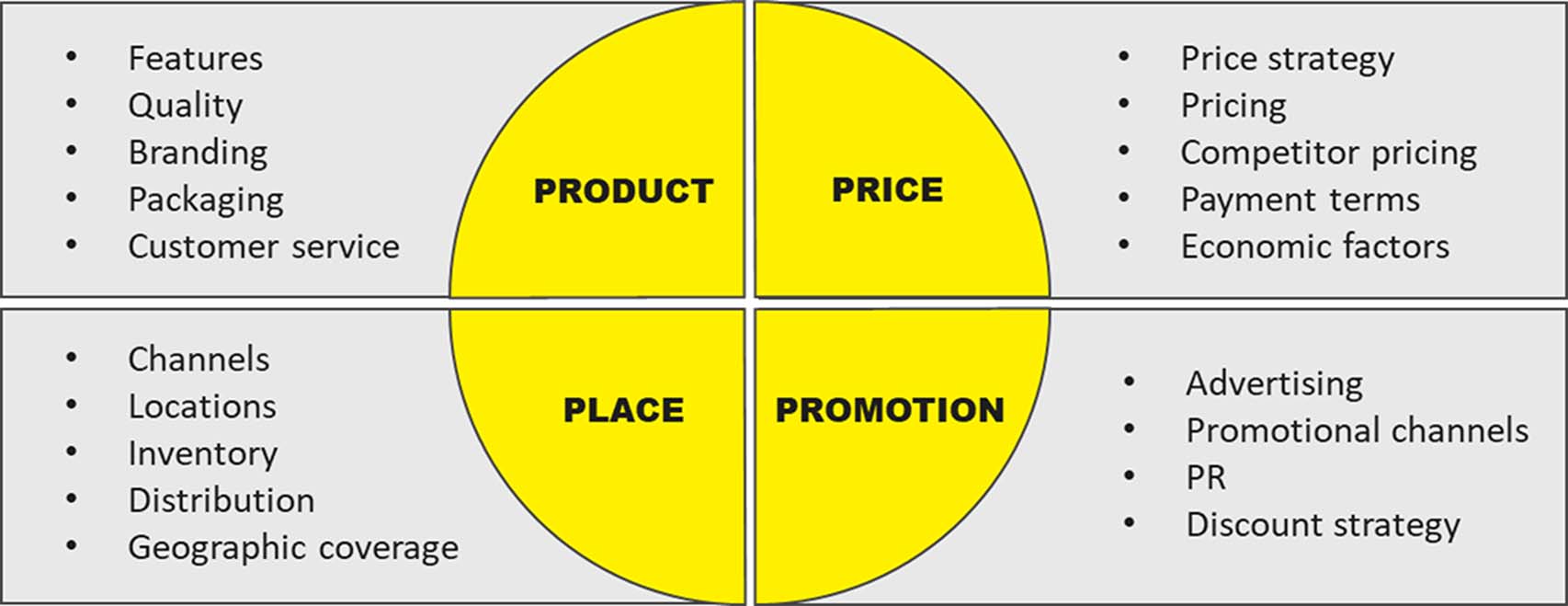
The product is what a business offers to customers. It can be a physical item or a service. The product must solve a problem or fulfill a need. Quality, features, and design matter a lot. Knowing the target audience helps create the right product.
Pricing Strategies
Pricing decides how much customers pay for the product. It must reflect the value and market demand. Setting the right price attracts buyers and covers costs. Discounts, offers, and payment plans can affect pricing. Pricing also impacts the product’s perceived quality.
Place And Distribution
Place means where customers can buy the product. It includes stores, online shops, or direct sales. Distribution is how the product moves from maker to buyer. Efficient distribution ensures products are available at the right time. Good placement increases convenience for customers.
Promotional Tactics
Promotion spreads the word about the product. It includes ads, social media, events, and sales. The goal is to catch attention and create interest. Clear messaging helps customers understand the product’s benefits. Choosing the right channels reaches the right audience.
Credit: www.invespcro.com
Crafting A Winning Product
Crafting a winning product is the heart of marketing success. A great product meets real needs and offers clear value. It attracts customers and keeps them coming back. Every step, from idea to launch, shapes the product’s chance to succeed.
Identifying Customer Needs
Start by understanding what customers want. Listen to their problems and wishes carefully. Use surveys, interviews, and feedback to gather insights. Find gaps in the market that your product can fill. Clear knowledge of customer needs guides product creation.
Design And Features
Design a product that solves problems simply and well. Choose features that add real value without confusion. Focus on quality and ease of use. A good design makes the product attractive and useful. Balance looks with function for best results.
Product Lifecycle Management
Track your product from launch to decline. Manage updates, improvements, and support continuously. Adapt to market changes and customer feedback. Plan for growth and eventual replacement wisely. Good lifecycle management keeps products relevant longer.
Effective Pricing Approaches
Setting the right price is key for any product or service. It affects sales, profits, and customer trust. Effective pricing approaches help businesses find the best price that meets market demand and business goals.
Choosing the right pricing strategy can attract customers and keep them coming back. Pricing also shapes how customers see a brand’s value. The following pricing methods offer practical ways to set prices smartly.
Competitive Pricing
Competitive pricing means setting prices based on rivals. It helps a business stay close to what others charge. This approach works well in markets with many similar products. Prices can be slightly lower to attract buyers. Or prices can match competitors to stay fair. It keeps the business relevant in a crowded market.
Value-based Pricing
Value-based pricing sets prices by how much customers value the product. It focuses on benefits rather than costs. If a product solves a big problem, it can have a higher price. This method builds trust by matching price with customer needs. It shows customers what the product is truly worth.
Discounts And Offers
Discounts and offers attract quick sales and new buyers. Temporary price drops can encourage people to try products. Special deals make customers feel they get extra value. This approach can clear stock or boost slow sales. It also helps create urgency for buying now.
Credit: www.utleystrategies.com
Optimizing Place And Distribution
Optimizing place and distribution is key to getting products to customers efficiently. It affects how easily buyers find and buy your product. Choosing the right channels and managing delivery well can boost sales and customer satisfaction.
Channel Selection
Choosing the right sales channels helps reach the target market. Direct selling, retailers, wholesalers, or online platforms each serve different needs. Select channels that match your product type and customer habits. Clear channel choices reduce costs and improve product availability.
Logistics And Supply Chain
Efficient logistics ensures products move smoothly from makers to buyers. It includes storage, transportation, and handling. A strong supply chain lowers delays and keeps products in stock. Good logistics also reduces costs and improves delivery speed.
Online Vs Offline Presence
Online stores offer convenience and wide reach. Offline stores provide personal touch and instant product access. Balancing both helps cover more customers. Many buyers check products online before buying in stores. Use both to meet customer needs and increase sales.
Powerful Promotion Techniques
Promotion plays a key role in marketing. It helps businesses tell people about their products and services. Strong promotion techniques can attract more customers and build trust. These techniques use different ways to reach the audience and make a lasting impression.
Advertising Channels
Advertising uses many channels to send messages. TV, radio, and newspapers reach large groups. Online ads appear on websites and social media platforms. Each channel has its strengths and suits different goals. Choosing the right channel helps reach the target market effectively.
Sales Promotion
Sales promotions encourage quick buying decisions. Discounts, coupons, and special offers create urgency. Free samples and contests can also attract attention. These tactics boost short-term sales and bring new customers. Good promotions provide value and clear reasons to buy now.
Public Relations And Social Media
Public relations shape how people see a brand. Press releases and events share positive stories. Social media allows direct talks with customers. Posts and replies build connections and trust. Both methods create a strong brand image and keep customers engaged.
Integrating The 4 Ps For Success
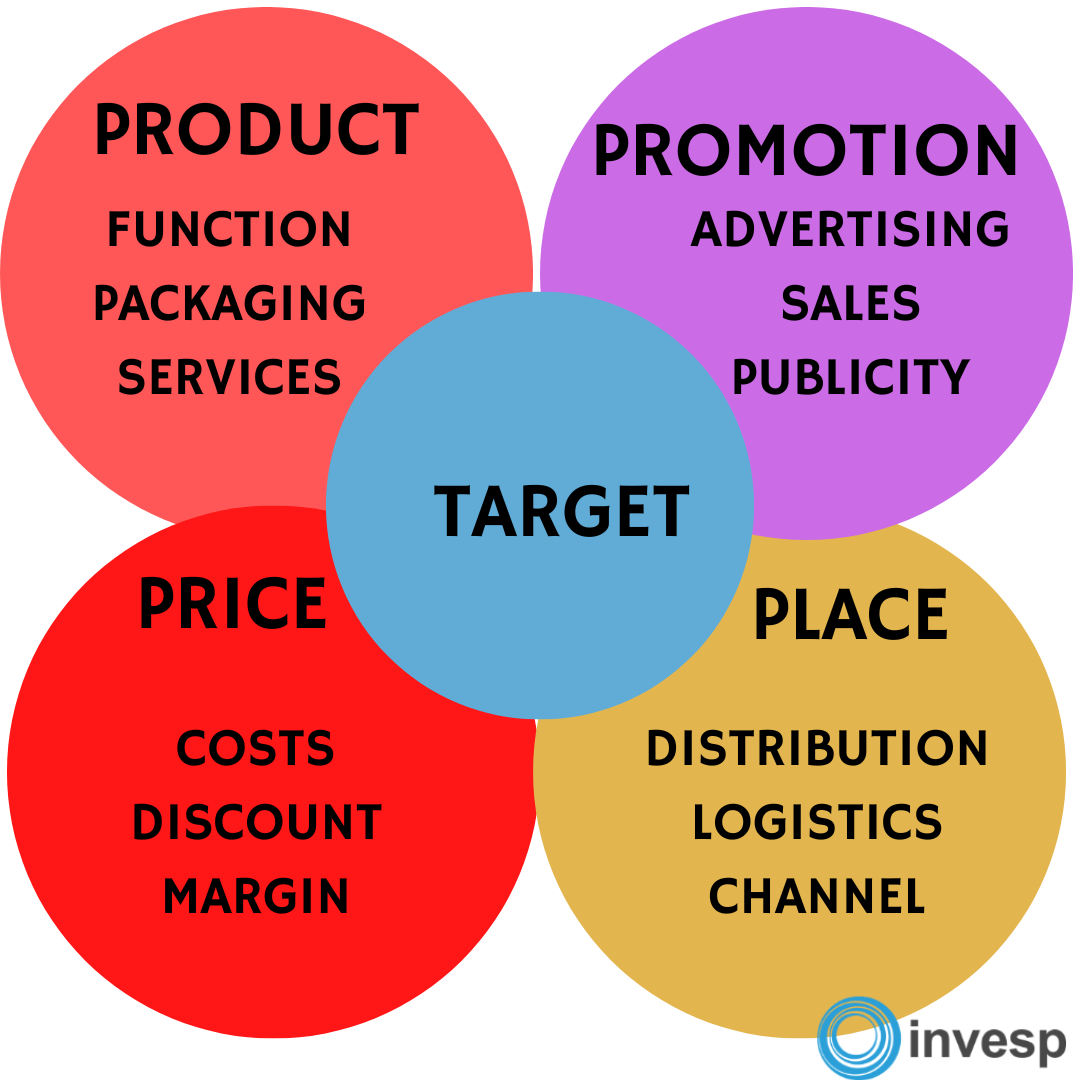
Integrating the 4 Ps of marketing is key to business success. Product, Price, Place, and Promotion must work as one. This integration helps create a smooth, clear strategy. It ensures every part supports the others. This way, companies connect better with customers and reach goals faster.
Aligning Strategies
Aligning strategies means making all 4 Ps fit together well. The product should meet customer needs. The price should match what customers expect to pay. Place means choosing the right spots to sell. Promotion must tell the right message clearly. When all parts align, the brand feels strong and reliable.
Customer-centric Approach
Put the customer at the center of all plans. Understand what they want and need. Use this knowledge to shape the product and price. Pick places where customers like to shop. Craft promotion that speaks their language. This approach builds trust and loyalty. Customers feel valued and keep coming back.
Measuring Effectiveness
Check how well the 4 Ps work together. Use sales data, customer feedback, and market trends. Look for what drives success and what holds back. Adjust product features, pricing, or promotion based on results. Measure often to stay on track. This keeps the marketing strategy fresh and strong.
Adapting 4 Ps In Digital Marketing
The 4 Ps of marketing—Product, Price, Place, and Promotion—need changes in digital marketing. Digital platforms change how businesses reach and serve customers. Traditional methods do not always fit the online world. Adapting the 4 Ps helps brands stay relevant and meet customer needs effectively.
Digital marketing demands new strategies. Products must fit online shopping habits. Prices can change fast. Distribution uses the internet, not just stores. Promotions use digital tools to reach audiences instantly. Each P plays a key role in success online.
E-commerce Product Strategies
Products must suit online buyers. Clear descriptions and images help customers decide. Offering digital versions or subscriptions can attract more buyers. Customization options improve user experience. Reviews and ratings build trust and guide choices. Online products need to stand out quickly.
Dynamic Pricing Models
Prices can change based on demand or competition. Automated tools adjust prices in real time. Flash sales and discounts attract quick buyers. Personalized pricing offers better deals to loyal customers. Dynamic pricing helps balance profit and customer satisfaction in digital markets.
Digital Distribution Channels
Products reach customers through websites, apps, and marketplaces. Fast shipping and easy returns matter a lot. Digital downloads or streaming offer instant access. Social media can also serve as a selling platform. Choosing the right channel improves reach and convenience.
Online Promotion Tools
Social media ads target specific groups easily. Email marketing keeps customers informed and engaged. Search engine marketing boosts visibility on Google. Content marketing builds brand awareness and trust. Promotions online allow quick feedback and interaction with buyers.
Frequently Asked Questions
What Are The 4 Ps Of Marketing?
The 4 Ps of marketing are Product, Price, Place, and Promotion. They represent key elements to market a product effectively. Each P focuses on different aspects like product design, pricing strategy, distribution channels, and promotional activities to attract customers and boost sales.
Why Are The 4 Ps Important In Marketing?
The 4 Ps help businesses create a balanced marketing strategy. They ensure the product meets customer needs, is priced right, reaches the target audience, and is promoted effectively. This framework improves customer satisfaction and increases the chances of business success.
How Do The 4 Ps Affect Customer Decisions?
The 4 Ps influence how customers perceive value. Product quality and features attract buyers. Price impacts affordability and perceived worth. Place ensures product availability. Promotion raises awareness and persuasion. Together, they guide customers to choose one brand over another.
Can The 4 Ps Adapt To Digital Marketing?
Yes, the 4 Ps adapt well to digital marketing. Product can include digital services. Price strategies can be dynamic online. Place involves digital platforms and e-commerce. Promotion uses social media, SEO, and online ads. This flexibility enhances online customer engagement.
Conclusion
The 4 Ps of marketing guide every business decision. Product, price, place, and promotion must work together. Each element impacts customer choices and sales. Understanding these basics helps create strong marketing plans. Keep these simple ideas in mind for success.
Small changes can lead to better results. Always watch how customers respond and adjust. Marketing is about connecting with people clearly. Use the 4 Ps to build lasting relationships. Simple, clear, and focused efforts bring steady growth.