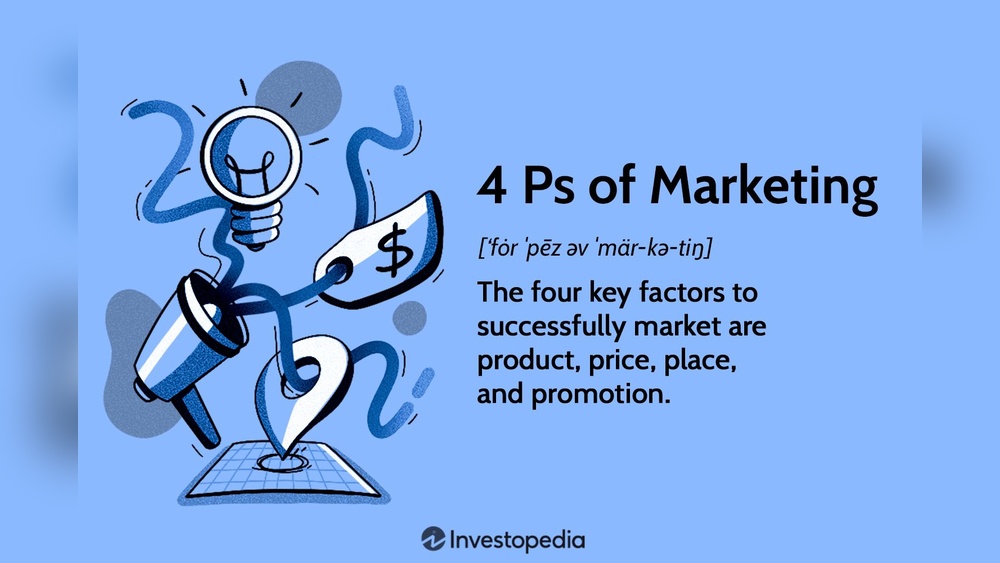
Are you looking to make your business stand out and attract more customers? Understanding the 4 Ps of Marketing can change the way you connect with your audience and boost your sales.
These four simple elements—Product, Price, Place, and Promotion—are the building blocks of any successful marketing strategy. When you master them, you gain the power to create offers that people want and know exactly how to deliver them. Keep reading, and you’ll discover how to use the 4 Ps to grow your business and make your marketing efforts work smarter, not harder.
The Four Ps Explained
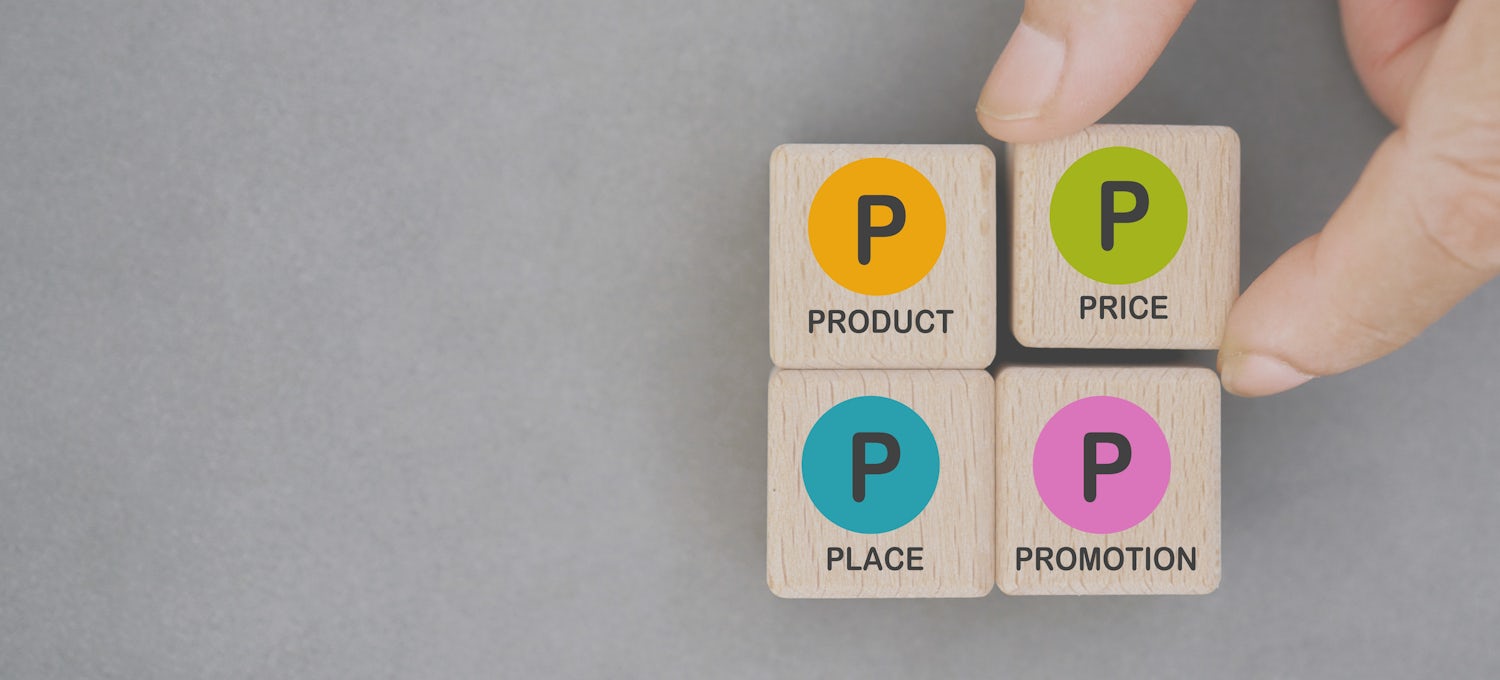
The Four Ps form the foundation of marketing. They help businesses connect products with customers. Each P focuses on a key area of marketing strategy. Understanding them guides smart decisions. Let’s explore each one clearly.
Product: Crafting Value
The product is what a business sells. It can be a physical item or a service. Creating value means meeting customer needs. Think about quality, features, and design. Good products solve problems or make life easier. Always consider what customers want and expect.
Price: Setting The Right Cost
Price is how much customers pay for the product. It affects sales and profits directly. Setting the right price means balancing cost and value. Too high may scare buyers away. Too low can reduce profit or signal low quality. Understand your market and competitors well.
Place: Choosing Distribution Channels
Place means where customers find and buy the product. It could be a store, website, or app. Choosing the right place makes buying easy and fast. Consider where your customers spend time. Efficient distribution helps reach more people and saves cost.
Promotion: Driving Awareness
Promotion spreads the word about your product. It includes ads, social media, and sales offers. Good promotion catches attention and builds interest. Use clear messages and attractive offers. The goal is to inform and persuade customers to buy.
Credit: www.coursera.org
Product Strategies That Win
Product strategies play a key role in marketing success. They help businesses create products that customers want. Strong product strategies ensure the product stands out in the market. They focus on design, quality, branding, and managing the product over time. These elements build trust and attract buyers.
Design And Features
Design impacts how customers see a product. A clear, simple design attracts more buyers. Features should match customer needs and solve their problems. Adding useful features keeps customers interested. Avoid making the product too complex or hard to use. Good design and features create value and build loyalty.
Quality And Branding
Quality is the promise a product keeps. High-quality products build trust and repeat sales. Branding gives the product a strong identity. It helps customers recognize and prefer it. Consistent branding increases product value in the market. Both quality and branding create a positive reputation.
Product Lifecycle Management
Every product goes through stages: launch, growth, maturity, and decline. Managing these stages well keeps the product profitable. Update the product to meet changing customer needs. Know when to improve or replace the product. Smart lifecycle management saves money and supports long-term success.
Pricing Tactics To Maximize Profit
Pricing is a key part of marketing that affects profits directly. Smart pricing helps businesses attract customers and increase earnings. Using different pricing tactics can make a big difference in sales and profits.
Each product or service needs the right pricing strategy. The goal is to find a price customers accept and that covers costs well. Here are some common pricing tactics to help maximize profit.
Competitive Pricing
Competitive pricing means setting your price based on rivals. Check what others charge for similar products. Price your product close to or a bit lower than competitors.
This tactic helps attract customers who compare prices before buying. It keeps your product attractive in a crowded market. Watch competitor prices regularly to stay updated.
Psychological Pricing
Psychological pricing uses numbers that feel better to buyers. Prices ending in .99 or .95 seem cheaper than a round number. For example, $9.99 feels less than $10.
This small difference can increase sales. People see the price as a better deal. Use this tactic to make prices more appealing without losing profit.
Discounts And Offers
Discounts and special offers attract customers and boost sales fast. Short-term price cuts or buy-one-get-one deals create urgency. They encourage people to buy now rather than later.
Use discounts wisely to avoid hurting profits. Offer them during slow sales periods or to clear old stock. This tactic can increase customer interest and help reach sales goals.
Optimizing Place For Reach
Optimizing place is key to reaching the right customers. It means choosing where and how to sell products. The right place makes buying easy and fast. This can increase sales and customer satisfaction.
Physical Vs Online Channels
Physical stores let customers see and touch products. They build trust and create a personal experience. Online channels offer convenience. Customers shop anytime from anywhere. Many businesses use both to reach more people. Each channel has unique benefits and challenges.
Supply Chain Efficiency
A smooth supply chain delivers products quickly and safely. It reduces delays and costs. Good supply chains keep stores stocked and customers happy. Technology helps track products and manage inventory. Efficient logistics improve overall business performance.
Global Market Access
Expanding to global markets opens new customer groups. It needs careful planning for different cultures and laws. Online platforms make global selling easier. Shipping and payment methods must suit each country. Global access helps grow the brand and sales.
Promotion Techniques That Engage
Promotion is one of the key elements in marketing. It helps businesses tell people about their products or services. The right promotion grabs attention and encourages customers to act. Using different techniques keeps the message fresh and interesting. This section explains some effective promotion techniques that engage customers.
Advertising Campaigns
Advertising campaigns use clear messages to reach many people. They run on TV, radio, or online. A strong campaign uses simple words and images. It repeats the message to make it stick in the mind. Good ads show how a product solves a problem or makes life better. They build trust and interest quickly.
Social Media Marketing
Social media marketing connects brands with people on platforms like Facebook or Instagram. It allows direct talk with customers through comments and messages. Posts can include images, videos, or short texts. Regular updates keep followers engaged. Social media helps brands show their personality and respond fast to questions.
Sales Promotions And Events
Sales promotions give customers a special reason to buy now. Examples include discounts, coupons, or free samples. Events like product launches or fairs create excitement and personal contact. These techniques make people feel valued and part of something fun. They encourage quick decisions and increase sales.
Credit: martech.zone
Integrating The Four Ps
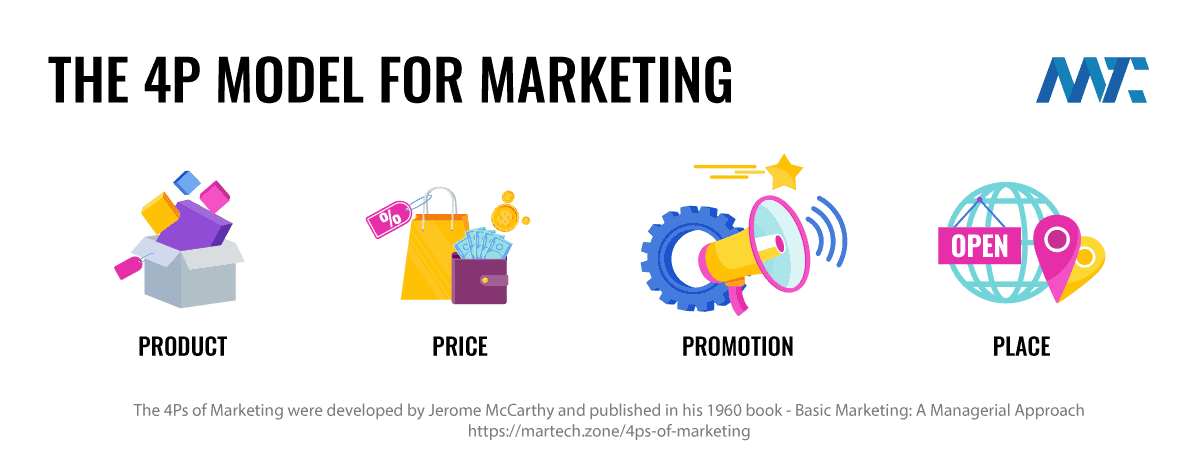
Integrating the Four Ps of marketing means using Product, Price, Place, and Promotion together. It helps create a clear and strong marketing plan. Each P supports the others. This makes the business more effective in reaching customers.
Integration keeps the marketing message consistent. It also improves customer experience. A well-integrated plan leads to better sales and loyalty.
Aligning Strategies
Aligning strategies means making sure all Four Ps work toward the same goal. The product must meet customer needs. Price should match the product’s value. Place means the product is available where customers shop. Promotion tells the right message to the right people. When these fit together, marketing becomes stronger.
Measuring Effectiveness
Measure the success of the Four Ps regularly. Check sales numbers and customer feedback. See if the price attracts buyers. Look at how well promotions increase interest. Evaluate if the product reaches the right market. Tracking results shows what works and what needs change.
Adapting To Market Changes
Markets change fast. New trends and competitors appear often. Adapt the Four Ps to stay relevant. Change the product or update features. Adjust prices to stay competitive. Find new places to sell. Modify promotions to match customer interests. Flexibility keeps the business strong.
Case Studies Of Successful 4 Ps Implementation
Understanding how companies apply the 4 Ps of marketing can clarify their success. The 4 Ps—Product, Price, Place, and Promotion—form the core of marketing strategy. Examining real-world examples shows how these elements work together. Each industry uses the 4 Ps differently to meet customer needs and boost sales.
Tech Industry Examples
Apple uses the 4 Ps effectively. Their product design is sleek and user-friendly. Pricing stays high to signal quality and exclusivity. Apple sells through its stores and online platforms, controlling the buying experience. Promotion focuses on innovation and lifestyle benefits, using ads and events to attract customers.
Samsung offers variety in products, from budget to premium phones. Pricing is flexible to reach many buyers. They distribute through carriers, retail stores, and online shops. Samsung promotes through sponsorships and social media campaigns, highlighting features and value.
Consumer Goods Success Stories
Procter & Gamble creates trusted household products. Their pricing balances quality and affordability. P&G places products in supermarkets and convenience stores worldwide. Promotion uses TV ads and discounts to build brand loyalty and encourage purchases.
Coca-Cola’s product remains consistent with small flavor variations. Pricing is competitive and varies by region. Coca-Cola’s wide distribution covers restaurants, stores, and vending machines. Their promotion includes catchy ads and sponsorships, keeping the brand visible and popular.
Service Sector Insights
Starbucks offers consistent coffee with a comfortable store environment. Pricing targets middle to high-income customers. Starbucks locations are in busy urban areas and malls. Promotion uses loyalty programs and seasonal campaigns to keep customers returning.
FedEx focuses on fast and reliable delivery services. Pricing reflects speed and service type. FedEx places service centers near airports and cities for efficiency. Promotion highlights reliability and global reach through ads and partnerships.

Credit: ppms.in
Frequently Asked Questions
What Are The 4 Ps Of Marketing?
The 4 Ps of marketing are Product, Price, Place, and Promotion. They help businesses plan effective marketing strategies. Each element targets customer needs and drives sales. Understanding these Ps improves market reach and customer satisfaction.
How Does The Product Affect Marketing Strategy?
Product defines what a business offers to customers. It includes features, quality, and design. A strong product meets customer needs and stands out. It influences brand perception and sales success.
Why Is Price Important In Marketing?
Price determines the product’s value and competitive position. It affects customer buying decisions and profit margins. Setting the right price balances demand and revenue goals. Pricing strategies attract the target market effectively.
What Role Does Place Play In Marketing?
Place refers to where and how customers buy products. It includes distribution channels, locations, and logistics. Effective placement ensures product availability and convenience. It helps reach customers efficiently and boosts sales.
Conclusion
The 4 Ps of marketing guide businesses to reach customers well. Product, Price, Place, and Promotion work together to create value. Each part plays a key role in marketing success. Focus on all four to build strong strategies. Keep learning and adjusting to meet customer needs.
This simple framework helps any business grow steadily. Use it to plan clearly and act confidently. Marketing becomes easier with these basic ideas in mind.