Choosing keywords can feel confusing, but it doesn’t have to be. The right keywords are the secret to getting your content seen by the people who matter most—your audience.
When you pick the best keywords, you’re not just attracting traffic; you’re inviting the right visitors who are ready to engage with your message. You’ll discover simple steps to choose keywords that boost your visibility and connect you with your ideal readers.
Keep reading, and you’ll learn how to make your content stand out without guessing or wasting time. Your path to smarter keyword choices starts here.
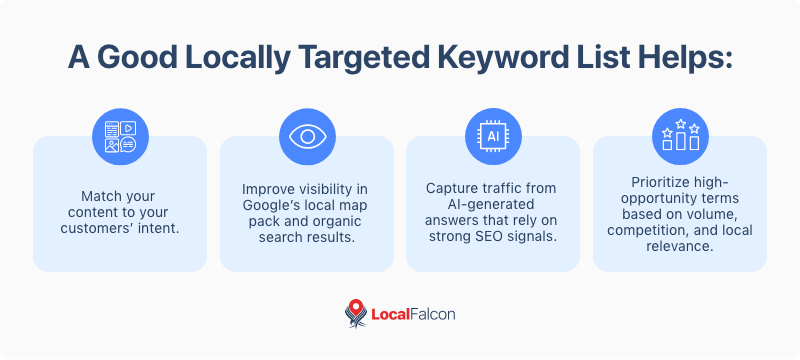
Credit: www.localfalcon.com
Keyword Research Basics
Keyword research is the first step to build a strong SEO strategy. It helps find the right words people use to search online. Choosing the right keywords brings more visitors to your site. Understanding how to research keywords saves time and effort.
Types Of Keywords
Keywords fall into different groups based on user needs. Some focus on products, others on questions or locations. Common types include informational, navigational, transactional, and commercial keywords. Each type targets users at different stages of their journey. Knowing these types guides your content creation effectively.
Short-tail Vs Long-tail
Short-tail keywords have one or two words. They get high search volume but face tough competition. Long-tail keywords have three or more words. They attract fewer searches but are more specific. Long-tail keywords often bring better traffic and higher conversion rates. Balancing both types improves your reach and focus.
Search Intent Insights
Search intent means the goal behind a user’s query. People may want to learn, buy, or find a specific site. Identifying intent helps match content to what users want. Content that fits intent ranks better and keeps visitors engaged. Always think about the reason behind each keyword choice.
Tools For Keyword Discovery
Choosing the right keywords is key to good SEO. Tools for keyword discovery help find the best terms to use. These tools show what people search for and how often. They also reveal how hard it is to rank for each word. Using these tools saves time and improves your content strategy.
Free Keyword Tools
Free keyword tools offer basic features for beginners. Google Keyword Planner is popular and easy to use. It shows search volume and competition for words. Ubersuggest provides keyword ideas and content suggestions. AnswerThePublic gives questions and phrases people ask online. These tools help find useful keywords without cost.
Paid Keyword Tools
Paid tools offer more data and advanced features. SEMrush provides keyword difficulty, trends, and competitor analysis. Ahrefs shows detailed search metrics and backlink data. Moz Pro offers keyword suggestions and site audits. These tools give deeper insights to improve SEO plans. They work well for serious content creators.
Analyzing Competitor Keywords
Studying competitor keywords reveals what works in your niche. Use tools to see which words drive traffic to rivals. Find gaps where you can rank better with different terms. This tactic helps find popular and less competitive keywords. It guides smarter keyword choices based on real data.
Evaluating Keyword Effectiveness
Evaluating keyword effectiveness is key for good SEO. It helps choose words that bring real visitors. Not all keywords work the same. Some have lots of searches but are hard to rank for. Others fit your audience better but get fewer searches. Understanding how to evaluate keywords saves time and effort.
Search Volume Metrics
Search volume shows how many people type a keyword each month. High volume means many searches. Low volume means fewer searches. A good keyword has steady search volume. It means consistent interest. Tools like Google Keyword Planner can show this data. Use volume to find popular terms your audience uses.
Keyword Difficulty
Keyword difficulty tells how hard it is to rank on the first page. High difficulty means many strong websites compete. Low difficulty means less competition. Choose keywords with medium or low difficulty. This helps your site appear faster in search results. Check difficulty using SEO tools for better strategy.
Relevance To Audience
Relevance means the keyword matches what your audience needs. A keyword with high relevance brings visitors who want your content. Irrelevant keywords may get clicks but no interest. Think about your audience’s problems and questions. Pick keywords that answer those. This leads to better engagement and results.
Credit: goldenowl.digital
Incorporating Keywords Strategically
Incorporating keywords strategically is key to effective SEO. It helps search engines understand your content. It also improves your page ranking. Using keywords well can bring more visitors to your site. The goal is to place keywords naturally. This keeps your content clear and easy to read.
On-page Placement Tips
Place keywords in important spots on your page. Use them in the title tag to catch attention. Add keywords in the meta description for better clicks. Include keywords in headers to organize your content. Use keywords in the first 100 words for strong relevance. Sprinkle keywords in the URL for clarity. Add keywords to image alt text to boost SEO.
Avoiding Keyword Stuffing
Use keywords carefully. Too many keywords can confuse readers. It can also hurt your search rankings. Write for humans, not just search engines. Keep your keyword use natural and smooth. Focus on quality content over keyword quantity. Use synonyms and related words to vary your text.
Using Keywords In Content
Integrate keywords into your sentences naturally. Make sure they fit the topic and context. Use keywords in the introduction to set the theme. Place keywords in subheadings to guide readers. Repeat keywords a few times, but not too often. Balance keywords with useful information. This keeps readers interested and engaged.
Tracking And Adjusting Keywords
Tracking and adjusting keywords is vital for SEO success. Keywords that work today may not perform well tomorrow. Regular monitoring helps find which keywords bring traffic. Adjusting your strategy keeps your content relevant and visible in search results. It’s a continuous process that improves your site’s ranking over time.
Monitoring Keyword Rankings
Track your keywords to see their position on search engines. Use tools like Google Search Console or other SEO software. Check which keywords rise or fall in rankings. Identify patterns and spot problems early. This data shows which keywords drive visitors to your site.
Adapting To Seo Trends
SEO rules change often. Search engines update algorithms frequently. Stay informed about these changes. Adjust your keywords to match new trends. Focus on keywords that match current user searches. Keeping up-to-date helps maintain your site’s visibility.
Refreshing Keyword Strategy
Review your keywords regularly. Remove those that no longer perform well. Add new keywords based on fresh research. Try synonyms and related terms to reach a wider audience. A fresh keyword strategy keeps your content competitive and engaging.

Credit: www.softkingo.com
Frequently Asked Questions
What Are The Best Tools For Choosing Keywords?
The best tools for choosing keywords include Google Keyword Planner, Ahrefs, SEMrush, and Ubersuggest. These tools provide search volume, competition, and related keyword suggestions. Using them helps identify keywords that match your audience’s intent and improve your SEO strategy effectively.
How Do I Find Low-competition Keywords?
To find low-competition keywords, use SEO tools to check keyword difficulty scores. Look for keywords with moderate to high search volume but low competition. These keywords help you rank faster and attract targeted traffic without competing against large websites.
Why Is Keyword Relevance Important For Seo?
Keyword relevance ensures your content matches user search intent. Using relevant keywords improves your page’s ranking and attracts the right audience. It increases engagement and conversions by providing users exactly what they are searching for, enhancing overall SEO performance.
How Many Keywords Should I Target Per Page?
Target 1 to 3 primary keywords per page. Focus on one main keyword and support it with related secondary keywords. This approach avoids keyword stuffing and helps search engines understand your page’s main topic clearly for better ranking.
Conclusion
Choosing the right keywords takes time and care. Focus on words your audience uses. Check which keywords bring the best results. Use tools to find ideas and check competition. Keep your list fresh by updating it often. Good keywords help your content reach more people.
Stay patient and watch your site grow. The effort you put in will pay off. Simple steps lead to better search rankings. Keep learning and adjusting your keyword strategy. Success comes from steady work and smart choices.