Are you struggling to get your content noticed? Without a solid content marketing plan, your efforts might feel like shouting into the void.
Imagine having a clear roadmap that guides every post, video, or article you create—making sure it reaches the right people at the right time. This isn’t just about working harder; it’s about working smarter. You’ll discover how to build a content marketing plan that grabs attention, builds trust, and drives real results.
Ready to turn your content into your most powerful asset? Let’s dive in.
Setting Clear Goals
Setting clear goals is the first step in any content marketing plan. Goals guide your efforts and keep your team focused. Without clear goals, your content may not reach the right people or achieve the desired results.
Clear goals help measure success and adjust strategies quickly. They provide direction and make your content meaningful. Knowing what you want to achieve simplifies every decision you make.
Identifying Target Audience
Knowing your target audience is essential for goal setting. Define who your content is for. Think about their age, interests, and problems. This helps create content that speaks directly to them.
Targeting the right audience saves time and resources. Your content will attract people interested in your product or service. This leads to better engagement and more conversions.
Defining Key Performance Indicators
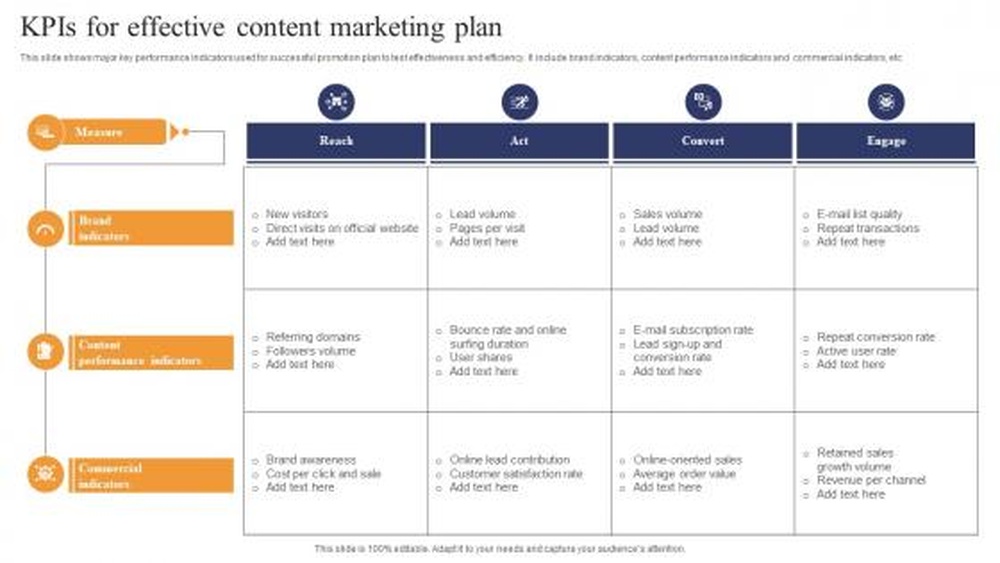
Key Performance Indicators (KPIs) track your progress toward goals. Choose KPIs that match your objectives. Common KPIs include website traffic, social shares, and lead generation.
Tracking KPIs shows what works and what needs change. It keeps your marketing efforts focused and effective. Set realistic KPIs and review them regularly to stay on track.

Credit: www.slidegeeks.com
Crafting Compelling Content
Crafting compelling content is key to any successful content marketing plan. It attracts readers, builds trust, and encourages action. Good content speaks directly to the audience and meets their needs. It should be clear, interesting, and easy to read.
Creating strong content requires careful choices. From the format to the tone, every detail matters. This section breaks down how to choose content types and develop a consistent brand voice.
Choosing Content Types
Select content types that fit your audience’s habits and preferences. Blog posts help explain ideas clearly. Videos catch attention quickly and keep viewers engaged. Infographics show data in a visual way that is easy to understand.
Podcasts work well for people who listen while on the move. Case studies build trust by showing real results. Choose formats that suit your message and audience. Mixing different content types keeps your marketing fresh.
Developing A Consistent Brand Voice
Brand voice is how your brand “sounds” in writing and speech. It should match your company’s values and personality. Consistency in voice helps people recognize and trust your brand.
Decide if your voice is formal, friendly, or casual. Use simple words and short sentences to keep it clear. Avoid complex language that may confuse readers. Stay true to your voice across all content.
Consistency builds connection. It makes your brand feel reliable and professional.
Content Distribution Channels
Content distribution channels spread your message to the right audience. They help your content reach more people and create engagement. Choosing the right channels improves your plan’s success. Each channel has unique strengths and suits different content types.
Leveraging Social Media
Social media platforms connect you with millions of users worldwide. Share posts, videos, and stories to attract attention. Use platforms like Facebook, Instagram, LinkedIn, and Twitter. Engage with followers by responding to comments and messages. Posting regularly keeps your audience interested and informed.
Utilizing Email Marketing
Email marketing sends content directly to subscribers’ inboxes. Build an email list by offering valuable content or discounts. Personalize emails for better reader engagement. Use newsletters to share updates, tips, or promotions. Emails maintain a close connection with your audience over time.
Exploring Paid Advertising
Paid ads boost your content visibility quickly. Platforms like Google Ads and Facebook Ads target specific groups. Set a budget to control spending and test different ads. Use clear messages and strong calls to action. Paid ads help reach new audiences beyond your organic reach.
Creating A Content Calendar
Creating a content calendar helps organize your marketing efforts. It keeps your posts consistent and timely. A well-planned calendar saves time and reduces stress. You can plan topics, formats, and deadlines ahead. This makes your content strategy clear and focused.
Using a calendar also helps track which content performs best. It allows you to adjust your plan based on results. Your audience gets a steady flow of valuable content. This builds trust and keeps them engaged over time.
Scheduling Posts For Maximum Impact
Timing is key to reach more people. Post when your audience is most active. Use data from social media and website tools. Spread posts evenly to avoid overload. Mix different content types on different days. This keeps your audience interested and engaged.
Plan posts around important dates and events. Align content with holidays or industry happenings. This increases relevance and boosts engagement. Regular scheduling creates a reliable routine for followers. They start expecting and looking forward to your posts.
Balancing Evergreen And Trending Topics
Evergreen content stays useful for a long time. It attracts steady traffic and builds authority. Trending topics bring quick attention and shares. They keep your content fresh and timely. Use both types to maintain balance and variety.
Schedule evergreen posts regularly to provide lasting value. Add trending content to catch current interest. This mix helps reach new and existing audiences. Keep an eye on trends to update your calendar fast. A balanced calendar keeps your content relevant and engaging.
Measuring Performance
Measuring performance is key to improving your content marketing plan. It shows what works and what needs change. Tracking the right data helps you make better decisions. This leads to higher success and more satisfied readers.
Tracking Engagement Metrics
Engagement metrics reveal how users interact with your content. Look at likes, shares, comments, and time spent on pages. These numbers show which content holds attention and sparks interest. High engagement means your message connects well with the audience.
Use tools like Google Analytics or social media insights to gather this data. Compare metrics across content types and topics. This helps find what your audience prefers and enjoys most.
Analyzing Conversion Rates
Conversion rates measure how many visitors take desired actions. Actions can be signing up, downloading, or buying. Tracking conversions shows if your content drives real results. Low rates may mean the content or call-to-action needs improvement.
Set clear goals for each piece of content. Use tracking links and forms to collect data. Analyze trends over time to spot strengths and weaknesses. Focus on improving pages with the highest potential for growth.
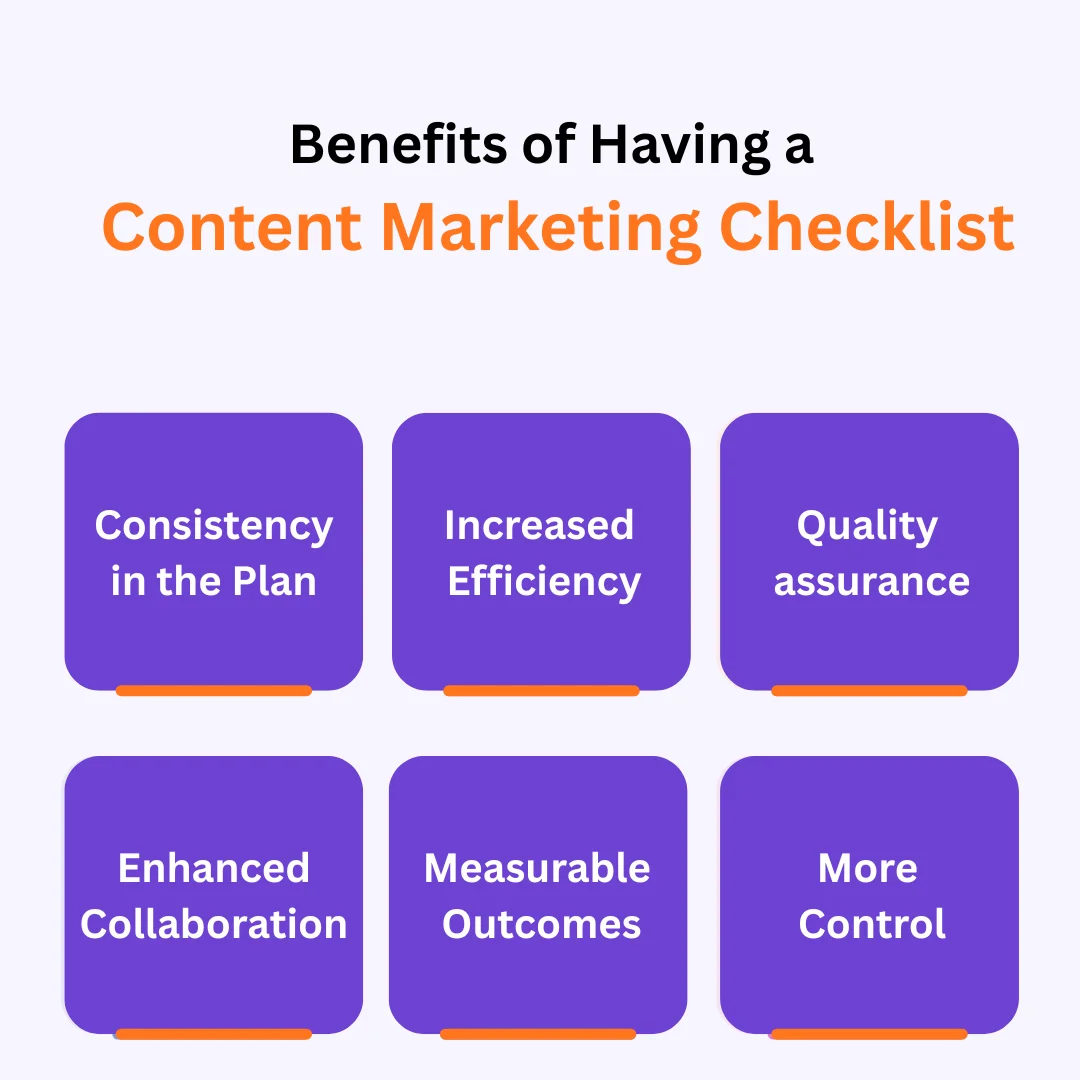
Credit: getwpfunnels.com
Optimizing For Growth
Optimizing for growth means making your content marketing plan better over time. It involves testing ideas and learning from real results. This helps you find what works best for your audience. Small changes can lead to big improvements in engagement and reach.
Focus on clear goals and track your progress. Use data to guide your decisions. Growth comes from steady improvement, not sudden changes. Keep your content fresh and relevant to attract more viewers.
A/b Testing Content Strategies
A/B testing compares two versions of your content to see which performs better. Change one element at a time, like the headline or image. Show version A to half your audience and version B to the other half.
Measure results such as clicks, shares, and time spent on page. Use the winning version to improve future content. Testing helps avoid guessing and supports smart decisions.
Incorporating Feedback And Insights
Feedback from your audience is a valuable source of improvement. Read comments, surveys, and social media responses carefully. Look for common questions or complaints to address in your content.
Use analytics tools to find patterns in user behavior. Adjust your content based on what your audience likes or dislikes. This keeps your strategy aligned with their needs and interests.
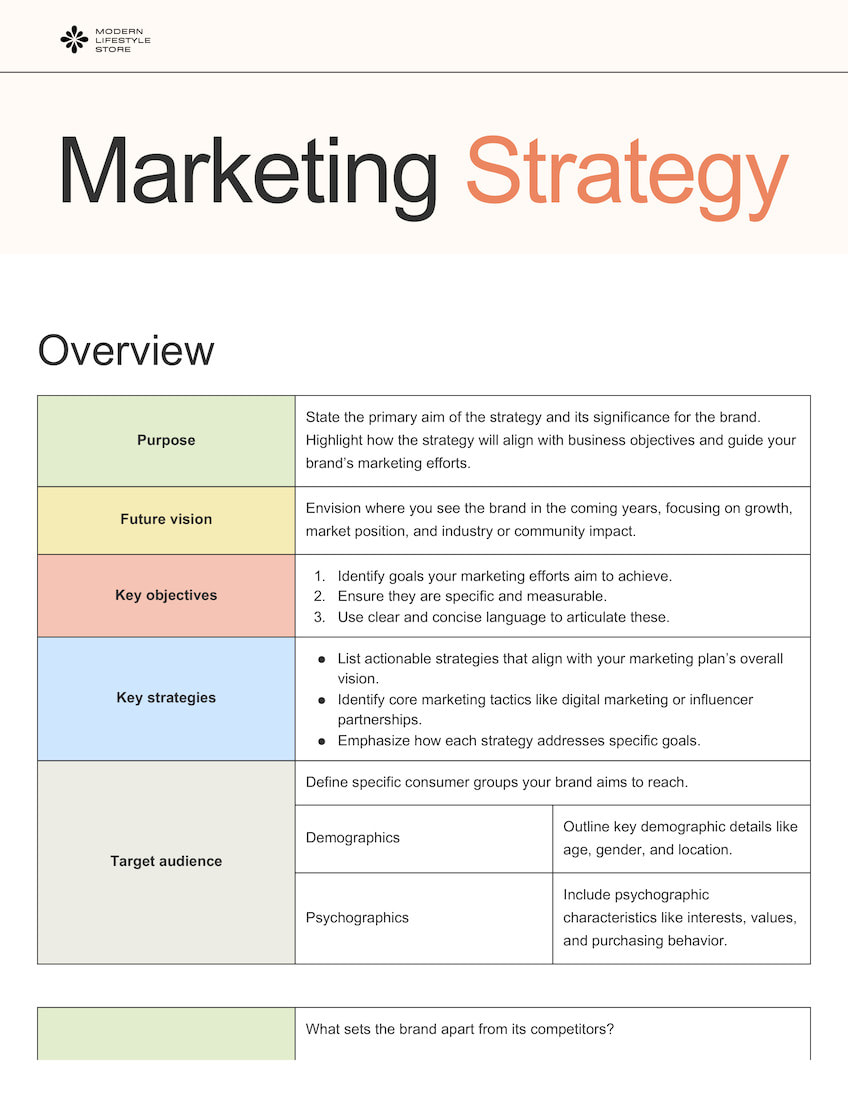
Credit: www.canva.com
Frequently Asked Questions
What Is A Content Marketing Plan?
A content marketing plan outlines your strategy for creating, publishing, and distributing content. It helps target the right audience. The plan aligns content goals with business objectives, ensuring consistent brand messaging. It boosts engagement, traffic, and conversions effectively.
Why Is A Content Marketing Plan Important?
A content marketing plan ensures focused efforts and maximizes ROI. It organizes content creation and distribution. The plan helps track performance and adjust strategies. It improves brand awareness and builds customer trust over time.
How Do You Create A Content Marketing Plan?
Start by defining your goals and target audience. Research relevant topics and keywords. Plan content types and publishing schedules. Assign roles and measure results regularly. Adjust tactics based on analytics for continuous improvement.
What Are Key Elements Of A Content Marketing Plan?
Key elements include audience research, content goals, content types, distribution channels, and a publishing calendar. Measurement metrics and budget allocation are essential. Collaboration among teams ensures smooth execution and success.
Conclusion
A strong content marketing plan guides your business growth. It helps you reach the right audience with clear messages. Consistent effort and regular updates keep your content fresh and useful. Track your results to see what works best. Adjust your plan as needed to improve performance.
Stay focused on your goals and audience needs. A good plan saves time and increases your success. Start planning today, and watch your content make an impact.