Are you curious about how your website’s performance affects your visitors and search rankings? Understanding Core Web Vitals can be the key to unlocking better user experience and higher Google rankings.
This study dives deep into what Core Web Vitals really mean, how they impact your site, and what steps you can take right now to improve them. By the time you finish reading, you’ll have clear, actionable insights that can transform your website’s speed, responsiveness, and visual stability—making your visitors happier and your business stronger.
Keep reading to discover how to make your site work smarter for you.

Credit: casilimas.com
Core Web Vitals Basics
Core Web Vitals Basics cover important metrics for website performance. These metrics measure how fast and smooth a site feels to users. Google uses them to rank pages in search results. Understanding these basics helps improve user experience and SEO.
Key Metrics Explained
Core Web Vitals focus on three main measurements. First is Largest Contentful Paint (LCP). It shows how fast the main content loads. Second is First Input Delay (FID). It measures how quickly the page reacts to user actions. Third is Cumulative Layout Shift (CLS). It tracks visual stability and layout shifts.
Why They Matter
Good Core Web Vitals scores lead to happier visitors. Fast loading pages keep users engaged longer. Quick responses reduce frustration during interactions. Stable layouts prevent accidental clicks and confusion. Sites with strong scores rank higher on Google. This boosts traffic and trust in your website.
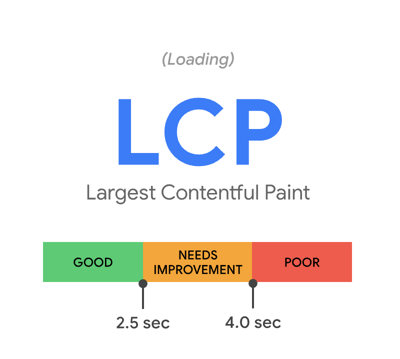
Credit: bluetriangle.com
Impact On User Experience
Core Web Vitals directly affect how users feel about a website. These metrics measure important parts of user experience. Good scores help keep visitors happy and engaged. Poor scores can cause frustration and drive users away. Understanding the impact on user experience helps improve website design and performance.
Loading Speed Effects
Fast loading pages keep users interested. Slow pages make users leave quickly. Even a one-second delay can lower satisfaction. Speed affects how soon users see content. Quick loading improves trust and encourages visits.
Interactivity Importance
Users expect websites to respond fast. Delays in clicks or taps cause annoyance. Smooth interactivity helps users navigate easily. Sites that react quickly feel more reliable. Good interactivity increases time spent on a site.
Visual Stability Role
Shifting content frustrates users. Unexpected moves can cause wrong clicks. Stable visuals make reading easier and clearer. A steady layout builds confidence in the site. Visual stability creates a pleasant browsing experience.
Measuring Core Web Vitals
Measuring Core Web Vitals is essential for improving website performance. These metrics show how users experience your site. They focus on loading speed, interactivity, and visual stability. Tracking these helps identify problems affecting user satisfaction.
Accurate measurement needs the right tools and clear methods. Collecting real data from visitors gives the best insights. Understanding how to measure Core Web Vitals ensures better website health and user engagement.
Tools And Techniques
Several tools help measure Core Web Vitals effectively. Google’s PageSpeed Insights is a popular choice. It offers detailed reports on loading, interactivity, and layout shifts. Lighthouse, integrated into Chrome DevTools, tests these metrics in real-time.
Web Vitals extension for Chrome provides quick feedback on any page. Other tools like WebPageTest and GTmetrix also offer valuable data. Using multiple tools gives a complete view of site performance.
Data Collection Methods
Collecting real user data is key to understanding Core Web Vitals. Field data, also called Real User Monitoring (RUM), captures actual user experiences. Google’s Chrome User Experience Report (CrUX) gathers anonymized data from millions of users.
Lab data comes from controlled environments, simulating user interactions. It helps identify issues but may not reflect all real-world conditions. Combining lab and field data gives a clearer picture of website health.

Credit: betterprogramming.pub
Improving Website Speed
Website speed plays a key role in user experience and SEO rankings. Slow sites frustrate visitors and increase bounce rates. Improving speed helps keep users engaged and boosts search engine performance. Small changes can lead to big improvements in load times.
Optimizing Images And Media
Large images slow down page loading. Resize images to fit their display size. Use modern formats like WebP for faster loading. Compress images without losing quality. Avoid auto-playing videos or heavy animations. These steps reduce the amount of data users download.
Minimizing Javascript
JavaScript can block page rendering and delay content display. Remove unused scripts from your site. Combine multiple scripts into one file. Minify JavaScript by removing spaces and comments. Use asynchronous loading to prevent delays. This ensures faster interaction and smoother browsing.
Leveraging Browser Caching
Browser caching stores site data locally on a user’s device. It speeds up repeat visits by loading files from cache. Set proper cache expiration times for images, scripts, and stylesheets. Use cache-control headers to guide browsers. This reduces server load and improves page load speed.
Enhancing User Success
Enhancing user success is vital for any website. Core Web Vitals help measure how well a page performs for visitors. Improving these metrics creates a better experience. Users stay longer and interact more. This leads to positive results for the site owner.
Reducing Bounce Rates
Pages that load quickly keep visitors interested. Slow or unresponsive sites cause users to leave fast. Core Web Vitals focus on speed and stability. Fixing these issues lowers bounce rates significantly. Visitors are more likely to explore the site.
Boosting Engagement
Good user experience encourages clicks and scrolls. Clear and fast-loading content makes users stay longer. Core Web Vitals ensure pages feel smooth and responsive. Engaged visitors interact with features and read more. This builds trust and connection with the audience.
Increasing Conversions
A smooth website helps users complete actions easily. Whether signing up or buying, fast pages reduce frustration. Core Web Vitals improve loading and interaction times. Better performance leads to more completed goals. This directly impacts sales and leads positively.
Case Studies And Insights
Studying Core Web Vitals through real examples gives clear insights. These insights help improve website speed and user experience. Understanding common issues helps fix them faster. The case studies show practical ways to boost website performance.
Real-world Examples
Several websites improved their Core Web Vitals by simple changes. One online store cut down image sizes to load faster. Another blog optimized its code to reduce delays. These changes led to better scores and happier visitors. Real sites show what works and what does not.
Lessons Learned
Fast loading times increase user engagement and reduce bounce rates. Testing sites regularly helps catch performance problems early. Small tweaks often create big improvements in Core Web Vitals. Keeping code clean and images optimized is key. Learning from real cases makes it easier to improve your own site.
Future Trends In Web Performance
The future of web performance is rapidly changing. New tools and ideas shape how websites work. Faster, smoother, and more user-friendly sites will become the norm. This focus helps improve user experience and search engine rankings. Understanding future trends is key to staying ahead in web development.
Evolving Metrics
Core Web Vitals started a shift in how performance is measured. New metrics will add deeper insights into user experience. Metrics may track interaction speed, visual stability, and loading time more precisely. Tools will focus on real-world data from actual users. This approach makes performance measurement more accurate and useful.
Emerging Technologies
New tech changes how websites perform and load. Technologies like HTTP/3 and QUIC speed up data transfer. WebAssembly allows heavy tasks to run faster in browsers. AI and machine learning help optimize resources and predict user needs. These advances reduce delays and create smoother browsing experiences.
Frequently Asked Questions
What Are Core Web Vitals In Seo?
Core Web Vitals are key metrics measuring user experience on websites. They focus on loading speed, interactivity, and visual stability. These metrics influence Google’s ranking algorithms. Optimizing Core Web Vitals helps improve site performance and boost search rankings.
Why Is Core Web Vitals Important For Websites?
Core Web Vitals impact user satisfaction and search engine rankings. Better scores mean faster, smoother, and more stable websites. This leads to increased user engagement and higher conversion rates. Google prioritizes sites with good Core Web Vitals in search results.
How To Measure Core Web Vitals Effectively?
You can measure Core Web Vitals using tools like Google PageSpeed Insights, Lighthouse, and Search Console. These tools provide detailed reports on loading, interactivity, and visual stability. Regular monitoring helps identify issues and improve website performance.
Which Metrics Are Included In Core Web Vitals?
Core Web Vitals include Largest Contentful Paint (LCP), First Input Delay (FID), and Cumulative Layout Shift (CLS). LCP measures loading time, FID tracks interactivity, and CLS assesses visual stability. Together, they reflect real user experience on your site.
Conclusion
Core Web Vitals play a key role in website success. Fast loading, smooth interaction, and stable visuals matter a lot. Websites that meet these standards keep visitors happy. Search engines also prefer sites with good Core Web Vitals. Regular checks help find and fix problems quickly.
Small improvements can lead to better rankings and user trust. Focus on these metrics to create a strong, user-friendly site. The effort pays off with more visitors and longer visits. Keep learning and adapting to stay ahead.