
Have you ever wondered why some websites keep you hooked while others lose your attention quickly? The secret often lies in something called ”Dwell Time.”
This simple metric can reveal a lot about how engaging your content really is. If you want to keep visitors on your site longer and turn casual clicks into loyal followers, understanding dwell time is key. You’ll discover what dwell time is, why it matters to your website’s success, and how you can improve it to boost your online presence.
Ready to learn the tricks that can make your visitors stay and explore? Keep reading!
What Is Dwell Time
Dwell time is an important term in SEO and user experience. It shows how long a visitor stays on a webpage after clicking a search result. This metric helps understand if the content meets the visitor’s needs.
Search engines like Google use dwell time to judge the quality of a page. A longer dwell time often means the page is useful and relevant. Short dwell time may suggest the page did not satisfy the visitor’s query.
What Exactly Is Dwell Time?
Dwell time is the time from when a user clicks a search result to when they return to the search page. It measures how long the visitor spends on a website before leaving.
How Is Dwell Time Different From Other Metrics?
Dwell time differs from bounce rate and session duration. Bounce rate counts visitors leaving after one page. Session duration tracks total time on a site. Dwell time focuses on search result visits only.
Why Does Dwell Time Matter?
Dwell time shows if content keeps visitors engaged. Longer time means users find value and stay to read. This helps search engines rank pages higher for relevant searches.

Credit: seahawkmedia.com
Why Dwell Time Matters For Seo
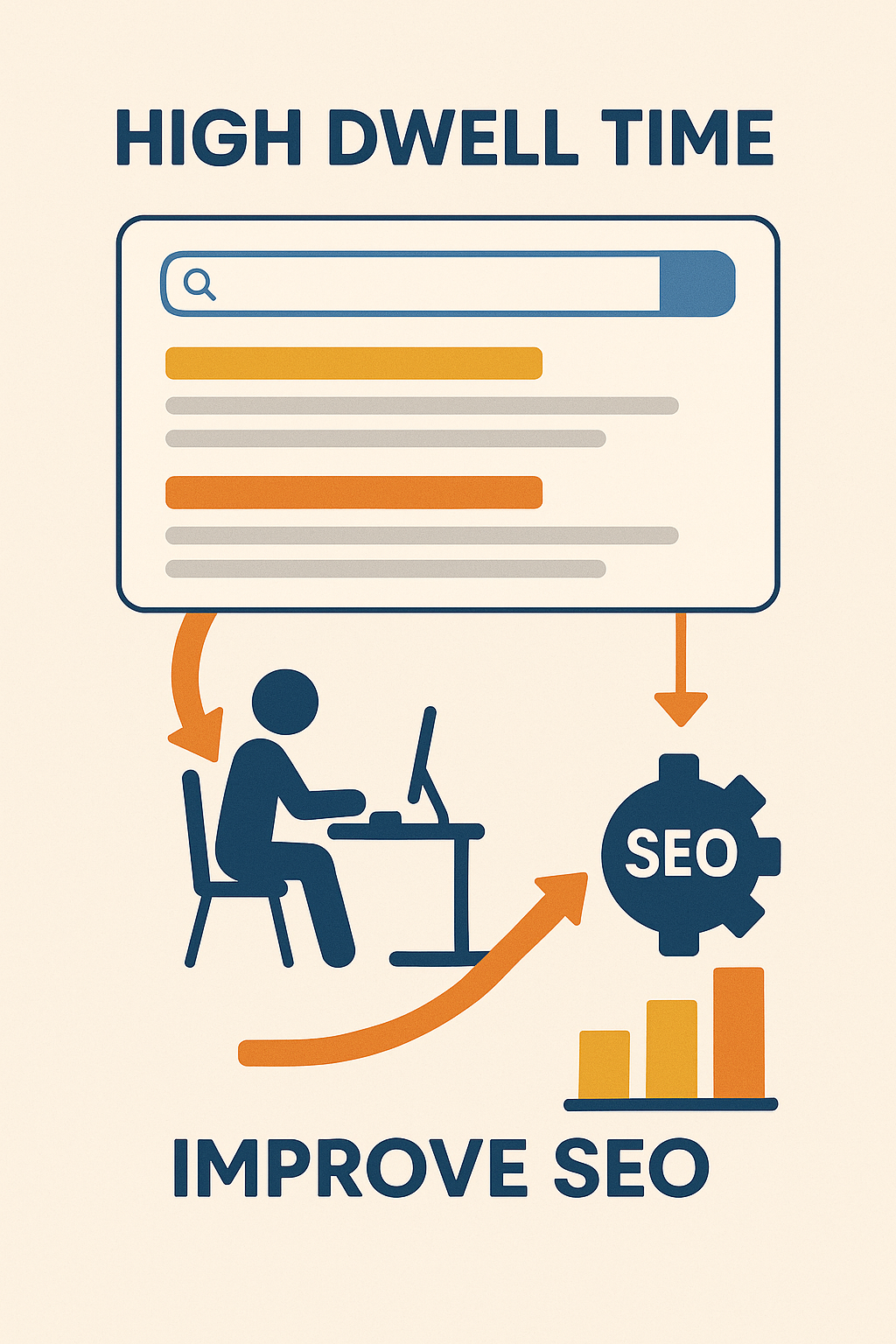
Dwell time is a key factor for SEO. It shows how long visitors stay on a page after clicking a search result. Search engines use this data to understand if users find content useful.
Longer dwell time often means better content quality. It signals that users engage with the page and find answers to their questions. This helps search engines rank the page higher.
Short dwell time suggests users leave quickly. This may indicate poor content or irrelevant information. Search engines may lower the page’s ranking as a result.
What Dwell Time Tells Search Engines
Dwell time gives search engines clues about user satisfaction. If visitors spend more time, it means they trust the page. Search engines want to show trusted pages first.
This metric helps search engines separate useful content from low-quality pages. It improves search results by showing relevant content to users.
How Dwell Time Impacts Rankings
Pages with higher dwell time often rank better in search results. Search engines see these pages as valuable. This increases their visibility and traffic.
Lower dwell time may cause rankings to drop. Search engines aim to reduce poor user experiences by pushing down weak pages.
Ways To Improve Dwell Time
Create clear and engaging content that meets user needs. Use images and videos to keep visitors interested. Make the page easy to read with short paragraphs and headings.
Speed up page loading times. Slow pages cause users to leave fast. A fast website keeps users longer and improves dwell time.
Factors Influencing Dwell Time
Dwell time shows how long visitors stay on your page. It signals if users find your content useful and interesting. Several factors shape this important metric. Understanding these helps improve your website’s performance and user satisfaction.
Page Load Speed
Slow pages drive users away fast. Pages that load quickly keep visitors engaged. Fast load speed reduces bounce rates and raises dwell time. Optimizing images and using good hosting help speed up your site.
Content Quality
Clear and useful content holds attention longer. Content that answers questions makes visitors stay. Well-organized text with headings and bullet points is easier to read. Avoid long paragraphs to keep readers interested.
User Experience
Easy navigation keeps visitors exploring your site. Simple menus and clear buttons guide users smoothly. Avoid pop-ups and distractions that annoy visitors. A clean design helps users focus on your content.
Mobile Optimization
Many users browse on phones and tablets. Mobile-friendly pages load faster and look better on small screens. Responsive design adapts content to any device. Mobile optimization increases dwell time for all visitors.
Techniques To Improve Dwell Time
Dwell time measures how long visitors stay on a page before returning to search results. Longer dwell time shows users find the content useful. Improving dwell time helps boost your site’s SEO and user experience.
Several simple techniques can keep readers interested and on your site longer. Focus on clear, engaging content and easy navigation. Use visual elements and links to guide users through related information.
Engaging Headlines
Headlines catch attention and invite visitors to read more. Use clear and direct words that match the content. Avoid clickbait or confusing titles. Good headlines set the right expectations and keep users curious.
Multimedia Integration
Images, videos, and infographics make content more interesting. Visuals break up text and help explain ideas clearly. Multimedia can hold attention longer than plain text. Use relevant media that supports the message.
Clear Navigation
Easy-to-use menus and buttons guide visitors through your site. Clear navigation reduces frustration and prevents users from leaving early. Organize content logically and use simple labels. Visitors find what they want quickly and stay longer.
Internal Linking
Links to related articles or pages keep users exploring your site. Internal links provide more value and information. Use descriptive anchor text to explain what the link offers. This encourages visitors to click and stay engaged.
Measuring Dwell Time Effectively
Measuring dwell time effectively helps understand how users interact with your content. It shows how long visitors stay on a page before leaving. This metric gives insight into user interest and content quality.
Accurate measurement requires the right tools and careful analysis of user actions. Tracking dwell time helps improve website design and content strategies. It also guides decisions to keep visitors engaged longer.
Tools To Track Engagement
Several tools measure dwell time and user engagement. Google Analytics tracks the average time users spend on pages. It also shows bounce rates and session durations.
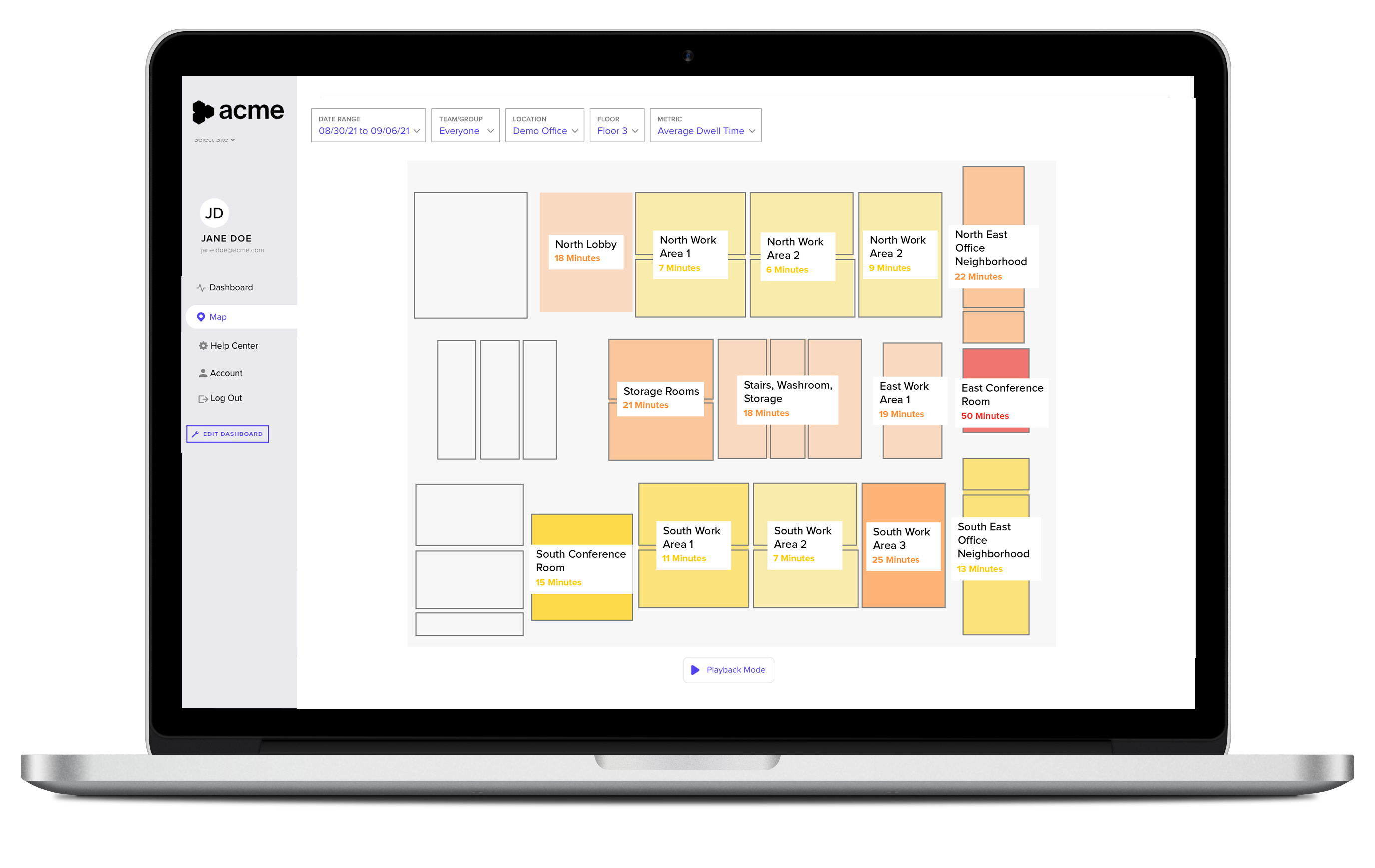
Heatmap tools like Hotjar reveal where users click and scroll. These visuals highlight parts of your page that attract attention. They help identify areas that need improvement.
Session recording software captures user navigation paths. Watching recordings uncovers user behavior patterns. It gives clues about what holds visitors or causes them to leave.
Analyzing User Behavior
Analyzing user behavior focuses on how visitors interact with your content. Look at how long users stay on key pages. Longer visits often mean higher interest.
Check user actions like clicks, scroll depth, and navigation flow. These show engagement beyond just time spent. Combining metrics provides a fuller picture of user experience.
Identify pages with low dwell time and high exit rates. These pages might need better content or clearer calls to action. Small changes can boost engagement and reduce bounce.
Credit: blog.innerspace.io
Common Mistakes That Reduce Dwell Time
Dwell time measures how long visitors stay on your page. Low dwell time means users leave quickly. Many common mistakes cause this problem. Fixing these errors can keep visitors longer. It helps your site’s ranking and user experience.
Understanding these mistakes is the first step. Avoiding them leads to better engagement. Your content should hold attention, not push users away.
Poor Content Quality
Content that is boring or hard to read drives visitors away. Use simple words and short sentences. Avoid long blocks of text. Add clear headings to break up content. Good content makes visitors stay longer.
Slow Page Load Speed
Slow websites frustrate users. They click away before content loads. Optimize images and use fast hosting. A quick site keeps visitors interested.
Confusing Navigation
Visitors want to find information fast. Complex menus or broken links create confusion. Make navigation simple and clear. Easy-to-use sites encourage longer visits.
Too Many Ads
Excessive ads distract and annoy users. They interrupt reading and slow the page. Limit ads to keep focus on content. Visitors stay longer on ad-light pages.
Not Mobile Friendly
Many users browse on phones or tablets. Sites that don’t work well on mobile lose visitors. Use responsive design to fit all screens. Mobile-friendly sites improve dwell time.
Case Studies On Dwell Time Success
Dwell time is a key factor in website success. It measures how long visitors stay on a page. Longer dwell time often means visitors find the content useful. Many companies have improved their dwell time with smart changes. The following case studies show real examples of this.
These stories reveal practical steps and results. They help understand what works best for keeping visitors engaged.
Case Study: News Website Boosts Dwell Time
A popular news site wanted readers to stay longer. They added more images and clear headlines. Articles were broken into short sections for easy reading. These changes made the site easier to scan. Dwell time increased by 25% in three months. The site also saw more page views per visit.
Case Study: E-commerce Store Improves User Engagement
An online store tested product videos and detailed descriptions. Videos helped show product features better. Descriptions answered common questions clearly. Visitors spent more time on each product page. Dwell time rose by 30%. This led to higher sales and fewer returns.
Case Study: Educational Blog Raises Visitor Retention
A learning blog used quizzes and interactive content. Readers could test their knowledge after each article. This kept users involved and interested. The blog’s average dwell time doubled in six weeks. Comments and shares also increased, showing stronger engagement.
Credit: www.digital-tailors-seo.co.uk
Frequently Asked Questions
What Is Dwell Time In Seo?
Dwell time measures how long a visitor stays on a webpage after clicking a search result. It indicates user engagement and content relevance. Higher dwell time suggests valuable content, which can positively impact SEO rankings. It helps search engines understand user satisfaction with search results.
How Does Dwell Time Affect Search Rankings?
Longer dwell time signals that users find a page useful and engaging. This can improve a page’s ranking in search engine results. Conversely, low dwell time may indicate poor content quality, causing rankings to drop. Dwell time is one of many factors influencing SEO performance.
How Can I Improve Dwell Time On My Website?
Create high-quality, relevant content that matches user intent. Use engaging headlines, clear structure, and multimedia like images or videos. Improve page load speed and ensure mobile-friendliness. Internal linking keeps visitors exploring your site longer, boosting dwell time naturally.
Is Dwell Time The Same As Bounce Rate?
No, dwell time measures visit duration from search click to leaving the page. Bounce rate tracks the percentage of visitors who leave without interacting. A visitor can have high dwell time but still contribute to bounce rate if they don’t engage further.
Conclusion
Dwell time shows how long visitors stay on your site. It helps measure user interest and content quality. Longer dwell time often means better engagement and trust. Focus on clear, useful content to keep readers. Easy navigation and quick loading also matter a lot.
Keep improving your site to hold visitors’ attention. Better dwell time can lead to higher search rankings. Small changes can make a big difference. Stay patient and watch your site grow step by step.