Your ecommerce website design is more than just how your site looks—it’s the key to turning visitors into loyal customers. When your online store is easy to navigate, fast, and visually appealing, people stay longer and buy more.
But if your design is confusing or slow, you could be losing sales without even realizing it. You’ll discover simple yet powerful tips to create a website that not only attracts visitors but also keeps them coming back. Ready to boost your sales and stand out from the competition?
Let’s dive in.
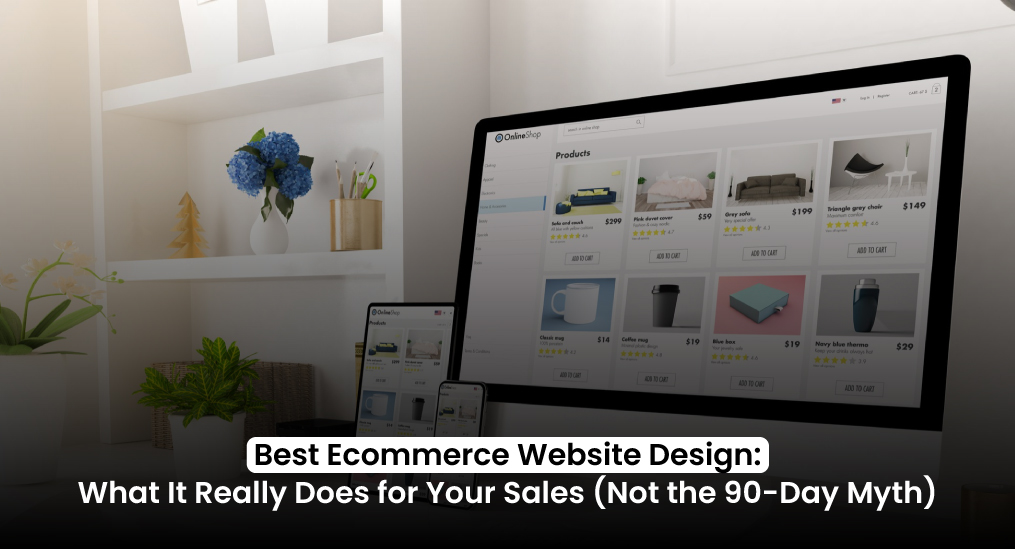
Credit: koretechx.com
Key Elements Of Ecommerce Design
Designing an ecommerce website needs careful thought. The key elements make shopping easy and enjoyable. They help visitors find products fast and feel confident to buy. These elements also build trust and keep customers coming back.
User-friendly Navigation
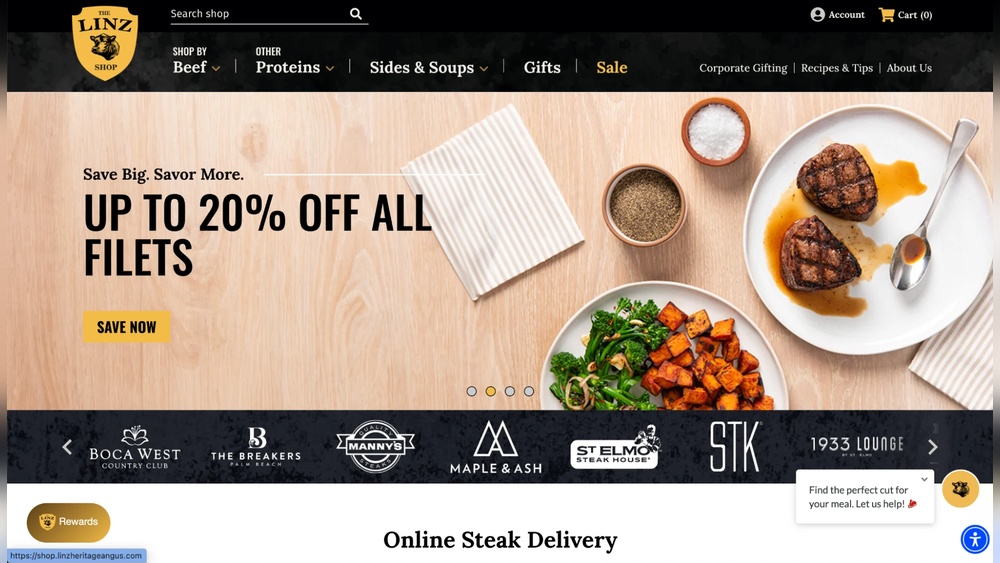
Easy navigation guides users through the site without confusion. Menus should be clear and simple. Categories must be easy to find. A good search bar helps users locate products quickly. Breadcrumbs show where users are on the site. This reduces frustration and improves the shopping experience.
Responsive Design
Responsive design adjusts the website for all screen sizes. It looks good on phones, tablets, and desktops. Fast loading times are crucial on every device. Mobile-friendly sites increase sales and keep visitors longer. A responsive design ensures no customer misses out.
High-quality Visuals
Clear, sharp images attract attention and show product details. Multiple photos from different angles help buyers decide. Videos can demonstrate product use and benefits. Visuals build trust by showing exactly what customers will get. Avoid blurry or low-resolution pictures.
Clear Call-to-actions
Call-to-action buttons tell users what to do next. They should stand out with contrasting colors. Text like ”Buy Now” or ”Add to Cart” must be simple and direct. Place buttons in easy-to-see spots on the page. Clear calls encourage users to complete purchases faster.

Credit: themehunk.com
Choosing The Right Color Scheme
Choosing the right color scheme is vital for ecommerce website design. Colors catch attention and guide buyers through the site. They create feelings that influence buying decisions. A well-chosen color palette can make your site more appealing and trustworthy.
Impact Of Colors On Buyer Behavior
Colors affect emotions and actions. Red can create urgency and excitement. Blue often feels calm and trustworthy. Yellow grabs attention and feels cheerful. Green suggests health and peace. Using the right colors can encourage buyers to stay longer and make purchases. Colors help highlight sales or important buttons. The right shades can improve readability and focus.
Aligning Colors With Brand Identity
Your color scheme should match your brand’s personality. Consistent colors build recognition and trust. A bold brand might use strong reds or blacks. A natural brand could use soft greens or browns. Colors tell your brand’s story without words. Choose colors that reflect your values and style. This helps buyers connect with your brand easily. Keep colors consistent across the website and marketing materials.
Optimizing Product Pages
Optimizing product pages is key for any ecommerce site. These pages must catch attention fast. They need to give clear information and build trust. Simple, well-organized pages help shoppers decide quickly. The goal is to make buying easy and confident.
Effective Product Descriptions
Good product descriptions explain the item clearly. Use short sentences that describe features and benefits. Avoid complex words or long paragraphs. Focus on how the product solves a problem or meets a need. Highlight size, color, and materials. Clear descriptions help customers understand what they buy.
Use Of Product Videos And Images
Show the product from many angles with images. Use high-quality photos that load fast. Videos can demonstrate how the product works. They give a real feel of the item. Visual content keeps visitors interested longer. It also reduces doubts about the product.
Customer Reviews And Ratings
Reviews build trust and show real opinions. Display star ratings clearly on the page. Let customers write honest feedback. Positive and negative reviews both help buyers decide. Reviews also improve search engine ranking. They create a sense of community and reliability.
Streamlining The Checkout Process
Streamlining the checkout process is key to higher sales and happy customers. A smooth checkout stops buyers from leaving carts behind. It saves time and reduces confusion during payment. Simple steps and clear options keep shoppers moving forward. Secure signals build trust and confidence in your site.
Minimizing Steps To Purchase
Keep the checkout short and simple. Each extra step risks losing a buyer. Ask only for essential information. Use auto-fill forms to save time. Allow guest checkout to avoid forced sign-ups. Show progress clearly so buyers know what’s next.
Multiple Payment Options
Offer many ways to pay. Credit cards, PayPal, and digital wallets work well. Different customers prefer different methods. More options mean fewer abandoned carts. Make payment buttons easy to find and use. Fast payments speed up the entire process.
Security And Trust Signals
Show security badges and SSL certificates clearly. Buyers want to know their data is safe. Display trusted payment logos and privacy policies. Use simple words to explain data safety. Reassure customers that their info stays private. Trust encourages buyers to complete orders.
Incorporating Seo Best Practices
Incorporating SEO best practices into ecommerce website design helps increase visibility on search engines. This makes it easier for customers to find your products. Good SEO also improves user experience, keeping visitors on your site longer. Below are key SEO strategies to use in your ecommerce design.
Keyword Integration
Choose keywords that match what customers type to find products. Use these keywords in product titles, descriptions, and meta tags. Keep the keywords natural and avoid stuffing. This helps search engines understand your content clearly.
Fast Loading Speeds
Speed affects both search rankings and user satisfaction. Optimize images and use clean code to load pages quickly. Fast sites reduce bounce rates and encourage visitors to browse more pages.
Mobile Optimization
Many users shop on phones and tablets. A mobile-friendly design ensures your site looks good and works well on small screens. Responsive layouts improve rankings and attract more mobile shoppers.
Leveraging Social Proof
Social proof builds trust and confidence in your ecommerce site. It shows visitors that others like your products and services. This trust can increase sales and customer loyalty.
Using social proof on your site helps customers feel safer about buying. It lowers doubts and answers unspoken questions. Displaying real feedback and experiences makes your site more credible.
Showcasing Testimonials
Testimonials are direct words from happy customers. They share honest opinions about your products or service. Adding testimonials to product pages or checkout can boost buyer confidence.
Keep testimonials short and clear. Include the customer’s name and photo if possible. This adds authenticity and makes the feedback believable. Highlight positive results or experiences to catch attention quickly.
Highlighting User-generated Content
User-generated content (UGC) includes photos, videos, or reviews from customers. Showing UGC on product pages or galleries creates real proof. It helps visitors see your products in real life.
Encourage customers to share their content on social media. Add a hashtag or a contest to motivate sharing. Featuring UGC regularly keeps your site fresh and relatable.
Using Analytics To Refine Design
Using analytics to refine ecommerce website design helps improve user experience. Data shows how visitors interact with your site. This insight guides design changes that boost sales and engagement.
Analytics provides clear facts about user behavior. It reveals what works and what does not. You can focus on parts that need improvement. Small tweaks can lead to big results.
Tracking User Behavior
Tracking user behavior means watching how visitors use your site. Tools like heatmaps and session recordings show clicks, scrolls, and mouse movements. This data highlights popular areas and problem spots.
It helps spot where users drop off or get stuck. You learn which products attract attention and which get ignored. Tracking guides design changes that make navigation easier.
A/b Testing Layouts
A/B testing compares two versions of a page to see which performs better. You change one element at a time, like a button color or headline. Then you measure which version leads to more sales or clicks.
This method removes guesswork from design decisions. It proves what users prefer through real data. A/B testing improves layouts step-by-step, making the site more user-friendly.

Credit: dribbble.com
Frequently Asked Questions
What Is Ecommerce Website Design?
Ecommerce website design involves creating an online store that is user-friendly, visually appealing, and optimized for sales. It focuses on layout, navigation, product display, and checkout processes to enhance customer experience and drive conversions.
Why Is Responsive Design Important For Ecommerce?
Responsive design ensures your ecommerce site works well on all devices, including mobiles and tablets. This improves user experience, boosts SEO rankings, and increases sales by making shopping easier for customers everywhere.
How Does Ux Impact Ecommerce Sales?
Good UX design simplifies navigation and checkout, reducing cart abandonment. It helps customers find products quickly, builds trust, and encourages repeat purchases, directly boosting ecommerce sales and customer satisfaction.
What Are Key Ecommerce Website Design Features?
Essential features include clear product images, easy navigation, fast loading speed, secure payment options, and mobile responsiveness. These elements improve usability, trust, and conversion rates for ecommerce websites.
Conclusion
A good ecommerce website design helps customers find products fast. Clear navigation and simple layout keep visitors interested. Fast loading pages improve user experience and reduce drop-offs. Mobile-friendly sites reach more shoppers on phones and tablets. Use quality images and easy checkout to boost sales.
Remember, your website is your online store’s face. Keep it clean, simple, and user-friendly to attract buyers. Small changes can make a big difference in sales. Focus on your visitors’ needs to grow your business online.