Are you struggling to find the right words that make your website stand out? Your success online depends on one key thing: choosing the best keywords.
A Google Keyword Study can unlock powerful insights about what your audience is searching for. Imagine knowing exactly which words will bring more visitors, more clicks, and more sales. You’ll discover simple steps to master keyword research and boost your online presence like never before.
Keep reading, because the secrets to growing your business are closer than you think.

Credit: rockstarmarketing.co.uk
Keyword Research Basics
Keyword research is the first step in any SEO strategy. It helps find the right words people use to search online. These words guide content creation and improve website traffic. Understanding keyword research basics makes it easier to reach the target audience.
Types Of Keywords
Keywords come in different forms. Short-tail keywords are broad and have high search volume. Examples include ”shoes” or ”coffee.” Long-tail keywords are longer and more specific phrases. They usually have lower search volume but higher conversion rates. Branded keywords include company or product names. Each type serves a unique purpose in SEO.
Search Intent Insights
Search intent shows what users want. It can be informational, navigational, or transactional. Informational intent means users seek knowledge, like ”how to bake bread.” Navigational intent is when users look for a specific site. Transactional intent involves buying or taking action. Matching content to search intent boosts relevance and ranking.
Long-tail Keywords
Long-tail keywords are precise and detailed. They attract visitors ready to act. For example, ”best running shoes for flat feet” targets a niche audience. These keywords face less competition. They improve chances of ranking higher on Google. Including long-tail keywords helps create focused and useful content.
Tools For Keyword Study
Finding the right keywords helps your website get noticed. Using good tools makes keyword study easier and more accurate. These tools show what people search for and how hard it is to rank for certain words.
Choosing the right tool depends on your needs and budget. Some tools are free, while others offer more detailed data for a price. Let’s explore some popular options for keyword research.
Google Keyword Planner
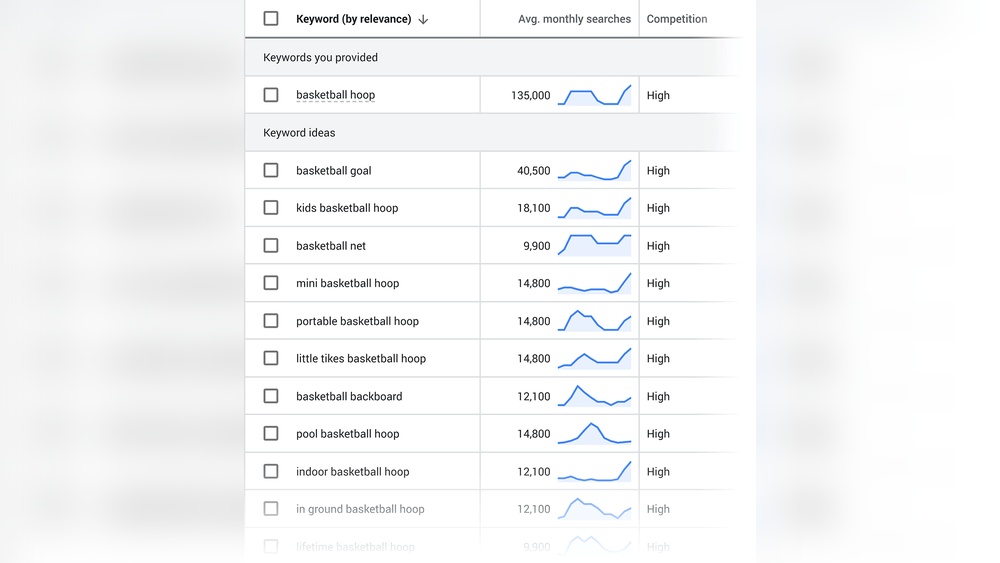
Google Keyword Planner is a free tool from Google Ads. It helps find keywords related to your topic. You can see average monthly searches for each keyword.
The tool also shows competition level and suggested bids for ads. This data helps choose keywords that match your goals. It works best for beginners and small businesses.
Third-party Alternatives
Many other tools provide deeper keyword insights. Tools like Ahrefs, SEMrush, and Ubersuggest offer detailed reports. They show keyword difficulty, search trends, and related terms.
These tools often include site audits and backlink analysis. They cost money but offer more features than free tools. Use them to get a broader view of your niche.
Analyzing Competitor Keywords
Studying competitor keywords reveals what drives their traffic. Tools like SpyFu and SimilarWeb help find these keywords. You can learn which terms your competitors rank for.
This method helps find gaps and new keyword ideas. It also shows how tough the competition is. Use this insight to improve your own keyword strategy.
Finding Hidden Keywords
Finding hidden keywords is key to expanding your website’s reach. These keywords often have lower competition but good search volume. They help attract targeted visitors who are ready to engage. Digging deeper than obvious terms uncovers valuable search phrases. This strategy improves SEO without fighting tough competition.
Using Related Searches
Related searches appear at the bottom of Google’s search results. They show terms similar to your main keyword. These phrases reveal what people also want to find. Including related searches in your content captures more traffic. It broadens your keyword list with natural, user-focused terms.
Exploring Question-based Queries
Many users type questions into Google. Questions often start with who, what, where, when, why, or how. These queries highlight specific problems or interests. Adding answers to these questions in your content boosts relevance. It helps your page rank for long-tail keywords that bring engaged visitors.
Leveraging Trending Topics
Trending topics change fast but offer fresh keyword chances. Use tools to find current popular subjects in your niche. Writing about trends attracts timely searches and social shares. It keeps your content updated and connected to what users want now.

Credit: sinfoniagulfcoast.org
Keyword Metrics To Track
Tracking the right keyword metrics is key for successful SEO. These numbers show how well a keyword might perform. They help decide which keywords to target. Knowing these metrics saves time and effort. It makes your content more effective and easier to find.
Search Volume
Search volume tells how many people search a keyword each month. High search volume means more potential visitors. Low volume can mean less competition but fewer visitors. Check this metric to find keywords that fit your goals. It guides you on how popular a topic is.
Keyword Difficulty
Keyword difficulty measures how hard it is to rank for a keyword. It depends on competition and site authority. Low difficulty keywords are easier to rank for. High difficulty means strong competition and more work. Choose a mix of easy and hard keywords for balance.
Click-through Rate Potential
Click-through rate (CTR) potential shows how many users might click your link. It depends on search intent and snippet quality. Keywords with high CTR potential bring more traffic. Focus on creating appealing titles and descriptions. This increases the chance users will click your page.
Applying Keywords Strategically
Applying keywords strategically helps your website rank better in search engines. It guides your content to meet what users search for. Using the right keywords in the right places makes your pages clear and relevant. This section shows how to use keywords well for better SEO results.
On-page Seo Integration
Place keywords in titles and headings. This helps search engines understand your page topic. Use keywords in the first 100 words of your text. Add them naturally in meta descriptions for better click rates. Include keywords in image alt text to improve image search results. Avoid keyword stuffing; keep it natural and readable.
Content Creation Tips
Write content around your main keywords. Use related words to support the topic. Answer common questions users have about the keyword. Break content into small paragraphs for easy reading. Use bullet points or lists to highlight key ideas. Keep sentences short and clear for better understanding.
Optimizing For Voice Search
Voice search uses natural language and questions. Use conversational phrases and long-tail keywords. Include questions and answers in your content. Focus on local keywords if your business serves a specific area. Speak directly to the user with simple language. This improves chances of appearing in voice search results.
Measuring Seo Impact
Measuring SEO impact is key to knowing if your efforts work. It shows what changes bring more visitors and better rankings. Without tracking results, you might miss chances to improve your website. Data helps decide what to keep and what to change.
This process uses several methods. Tracking rankings, checking traffic, and adjusting plans are part of it. Each step gives clear clues about your SEO success.
Tracking Rankings
Watch your keyword rankings regularly. This shows if your site moves up or down in search results. Higher rankings usually mean more visitors. Use tools to see daily or weekly position changes. This helps find which keywords perform well.
Analyzing Traffic Changes
Check your website traffic after SEO changes. More visitors from search engines mean your SEO works. Look at which pages get the most visitors. Notice any drop or rise in traffic. This tells if content and keywords attract people.
Adjusting Strategy Based On Data
Use ranking and traffic data to update your SEO plan. Stop what does not bring results. Focus on keywords and pages with good traffic. Test new ideas and track their impact. Keep improving based on clear data, not guesses.

Credit: zapier.com
Frequently Asked Questions
What Is A Google Keyword Study?
A Google keyword study analyzes search terms people use on Google. It helps identify popular, relevant keywords for SEO and content strategies. This study improves website visibility and drives targeted traffic by focusing on high-value search queries.
How Do I Conduct A Google Keyword Study?
Start by using tools like Google Keyword Planner or SEMrush. Identify keywords related to your niche. Analyze search volume, competition, and user intent. Select keywords that balance high traffic and low competition for better ranking.
Why Is Google Keyword Study Important For Seo?
Keyword study helps target the right audience by understanding their search behavior. It boosts organic traffic and improves content relevance. Effective keyword research increases your chances of ranking higher in Google search results.
How Often Should I Update My Keyword Study?
Update your keyword study every 3 to 6 months. Search trends and user behavior change over time. Regular updates keep your SEO strategy relevant and competitive in evolving market conditions.
Conclusion
Studying Google keywords helps you find what people search most. It guides your content to match real user needs. Using the right keywords increases website visits and boosts your online presence. Keep checking keyword trends to stay updated. Simple steps like these improve your SEO over time.
Focus on clear, helpful content that fits your audience. This approach brings steady growth and better results.