Wondering how much Google Ads will cost you? You’re not alone.
If you want to grow your business online, understanding the real price behind Google Ads is key. But here’s the catch—Google Ads doesn’t have a simple fixed cost. The amount you pay can change based on your goals, industry, and how you set up your campaign.
You’ll discover exactly what affects your Google Ads cost and how to control it so you get the best results without breaking the bank. Keep reading to unlock the secrets that could save you money and boost your success.
Credit: www.dropcowboy.com
Google Ads Pricing Models
Google Ads offers different pricing models for advertisers. Each model charges you based on how people interact with your ads. Understanding these models helps you control your budget and get the best results. Choose the right model for your campaign goals.
Cost-per-click (cpc)
CPC means you pay only when someone clicks your ad. This model is popular for driving traffic to websites. You set a maximum bid for each click. Google Ads uses an auction system to decide whose ad shows. CPC helps you pay for real visits, not just views.
Cost-per-thousand Impressions (cpm)
CPM charges you for every 1,000 times your ad appears. This model works well for brand awareness campaigns. It focuses on how many people see your ad, not how many click. Advertisers pay even if users don’t click. CPM is useful for reaching many people fast.
Cost-per-acquisition (cpa)
CPA charges you when someone completes a specific action. Actions can be purchases, sign-ups, or downloads. This model fits advertisers focused on conversions. You set a target cost for each acquisition. Google optimizes your ads to get results within that cost.
Factors Influencing Google Ads Costs
Google Ads costs vary widely. Many factors affect the final price you pay. Understanding these factors helps you plan your budget better. Each element plays a role in how much you spend per click or impression. Let’s explore the key factors that influence Google Ads costs.
Keyword Competition
Keywords are the words people type into Google. Some keywords are very popular and many advertisers want them. High competition keywords cost more because many businesses bid on them. Low competition keywords cost less but get fewer clicks. Choosing the right keywords can save money and get better results.
Quality Score Impact
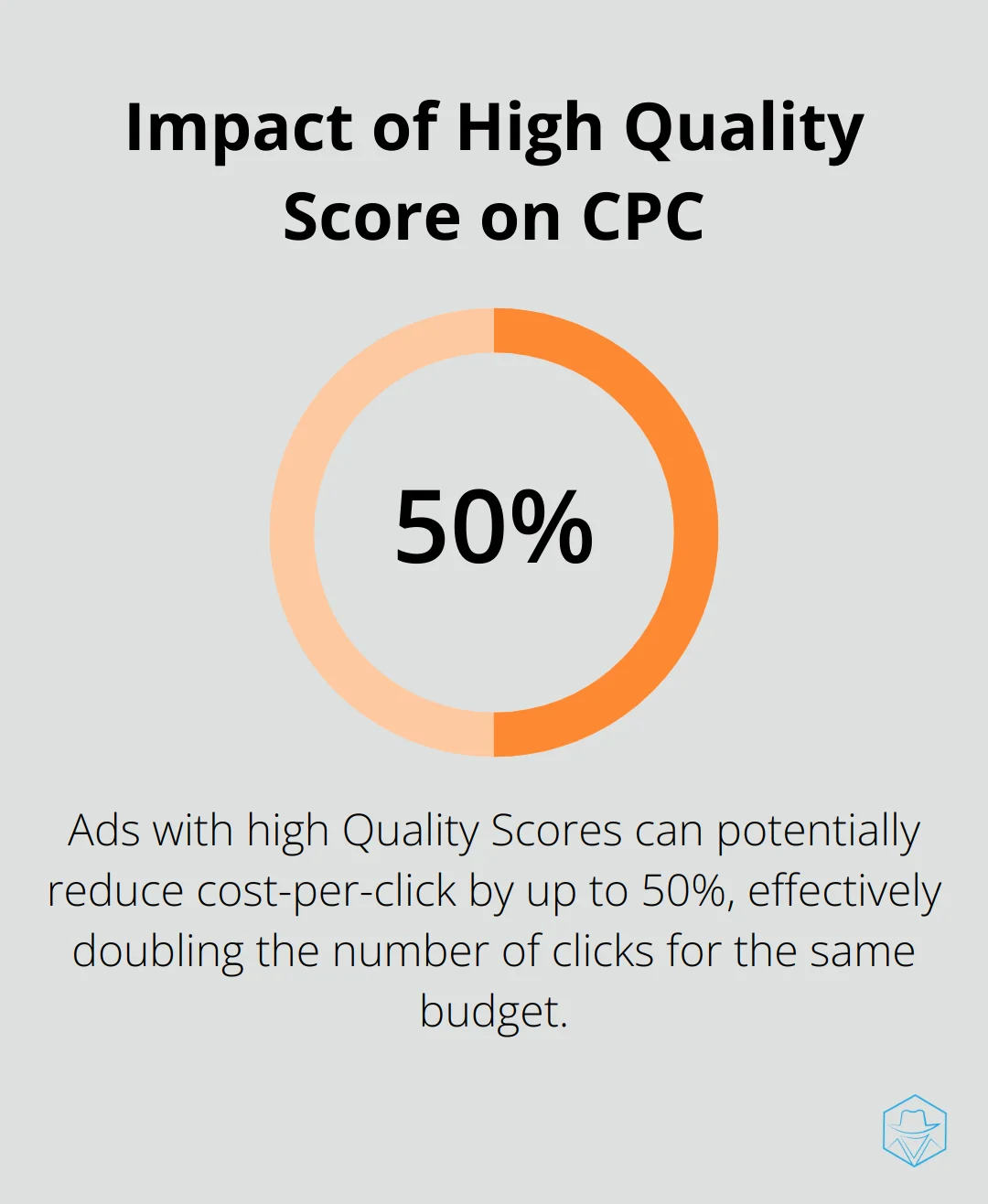
Google gives each ad a Quality Score. This score depends on ad relevance, landing page quality, and click rates. Higher Quality Scores lower your cost per click. Google rewards well-made ads by charging less. Poor Quality Scores increase costs and reduce ad visibility.
Geographic Targeting
Where your ads show affects costs. Ads in big cities or wealthy areas usually cost more. Small towns or rural areas often have lower costs. Targeting specific locations helps control spending. You pay only for clicks from places you want.
Ad Scheduling
Ads can run all day or only at certain times. Showing ads during busy hours costs more. Running ads at off-peak times can lower costs. Scheduling ads for the best times improves your budget use. It ensures your ads reach people when they are ready to act.
Setting A Smart Google Ads Budget
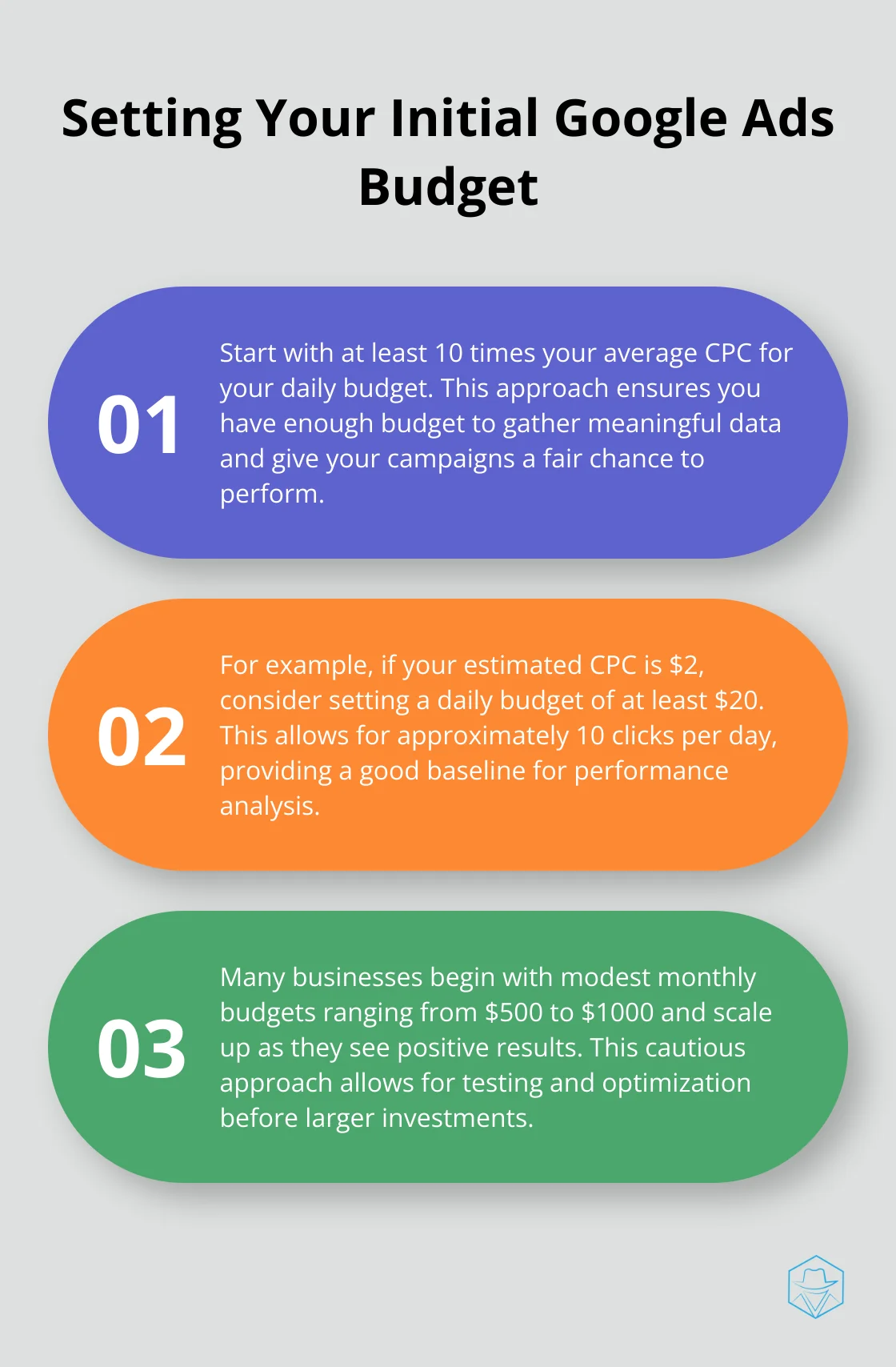
Setting a smart Google Ads budget is key to running effective campaigns. It helps control costs and improve results. A clear plan guides how much you spend daily or monthly. Spending too little may limit your ads’ reach. Spending too much can waste money. Careful budgeting keeps your ads working well without overspending.
Start with clear goals and adjust your budget as you learn what works best. Understanding how to divide your budget and bid on keywords will make your campaign stronger.
Determining Campaign Goals
First, decide what you want from your ads. Do you want more website visits? Or more sales? Setting clear goals helps choose the right budget. Goals affect how much you should spend. A small goal needs a smaller budget. Big goals need more budget to reach more people.
Allocating Daily Vs. Monthly Budgets
Choose between daily and monthly budgets based on your needs. Daily budgets limit spending each day. This keeps costs steady and predictable. Monthly budgets give more flexibility across days. You can spend more on busy days and less on slow days. Pick the budget type that fits your business rhythm.
Adjusting Bids Strategically
Bids control how much you pay for clicks or impressions. Increase bids on important keywords for better visibility. Lower bids on less important ones to save money. Monitor performance and change bids based on results. Smart bidding helps get the best value from your budget.
Tips To Lower Google Ads Expenses
Lowering Google Ads expenses helps stretch your budget further. You get more clicks without paying too much. Smart strategies improve ad performance and reduce costs. These tips focus on making your ads work better.
Small changes can save money and bring better results. Focus on ad quality, keywords, and your landing page. These areas affect how much you pay for clicks.
Improving Ad Quality
Google rewards ads with higher quality scores. Better ads cost less per click. Write clear, relevant ad text. Match your ads to what users search for. Use strong headlines and clear calls to action. Test different versions to see what works best.
Using Negative Keywords
Negative keywords stop your ads from showing on wrong searches. This saves money by avoiding clicks from uninterested users. Add words that do not match your offer. Check search terms reports to find bad keywords. Keep updating your negative keyword list regularly.
Optimizing Landing Pages
Good landing pages keep visitors interested. Fast-loading pages improve user experience. Make sure your page matches the ad’s message. Clear layout and simple design help visitors act faster. Test different page versions to improve conversion rates. Better pages lower your cost per conversion.
Measuring Roi On Google Ads
Measuring ROI on Google Ads is key to understanding your campaign success. It shows if your ads bring real value. Tracking how much you spend versus the returns helps you spend smartly. Knowing what works lets you improve your ads and avoid waste. Focus on clear data to make wise decisions for your budget.
Tracking Conversions
Conversions are actions users take after clicking your ad. These include purchases, sign-ups, or calls. Set up conversion tracking in Google Ads to see these actions. It tells you which ads lead to real results. This data helps you find the best performing ads and keywords.
Analyzing Cost Per Conversion
Cost per conversion shows how much each action costs you. Divide your total ad spend by the number of conversions. A low cost per conversion means you spend less for each sale or lead. This metric helps judge if your ads are worth the investment. Keep an eye on this number to control costs.
Adjusting Campaigns Based On Data
Use data from conversion tracking and cost analysis to change your campaigns. Pause ads that do not bring conversions. Increase budget on ads with low cost per conversion. Test different keywords and ad copy for better results. Constant changes keep your campaign effective and efficient.
Credit: www.dropcowboy.com
Common Budgeting Mistakes To Avoid
Setting a budget for Google Ads can be tricky. Many advertisers make common mistakes that waste money and lower results. Avoiding these errors helps your budget stretch further and your ads perform better.
Understanding where budgets often go wrong is key. Below are some common budgeting mistakes to avoid in Google Ads campaigns.
Ignoring Seasonal Trends
Seasonal changes affect how people search and buy. Ignoring these trends can waste money during low-demand times. Adjust your budget to match busy seasons. Spend more when demand is high and less when it drops. This strategy keeps your ads efficient and cost-effective.
Overbidding On Low-performing Keywords
Not all keywords bring good results. Some cost more but deliver few clicks or sales. Spending too much on these keywords drains your budget fast. Focus your money on keywords that show strong performance. Stop bidding high on poor keywords and watch your campaign improve.
Neglecting Campaign Monitoring
Google Ads needs regular attention. Letting campaigns run without checks wastes budget. Monitor your ads daily or weekly to spot issues early. Pause underperforming ads and adjust bids as needed. Active management saves money and boosts results.
Credit: www.dropcowboy.com
Frequently Asked Questions
How Is Google Ads Pricing Determined?
Google Ads pricing depends on factors like bid amount, competition, and ad quality. You pay per click or impression. Costs vary by industry and keywords, making budgeting flexible and scalable for different business sizes.
What Is The Average Cost Per Click On Google Ads?
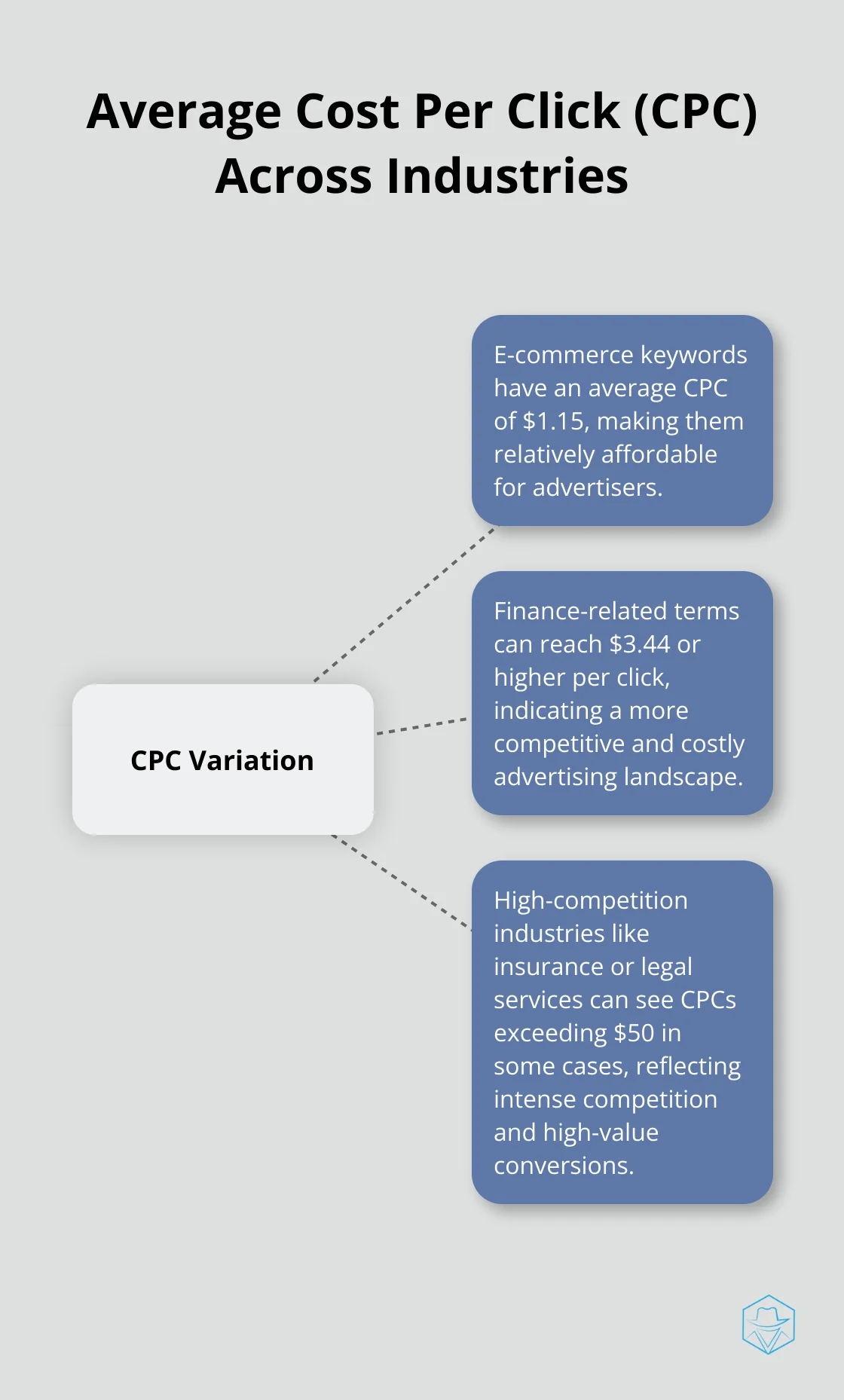
The average cost per click (CPC) on Google Ads ranges from $1 to $2. However, competitive industries may see CPCs above $50. Your actual CPC depends on keyword competitiveness, ad relevance, and quality score.
Can I Control My Google Ads Budget?
Yes, you can set daily and monthly budgets in Google Ads. This control helps avoid overspending. You can pause or adjust campaigns anytime, ensuring your ads run within your financial limits.
Are There Hidden Fees In Google Ads?
No, Google Ads does not charge hidden fees. You pay only for clicks or impressions based on your campaign settings. Always review billing details to ensure transparency and avoid surprises.
Conclusion
Google Ads costs depend on your budget and goals. You pay only when someone clicks your ad. Setting a daily budget helps control spending. Different industries and keywords affect the price. Start small, then adjust based on results. Track your campaigns to see what works best.
Ads with good quality get better prices. Planning well saves money and brings more visitors to your Google Ads-kampanj. Now you know what influences Google Ads costs. Use this to make smart advertising choices.
Behöver du hjälp att optimera dina Google Ads? Kontakta Hive Creatives för kostnadsfri rådgivning.