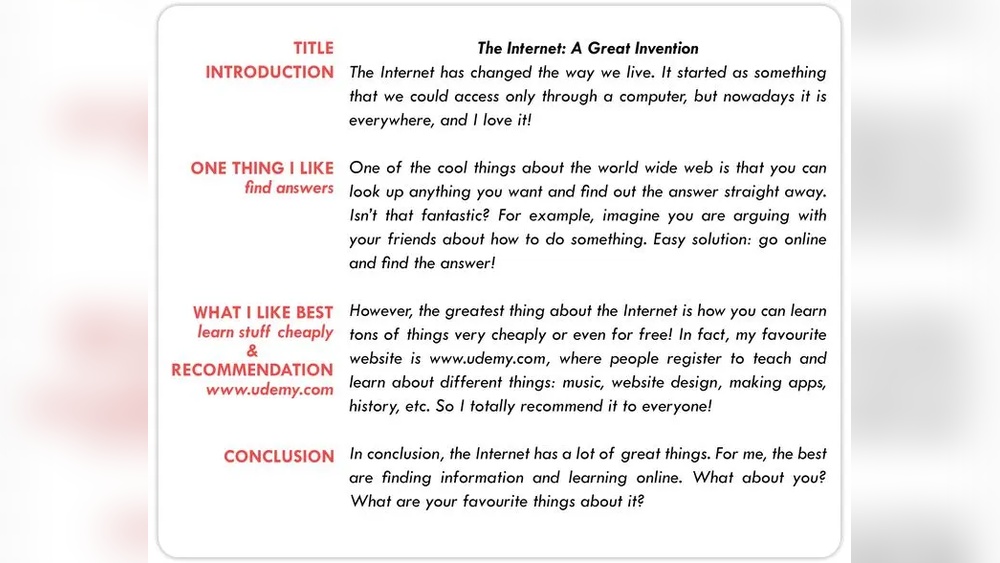
Writing an article might seem tricky at first, but it doesn’t have to be. You have ideas to share, and getting them down clearly can make a big difference.
Imagine your readers understanding exactly what you mean, feeling connected to your message, and wanting to read more. This article will guide you step-by-step on how to write an article that grabs attention and keeps your readers hooked. By the end, you’ll feel confident turning your thoughts into words that truly matter.
Ready to start? Let’s dive in.
Choosing A Topic
Choosing a topic is the first step in writing a strong article. A good topic grabs attention and keeps readers interested. It also guides your research and writing process. Pick a topic that fits your knowledge and your readers’ needs. This helps you write clearly and with confidence.
Finding Your Niche
Focus on a subject you know well or want to learn more about. A niche is a small, specific area in a larger field. Writing about a niche helps you stand out from many general articles. It makes your content more useful to readers who want detailed information.
Researching Trending Subjects
Check what topics are popular now. Use tools like Google Trends or social media to see what people talk about. Trending subjects attract more readers because they are fresh and relevant. Write about trends that fit your niche and interest you.
Evaluating Audience Interest
Think about who will read your article. What questions do they have? What problems do they need to solve? Choose topics that answer these questions or solve these problems. Articles that match audience interest get more views and shares.
Planning Your Article
Planning your article is the first step to writing clearly and effectively. It helps you stay focused and makes your writing easier. Good planning saves time and avoids confusion.
Start by organizing your ideas and deciding what you want to say. Think about your readers and what they need to know. A clear plan guides your writing from start to finish.
Creating An Outline
Make a simple outline before you write. Write down the main topic and list the points you want to cover. This keeps your article on track. An outline acts like a map for your ideas.
Use bullet points or numbers to arrange your thoughts. Break big topics into smaller parts. This makes your article easier to follow and understand.
Setting Clear Objectives
Decide what you want your article to achieve. Do you want to inform, explain, or persuade? Clear objectives help you write with purpose. They keep your article focused on one goal.
Write down your main objective in one sentence. Use this sentence to check your work as you write. It helps you avoid going off-topic.
Organizing Key Points
Group similar ideas together in your outline. Put the most important points first. Arrange points in a logical order that makes sense to readers.
Use short sentences and simple words to explain each point. This helps readers understand your message quickly. Good organization improves the flow of your article.
Writing Compelling Headlines
Writing compelling headlines is key to grabbing readers’ attention. A strong headline makes people want to read the article. It sets the tone and gives a clear idea of the content. Crafting a good headline is both an art and a skill. It must be clear, interesting, and relevant to your topic.
Using Power Words
Power words evoke emotion and curiosity. Words like ”easy,” ”best,” and ”proven” catch the eye. They make readers feel the article offers real value. Using power words helps headlines stand out in search results and social media feeds. Choose words that match your article’s tone and audience.
Keeping It Concise
Short headlines are easier to read and remember. Aim for fewer than ten words. Concise headlines deliver the message quickly. Long headlines may lose readers’ interest. Use simple phrases that clearly explain the article’s benefit or topic. Clear and brief works best.
Incorporating Keywords
Including keywords improves search engine visibility. Use words your audience is likely to type in search. Place keywords near the beginning of the headline. This helps search engines and readers understand the article’s topic fast. Avoid keyword stuffing. Keep it natural and relevant.
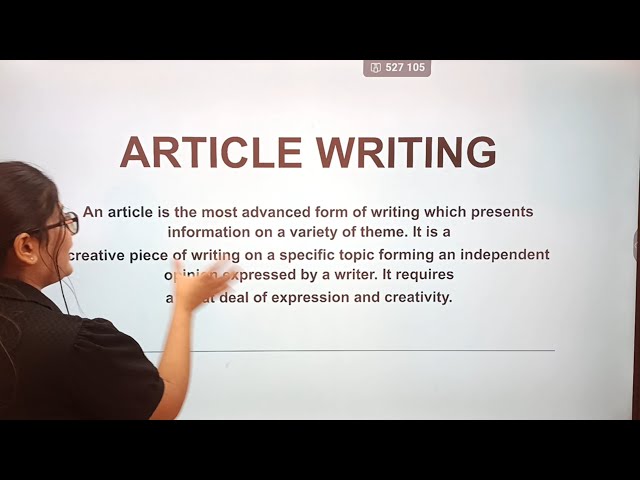
Credit: www.youtube.com
Crafting Engaging Introductions
Crafting an engaging introduction is key to a great article. It draws readers in and makes them want to read more. A strong introduction sets the stage and gives a clear idea of what the article is about. Writing it well helps keep readers focused and interested from the start.
Hooking The Reader
Begin with a sentence that grabs attention. Use a question, a fact, or a short story. Make readers curious or surprised. This makes them want to continue reading. The hook should be simple and clear.
Presenting The Main Idea
After the hook, state the main point clearly. Tell readers what the article will explain or solve. Keep it short and direct. This helps readers understand the purpose right away. Avoid too much detail here.
Setting The Tone
The introduction sets the mood for the whole article. Choose words that match the topic and audience. Be friendly and easy to read. The tone should invite readers to stay and learn more. Keep it consistent throughout the article.
Developing The Body
The body of an article is where the main ideas come alive. It holds all important details and supports the topic clearly. Developing the body well helps readers understand your message easily. Focus on clear points and good structure.
Expanding On Key Points
Start by breaking down your main points. Explain each idea in simple words. Give enough detail to make your point strong. Avoid adding extra information that confuses readers. Keep your sentences short and focused. This helps readers follow your thoughts smoothly.
Using Examples And Evidence
Examples make your writing clear and real. Use facts, stories, or numbers to support your points. This builds trust and interest. Show how your idea works in real life. Keep examples simple and easy to understand. Evidence makes your article more convincing.
Maintaining Flow And Clarity
Good flow means your ideas move naturally from one to another. Use simple transitions like ”first,” ”next,” or ”last.” Write short sentences to keep clarity. Avoid big words or complex phrases. Read your work aloud to check how it sounds. Clear writing helps readers stay engaged.
Writing Effective Conclusions
Writing effective conclusions is key to finishing your article well. A strong ending helps readers remember your message and feel satisfied. It wraps up your ideas clearly and gives a sense of closure. Good conclusions also guide readers on what to do next. This part of your article needs focus and care. Let’s explore how to write conclusions that work.
Summarizing Main Ideas
Briefly restate the key points of your article. Use simple words to remind readers what they learned. Avoid repeating sentences word-for-word from the introduction. Instead, show how your ideas connect. This helps readers understand the main message clearly. Keep it short and to the point.
Including A Call To Action
Encourage readers to take a step after reading. Ask them to try something new or think about what you said. A call to action can be asking for comments, sharing the article, or applying the advice. It makes your conclusion active and engaging. This invites readers to interact with your content.
Leaving A Lasting Impression
End with a thought that stays in readers’ minds. Use a question, a surprising fact, or a strong statement. This makes your article memorable and powerful. A lasting impression helps your message stick long after reading. Keep it clear and relevant to your topic.
Editing And Proofreading
Editing and proofreading are key steps in writing a clear article. They help fix mistakes and make your writing easy to read. Spend time on these steps to improve your article’s quality.
Editing focuses on improving your writing style and clarity. Proofreading finds small errors like typos or grammar mistakes. Both make your article look professional and trustworthy.
Checking Grammar And Spelling
Start by reading your article slowly. Look for grammar mistakes such as wrong verb tense or missing articles. Use simple grammar rules to guide your check. Spell-check tools help, but do not rely only on them. Some words sound right but are spelled wrong. Fix these errors to avoid confusing readers.
Improving Sentence Structure
Make sentences short and clear. Avoid long, complex sentences that confuse readers. Break long sentences into two or three smaller ones. Use active voice to make sentences stronger. Check that each sentence has a subject and a verb. This keeps your writing easy to follow.
Ensuring Consistency
Check that your writing style stays the same throughout. Use the same tone and word choices. Make sure names, dates, and facts match in every part. Consistent formatting helps readers trust your content. Fix any differences in spelling, punctuation, or capitalization.

Credit: www.amazon.com
Optimizing For Seo
Optimizing for SEO helps your article reach more readers. It makes your content easier to find on search engines. Simple changes can boost your article’s visibility. Focus on keywords, readability, and meta descriptions to improve SEO.
Using Relevant Keywords
Choose keywords that match your topic well. Use words people type when searching. Place keywords naturally in titles, headings, and text. Avoid stuffing keywords. This keeps your writing clear and friendly.
Enhancing Readability
Write short sentences. Use simple words. Break content into small paragraphs. Use bullet points or lists to organize ideas. Clear writing keeps readers interested and reduces bounce rates.
Adding Meta Descriptions
Write a brief summary of your article. Keep it under 160 characters. Include main keywords. Meta descriptions help search engines show your article clearly. They also attract readers to click on your link.
Formatting And Visuals
Good formatting and visuals make articles easier to read. They help guide readers through your content. Clear structure keeps people interested and improves understanding.
Well-organized articles also perform better in search engines. Search engines prefer content that is easy to scan. Proper formatting helps highlight key points and important ideas.
Using Headings And Subheadings
Headings break your article into sections. They show the main topics and ideas clearly. Subheadings divide these sections further into smaller parts.
Use headings to make content easier to follow. They help readers find information fast. Search engines also use headings to understand your article better.
Incorporating Images And Graphics
Images catch the eye and explain ideas quickly. Graphics like charts and diagrams make complex points simple. They add interest and keep readers engaged longer.
Use relevant images that match your topic. Make sure images are clear and load fast. Always add alt text to describe the picture for SEO and accessibility.
Applying Bullet Points And Lists
Bullet points and lists organize information clearly. They break down details into easy-to-read chunks. Lists help readers remember facts and steps better.
Use short sentences in lists. Keep each point focused on one idea. This format improves readability and keeps the article neat.
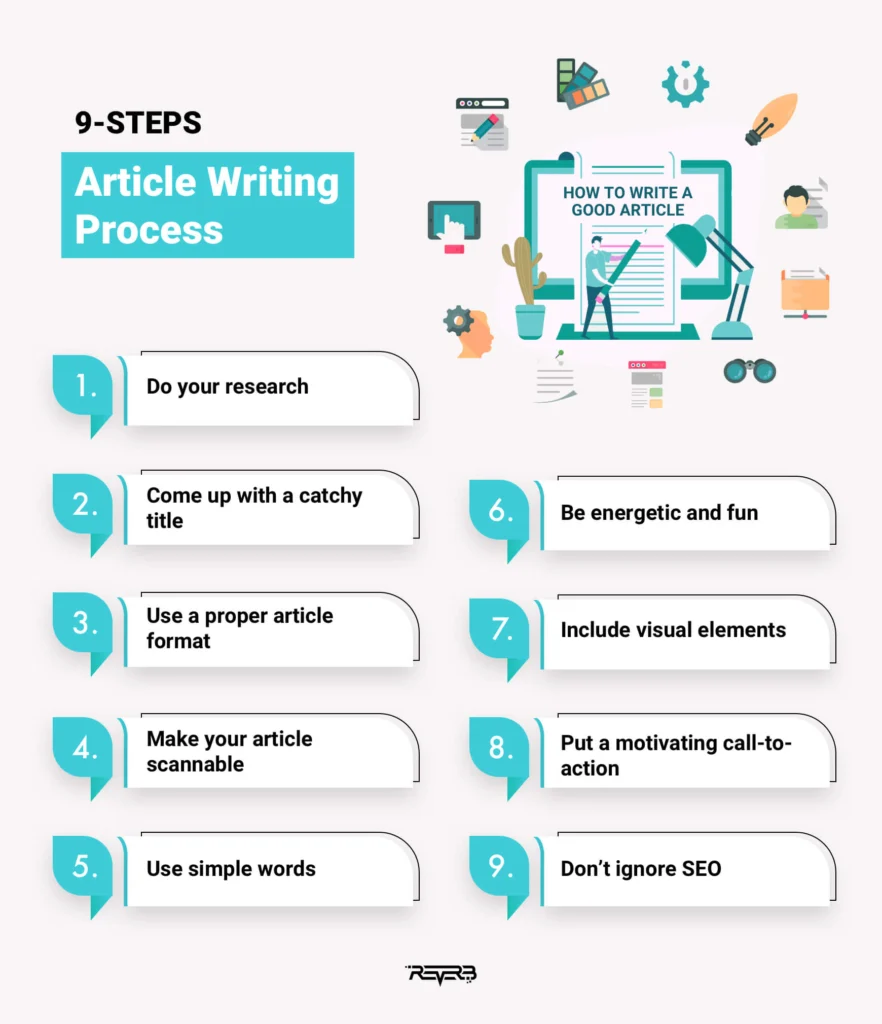
Credit: dexitobranding.com
Publishing And Promotion
Publishing and promoting your article is key to getting readers. A well-written article needs the right platform and good sharing to reach people. Promotion helps your work get noticed and builds a loyal audience.
Choosing The Right Platform
Select a platform that fits your article’s topic and style. Blogs, websites, or online magazines work well for different subjects. Some platforms have built-in readers interested in your niche. This increases your chance of being seen. Check the platform’s rules and audience before publishing.
Sharing On Social Media
Share your article on social media to reach more people. Use simple, clear messages to explain your article’s value. Post at times when your audience is active. Encourage friends and followers to share your content. Keep posts short and direct for better engagement.
Engaging With Readers
Talk with your readers after publishing. Reply to comments and questions to build trust. Ask readers what they think or want to read next. This creates a sense of community. Engaged readers are more likely to return and share your work.
Frequently Asked Questions
What Are The First Steps To Write An Article?
Start by choosing a clear topic and researching it thoroughly. Create an outline to organize your ideas logically. This helps maintain focus and structure throughout your article, making it easier to write and more engaging for readers.
How Do I Write A Compelling Article Introduction?
Begin with a hook that grabs attention, like a question or fact. Then, briefly introduce your topic and state the article’s purpose. A strong introduction sets the tone and encourages readers to continue.
What Is The Best Way To Structure An Article?
Use a clear introduction, body, and conclusion. Divide the body into sections with headings. This improves readability and helps readers quickly find information they need.
How Can I Make My Article Seo Friendly?
Include relevant keywords naturally in the title, headings, and text. Use short paragraphs and bullet points. Optimize meta descriptions and use internal links to boost search rankings.
Conclusion
Writing an article takes clear steps and simple planning. Start with a good topic and know your readers. Use short sentences and easy words. Organize ideas in a clear order. Don’t forget to check spelling and grammar. Practice often to improve your skills.
Writing becomes easier with time and effort. Keep your focus on sharing helpful information. This way, your articles will be useful and interesting. Keep writing and enjoy the process.