Are you wondering which smartphone truly rules the market—iPhone or Android? You’re not alone.
Every day, millions of people just like you face this choice. What if you could see the numbers behind the battle? The facts, the trends, and the surprising statistics that reveal who’s winning and why it matters to your next phone decision.
Keep reading to uncover eye-opening insights that will help you pick the device that fits your lifestyle perfectly. Your next smartphone might just depend on what you learn here.

Credit: www.demandsage.com
Market Share Comparison
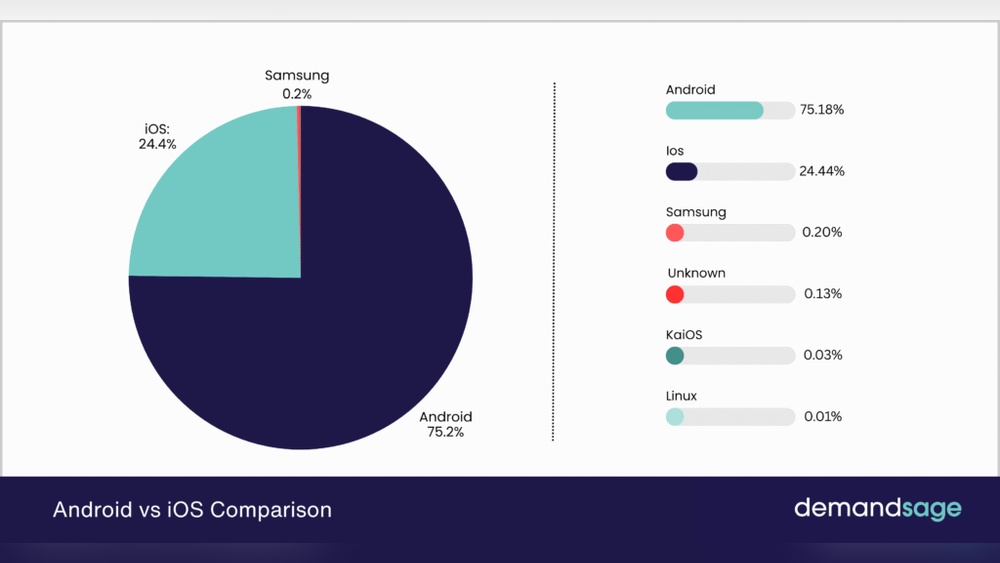
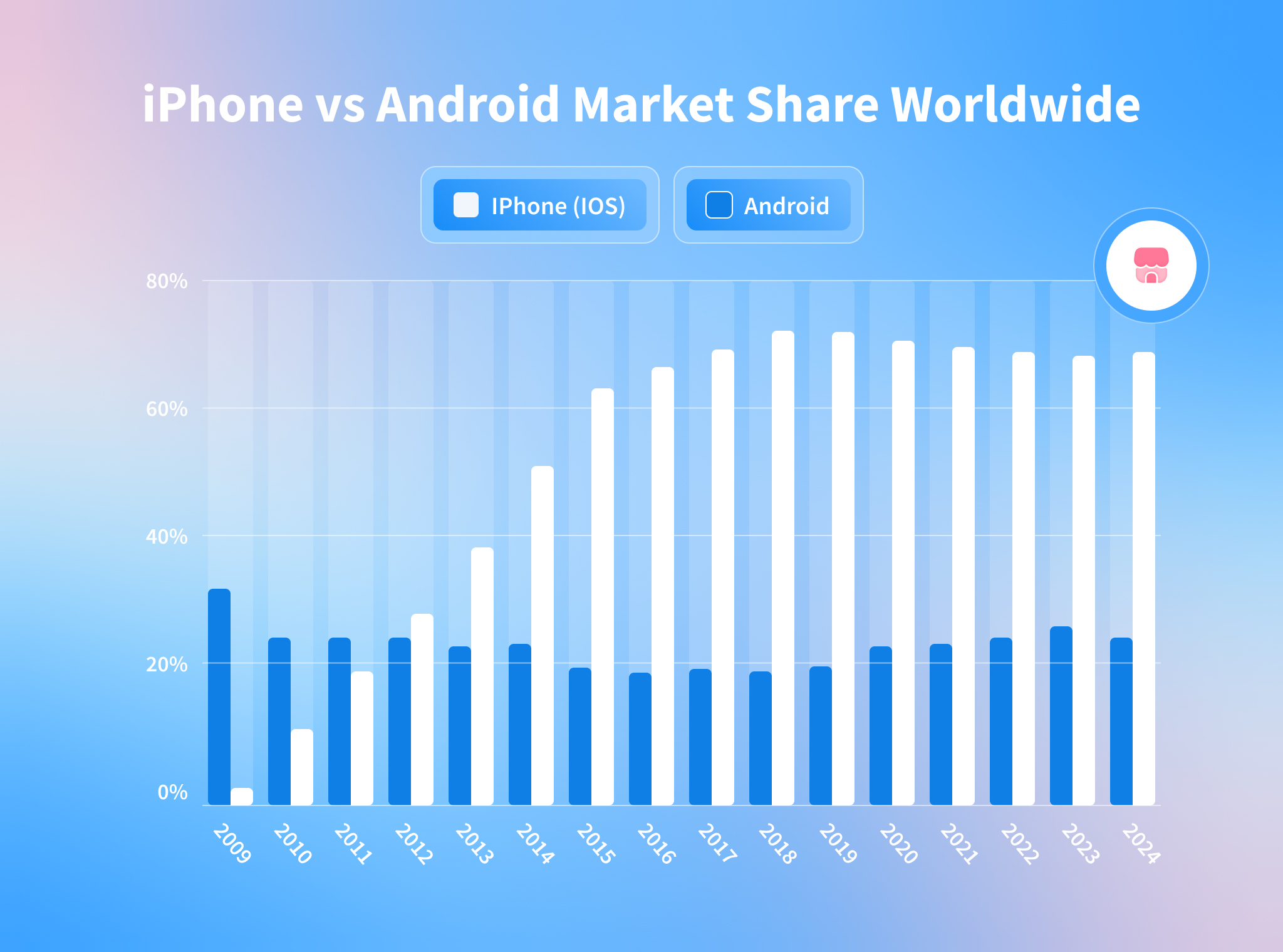
The battle between iPhone and Android is clear in market share numbers. These figures show which platform sells more and where each one stands globally. Understanding these stats helps see which phone people prefer.
Global Sales Trends
Android leads in global smartphone sales by a wide margin. It holds about 70% of the market share worldwide. iPhone sales make up roughly 25% of the global market. Android’s variety of brands and prices attract many users. Apple’s consistent design and updates keep loyal buyers. Sales grow steadily for both but Android stays on top.
Regional Dominance Patterns
In the United States, iPhone holds a stronger position. It captures nearly half of the market there. Europe shows a mix, with Android slightly leading. Asia favors Android due to many budget-friendly options. Emerging markets also prefer Android phones for affordability. iPhone dominates in regions with higher income levels. Different regions show clear preferences based on price and brand.
User Demographics
User demographics reveal who prefers iPhone or Android phones. These details help us understand the users better. Age, income, and gender often influence the choice between these two platforms. Different groups tend to favor one over the other. This section breaks down key demographic data.
Age And Income Profiles
iPhone users are often younger adults, especially those aged 18 to 34. Many are students or early career professionals. Android users cover a wider age range, including many middle-aged and older adults. Income also plays a role. iPhone buyers tend to have higher incomes. They often earn above the national average. Android users come from varied income levels. Many choose Android for its affordability and variety of options.
Preferences By Gender
Gender influences phone choice as well. More women tend to use iPhones than Android phones. Men show a slight preference for Android devices. This may relate to brand loyalty or phone features. Both platforms work well for all genders. Preferences often depend on personal taste and lifestyle.
Performance Metrics
Performance metrics show how well a phone works in daily use. They include speed, responsiveness, and battery life. These factors affect user satisfaction the most. Comparing iPhone and Android on these points gives clear insights.
Speed And Responsiveness
iPhones use a custom chip designed for smooth performance. This makes apps open quickly and run without lag. Android phones vary by brand and model. Some have fast processors, while others may slow down with heavy use. iPhones often keep steady speed over time. Android phones sometimes slow after many apps run in the background.
Touch response is sharp on both platforms. iPhones tend to have slight edge in fluid animations. Android devices offer more customization but may lose speed if overloaded. Overall, iPhones show strong and consistent speed. Android phones can match this but depend on hardware quality.
Battery Life Statistics
Battery life varies widely among Android models. Some phones have large batteries lasting over a day. Others may need charging before night. iPhones have smaller batteries but optimize power use well. This often results in all-day battery life under normal use.
Android phones allow more control over battery settings. Users can limit background apps to save power. iPhones use software to manage energy without much user effort. In tests, top Android models sometimes outlast iPhones. Mid-range Android phones often lag behind in battery duration.
Credit: nix-united.com
App Ecosystem
The app ecosystem plays a big role in choosing between iPhone and Android. It includes all the apps available, their quality, and how they earn money. This ecosystem affects user experience and developer interest. Both platforms offer millions of apps but differ in several ways.
App Availability And Quality
Android has a larger number of apps due to its open platform. It allows more developers to publish freely. iPhone apps often have stricter rules before release. This means higher quality and better security for iPhone users.
Some apps appear first or only on iPhone. This happens because developers target iPhone users first. Android apps may vary more in quality. Users may find more free apps on Android.
Revenue Generation Differences
iPhone users spend more money on apps and in-app purchases. This makes iOS attractive for app makers. Android has more users worldwide but earns less per user. Developers often earn better income from iPhone apps.
App stores take a percentage of sales. Both Apple and Google charge around 15-30%. iPhone apps tend to generate more revenue despite fewer users. This influences which apps get more attention.
Security And Privacy
Security and privacy are key concerns for smartphone users today. Both iPhone and Android devices offer features to protect user data. Yet, their approach to security differs. These differences affect how safe users feel and how often vulnerabilities occur.
Vulnerability Rates
Android faces more security threats than iPhone. This happens because Android is open-source and used on many devices. Hackers find more chances to exploit weaknesses. iPhone has a closed system, which limits risks. Apple controls both hardware and software tightly. This control reduces the number of vulnerabilities found each year.
User Trust Levels
People trust iPhone more with their personal data. Surveys show iPhone users feel safer using apps and services. Android users worry more about data leaks and malware. Trust affects how users choose apps and share information. iPhone’s strong privacy rules build higher confidence among users.
Customer Satisfaction
Customer satisfaction plays a big role in choosing a smartphone. It shows how happy users are with their devices. Both iPhone and Android phones have millions of users. Each group has unique likes and dislikes. Understanding these can help you pick the right phone.
Let’s explore some key facts about customer satisfaction in the iPhone vs Android debate.
Loyalty And Retention Rates
iPhone users show very high loyalty. About 90% of them stick to Apple for their next phone. This is one of the highest rates in the tech world. Android users also have strong loyalty but slightly less. Around 80% remain with Android brands. The wide variety of Android phones affects this. Loyalty depends on brand, price, and features.
Common Complaints
iPhone users often mention the high price as a main issue. Some find the system too closed or limiting. Battery life is another complaint for some. Android users report different problems. Many mention inconsistent software updates. Some find the phone slower over time. App compatibility can also be a concern. Both sides have positives and negatives.
Pricing And Affordability
Pricing and affordability play a big role in choosing between iPhone and Android devices. Many people want a phone that fits their budget without losing key features. Both platforms offer a wide range of prices and options. This section looks at average costs and how much value you get for your money.
Average Device Costs
iPhones usually cost more upfront. The latest models often start above $700. Older iPhones can be cheaper but still cost several hundred dollars. Android phones vary more in price. You can find budget options under $200. Flagship Android devices also reach $1,000 or more. This wide range means Android suits many budgets better.
Value For Money Analysis
iPhones hold their value well over time. They get software updates for many years. This adds to their long-term worth. Android phones may lose value faster. Some brands offer great features at lower prices. But cheaper models might lack software support later. Choosing depends on what features matter most and how long you keep your phone.

Credit: gs.statcounter.com
Innovation And Updates
Innovation and updates shape the user experience on smartphones. Apple and Android take different approaches to these. These differences affect how users enjoy new technology and security.
Frequency Of Software Updates
Apple releases software updates regularly and supports older devices for many years. Users get updates at the same time. Android updates depend on the device maker and carrier. Some phones get updates quickly, others take months. This creates gaps in security and features across Android devices.
Introduction Of New Features
Apple introduces new features with each major iOS update. These features often focus on privacy, design, and ease of use. Android offers a wide range of features due to many manufacturers. Some Android phones add unique functions before others. This variety allows users to choose phones with features they want.
Frequently Asked Questions
What Is The Market Share Of Iphone Vs Android?
Android holds around 72% of the global market share. IPhone accounts for about 27%. This varies by region and year.
Which Platform Has Higher User Satisfaction Rates?
IPhone users generally report higher satisfaction. Android satisfaction varies by device brand and model but is improving steadily.
How Do App Downloads Compare On Iphone And Android?
Android users download more apps overall. However, iPhone users spend more on apps and in-app purchases.
What Are The Security Differences Between Iphone And Android?
IPhones offer more controlled app security. Android’s open system is flexible but may face more vulnerabilities.
Conclusion
Choosing between iPhone and Android depends on your needs and preferences. Both platforms have strong features and large user bases. Android offers variety and customization options. IPhone provides smooth performance and security. Each system has loyal fans and unique benefits.
Think about what matters most to you. Your choice shapes your daily phone experience. The stats help understand trends but don’t decide for you. Explore both to find the best fit – just as you should explore the right digital strategy. Smartphones serve you, not the other way around.
Vill du nå ut till mobila användare? Kontakta Hive Creatives för digital marknadsföring anpassad till alla enheter.