If you want your website or business to get noticed online, mastering keyword research is a must. It’s the secret tool that helps you understand exactly what your audience is searching for.
When you know the right keywords, you can create content that speaks directly to your customers’ needs and grabs their attention. Imagine turning your website into a magnet that pulls in the right visitors, eager to engage with what you offer.
Ready to discover how keyword research can transform your online presence and boost your success? Keep reading, because this guide will give you clear, simple steps to make it happen.
Importance Of Keyword Research
Keyword research is the foundation of successful SEO. It guides content creation and marketing strategies. Without proper keyword research, websites miss valuable traffic and sales opportunities.
Understanding what users type in search engines helps target the right audience. It also reveals user intent and popular topics. This knowledge makes content more relevant and appealing.
What Keyword Research Reveals About Your Audience
Keyword research shows what your audience wants and needs. It highlights common questions and problems. This allows you to create helpful content that answers those queries.
How Keyword Research Improves Website Ranking
Search engines rank pages based on relevance to search terms. Using the right keywords helps search engines understand your content. This increases your chances of appearing higher in search results.
Saving Time And Resources With Keyword Research
Keyword research helps focus efforts on topics that matter. It prevents wasting time on irrelevant or low-traffic keywords. This makes marketing efforts more efficient and productive.
Credit: backlinko.com
Types Of Keywords
Keywords are the foundation of SEO. They guide users to your website through search engines. Knowing the types of keywords helps you choose the best ones for your content. Different keywords serve different purposes and attract different audiences.
Short-tail Keywords
Short-tail keywords are brief, usually one or two words. They have high search volume but also high competition. Examples include ”shoes” or ”coffee.” These keywords attract broad traffic but may not convert well. They work well for brand awareness and general topics.
Long-tail Keywords
Long-tail keywords are longer and more specific phrases. For example, ”best running shoes for flat feet.” They have lower search volume but higher conversion rates. These keywords attract targeted visitors who know what they want. They are easier to rank for and improve your chances of sales.
Lsi Keywords
LSI (Latent Semantic Indexing) keywords are related terms and phrases. They help search engines understand your content better. For example, for ”apple,” LSI keywords might be ”fruit,” ”orchard,” or ”pie.” Using LSI keywords makes your content more relevant and natural to read.
Tools For Keyword Research
Keyword research tools help find the best words to use on your website. These tools show what people type in search engines. They help you choose keywords that bring more visitors. Using the right tool saves time and improves your SEO results.
Google Keyword Planner
Google Keyword Planner is free and easy to use. It shows keyword ideas and search volume data. You can see competition levels for each keyword. This tool works well for beginners and small businesses. It connects with Google Ads for extra insights.
Semrush
SEMrush offers detailed keyword analysis and competitor data. It suggests keywords based on your niche and goals. The tool tracks keyword rankings over time. It also finds related keywords to expand your reach. SEMrush suits users who want deep research options.
Ahrefs
Ahrefs provides a large database of keywords and backlinks. It shows keyword difficulty and potential traffic. You can explore what keywords competitors rank for. The tool helps spot gaps in your content. Ahrefs fits users needing a powerful SEO toolkit.
Ubersuggest
Ubersuggest is user-friendly and affordable. It gives keyword ideas and SEO metrics. You can check search volume and keyword trends. The tool also audits your website for SEO issues. Ubersuggest works well for beginners and small websites.
Finding High-value Keywords
Finding high-value keywords is a key step in keyword research. These keywords bring more visitors and better chances to rank high in search engines. Choosing the right keywords helps create content that answers what users want. It saves time and effort by focusing on terms that matter most to your audience.
Analyzing Search Volume
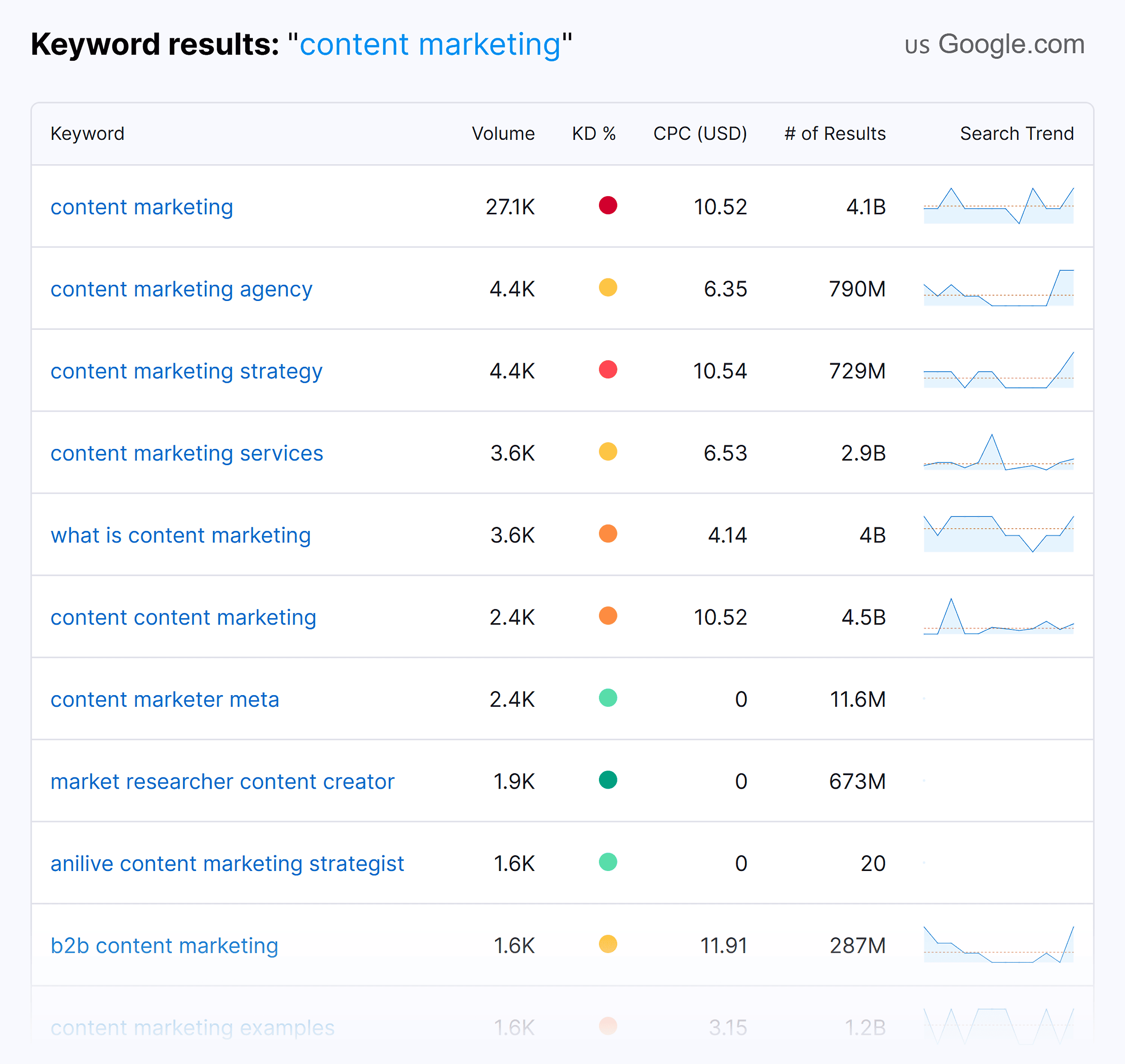
Search volume shows how often people type a keyword. Higher search volume means more potential visitors. But very high volume keywords often have tough competition. Balance is important. Pick keywords with good volume but not too crowded. This gives a better chance to appear on the first page.
Evaluating Keyword Difficulty
Keyword difficulty measures how hard it is to rank for a keyword. Tools assign a score based on competition and site strength. Low difficulty means easier ranking. Aim for keywords with low to medium difficulty. This helps new or small websites compete and grow traffic.
Assessing User Intent
User intent means why someone searches a keyword. They may want to buy, learn, or find a website. Understanding intent helps create content that fits their needs. Match your keywords to the right intent. This increases chances visitors stay and take action on your page.
Competitor Keyword Analysis
Competitor keyword analysis helps you understand what works in your niche. It reveals keywords your competitors use to attract visitors. This insight allows you to refine your own keyword strategy. Knowing competitor keywords guides you to target the right terms and outrank them in search results.
Identifying Competitors
Start by finding websites that rank for keywords in your niche. Use search engines or SEO tools to list top competitors. Focus on sites with similar content or products. These sites offer valuable clues on keyword opportunities. Knowing who your real competitors are is the first step.
Extracting Competitor Keywords
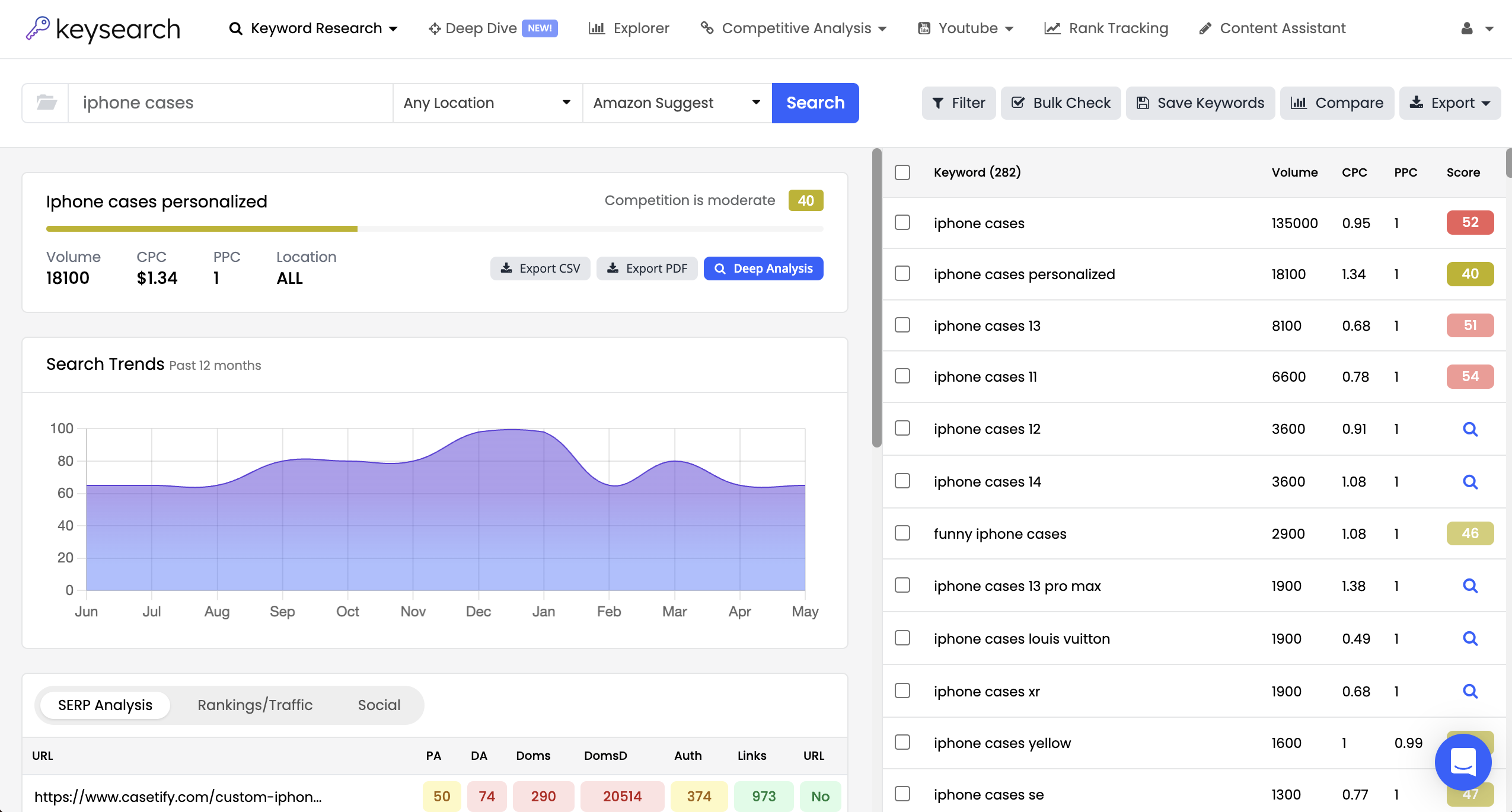
Use SEO tools to gather keywords your competitors rank for. Look for terms driving the most traffic to their sites. Pay attention to keywords with high search volume and low competition. Extract both short-tail and long-tail keywords. This mix helps diversify your keyword list.
Gap Analysis
Compare your keyword list with competitors’ keywords. Identify terms they rank for but you do not. These gaps show missed opportunities for your site. Targeting these keywords can boost your traffic and visibility. Gap analysis helps find new areas to grow your content.
Credit: www.keysearch.co
Organizing Keywords Effectively
Organizing keywords effectively helps improve your SEO strategy. It makes your content clearer for search engines. It also helps users find what they need quickly.
Grouping keywords and matching them with the right content pages is key. This practice boosts relevance and ranking on search results.
Creating Keyword Clusters
Keyword clusters group related keywords together. These groups focus on a central topic. Clustering helps avoid keyword stuffing and confusion.
Start by listing main keywords for your niche. Then add closely related terms and phrases. Use tools or search suggestions to find these related keywords.
Organize clusters by theme or intent. For example, group keywords about ”running shoes” by types, brands, or features. This makes content planning easier.
Mapping Keywords To Content
Mapping keywords means assigning them to specific pages or posts. Each page should target one main keyword cluster.
Match your content’s purpose with the keyword intent. For example, use informational keywords for blog posts. Use transactional keywords for product pages.
This method keeps your website organized and focused. It improves user experience and helps search engines understand your site better.
Integrating Keywords Into Content
Integrating keywords into your content is vital for better search engine visibility. It helps search engines understand your page topic clearly. Proper use of keywords also improves user experience by making content relevant and easy to read.
Keywords should appear naturally throughout your content. Overuse can confuse readers and harm your rankings. The key is to balance keyword placement with clear, engaging writing.
Optimizing Titles And Headers
Titles and headers guide both readers and search engines. Place main keywords near the start of your titles. Use headers to break content into sections with relevant keywords. This structure makes scanning easier and boosts SEO.
Using Keywords In Body Text
Include keywords in the body but keep sentences natural. Use variations and related terms to avoid repetition. Write for humans first, then check keyword presence. This keeps content smooth and informative.
Incorporating Keywords In Meta Tags
Meta tags help search engines show your page properly. Add main keywords in the meta title and description. Keep meta descriptions clear and concise. Well-written meta tags improve click rates from search results.
Tracking Keyword Performance
Tracking keyword performance is key to successful SEO. It shows how well your keywords attract visitors. By watching these results, you can keep your website visible and relevant.
Regular tracking helps find which keywords bring traffic. It also spots problems early. This way, you can act fast and keep improving your site’s ranking.
Monitoring Rankings
Monitor your keyword rankings often. Use tools that show where your pages rank on search engines. Check rankings daily or weekly to catch changes fast.
Note which keywords move up or down. Watch for trends over time. This info tells what works and what does not.
Adjusting Strategy Based On Data
Use your ranking data to adjust your SEO plan. Drop keywords that do not perform well. Focus on those that bring steady traffic.
Change your content to fit popular keywords better. Add new keywords that match user searches. Keep testing and improving based on real results.
Common Keyword Research Mistakes
Keyword research is a key step in SEO. Many make mistakes that stop their growth. Avoiding common errors helps your site get more visits.
Some mistakes waste time and effort. Others cause you to target the wrong audience. Knowing these errors helps create better strategies.
Choosing Only High-competition Keywords
Picking only popular keywords can hurt your ranking chances. High-competition words are hard to rank for. New or small sites should balance with easier keywords.
Ignoring Search Intent
Not thinking about what users want wastes your efforts. Keywords must match the user’s goal. This keeps visitors interested and engaged.
Neglecting Long-tail Keywords
Long-tail keywords are specific phrases. They have less competition and attract ready buyers. Ignoring them means missing valuable traffic.
Not Using Keyword Tools
Guessing keywords without tools leads to poor choices. Tools show search volume and competition. Use them to find the best keywords for your site.
Overstuffing Keywords
Adding too many keywords in content looks spammy. It lowers readability and can cause penalties. Use keywords naturally and keep content clear.

Credit: www.woorank.com
Frequently Asked Questions
What Is Keyword Research In Seo?
Keyword research identifies popular search terms users enter into search engines. It helps optimize content to rank higher and attract relevant traffic.
How Do I Find The Best Keywords?
Use tools like Google Keyword Planner, Ahrefs, or SEMrush. Analyze search volume, competition, and relevance to your niche.
Why Is Keyword Research Important For Content?
It ensures your content matches what users search for. This boosts visibility, drives targeted traffic, and improves conversions.
What Are Long-tail Keywords And Their Benefits?
Long-tail keywords are specific, longer phrases. They have lower competition and attract highly targeted, ready-to-convert visitors.
Conclusion
Keyword research helps you find words people search for online. Choose the right keywords to attract more visitors to your site. Use tools to check which words work best for your topic. Keep your list updated as trends change over time.
Good keywords make your content easier to find on search engines. Start small and grow your keyword list step by step. This simple step improves your website’s chances to reach more readers. Practice often, and your skills will get better.