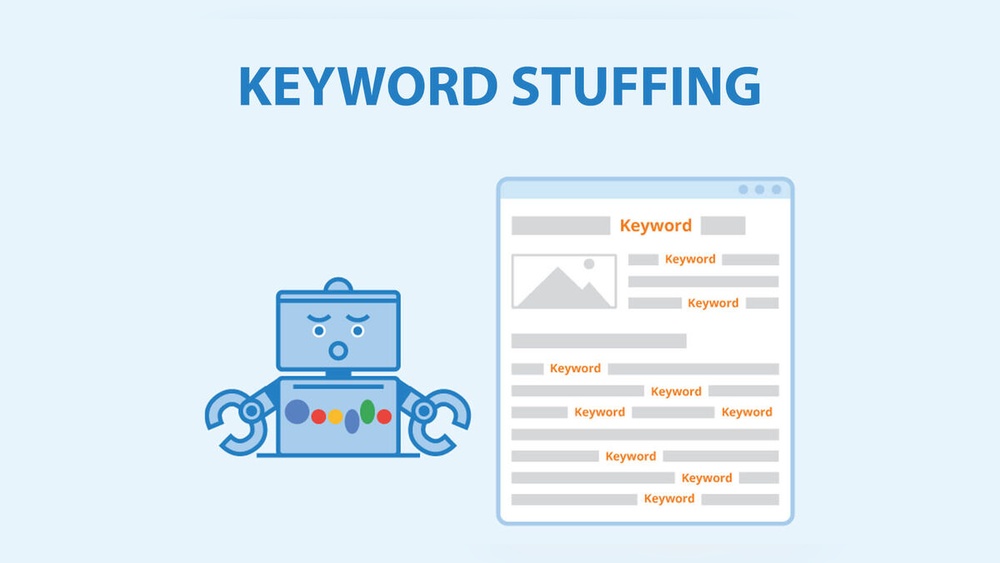
Have you ever wondered why your website isn’t ranking higher, even though you’ve packed it full of keywords? You might be falling into the trap of keyword stuffing.
It sounds like a quick fix to boost your search results, but in reality, it can hurt your site more than help. If you want your content to stand out and attract real visitors, understanding why keyword stuffing is a mistake is crucial.
Keep reading, and you’ll discover how to use keywords the right way to improve your rankings and keep your audience engaged.
Credit: undetectable.ai
What Is Keyword Stuffing
Keyword stuffing is an old SEO practice that many still misuse. It means putting too many keywords in a webpage. This happens to get better search engine rankings. But it does not work well anymore. Search engines like Google are smarter now. They can spot keyword stuffing easily. It can hurt your website’s ranking instead of helping.
Understanding keyword stuffing helps avoid common SEO mistakes. It keeps your content natural and readable. Readers want useful and clear information, not repeated words. Quality content matters more than keyword quantity.
What Is Keyword Stuffing?
Keyword stuffing is the use of one keyword too often. It appears unnaturally in text. Sometimes keywords are repeated many times in a paragraph. This makes the content hard to read. It looks like spam to search engines and readers.
How Keyword Stuffing Looks
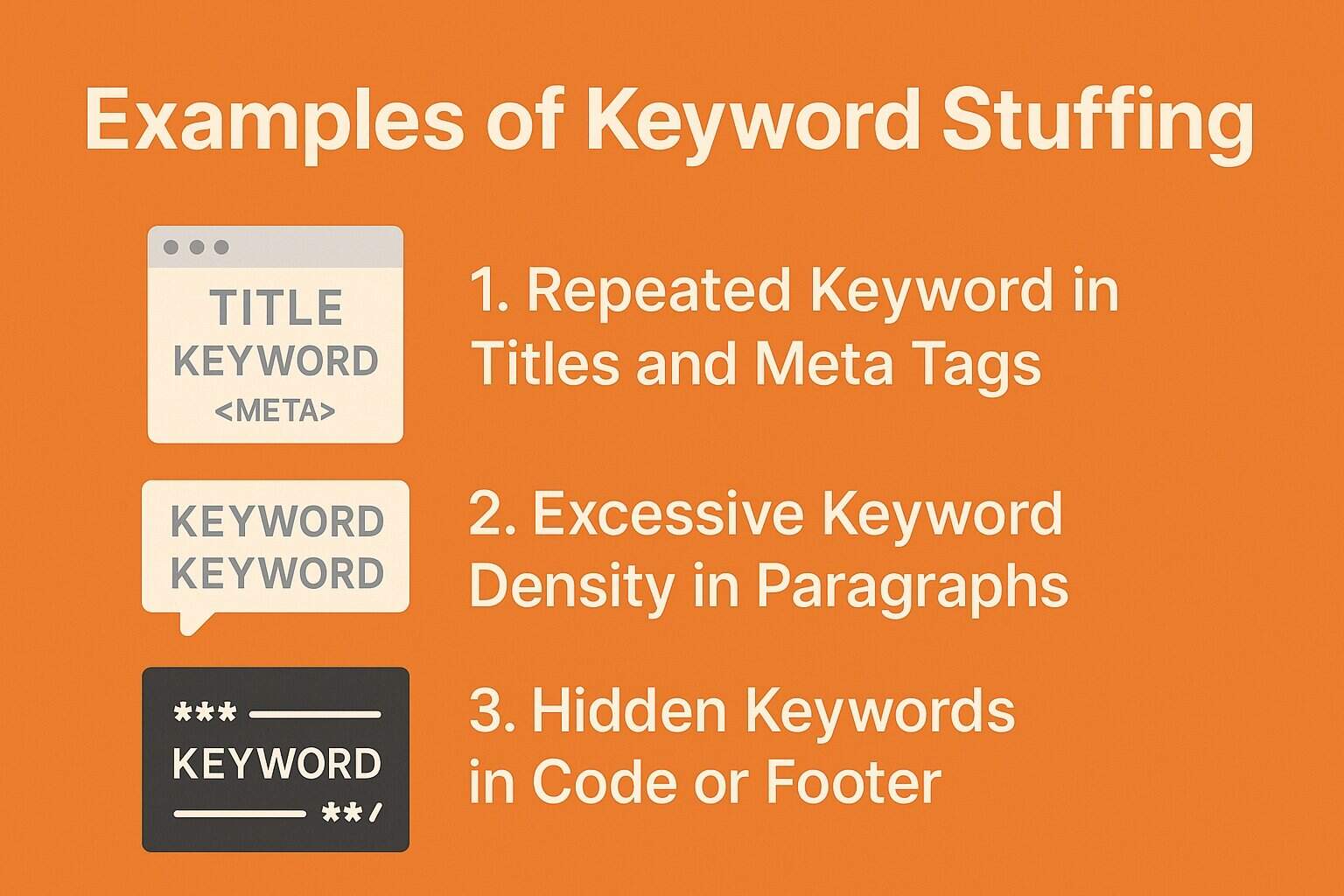
Examples include listing the same word again and again. Using keywords in places they do not fit. Filling meta tags and alt text with keywords only. This creates a bad user experience. It feels forced and annoying to the reader.
Why Keyword Stuffing Hurts Seo
Search engines want to show relevant results. Keyword stuffing lowers the quality of content. It tricks the system and breaks search engine rules. Websites caught stuffing keywords can lose rank. They might get penalized or removed from search results.
Better Ways To Use Keywords
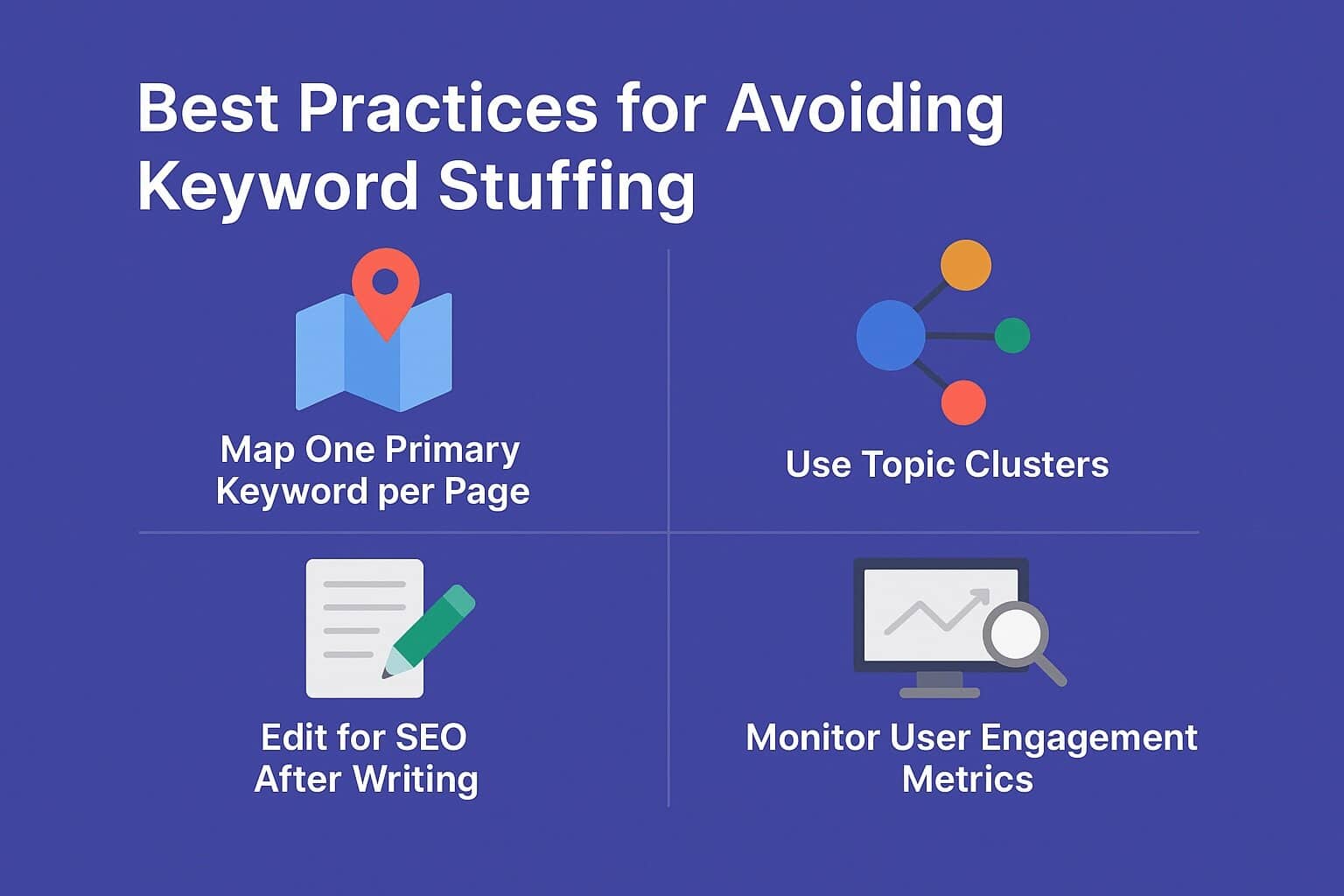
Use keywords naturally in sentences. Focus on giving useful information. Write for readers, not just for search engines. Spread keywords evenly and avoid repeating them too much. Use related words to support the main topic.
Credit: undetectable.ai
Risks Of Keyword Stuffing
Keyword stuffing means adding too many keywords unnaturally into content. This practice can seem like a quick way to rank higher in search engines. It might work for a short time. But it brings many risks that harm your website’s performance and reputation.
Search engines have become smarter. They recognize when keywords are forced into text. This hurts the overall quality of your content. The risks of keyword stuffing affect your site in several ways, from rankings to user experience and even penalties.
Impact On Search Rankings
Search engines aim to show useful and relevant results. Overusing keywords makes content look spammy. Algorithms detect this and lower your page’s ranking. Instead of helping, keyword stuffing can push your site down.
Search engines prefer natural language that flows well. They reward content that answers users’ questions clearly. Keyword stuffing disrupts this balance and confuses both readers and search bots.
User Experience Issues
Too many keywords make content hard to read. Visitors find the text repetitive and annoying. They leave the page quickly, increasing bounce rates. Poor user experience reduces trust in your brand.
Users want clear, helpful information. Stuffed keywords make sentences awkward. People stop reading and avoid your site in the future. This hurts your chances of turning visitors into customers.
Penalties From Search Engines
Search engines can penalize sites that use keyword stuffing. Penalties range from ranking drops to complete removal from search results. This damages your site’s visibility and traffic.
Penalties are hard to fix and take time to recover from. Avoid keyword stuffing to keep your site safe. Focus on quality content instead of trying to trick search engines.
Common Keyword Stuffing Myths
Keyword stuffing has many myths that confuse website owners. Some believe more keywords always help rankings. Others think hidden text still works. Many trust keyword density to guarantee success. These ideas can harm your SEO efforts. Understanding the truth is important for better content.
More Keywords Always Help
Adding too many keywords does not improve your ranking. Search engines may see this as spam. Quality content with natural keywords works better. Write for people, not just search engines. Use keywords wisely and sparingly for best results.
Hidden Text Still Works
Some try to hide keywords in invisible text. This technique no longer works. Search engines detect hidden text easily. It can lead to penalties or lower rankings. Focus on clear, visible content instead.
Keyword Density Guarantees Ranking
Counting keywords does not ensure high rank. Keyword density is not a strict rule. Overusing keywords can harm your SEO. Balance keywords with good, readable content. Search engines value helpful and relevant information.
Effective Seo Keyword Strategies
Effective SEO keyword strategies help websites rank higher in search results. Using keywords smartly improves content quality and user experience. Avoid overusing keywords to keep content natural and readable. Good keyword use means placing words where they fit best, not forcing them in.
Natural Keyword Integration
Place keywords in sentences where they make sense. Write for people first, then for search engines. Use keywords in titles, headings, and body text smoothly. Avoid repeating the same word too often. This keeps the content clear and easy to read.
Focus On User Intent
Understand what users want when they search. Match keywords to the questions or problems users have. Provide helpful answers or useful information. This keeps visitors engaged and reduces bounce rates. Keywords should guide content to meet user needs.
Using Lsi Keywords
Latent Semantic Indexing (LSI) keywords are related words. They add context and variety to your content. Use synonyms and related terms naturally within the text. This helps search engines understand your topic better. LSI keywords improve content relevance without keyword stuffing.
Tools To Avoid Keyword Stuffing
Keyword stuffing harms website ranking and user experience. Tools can help spot and prevent this issue. They analyze your content and suggest better keyword use. These tools keep your writing natural and clear. Using them saves time and improves SEO results.
Keyword Analysis Tools
Keyword analysis tools check how often keywords appear. They show if you use a word too much. These tools also suggest related keywords to balance content. You see which keywords bring the most traffic. This helps you write content that ranks well.
Some tools highlight keyword density and placement in your text. This makes it easy to fix keyword stuffing. You get reports that guide your editing process. Clear feedback helps keep your content readable and SEO-friendly.
Content Optimization Software
Content optimization software helps improve overall text quality. It offers suggestions to use keywords naturally. These programs check grammar, readability, and keyword use. They guide you to write content that both users and search engines like.
Some software scores your content for SEO health. It points out repeated keywords and suggests alternatives. This helps avoid penalties from search engines. The software supports creating balanced and engaging articles.
Credit: undetectable.ai
Frequently Asked Questions
What Is Keyword Stuffing In Seo?
Keyword stuffing is the practice of overusing keywords on a webpage. It aims to manipulate search rankings but harms user experience. Search engines penalize sites using keyword stuffing, reducing their visibility and authority.
Why Is Keyword Stuffing Bad For Websites?
Keyword stuffing makes content unnatural and hard to read. It lowers user engagement and trust. Search engines detect and penalize keyword stuffing, which can hurt your website’s ranking and credibility.
How Can I Avoid Keyword Stuffing Effectively?
Use keywords naturally and sparingly in your content. Focus on providing value and clear information. Use synonyms and related terms to keep the content diverse and user-friendly.
Does Keyword Stuffing Affect Google Rankings?
Yes, keyword stuffing negatively impacts Google rankings. Google’s algorithms identify keyword stuffing and may penalize or de-index the page. Quality content with balanced keyword use ranks better.
Conclusion
Keyword stuffing harms your website’s ranking and user experience. Search engines prefer clear, natural content that helps readers. Use keywords wisely and focus on quality writing. Keep your text easy to read and useful for visitors. Good content attracts more visitors and builds trust.
Avoid repeating keywords too many times. Write for people, not just for search engines. A good SEO strategy balances both. This approach improves your site’s success over time.