Have you ever wondered why some businesses seem to attract customers effortlessly while others struggle? The secret often lies in a simple, powerful tool called the marketing funnel.
Understanding your marketing funnel can change the way you connect with your audience and boost your sales dramatically. You’ll discover how each stage of the funnel works and how you can use it to guide your potential customers smoothly from curiosity to loyalty.
Stick with me, and you’ll learn practical steps to turn visitors into devoted buyers. Ready to unlock the full potential of your marketing? Let’s dive in.
Marketing Funnel Basics
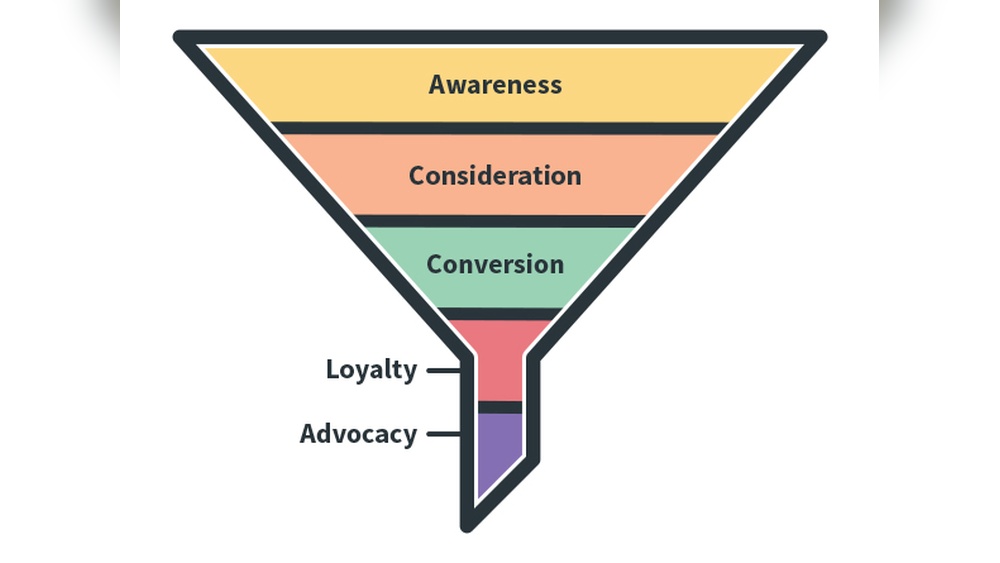
The marketing funnel is a simple way to understand how customers move from first hearing about a product to making a purchase. It shows each step people take before they decide to buy. Knowing the marketing funnel helps businesses plan their messages and offers for each step.
Every stage of the funnel has a clear goal. This helps marketers focus on what the customer needs at the moment. The funnel also helps track progress and improve marketing efforts over time.
Stages Of The Funnel
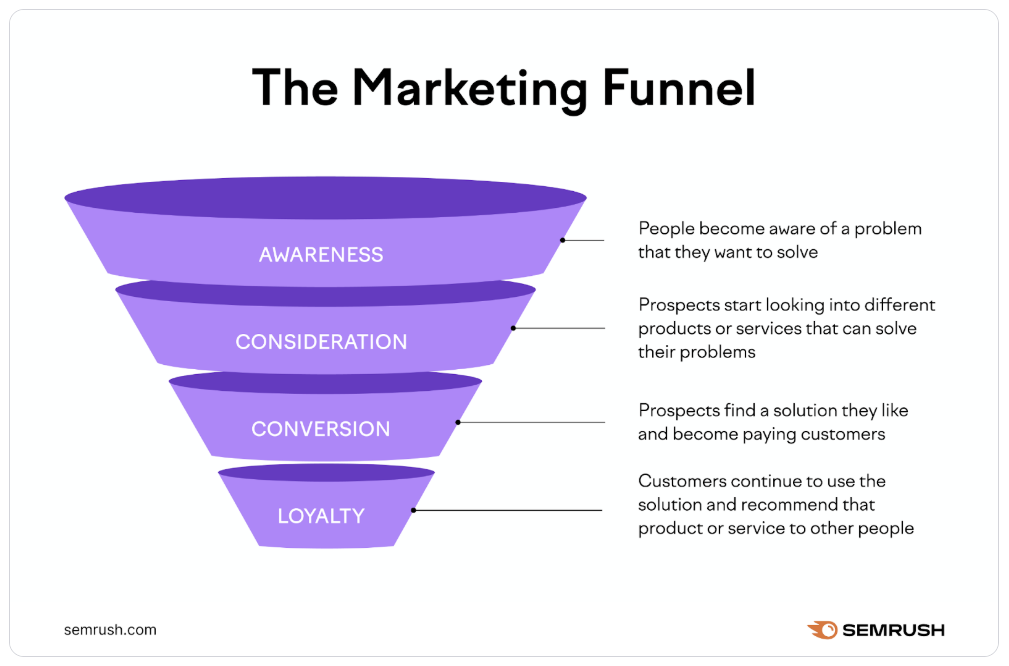
The funnel has several main stages. First is awareness, where people learn about the product or brand. Next is interest, when they want to know more. Then comes consideration, where they compare options. After that is intent, showing they plan to buy. Finally, the purchase stage is when they make the decision and buy.
Importance In Sales
The marketing funnel guides customers step-by-step to buy. It helps businesses use the right message at the right time. This increases the chance of turning visitors into buyers. The funnel also improves customer experience by matching their needs. Good use of the funnel leads to more sales and loyal customers.
Credit: www.semrush.com
Attracting Potential Customers
Attracting potential customers is the first step in any marketing funnel. This stage focuses on bringing people to your brand. It creates interest and builds awareness. The goal is to connect with the right audience. Use clear and simple messages to grab attention.
Effective strategies help your brand stand out. They guide visitors to learn more about your products or services. This part of the funnel sets the foundation for future engagement.
Content Marketing Tactics
Create helpful and interesting content that answers questions. Blog posts, videos, and infographics work well. Share stories that relate to your audience’s needs. Use clear titles and simple language. This makes content easy to find and read. Quality content builds trust and encourages people to come back.
Social Media Engagement
Use social media to connect directly with potential customers. Post regularly and respond to comments quickly. Share content that is useful or entertaining. Encourage conversations by asking questions. Social platforms help spread your message widely. They create a space for people to learn about your brand.
Seo Strategies
Optimize your website to rank higher in search engines. Use keywords that your audience types in search bars. Write clear titles and descriptions for each page. Make sure your site loads fast and works on phones. Good SEO helps more people find your site naturally. It brings visitors who are already interested in your topic.
Engaging Leads Effectively
Engaging leads effectively is key to a strong marketing funnel. It helps turn interested people into loyal customers. Clear and simple communication keeps leads interested. Focus on building trust step by step. Use methods that speak directly to their needs.
Email Marketing Campaigns
Email campaigns offer a direct way to reach leads. Send messages that are short and useful. Share tips, updates, or special offers. Consistent emails keep your brand fresh in their minds. Use clear subject lines to increase open rates. Avoid too many emails to prevent annoyance.
Personalization Techniques
Personalization makes leads feel valued and understood. Use their name and preferences in messages. Tailor content based on their actions or interests. This approach increases engagement and trust. Simple changes can make a big difference. Personal touches show you care about their needs.
Lead Magnets And Offers
Lead magnets attract attention and encourage sign-ups. Offer free guides, checklists, or trials. These provide value without asking for much in return. Exclusive offers or discounts also motivate action. Make sure offers match what your leads want. This builds goodwill and moves leads closer to buying.
Converting Prospects Into Customers
Converting prospects into customers is the key step in any marketing funnel. It turns interest into action. This process focuses on guiding visitors to take the final step and buy or sign up. Every detail matters, from the page design to the messages shown. Small changes can increase conversions and grow your business.
Optimizing Landing Pages
Landing pages must be clear and easy to use. Visitors should find what they need quickly. Use simple headlines that explain the offer. Keep the design clean with few distractions. Fast loading times improve user experience and reduce drop-offs. Test different versions to see what works best. A well-optimized page builds trust and pushes visitors toward action.
Clear Call-to-actions
Calls-to-action (CTAs) guide visitors on what to do next. Use strong, direct words like “Buy Now” or “Get Started.” Place CTAs where they are easy to see without scrolling. Use contrasting colors to make buttons stand out. Avoid confusing or weak phrases. Clear CTAs reduce hesitation and increase clicks. They create a smooth path from interest to purchase.
Retargeting Ads
Retargeting ads remind visitors about your offer after they leave. Many people need several touches before buying. Show ads on social media or other websites they visit. Use messages that highlight benefits or special deals. Retargeting keeps your brand in their mind. It encourages visitors to return and complete their purchase.
Retaining Customers For Growth
Keeping customers is key for business growth. It costs less to keep a customer than to get a new one. Loyal customers buy more and tell others. Focus on ways to keep customers happy and engaged. This builds trust and long-term value.
Loyalty Programs
Loyalty programs reward customers for repeat purchases. Points, discounts, and special offers make customers feel valued. These programs encourage customers to return often. Simple rewards keep customers interested and loyal.
Customer Feedback Loops
Listening to customers helps improve products and services. Ask for feedback through surveys or reviews. Show customers their opinions matter by making changes. This builds trust and shows care. It also keeps customers coming back.
Upselling And Cross-selling
Offer related products or upgrades to existing customers. Suggest items that fit their needs or interests. This increases sales without extra marketing costs. Be helpful, not pushy, to keep customer trust. Smart offers improve customer satisfaction and value.
Measuring Funnel Performance
Measuring funnel performance is crucial for marketing success. It shows how well your funnel guides visitors toward a goal. Tracking performance helps find weak spots. Fixing these spots improves your results.
Data-driven decisions grow your business. You learn what works and what doesn’t. Using clear numbers, you can improve each stage of the funnel.
Key Metrics To Track
Start with basic numbers. Traffic shows how many people visit your funnel. Leads count those who show interest. Conversion rate measures how many complete an action.
Cost per lead tells how much you spend to get one lead. Customer acquisition cost shows the expense to gain a new customer. Average order value reveals how much customers spend.
A/b Testing Methods
A/B testing compares two versions of a page or email. It helps find the better option. Change one element at a time, like a headline or button color.
Test results show which version gets more clicks or sales. Use this data to improve your funnel step by step. Repeat tests often to keep improving.
Analyzing Conversion Rates
Conversion rates show the percentage of visitors who take action. Calculate by dividing actions by total visitors. Watch rates at each funnel stage.
Low rates show where visitors drop off. Focus on these areas to make changes. Small improvements raise overall conversions and sales.
Common Funnel Challenges
Marketing funnels help guide potential customers from interest to purchase. Many businesses face challenges that slow or stop this flow. Understanding these common issues can improve funnel success.
Identifying Drop-off Points
Drop-off points are spots where users leave the funnel. These points show where customers lose interest or get confused. Tracking user actions helps find these weak spots. Fixing them increases the chance of moving users forward.
Addressing Audience Misalignment
Audience misalignment happens when the funnel targets the wrong people. This causes low engagement and fewer conversions. Knowing your audience’s needs and preferences is key. Tailor messages and offers to match their interests.
Improving User Experience
User experience affects how people move through the funnel. Slow loading pages or hard navigation cause frustration. Clear calls to action guide users better. Make every step simple and fast to keep users engaged.

Credit: advertising.amazon.com
Credit: ahrefs.com
Frequently Asked Questions
What Is A Marketing Funnel?
A marketing funnel represents the customer journey from awareness to purchase. It helps businesses understand how prospects become customers. The funnel guides marketing strategies to attract, engage, and convert leads effectively.
Why Is A Marketing Funnel Important?
A marketing funnel helps optimize sales by targeting prospects at each stage. It improves lead nurturing and boosts conversion rates. Businesses use funnels to measure marketing success and refine strategies for better results.
How Do Marketing Funnels Increase Sales?
Marketing funnels guide potential customers through clear steps toward buying. They build trust and address objections at each stage. This structured approach increases the chances of converting leads into paying customers.
What Are The Main Stages Of A Marketing Funnel?
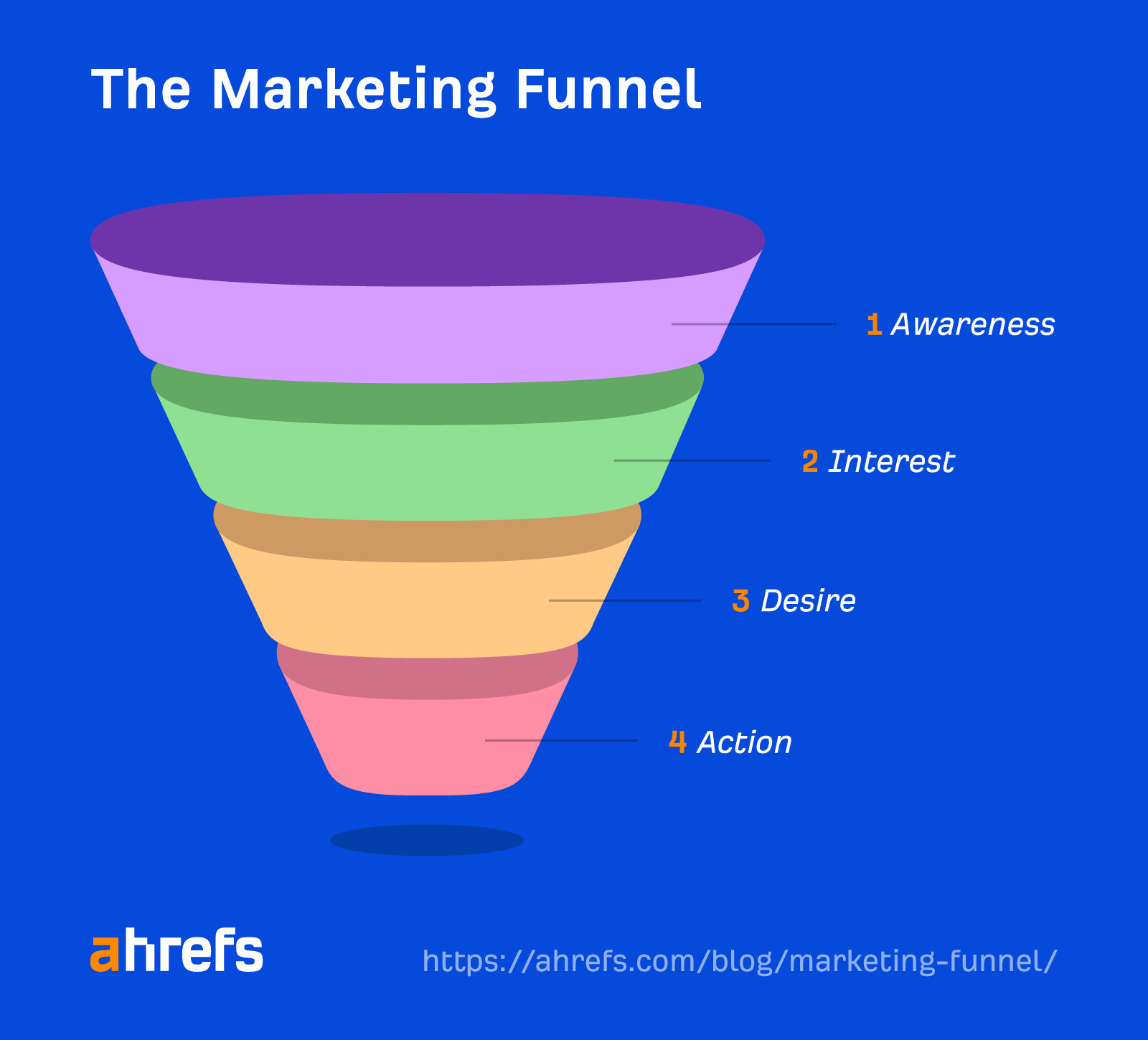
The main stages are Awareness, Interest, Decision, and Action. Each stage targets specific customer needs and behaviors. Marketers create tailored content and offers to move prospects smoothly through the funnel.
Conclusion
A marketing funnel helps guide customers step by step. It shows how people become aware, interested, and ready to buy. Using a clear funnel saves time and money. It also builds trust with your audience. Keep your funnel simple and easy to follow.
Test each stage often to find what works best. A good funnel grows your business steadily. Focus on helping customers, not just selling. This way, your marketing efforts will have stronger results.