Are you looking for fresh marketing ideas to help your small business stand out? You’re not alone.
Finding simple, effective ways to reach more customers can feel overwhelming. But what if you could discover easy strategies that fit your budget and bring real results? This article is packed with practical tips designed just for you. Keep reading, and you’ll unlock powerful ideas that can boost your business quickly and easily.
Your next big breakthrough might be just a few steps away.
Effective Social Media Tactics
Social media is a powerful tool for small businesses. It helps reach more people without a big budget. Using social media well can build trust and grow customers fast. Focus on clear tactics that work for your business.
Choosing The Right Platforms
Not all social media platforms fit every business. Pick platforms where your customers spend time. Facebook suits older audiences. Instagram works well for visual brands. LinkedIn is best for B2B connections. Concentrate on two or three platforms to avoid spreading too thin.
Creating Engaging Content
Content must catch attention quickly. Use simple words and short sentences. Share photos, videos, and stories about your products. Ask questions to invite comments. Show how your product solves problems. Consistency matters—post regularly to stay visible.
Leveraging Influencer Partnerships
Influencers can help reach new customers. Choose influencers who share your values. Micro-influencers with smaller followings often have loyal fans. Collaborate on honest reviews or giveaways. This creates trust and spreads your message naturally.
Credit: www.indiafilings.com
Local Seo Techniques
Local SEO helps small businesses reach nearby customers easily. It improves your online presence in local searches. Many people search for products or services near them. Local SEO makes sure your business appears in these searches. Use simple strategies to boost local visibility and attract more clients.
Optimizing Google My Business
Google My Business (GMB) is a free tool for local businesses. Create and verify your GMB profile first. Add accurate business information like address, phone, and hours. Use clear photos of your store or products. Keep your profile updated with new posts and offers. This helps your business appear in Google Maps and local search results.
Using Local Keywords
Local keywords include your city, neighborhood, or region. Add these keywords to your website titles and descriptions. Write content that mentions local events or landmarks. Use simple phrases people use to search nearby services. This improves your website’s chance to show in local searches. Check keywords regularly and update your content.
Encouraging Customer Reviews
Reviews build trust and attract new customers. Ask happy customers to leave reviews on Google and other platforms. Respond politely to all reviews, both good and bad. Show you care about customer feedback. Positive reviews boost your local search rankings. Make the review process easy with clear instructions.
Email Marketing Campaigns
Email marketing campaigns remain a powerful tool for small businesses. They help build direct connections with customers and keep your brand top of mind. Email allows you to share offers, updates, and useful information straight to your audience’s inbox.
Success in email marketing starts with good planning and execution. Focus on creating meaningful messages that your subscribers want to read. Here are key steps to improve your email marketing efforts.
Building A Quality Subscriber List
Start by collecting emails from people interested in your business. Use sign-up forms on your website and social media pages. Offer simple incentives like discounts or free tips to encourage sign-ups. Avoid buying email lists as they often contain unengaged contacts. A smaller, active list works better than a large, inactive one.
Crafting Compelling Newsletters
Write clear and interesting content that matches your readers’ needs. Use short paragraphs and simple words. Include strong subject lines that make readers want to open the email. Add images and buttons to make your newsletter visually appealing and easy to read. Always include a clear call to action, such as “Shop Now” or “Learn More.”
Personalization And Automation
Personalize emails by using the subscriber’s name and past purchase details. This makes messages feel more relevant and friendly. Use automation tools to send emails based on customer actions. For example, send a welcome email when someone signs up or a reminder when a cart is abandoned. Automation saves time and keeps your audience engaged consistently.
Networking And Community Engagement
Networking and community engagement build strong ties for small businesses. These connections create trust and open new opportunities. Being active in your community helps your business stand out. It also shows you care about local needs and people.
Participating In Local Events
Attend fairs, markets, and festivals near you. These events attract many local people. Meeting customers face-to-face builds better relationships. Small talks can lead to new clients or partners. Bring business cards and samples to share. Show your product or service with pride. This personal touch makes your brand memorable.
Collaborating With Other Businesses
Work with nearby shops or services. Teaming up creates mutual support and shared customers. Joint promotions or bundles attract more buyers. Partner with businesses that match your style. Collaboration boosts visibility for both sides. It also lowers marketing costs. Together, you appear stronger in the community.
Hosting Workshops And Webinars
Offer free or low-cost classes about your expertise. Teach skills that relate to your business. Workshops create trust and show your knowledge. Webinars reach people who cannot attend live. These events build a loyal audience. Attendees may become paying customers later. Prepare simple, clear presentations to keep interest high.
Content Marketing Strategies
Content marketing helps small businesses grow by sharing useful information. It builds trust with customers and shows your expertise. Regular content keeps your brand visible and attracts new buyers. Simple strategies fit small budgets and bring steady results.
Starting A Blog
Blogs are a great way to share tips and news. Write about topics your customers care about. Use clear, short sentences to explain ideas. Post regularly to keep readers interested. A blog also helps your website rank higher on search engines.
Creating Video Content
Videos catch attention quickly and keep viewers engaged. Show how your products work or share customer stories. Use a smartphone to record simple, clear videos. Post videos on social media and your website. Videos make your brand feel real and friendly.
Utilizing User-generated Content
User-generated content means customers share their experiences. Ask buyers to send photos or reviews. Share their posts on your channels. This builds trust and shows real satisfaction. It also encourages others to try your products.
Paid Advertising Options
Paid advertising helps small businesses reach more customers fast. It puts your brand in front of the right people. Spending a little can bring more visitors and sales. Choosing the right ad type matters for your budget and goals. Here are some popular paid advertising options for small businesses.
Social Media Ads
Social media ads appear on platforms like Facebook, Instagram, and LinkedIn. They target users by age, location, and interests. These ads can be photos, videos, or slideshows. They help build brand awareness and drive traffic to your site. Small businesses can start with a small budget and adjust as needed.
Search Engine Marketing
Search engine marketing (SEM) shows your ads on Google or Bing. Ads appear when people search for keywords you choose. This makes your business visible to people ready to buy. You pay only when someone clicks your ad. It’s a cost-effective way to get new customers quickly.
Retargeting Campaigns
Retargeting ads reach people who visited your website but left without buying. These ads remind them about your products or services. They appear on other websites or social media. Retargeting keeps your brand top of mind and increases chances of sales. It helps turn visitors into paying customers.
Referral And Loyalty Programs
Referral and loyalty programs help small businesses keep customers and gain new ones. These programs encourage people to share your business with friends. They also reward customers who buy often. This builds trust and grows your customer base over time.
Designing Referral Incentives
Create simple rewards for customers who refer friends. Discounts, free products, or small gifts work well. Make sure the reward feels valuable but affordable for your business. Clear instructions help customers understand how to join. Easy steps increase participation and word-of-mouth promotion.
Rewarding Repeat Customers
Offer points or discounts for every purchase. Customers love feeling appreciated for their loyalty. Set goals like discounts after five visits or free items after ten purchases. Personalize rewards to match customer needs. This keeps people coming back and builds a strong connection.
Tracking Program Success
Use simple tools to monitor referrals and rewards. Track how many new customers come from referrals. Measure repeat purchases to see if loyalty programs work. Adjust rewards based on what customers like most. Regular tracking helps improve your marketing efforts and grow sales.
Credit: startsmartscale.com
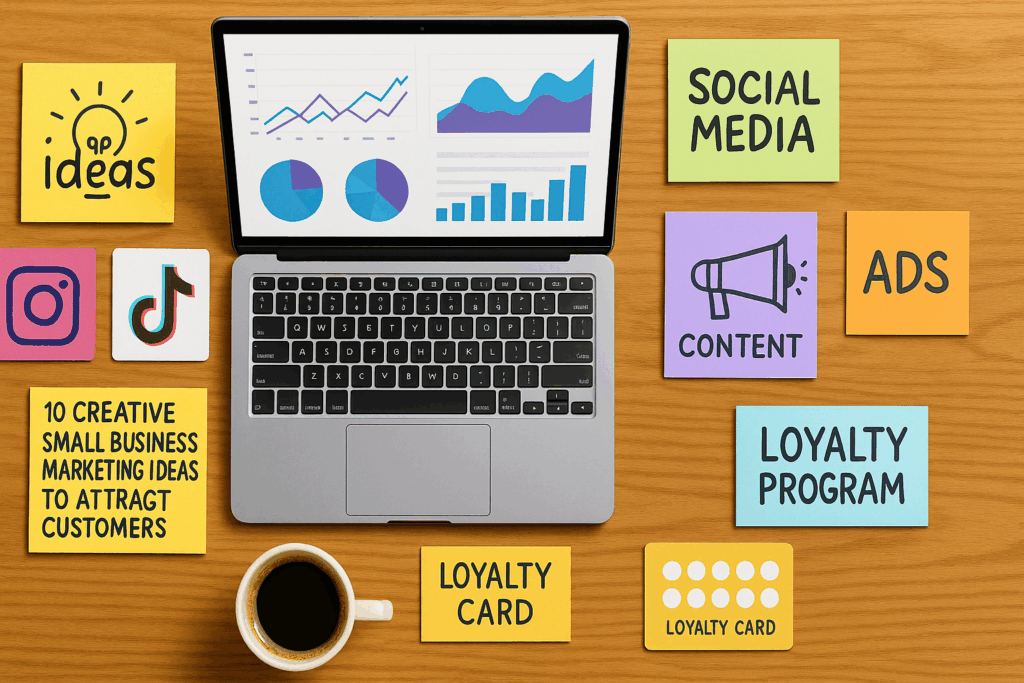
Credit: sageminietech.com
Frequently Asked Questions
What Are Effective Marketing Ideas For Small Businesses?
Effective marketing ideas include social media marketing, email campaigns, local SEO, and content creation. These strategies boost brand visibility and customer engagement without high costs.
How Can Small Businesses Use Social Media Marketing?
Small businesses can create engaging posts, run targeted ads, and interact with followers. Consistent activity builds brand loyalty and attracts new customers.
Why Is Local Seo Important For Small Businesses?
Local SEO helps small businesses appear in local search results. It drives nearby customers to your store or website, increasing foot traffic and sales.
What Role Does Content Marketing Play For Small Businesses?
Content marketing educates and attracts customers through blogs, videos, and infographics. It establishes authority, improves SEO, and builds trust with your audience.
Conclusion
Small businesses can grow with smart, simple marketing ideas. Focus on your customers and what they need. Use social media to connect and share your story. Keep your messages clear and easy to understand. Try different methods and see what works best.
Consistency helps build trust and recognition. Stay patient and keep improving your efforts. Success takes time, but good marketing makes a big difference. Start small, stay focused, and watch your business grow.