Are you struggling to get your content noticed? Optimizing content is the key to making your words work harder for you.
When you optimize, you don’t just write—you attract the right audience, keep them engaged, and boost your visibility online. Imagine turning every blog post or article into a powerful tool that drives traffic and grows your brand. You’ll discover simple, actionable steps to make your content shine and get the results you want.
Ready to transform your content and see real impact? Let’s dive in.
Seo Basics
SEO is the foundation of any successful content strategy. It helps websites rank higher in search results. This boosts visibility and drives more visitors. Understanding SEO basics is essential for better online presence. It starts with simple but important steps. These steps improve how search engines read and rank your content.
Keyword Research Techniques
Keywords are words people type in search engines. Finding the right keywords is crucial. Start by thinking about what your audience wants. Use tools like Google Keyword Planner or Ubersuggest. Look for keywords with good search volume and low competition. Focus on long-tail keywords. They are more specific and easier to rank for. Check competitor websites to find keyword ideas. Organize keywords by topic for better content planning.
On-page Seo Elements
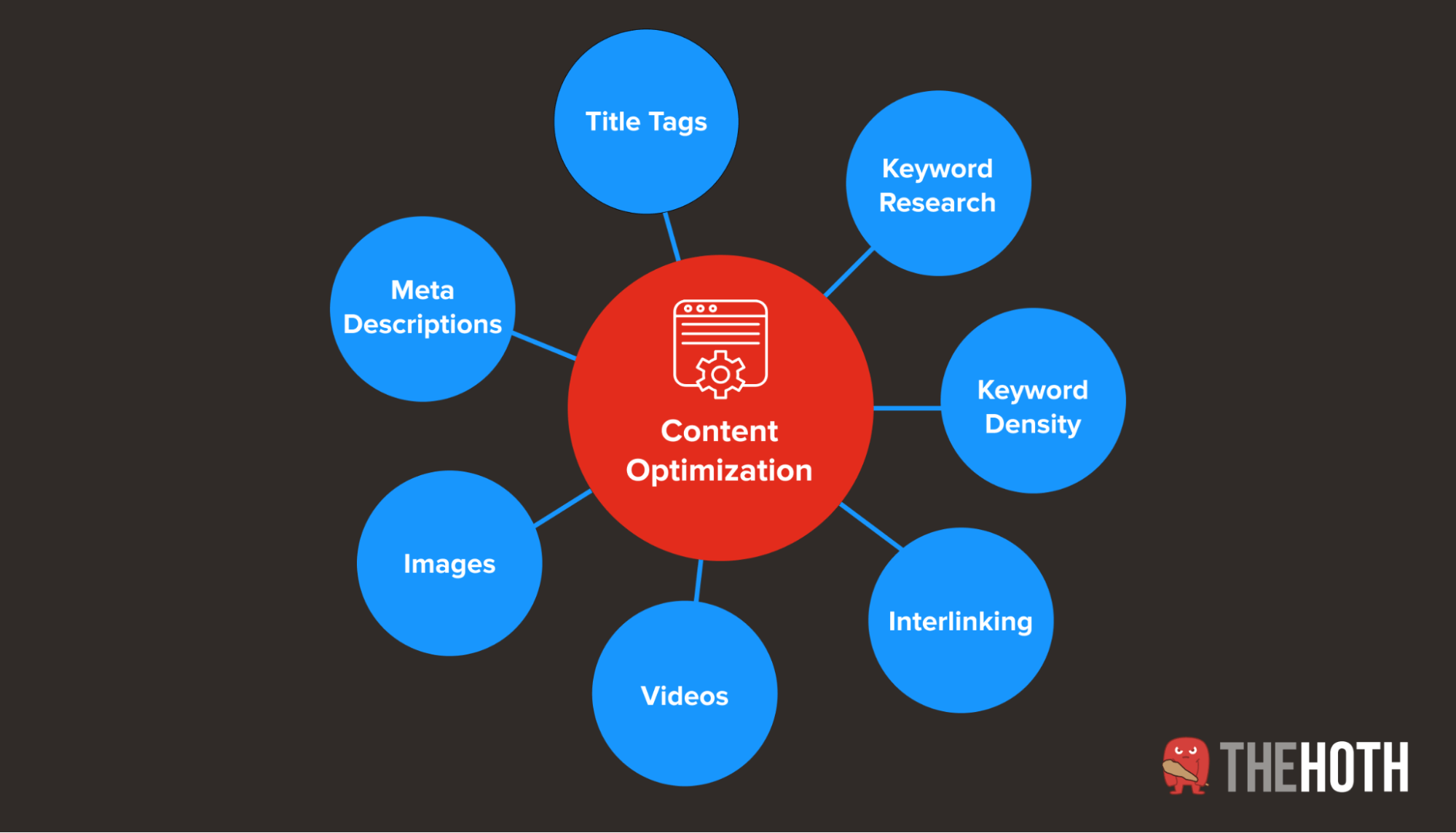
On-page SEO means optimizing parts of your webpage. Title tags must include main keywords. Keep titles clear and under 60 characters. Meta descriptions should describe the page in 150 characters. Use headings (H1, H2, H3) to structure content. Include keywords naturally in these headings. Add keywords to the first 100 words of your text. Use alt text for images with relevant keywords. Ensure URLs are short and descriptive. Internal linking helps search engines understand site structure.
Technical SEO Essentials
Technical SEO improves website performance and usability. A fast-loading site keeps visitors engaged. Compress images and use caching to speed up pages. Make sure your website is mobile-friendly. Most users browse on phones and tablets. Use HTTPS to secure your website. Search engines prefer secure sites. Fix broken links and remove duplicate content. Create an XML sitemap to help search engines find pages. Check for errors using tools like Google Search Console.

Credit: www.searchenginejournal.com
Content Creation Tips
Creating great content is key to attracting and keeping readers. Good content helps your website rank higher on search engines. Follow simple tips to make your content clear and interesting. Focus on what your audience wants. Keep your writing easy to read and useful.
Crafting Engaging Headlines
Headlines are the first thing readers see. Write headlines that grab attention quickly. Use words that create curiosity or promise value. Keep headlines short and clear. Avoid complex words or long phrases. A strong headline encourages clicks and shares.
Writing For User Intent
Understand what your readers need. Write content that answers their questions. Use simple language to explain ideas. Stay focused on the main topic. Avoid adding extra information that confuses readers. Meeting user intent keeps visitors on your site longer.
Using Visuals Effectively
Pictures and graphics make content easier to understand. Use images that support your text. Avoid using too many visuals that distract readers. Add captions to explain images clearly. Optimize images to load fast on all devices. Visuals help break up text and keep readers engaged.
Link Building Strategies
Link building is a key part of content optimization. It helps improve your site’s authority and search rankings. Strong links guide users and search engines to important pages. Effective link building creates a network of valuable connections. These connections boost your content’s visibility and trust.
Internal Linking Best Practices
Internal links connect pages within your website. They help users find related content easily. Use clear, descriptive anchor text. Keep links relevant to the content on both pages. Link to important pages from high-traffic posts. Avoid too many links on one page. A clean structure improves user experience and SEO.
Acquiring Quality Backlinks
Quality backlinks come from trusted websites. They show search engines your content is valuable. Create helpful, original content that others want to share. Reach out to bloggers and websites in your niche. Offer guest posts or collaborations. Focus on links from sites with good reputation. A few strong backlinks beat many weak ones.
Avoiding Toxic Links
Toxic links harm your site’s ranking. They come from spammy or irrelevant sites. Regularly check your backlink profile for bad links. Use tools to identify and remove harmful links. Disavow links that you cannot remove. Keep your link profile natural and healthy. This protects your site from search penalties.
User Experience Factors
User experience plays a big role in how visitors interact with your website. A good experience keeps people on your site longer. It also helps improve your search rankings. Simple changes can make your site easier and faster to use. Focus on key factors that affect user satisfaction.
Improving Page Load Speed
Slow pages drive visitors away fast. Speed up your site by compressing images. Use caching to store site data for quick access. Minimize code and scripts that slow loading. A fast site feels smooth and professional. Search engines also favor faster websites.
Mobile Optimization
Most users visit websites on phones. Your site must look good and work well on small screens. Use responsive design to adjust layout automatically. Buttons and links should be easy to tap. Text must be readable without zooming. Mobile-friendly sites keep users engaged longer.
Enhancing Site Navigation
Easy navigation helps visitors find what they need. Use clear menus with simple labels. Group related pages under logical categories. Add a search bar for quick access. Avoid clutter and confusing links. Good navigation lowers bounce rates and boosts user satisfaction.
Content Performance Tracking
Tracking content performance helps you understand how well your content works. It shows what your audience likes and what needs change. This process lets you improve your content step by step. You can make better decisions with clear data on hand.
Using Analytics Tools
Analytics tools collect data from your website or platform. They show how many people visit your page. These tools reveal where visitors come from and what they do. Google Analytics is one popular tool many use. It tracks page views, session duration, and traffic sources. Using these tools gives you a real picture of your content’s reach.
Measuring Engagement Metrics
Engagement metrics show how your audience interacts with content. Look at likes, shares, comments, and time spent on page. High engagement means your content interests readers. Low engagement signals that content might need changes. These numbers help you see if your message connects with the audience.
Adjusting Strategies Based On Data
Data shows what works and what does not. Use it to improve titles, images, and topics. Change your posting times if needed. Test different formats like videos or lists. Small tweaks can boost your content’s success. Always keep track and refine your strategies often.

Credit: neilpatel.com
Credit: www.thehoth.com
Frequently Asked Questions
What Is Content Optimization In Seo?
Content optimization improves content to rank higher in search engines. It involves keyword use, readability, and relevance to user intent. Optimized content attracts more organic traffic and enhances user engagement, boosting website authority and conversions.
How Do I Optimize Content For Better Rankings?
Use relevant keywords naturally, improve readability, and add valuable information. Optimize meta tags, headings, and images. Regularly update content to keep it fresh and aligned with search intent for better rankings.
Why Is Keyword Research Vital For Content Optimization?
Keyword research identifies terms users search for. It helps create targeted content that meets user needs. Using the right keywords boosts visibility, attracts relevant traffic, and improves overall SEO performance.
How Does Content Length Affect Optimization?
Longer content tends to rank better as it covers topics in-depth. However, quality matters more than length. Ensure content is comprehensive, clear, and answers user questions without unnecessary fluff.
Conclusion
Optimizing content helps your website reach the right audience. Clear, simple writing keeps readers interested. Using keywords naturally improves search engine ranking. Regular updates make your content fresh and relevant. Good structure guides readers through your message easily. Focus on value to build trust and keep visitors.
Small changes can lead to better results over time. Keep practicing and learning to improve your skills. Success in content optimization grows step by step.
Vill du ha hjälp med att optimera ditt innehåll och förbättra din SEO? Kontakta Hive Creatives för en kostnadsfri genomgång.